Château de Luynes
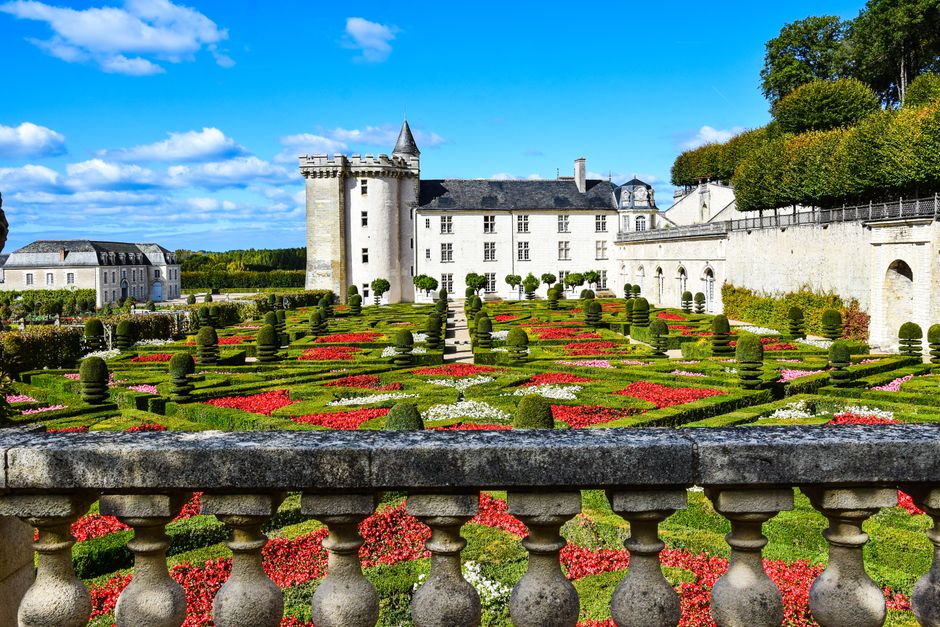
Château de Luynes is a significant medieval fortress located in the town of Luynes, France. Its history stretches back to the 10th or early 11th century, when an original castle was constructed. This early structure was destroyed at the end of the 11th century during the turbulent conflicts between the Anjou and Touraine regions. The castle was then rebuilt in the early 12th century, marking the beginning of its enduring presence as a fortified noble residence.
The castle underwent substantial modifications throughout the High Medieval period, especially in the 13th century when the lords of Maillé, who became barons, enhanced its defenses and living quarters. The fortress was designed with two main courtyards: an upper yard and a lower yard. The lower yard, situated beneath the upper, housed essential functional buildings such as barns and stables, supporting the castle's self-sufficiency.
Architectural layout and defensive features
The upper yard was the heart of the castle's defense and residence. It featured a large keep standing prominently in its center. This keep was surrounded by ramparts that were originally two stories higher than their current state. These ramparts were equipped with wooden galleries known as hoardings, which were defensive wooden structures projecting from the walls, allowing defenders to launch attacks on enemies at the base of the walls. Notably, the wood for these hoardings was supplied by King Saint Louis (Louis IX), indicating royal support and the castle's strategic importance.
The castle's northern defenses included a wide moat dug directly into the rock, creating a formidable barrier against invaders. On the eastern side, this moat was doubled, enhancing protection. Between these moats stood a fortified outwork that controlled access to the castle via drawbridges. This layered defense system exemplifies medieval military architecture designed to withstand sieges and attacks.
Transformations from the 15th to 17th centuries
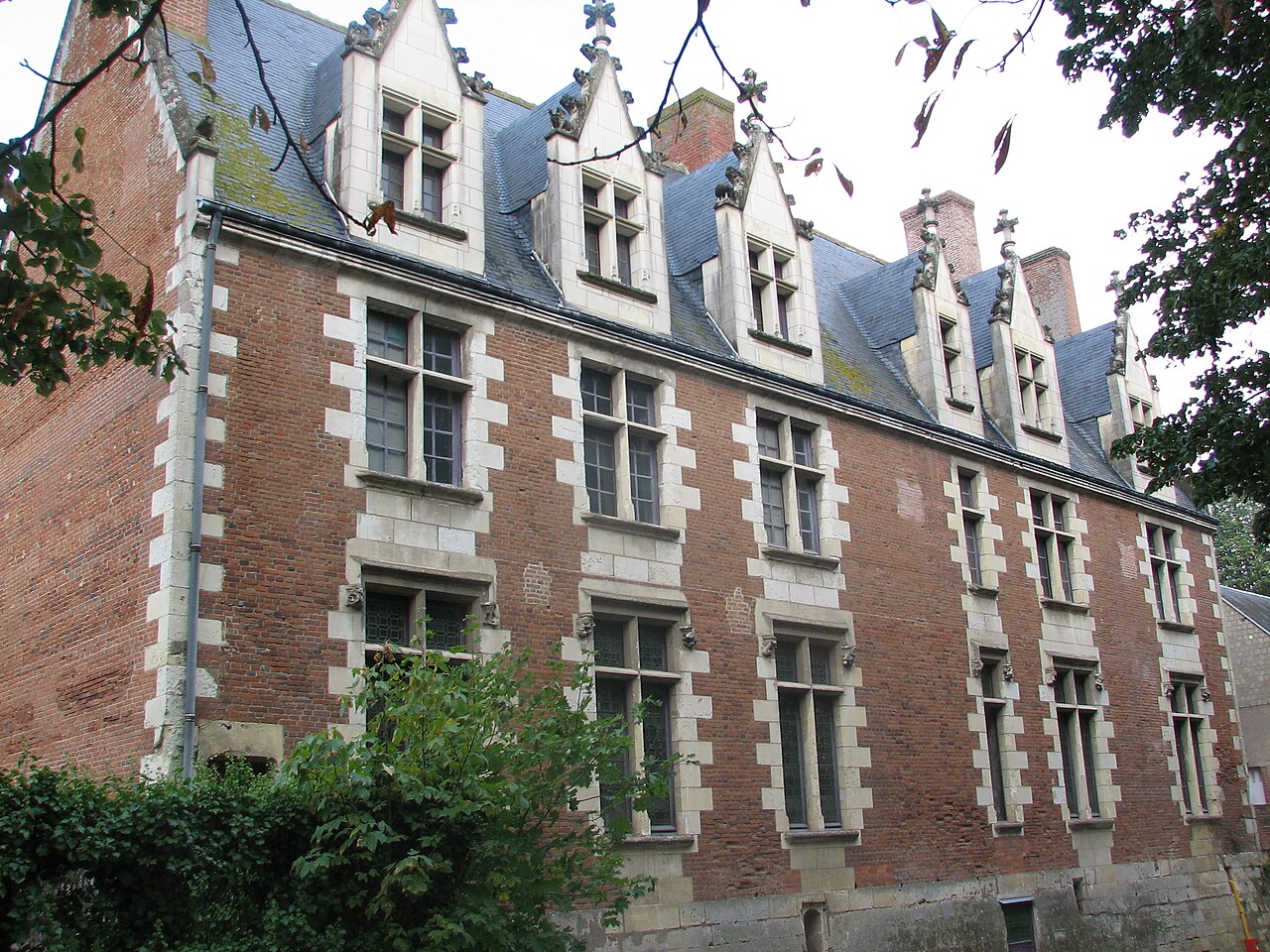
In the 15th century, the castle's interior spaces evolved to reflect changing tastes and needs. The upper yard was transformed with the construction of an elegant brick dwelling, signaling a shift from purely military functions to more comfortable noble living quarters. This trend continued into the 16th century, when additional dwellings were refitted on the western side of the castle.
The 17th century brought significant changes under the direction of the second duke of Luynes. The imposing medieval keep was demolished, and in its place, a vast classical wing was built on the south side, overlooking the valley. This wing reflected the architectural styles of the period, emphasizing symmetry, proportion, and classical elements rather than medieval fortification. However, this wing was partly demolished in the following century, indicating ongoing changes in the castle's structure and use.
19th-century restorations and current status
During the 19th century, the castle underwent partial restoration. The original drawbridges were replaced by fixed bridges, reflecting changes in defensive needs and accessibility. Some towers were also lowered, altering the castle's silhouette. Despite these modifications, the castle retains many of its historic features and remains under the ownership of the dukes of Luynes, preserving its connection to the noble family that shaped its history.
Historical significance and heritage
Château de Luynes stands as a testament to the architectural and social evolution of medieval castles in the Loire Valley region. Its combination of military fortifications such as moats, keeps, and drawbridges, alongside later residential enhancements like brick dwellings and classical wings, illustrates the transition from fortress to noble residence. The castle's layered history reflects broader regional conflicts and changing aristocratic lifestyles from the High Medieval period through the early modern era.
Today, the castle is recognized for its architectural diversity and historical depth. Visitors can appreciate the surviving elements of medieval military architecture alongside Renaissance and classical modifications. The castle's preservation under the ducal family ensures ongoing care and respect for its cultural heritage.
Information
Website
Visit websiteSources & official resources
Verify the information above using these authoritative references.
Loading map...
Visitor reviews
No reviews yet. Been here? Write the first review and help other travelers!
Write the first reviewVisited this castle? Share your experience
Your review helps other travelers and adds first-hand knowledge to our encyclopedia.