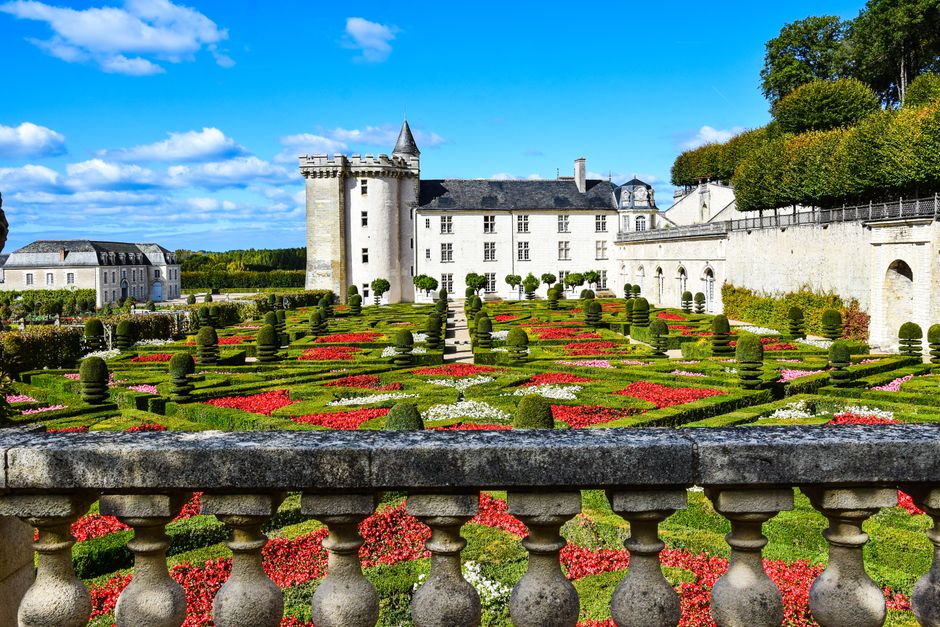
Castle of Cinq-Mars
The Castle of Cinq-Mars, located in Cinq-Mars-la-Pile, France, is a remarkable example of a medieval fortress that has evolved through centuries of architectural development. Originally constructed in the 12th century during the high medieval period, the castle reflects the strategic and residential needs of its time. It stands as a testament to the layered history of French fortifications, with significant additions and modifications made in the 13th, 15th, and 16th centuries that introduced elements of both medieval military architecture and Renaissance style.
Historical context and significance
The Castle of Cinq-Mars was initially built as a defensive stronghold during a period marked by feudal conflicts and territorial disputes in the Loire Valley region. Its location in Cinq-Mars-la-Pile was strategically chosen to oversee surrounding lands and control important routes. Over the centuries, the castle witnessed the rise and fall of noble families and was adapted to changing military technologies and residential tastes.
In the 12th century, the primary construction focused on establishing robust fortifications typical of high medieval castles, including thick stone walls and defensive towers. The castle’s evolution through the 13th century involved enhancing its defenses and living quarters, adapting to the increasing use of siege engines and the need for more comfortable noble residences.
Architectural features and evolution
Original 12th-century construction
The initial structure of the Castle of Cinq-Mars was characterized by a fortified keep or donjon, surrounded by curtain walls and defensive towers. The use of local stone and traditional masonry techniques provided a durable framework. The castle’s layout was designed for defense, featuring narrow arrow slits and battlements that allowed defenders to repel attackers effectively.
Modifications in the 13th and 15th centuries
During the 13th century, the castle saw the addition of more complex defensive features, including reinforced gatehouses and expanded curtain walls. These enhancements reflected the evolving nature of medieval warfare, which demanded stronger and more intricate fortifications.
By the 15th century, the castle’s role began to shift from purely military to more residential and administrative functions. This period introduced architectural elements that improved comfort and aesthetics, such as larger windows and more refined interior spaces, while still maintaining defensive capabilities.
Renaissance influences in the 16th century
The 16th century brought significant stylistic changes to the Castle of Cinq-Mars, incorporating Renaissance architectural features that emphasized symmetry, proportion, and decorative elements. This transformation included the addition of elegant façades, ornamental stonework, and enhanced living quarters that reflected the tastes of the French nobility during the Renaissance.
Current condition and preservation
Today, the Castle of Cinq-Mars is privately owned and has been recognized for its cultural and historical importance. It has been officially listed as a monument historique by the French Ministry of Culture since 1976. The castle's preservation status is considered partially preserved, with many original structures intact, allowing visitors and scholars to appreciate its architectural evolution and historical significance.
While not generally open to the public, the castle remains an important heritage site within the region, contributing to the understanding of medieval and Renaissance fortifications in France. Its combination of military and residential architecture offers valuable insights into the lifestyle and defensive strategies of French nobility over several centuries.
Architectural highlights and notable features
- Fortified keep (donjon): The central stronghold of the castle, dating back to the original 12th-century construction.
- Curtain walls and defensive towers: Robust stone walls and towers that provided layered defense against attackers.
- Gatehouses: Reinforced entrances designed to control access and enhance security.
- Renaissance façades and ornamental stonework: Decorative elements added during the 16th century to reflect changing tastes.
- Arrow slits and battlements: Defensive features allowing archers to defend the castle effectively.
- Residential quarters: Expanded and refined living spaces introduced in the later medieval and Renaissance periods.
Cultural and heritage importance
The Castle of Cinq-Mars holds a significant place in the heritage of the Loire Valley, a region renowned for its concentration of historic castles. Its layered architecture exemplifies the transition from medieval fortress to Renaissance residence, illustrating broader trends in French castle design and noble life. As a protected monument historique, it is part of France’s national effort to preserve and celebrate its architectural and historical legacy.
Its private ownership has helped maintain the site, though it also limits public access. Nonetheless, the castle continues to be a subject of interest for historians, architects, and enthusiasts of medieval and Renaissance history.
Frequently asked questions (FAQ)
- When was the Castle of Cinq-Mars originally built?
- The Castle of Cinq-Mars was originally constructed in the 12th century during the high medieval period, reflecting the defensive needs of that era.
- What architectural styles are visible in the castle?
- The castle features a blend of high medieval military architecture and Renaissance elements, including fortified keeps, curtain walls, and decorative façades.
- Is the Castle of Cinq-Mars open to the public?
- The castle is privately owned and generally not open to the public, but it remains an important heritage site recognized as a monument historique.
- What is the significance of the castle in French history?
- The Castle of Cinq-Mars exemplifies the evolution of French noble residences from fortified medieval strongholds to Renaissance châteaux, reflecting regional historical developments.
- How has the castle been preserved?
- Listed as a monument historique since 1976, the castle is partially preserved with many original structures intact, maintained under private ownership.
Information
Sources & official resources
Verify the information above using these authoritative references.
Loading map...
Visitor reviews
No reviews yet. Been here? Write the first review and help other travelers!
Write the first reviewVisited this castle? Share your experience
Your review helps other travelers and adds first-hand knowledge to our encyclopedia.