Venngarn Castle
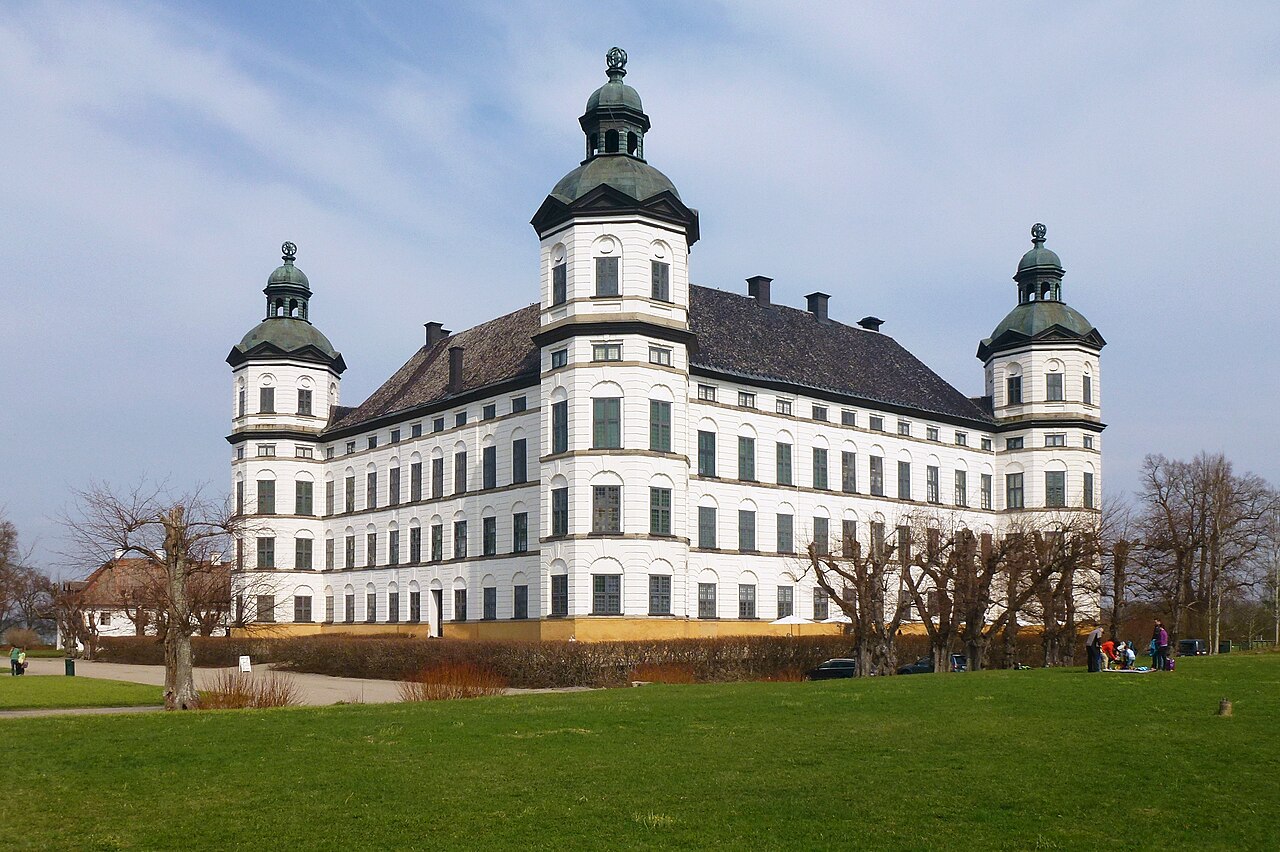
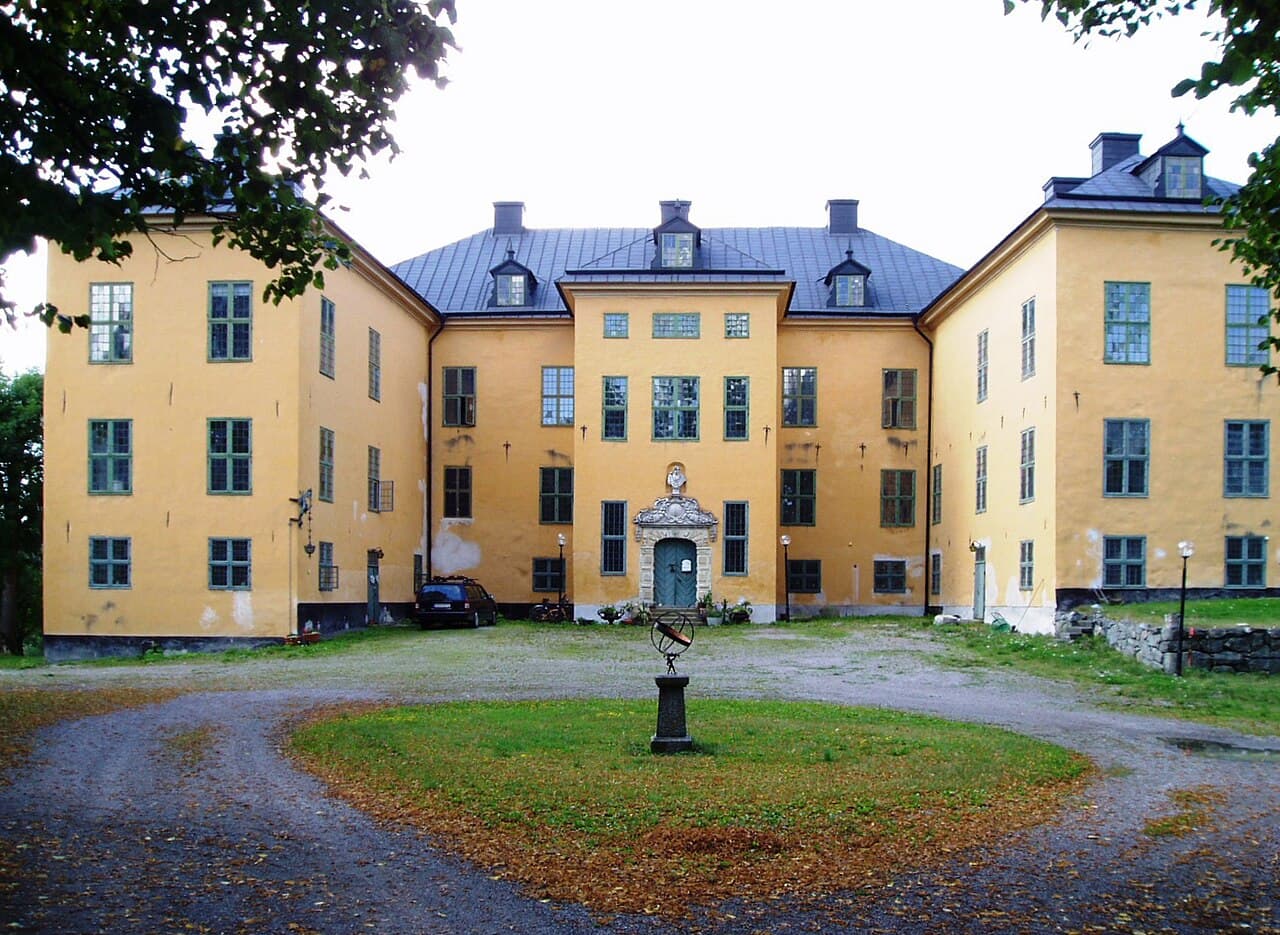
Venngarn Castle stands as a significant historical manor located just north of the town of Sigtuna in the province of Uppland, Sweden. Its origins date back to the 12th century, marking it as a site with deep medieval roots. Over the centuries, the estate changed hands multiple times before becoming crown property in 1555. This transition marked the beginning of a new chapter in Venngarn's history, intertwining it with the Swedish monarchy and nobility.
Early history and ownership transitions
The manor's early history is characterized by its strategic and economic importance in the region. After acquisition by the crown in the mid-16th century, Venngarn was granted by Gustav II Adolf to Franz von Thurn Berendt. Subsequently, in 1653, it was sold to Magnus Gabriel De la Gardie, one of Sweden's most influential statesmen during the Age of Greatness. De la Gardie's ownership marked a period of significant development and embellishment of the estate.
The golden age under Magnus Gabriel De la Gardie
During the late 17th century, Venngarn experienced its golden age, largely due to the efforts of Magnus Gabriel De la Gardie. As a chancellor and leader of the regency during King Charles XI's minority, De la Gardie was a central figure in Swedish politics and culture. Around 1670, the current castle structure was primarily constructed under the guidance of the renowned architect Jean de la Vallée. This period saw the manor transformed into a refined residence reflecting the Renaissance architectural style prevalent in Sweden at the time.
Architectural features and design
Jean de la Vallée is credited with designing the castle, incorporating elegant Renaissance elements that emphasized symmetry, proportion, and classical motifs. The manor is categorized as a hill castle, situated on elevated terrain that provided both aesthetic prominence and practical advantages. The castle's layout includes a main building with balanced facades, large windows, and decorative details typical of the era. The design also integrates functional spaces suitable for noble living and administrative duties.
The chapel: a rare preserved gem from the Age of Greatness
One of Venngarn's most remarkable features is its chapel, which remains exceptionally well-preserved. When the crown reclaimed Venngarn in 1686 following King Charles XI's reduction policies, the chapel was left untouched. Unlike many contemporaneous religious structures that underwent significant alterations, this chapel has retained its original character with minimal loss of detail. It stands as one of Sweden's best-preserved churches from the Age of Greatness.
The chapel's interior reflects the artistic and religious sensibilities of the late 17th century, likely commissioned by De la Gardie himself with architectural input from Jean de la Vallée. Its preservation offers valuable insight into the period's ecclesiastical architecture and noble patronage.
Later history and modern usage
After the crown repossessed the estate, Venngarn was leased out to various families and used for multiple purposes over the centuries. In the 20th century, the castle took on a new role when, in 1916, it became home to a central government institution dedicated to alcoholism treatment. This marked a significant shift from noble residence to public service facility.
In 1997, the property was sold to its current owners, Wenngarn AB, who have maintained the estate. Today, Venngarn Castle is recognized for its historical and architectural importance, attracting visitors interested in Sweden's noble heritage and Renaissance architecture.
Location and significance
Situated in Uppland, near the historic town of Sigtuna, Venngarn Castle occupies a landscape rich in Swedish history. Sigtuna itself is one of Sweden's oldest towns, adding cultural depth to the castle's setting. The castle's position on a hill enhances its visibility and prominence in the region, reflecting its historical status as a noble estate.
Preservation and current condition
Venngarn Castle is classified as a well-preserved Renaissance manor. Its architectural integrity, especially the chapel, has been carefully maintained, allowing it to serve as a tangible connection to Sweden's 17th-century aristocratic and political history.
Frequently asked questions (FAQ)
- How do I visit Venngarn Castle?
- Venngarn Castle is located north of Sigtuna in Uppland, Sweden. Visitors can reach the castle by car or local transport. It is advisable to check the current opening hours and visitor access arrangements with the owners or local tourism offices before planning a visit.
- What is the historical significance of Venngarn Castle?
- Venngarn Castle is historically significant as a Renaissance manor linked to prominent Swedish figures such as Magnus Gabriel De la Gardie. It reflects the architectural and political developments of 17th-century Sweden during the Age of Greatness.
- Can I see the chapel at Venngarn Castle?
- Yes, the chapel at Venngarn Castle is one of the best-preserved churches from the Swedish Age of Greatness. It has remained largely unchanged since the late 17th century and is a highlight for visitors interested in historical architecture.
- When was Venngarn Castle built?
- The current structure of Venngarn Castle was mainly built around 1670 under the direction of architect Jean de la Vallée during the Renaissance period.
- Is Venngarn Castle accessible for people with disabilities?
- Information about accessibility at Venngarn Castle is limited. Visitors with specific needs should contact the current owners or local tourist information centers to inquire about accommodations and access.

Information
Current owner
Wenngarn AB
Loading map...
Visitor reviews
No reviews yet. Been here? Write the first review and help other travelers!
Write the first reviewVisited this castle? Share your experience
Your review helps other travelers and adds first-hand knowledge to our encyclopedia.