Lejondal Castle
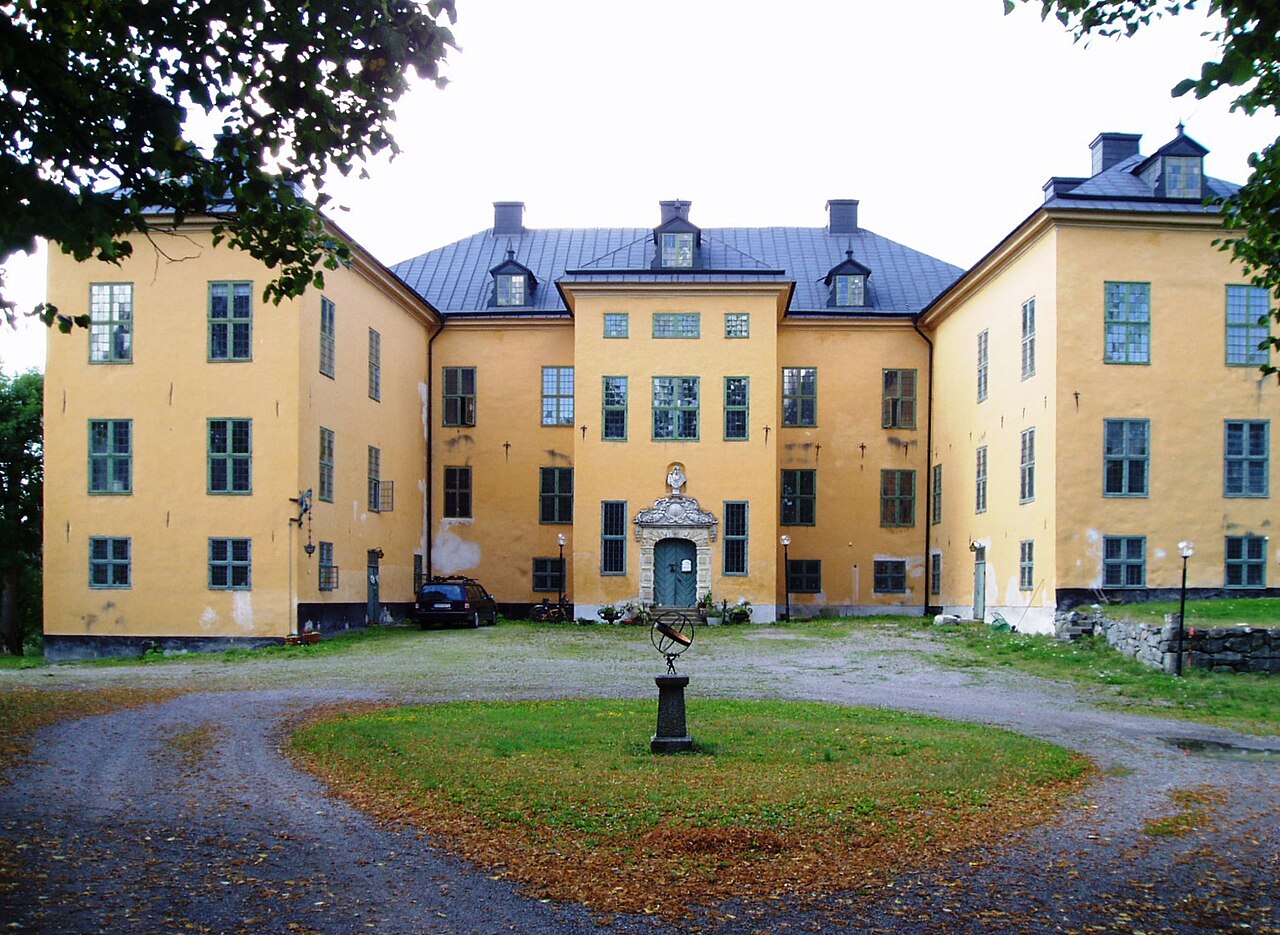
Lejondal Castle is a striking example of a modern Swedish manor house situated on the scenic shores of Lake Lejondals in Upplands-Bro, Sweden. Completed in 1892, it stands as one of the youngest castles in Sweden, embodying architectural elegance and noble history. The castle was commissioned by Louise De Geer (1856-1935), a member of the influential De Geer family, and designed by the renowned architect Professor Isak Gustaf Clason (1856-1930), who also created other significant Swedish landmarks such as the Hallwyl Palace and the Nordic Museum.
Architectural style and design influences
The castle’s design is predominantly inspired by the Wasa style, a historic Swedish architectural style that references the Renaissance period of the 16th and early 17th centuries. However, the building also incorporates elements from other architectural movements, showcasing a blend of styles that reflect the eclectic tastes of the late 19th century. This fusion is evident in the castle’s detailed facades, ornamental features, and the careful integration of traditional Swedish motifs with contemporary design trends of the time.
Notable architectural features
Lejondal Castle features an imposing yet elegant structure characterized by steeply pitched roofs, intricate brickwork, and finely crafted wooden details. The castle’s silhouette is marked by multiple gables and dormer windows that add depth and complexity to its profile. The interiors were richly decorated by Louise De Geer herself, who incorporated family heraldry prominently, including the coats of arms of the Sparre and De Geer families, symbolizing the union of two noble lineages.
Historical background and ownership lineage
The history of the estate on which Lejondal Castle stands dates back to the early 1400s when it was known as Bro-Lövsta. At that time, it was owned by Queen Philippa of England, who was queen consort of Sweden, Norway, and Denmark through marriage to King Eric of Pomerania. The property remained significant through the centuries, and in the 17th century, it was renamed Lejondal by Erik Abrahamsson Leijonhufvud (Lion’s head), who adapted the estate’s name to reflect his own family name.
Louise De Geer acquired the estate in the late 19th century and commissioned the current castle building. She sold the property in 1914, after which it passed through several owners. Despite these changes, the castle has retained much of its original character and charm, preserving its connection to Sweden’s noble heritage.
Louise De Geer and her influence
Louise De Geer, born Louise Sparre, was a prominent figure in Swedish society and played a key role in the castle’s aesthetic and cultural identity. Her personal taste and attention to detail are reflected in the castle’s interiors and gardens. The presence of the family arms within the castle underscores her pride in her noble ancestry and the merging of two important Swedish families.
Location and surroundings
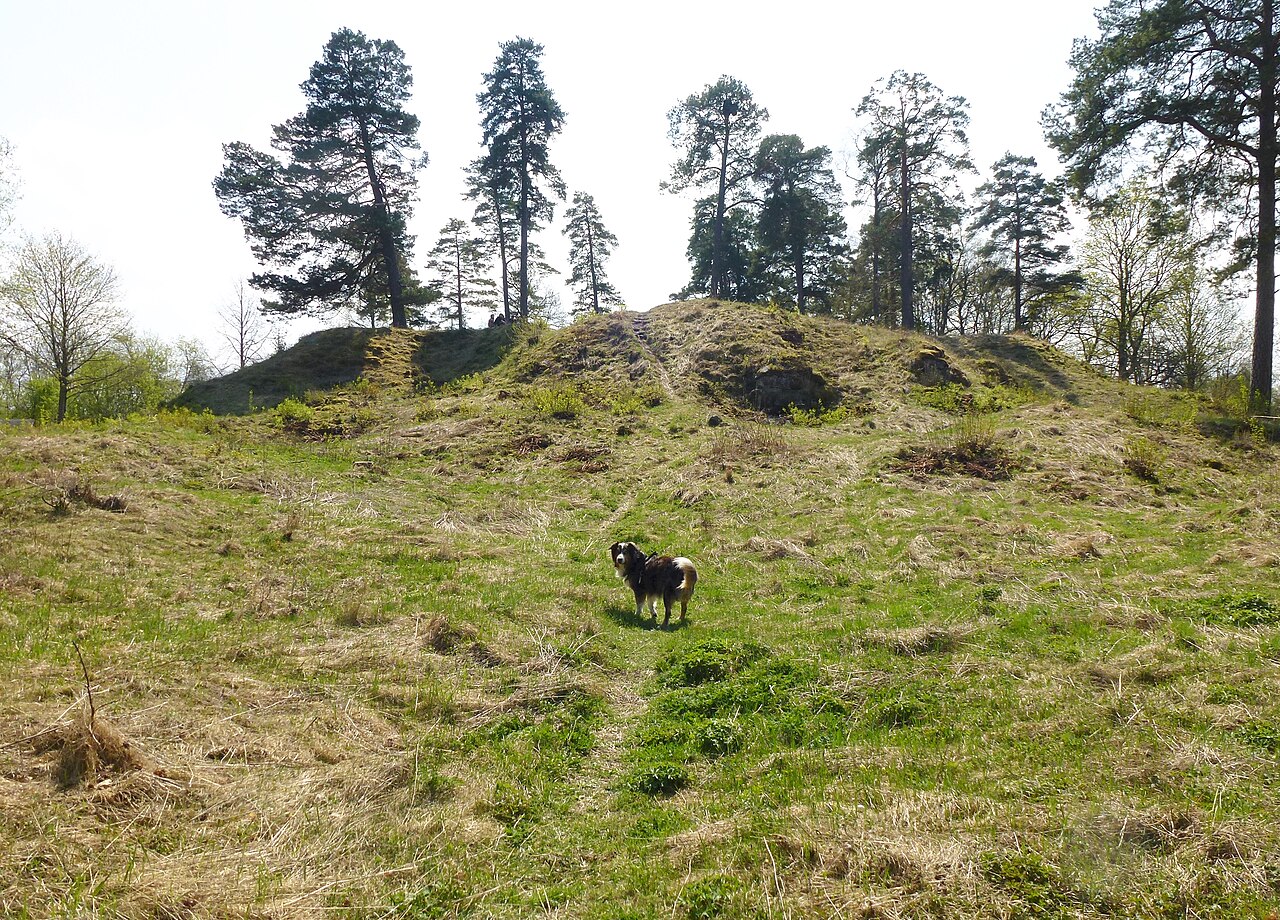
Lejondal Castle enjoys a picturesque setting on the banks of Lake Lejondals, offering serene views and a tranquil environment. The surrounding landscape includes well-maintained gardens and parklands that complement the castle’s architectural elegance. Its location in Upplands-Bro places it within easy reach of Stockholm, making it an accessible example of Sweden’s historic manor houses for visitors and scholars interested in Swedish noble estates and architectural history.
Preservation and current status
As a modern period castle completed in the late 19th century, Lejondal Castle is well preserved, maintaining much of its original structure and decorative elements. The castle stands as a testament to the architectural innovation of its time and the enduring legacy of the De Geer family. While it has changed ownership multiple times since 1914, efforts have been made to preserve its historical and architectural integrity.
Frequently asked questions (FAQ)
- What is the architectural style of Lejondal Castle?
- Lejondal Castle primarily features the Wasa style with influences from other architectural movements of the late 19th century, designed by Isak Gustaf Clason.
- When was Lejondal Castle built and by whom?
- The castle was built in 1892 by Louise De Geer, with architect Isak Gustaf Clason overseeing its design.
- Where is Lejondal Castle located?
- Lejondal Castle is located in Upplands-Bro, Stockholm County, Sweden, on the shores of Lake Lejondals.
- What historical significance does the site of Lejondal Castle have?
- The estate dates back to the early 1400s, once owned by Queen Philippa of England and later renamed by Erik Abrahamsson Leijonhufvud in the 17th century.
- Is Lejondal Castle open to the public?
- Currently, there is no public visiting information available, so potential visitors should check local resources for access details.
Information
Sources & official resources
Verify the information above using these authoritative references.
Loading map...
Visitor reviews
No reviews yet. Been here? Write the first review and help other travelers!
Write the first reviewVisited this castle? Share your experience
Your review helps other travelers and adds first-hand knowledge to our encyclopedia.