Venetian Acropolis Castle
Venetian Acropolis Castle, locally called Kalaja Venedikase e Akropolit, stands on the highest hill of the Butrint peninsula in southern Albania, near the town of Ksamil in Vlorë County. This castle is located within the extensive archaeological park of the ancient city of Buthrotum (Butrint), a site recognized as a UNESCO World Heritage Site for its rich historical and cultural significance.
The origins of Butrint date back to between the 10th and 8th centuries BC, making it one of the oldest settlements in the region. The city was strategically positioned on a small peninsula surrounded by Lake Butrint and a natural channel linking the lake to the Ionian Sea. The location of the Venetian Acropolis Castle was originally the site of the ancient acropolis, the fortified upper part of the city that served as a defensive stronghold and religious center in antiquity.
Historical context and Venetian acquisition
In 1386, the city of Butrint was purchased by the Republic of Venice from the Angevin rulers of Italy, alongside the nearby island of Corfu. To secure their new possession, the Venetians constructed the Venetian Acropolis Castle on the acropolis site. Although the original Venetian fortress was likely larger than the current remains, it was designed as a defensive bastion to protect Venetian interests in the region.
Despite this strategic investment, Venetian priorities lay more with Corfu, and Butrint gradually declined in importance. The castle and town suffered damage during the frequent 15th and 16th century conflicts between the Venetian and Ottoman empires, which weakened the fortress and contributed to the abandonment of the settlement.
Architectural features and later developments
The Venetian Acropolis Castle was built on the ruins of earlier fortifications, incorporating medieval defensive elements typical of early medieval military architecture. Its position on the hilltop provided commanding views of the surrounding waters and land approaches, critical for surveillance and defense.
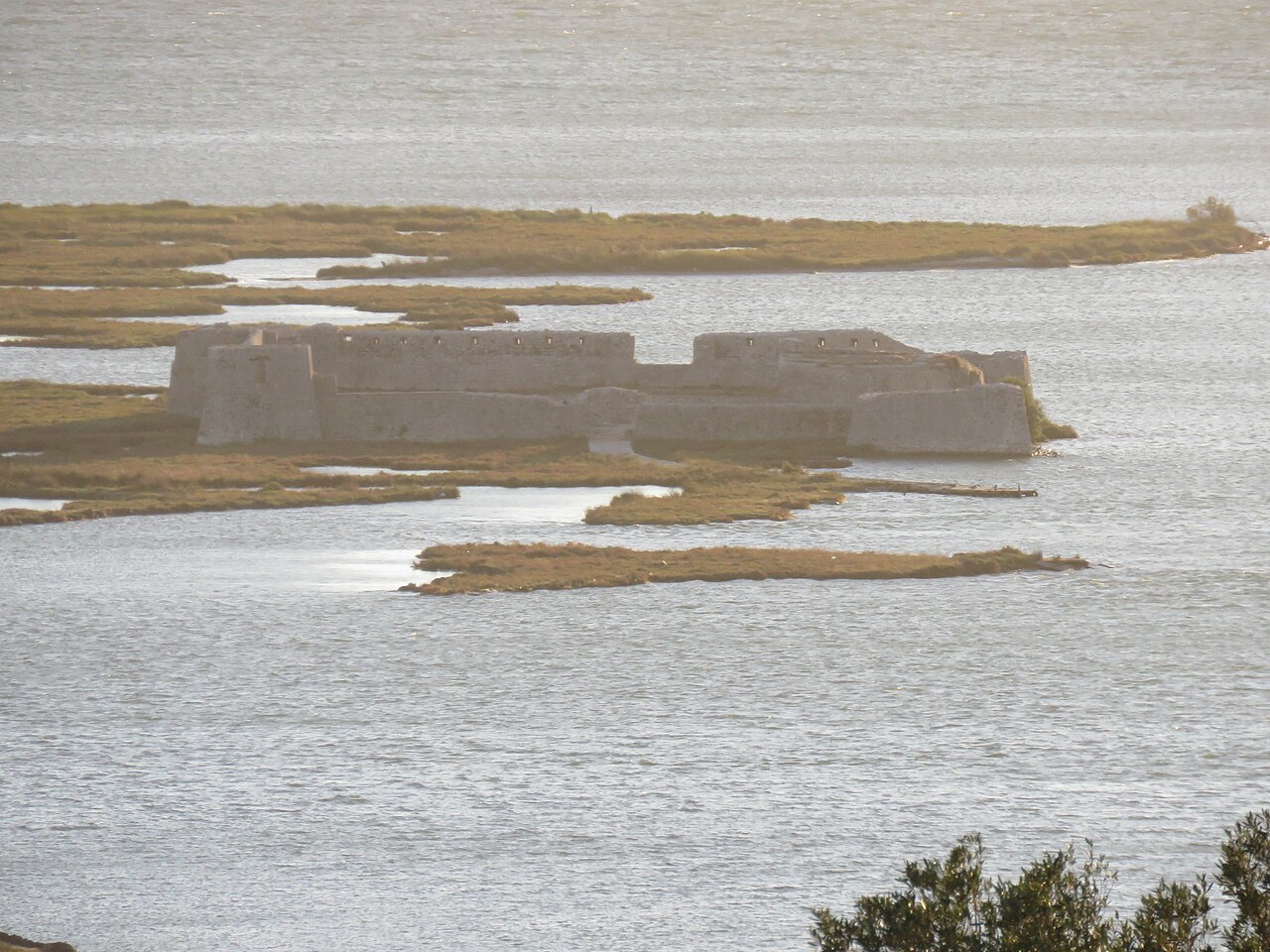
In response to the strategic importance of the lake and channel for fishing and trade, the Venetians later constructed the Venetian Triangular Castle near the channel in the late 15th century. This newer fortress took over administrative and defensive functions, leading to the eventual abandonment of the Acropolis Castle by 1572.
20th-century reconstruction and museum establishment
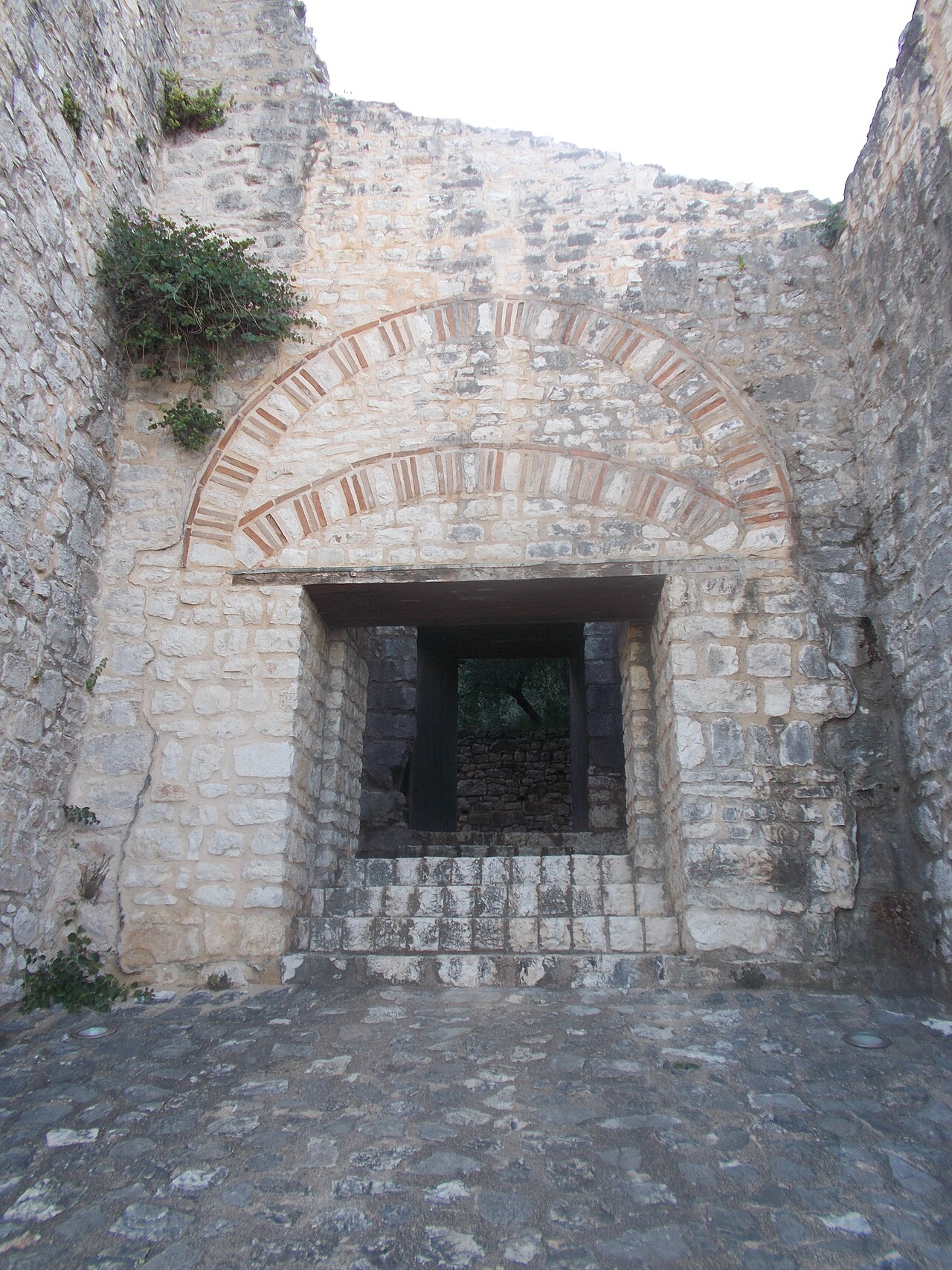
Between 1931 and 1940, the present structure known as the Venetian Acropolis Castle was built by the Italian Archaeological Mission. This construction was an imitation of the original Venetian castle, erected on the ruins of the former residence of the Venetian governor. The reconstruction aimed to preserve the historical significance of the site and provide a tangible connection to its Venetian past.
In 2005, a museum was opened within the basement and inner courtyard of the castle, showcasing archaeological finds and the history of Butrint and its fortifications. Visitors to the castle can explore the museum exhibits, although the interior of the keep itself is not accessible to the public.
Visiting the Venetian Acropolis Castle and related sites
The castle is part of the Butrint National Park archaeological complex, and access is included with the park's entrance ticket. The park offers visitors a unique opportunity to explore multiple historic fortifications, including the Venetian Tower within the archaeological site, the nearby Venetian Triangular Castle across the channel, and the Ali Pasha Castle located on a small islet at the mouth of the Butrint Channel.
While the castle's interior keep is closed, the site provides exceptional views of the surrounding landscape and insight into the layered history of Venetian and earlier occupations. The combination of the castle and the archaeological park presents a comprehensive experience of Albania's medieval and ancient heritage.
Frequently asked questions (FAQ)
- How do I visit the Venetian Acropolis Castle?
- The castle is accessible as part of the Butrint National Park archaeological site. Visitors must purchase an entrance ticket to the park, which includes access to the castle grounds. The interior keep is not open to the public.
- What is the historical significance of the Venetian Acropolis Castle?
- The castle was built by the Venetians in the late 14th century to secure their possession of Butrint after purchasing it from the Angevins. It reflects the strategic importance of the site during the Venetian-Ottoman conflicts in the 15th and 16th centuries.
- When was the current Venetian Acropolis Castle structure built?
- The existing castle was reconstructed between 1931 and 1940 by the Italian Archaeological Mission as a replica of the original Venetian fortress on the site of the former governor's residence.
- Can I visit other castles near the Venetian Acropolis Castle?
- Yes, nearby fortifications include the Venetian Triangular Castle across the channel and Ali Pasha Castle on a small islet at the mouth of the Butrint Channel, all accessible within the Butrint National Park area.
- What are the opening hours and ticket prices for the Venetian Acropolis Castle?
- The castle and archaeological park are open daily from 08:00 to 19:00. Entrance to the castle is included in the Butrint National Park ticket price, which varies seasonally.
Information
Opening hours
08:00-19:00, daily
Ticket prices
Included in Butrint National Park entrance fee
Current owner
Butrint National Park
Loading map...
Visitor reviews
No reviews yet. Been here? Write the first review and help other travelers!
Write the first reviewVisited this castle? Share your experience
Your review helps other travelers and adds first-hand knowledge to our encyclopedia.