Ali Pasha Castle
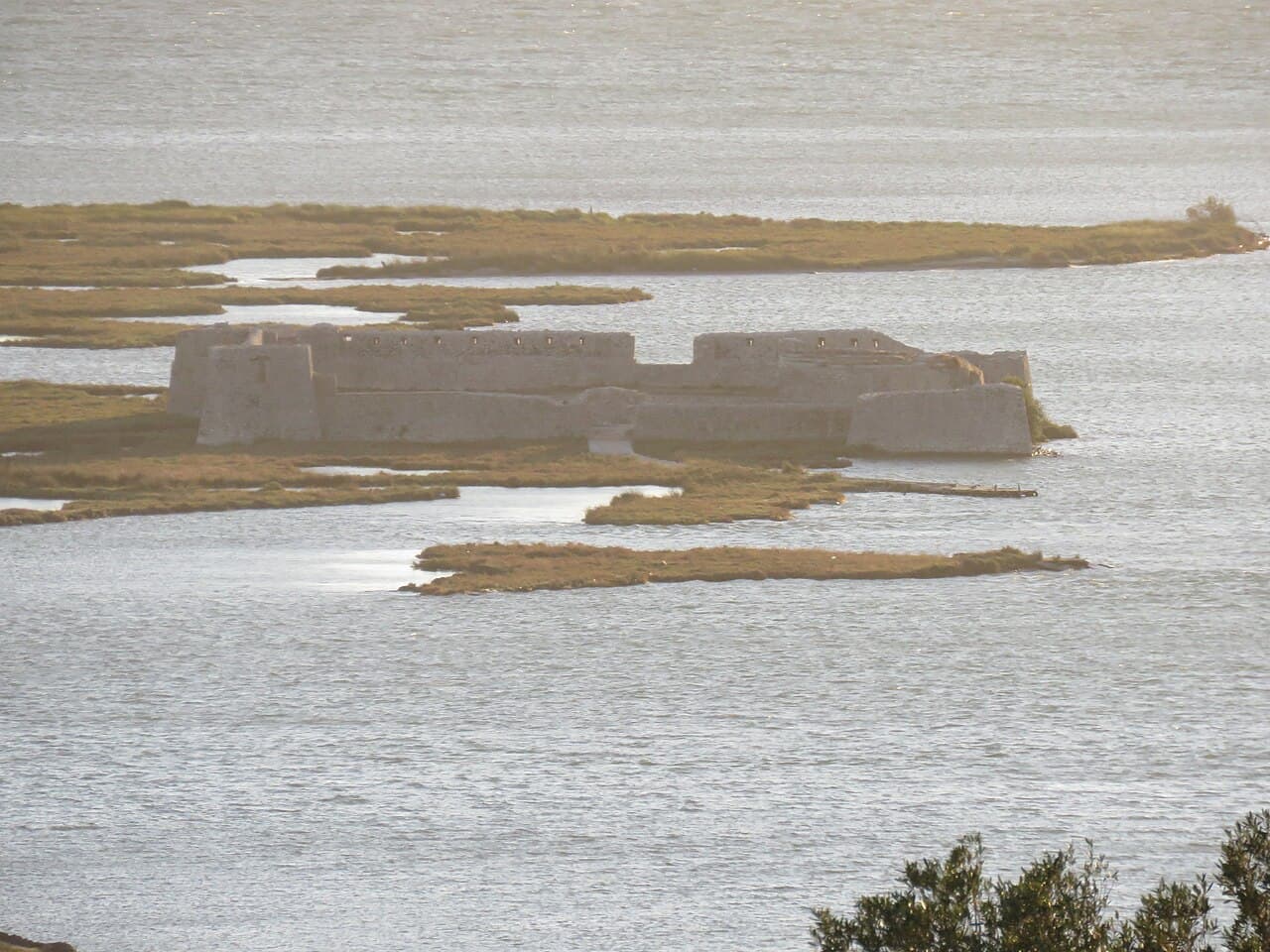
Ali Pasha Castle, locally known as Kalaja e Ali Pashës, is a historic bastioned fortress situated on a small islet at the mouth of the Vivari Channel near the town of Ksamil in the Vlorë County of Albania. This strategic location connects Lake Butrint to the Ionian Sea and lies within the bounds of the Butrint National Park, a protected area known for its rich natural and archaeological heritage.
Historical background and strategic importance
The castle's origins trace back to the late 17th or early 18th century, when it was initially established as a fortified farmstead by a family from the nearby Greek island of Corfu. The site was chosen for its natural defensive advantages, surrounded partially by wetlands and water, making it a natural bastion controlling maritime access to the ancient city of Butrint, a significant cultural and trading center in antiquity.
In 1804, the fortress was seized by Ali Pasha of Ioannina, an Albanian ruler who governed with considerable autonomy under the Ottoman Empire. Ali Pasha undertook significant enhancements to the structure, reinforcing its defenses and installing gun batteries to control naval passage through the channel. Despite its modest size, the castle played a role in regional power dynamics by overseeing access from the sea to Butrint.
Architectural features and fortifications
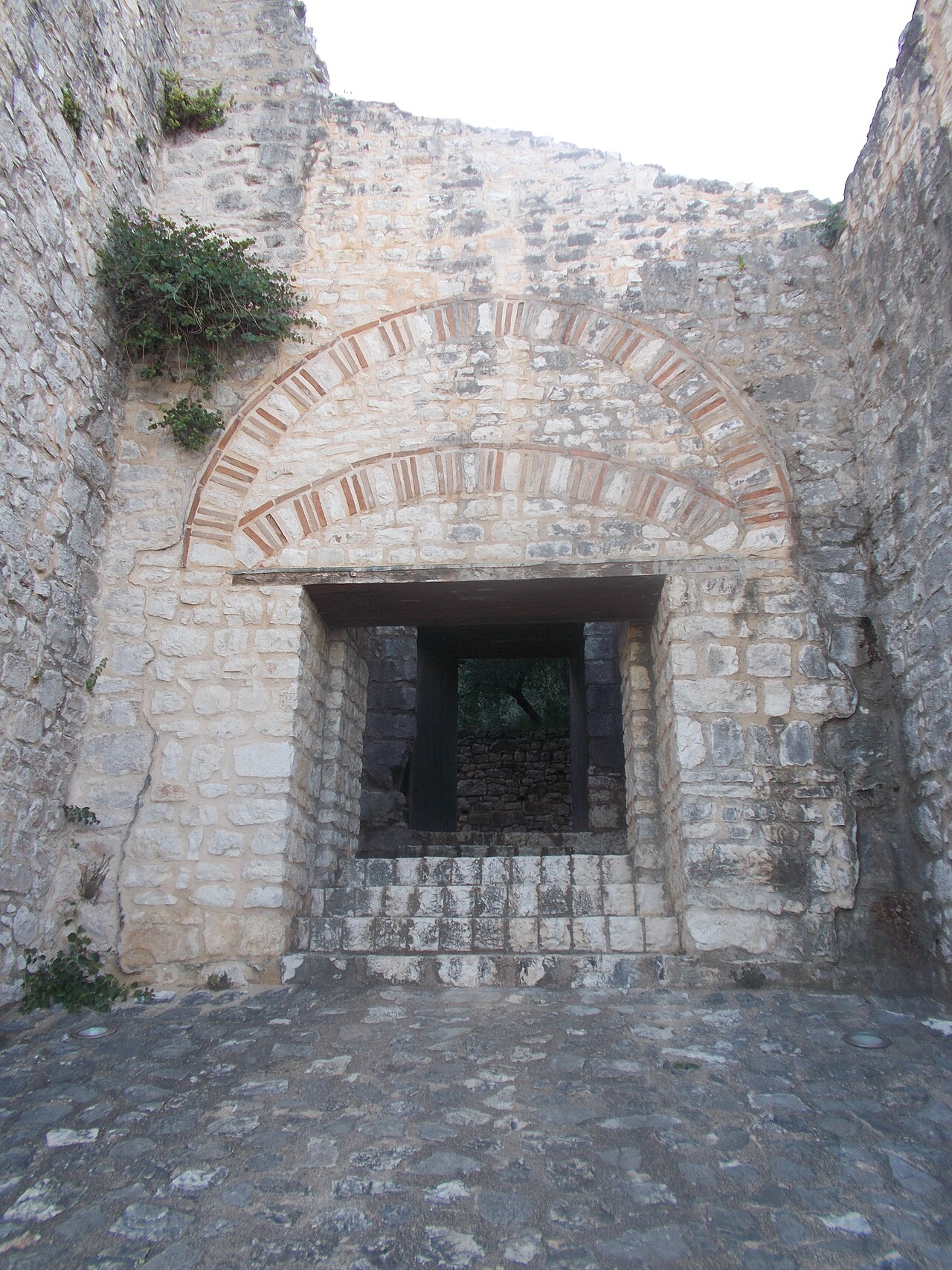
The existing fortress was largely rebuilt in 1819 under Ali Pasha's direction. It features a bastioned design typical of the post-Renaissance military architecture, characterized by angular bastions that allowed for better defense against artillery fire. The castle comprises three towers arranged to cover the approaches by sea and land, with thick stone walls adapted to withstand cannon bombardment.
Originally, the site had Venetian fortifications dating from the late 15th or early 16th century, serving as a stronghold for the Venetian Republic to exploit the natural resources of the Butrint area, including fishing, grazing, olives, and timber. The Venetian castle was a focal point of conflict between Venice and the expanding Ottoman Empire and was destroyed by a retreating French army in 1798 to prevent its capture by Ali Pasha.
The present-day Ali Pasha Castle is distinct from the Venetian fortifications but remains part of the broader defensive network around Butrint, which includes the Venetian Tower, the Venetian Acropolis Castle, and the Venetian Triangular Castle located nearby.
Geographical context and access
Ali Pasha Castle occupies a small islet surrounded by wetlands at the Vivari Channel's mouth, directly opposite the Greek island of Corfu. This position allowed control over the maritime route between the Ionian Sea and Lake Butrint. The castle is accessible only by boat, with local operators offering rides from the ferry point near the entrance to the Butrint archaeological park.
The castle's location within Butrint National Park places it amidst a landscape of ecological and historical significance. The park itself is a UNESCO World Heritage Site, renowned for its archaeological remains from Greek, Roman, Byzantine, and Venetian periods, making the castle part of a rich cultural mosaic.
Ali Pasha's legacy and the castle's role
Ali Pasha of Tepelenë used the castle as his second residence until 1820. While it was not as formidable as his other fortresses in Tepelena, Gjirokastra, and Ioannina, the castle served as a vital outpost for controlling the coastal approaches and maritime activities in the region. Its gun batteries and bastioned walls reflected the military technologies of the early 19th century, emphasizing artillery defense.
The castle's strategic function was primarily to regulate access to Butrint from the sea, supporting Ali Pasha's broader ambitions in Epirus and southern Albania. After his fall in 1820, the fortress gradually lost military significance and eventually fell into disuse.
Visiting Ali Pasha Castle today
Today, Ali Pasha Castle is freely accessible to visitors interested in its historical and architectural features. Reaching the castle requires a short boat trip from the mainland, often arranged by local guides near the archaeological park entrance. Visitors can explore the remains of the bastioned fortress and enjoy panoramic views of the Vivari Channel and the surrounding wetlands.
The castle is part of a larger tourist itinerary that includes the ancient city of Butrint and its archaeological park, which features ruins from Greek, Roman, and Venetian periods. Nearby fortifications such as the Venetian Tower and the Venetian Acropolis Castle offer further insight into the region's complex history of military architecture and control.
Ali Pasha Castle's blend of natural setting, historical significance, and architectural interest makes it a noteworthy destination for those exploring Albania's coastal heritage and the legacy of Ottoman and Venetian influence in the region.
Frequently asked questions (FAQ)
- What is the historical significance of Ali Pasha Castle?
- Ali Pasha Castle, built in the early 19th century, is a remarkable example of Ottoman military architecture. It served as a strategic fortification for Ali Pasha, a prominent figure in Albanian history, reflecting the power dynamics of the region during that era.
- When was Ali Pasha Castle constructed?
- Ali Pasha Castle was constructed between 1819 and 1820. It was designed to showcase both military strength and architectural beauty, making it a notable landmark in the history of Albania.
- Can I visit Ali Pasha Castle year-round?
- Yes, Ali Pasha Castle is open to visitors throughout the year. However, it's advisable to check local conditions and any seasonal events that may affect accessibility.
- What are the opening hours for Ali Pasha Castle?
- The castle typically opens at 9 AM and closes at 6 PM, but hours may vary depending on the season. It's recommended to confirm the current hours before your visit.
- Is there an entrance fee to visit Ali Pasha Castle?
- Yes, there is a small entrance fee to visit Ali Pasha Castle, which helps with its maintenance and preservation. The ticket prices are generally affordable, making it accessible for all visitors.
- When is the best time to visit Ali Pasha Castle?
- The best time to visit Ali Pasha Castle is during the spring and fall months when the weather is mild and pleasant. These seasons also offer fewer crowds, allowing for a more enjoyable experience.
- What nearby attractions can I explore while visiting Ali Pasha Castle?
- While visiting Ali Pasha Castle, you can also explore the beautiful beaches of Ksamil and the ancient ruins of Butrint National Park, both of which are within a short drive. These attractions provide a perfect blend of history and natural beauty for visitors.
- Is Ali Pasha Castle accessible for individuals with mobility challenges?
- The castle features some uneven terrain and stairs, which may pose challenges for individuals with mobility issues. It is advisable to contact local authorities for specific accessibility options and assistance before planning your visit.
Photo gallery

Information
Loading map...
Visitor reviews
No reviews yet. Been here? Write the first review and help other travelers!
Write the first reviewVisited this castle? Share your experience
Your review helps other travelers and adds first-hand knowledge to our encyclopedia.