Vecdole
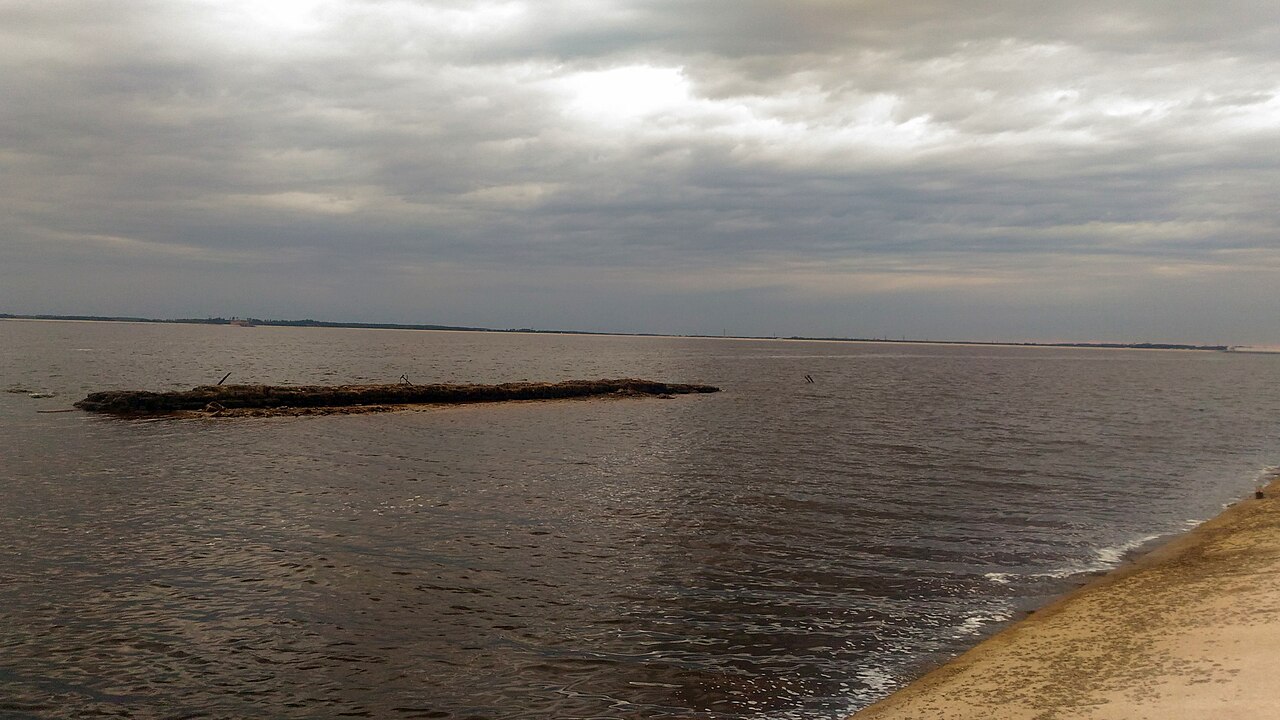
Vecdole Castle, also known as Schloss Alt-Dahlen, stands as a significant medieval fortress located in Vecdole, Salaspils novads, Latvia. Established in the early 13th century, it is among the oldest castles that guarded the bishopric of Riga alongside Holme Castle. Strategically positioned originally on an island in the Daugava River, the castle played a crucial role in controlling river navigation, a vital trade and military route during the High Medieval period.
The castle's origins trace back to the early 1200s when the bishop of Riga granted the lands to his vassal, the knight Johannes de Dolen. The first written record of Vecdole Castle appears in 1226, describing a conflict where the papal legate confiscated the castle from Johannes de Dolen due to unauthorized military expeditions into Estonia, subsequently transferring ownership to the city of Riga. Despite this, by 1276 the Dole family had regained control, indicating the papal order was not fully enforced. This history reflects the turbulent political and military environment of the Baltic region during the 13th century.
Architectural features and layout
Vecdole Castle was constructed on the northern part of the island, atop a high bank of the Daugava River. The castle's plan was a rectangular layout measuring approximately 40 by 27 meters. It was encircled by a robust stone curtain wall about 1.2 to 1.3 meters thick, providing strong defensive capabilities against attacks.
The main entrance was located on the eastern wall. Adjacent to the gate on the right stood a wooden guardhouse built on a stone foundation measuring 3.5 by 3.5 meters, serving as the watch post for the castle’s defenders. In the northwest corner of the courtyard, facing the river, was a building approximately 5 by 4.5 meters with solid foundations, likely functioning as a defensive tower.
In the southwest corner, the residential building was positioned, notable for its cellar equipped with a hypocaust heating system—a rare and early example on Latvian soil. This hypocaust was heated externally, demonstrating advanced medieval heating technology. Other buildings within the courtyard were primarily wooden and served agricultural and support functions.
During a later expansion phase, a new building measuring 7.3 by 7 meters was appended to the outside of the western curtain wall, indicating ongoing development and adaptation of the castle’s defenses and facilities.
Historical significance and events
In 1288, the castle was transferred by Archbishop Jan II to the Riga Cathedral Chapter, signifying its importance within ecclesiastical territorial holdings. The castle’s strategic value became particularly evident during the conflict between the Archbishop and the city of Riga against the Teutonic Order in 1297. During this war, Riga's citizens destroyed several Teutonic strongholds, but the following year the Order retaliated by capturing and heavily damaging bishopric castles including Vecdole.
In response to the destruction, Pope John XXII issued a decree on 23 February 1318 ordering the Teutonic Order to return all seized episcopal castles, including Vecdole. However, it appears that Vecdole Castle was not fully restored after this period. Instead, a new castle was constructed in the southern part of the island, marking a shift in the defensive strategy of the bishopric.
Despite the castle’s decline, the island remained under the ownership of the Riga Cathedral Chapter until its dissolution in 1566. This long ecclesiastical tenure reflects the castle’s enduring role in regional governance and defense.
Current condition and archaeological remains
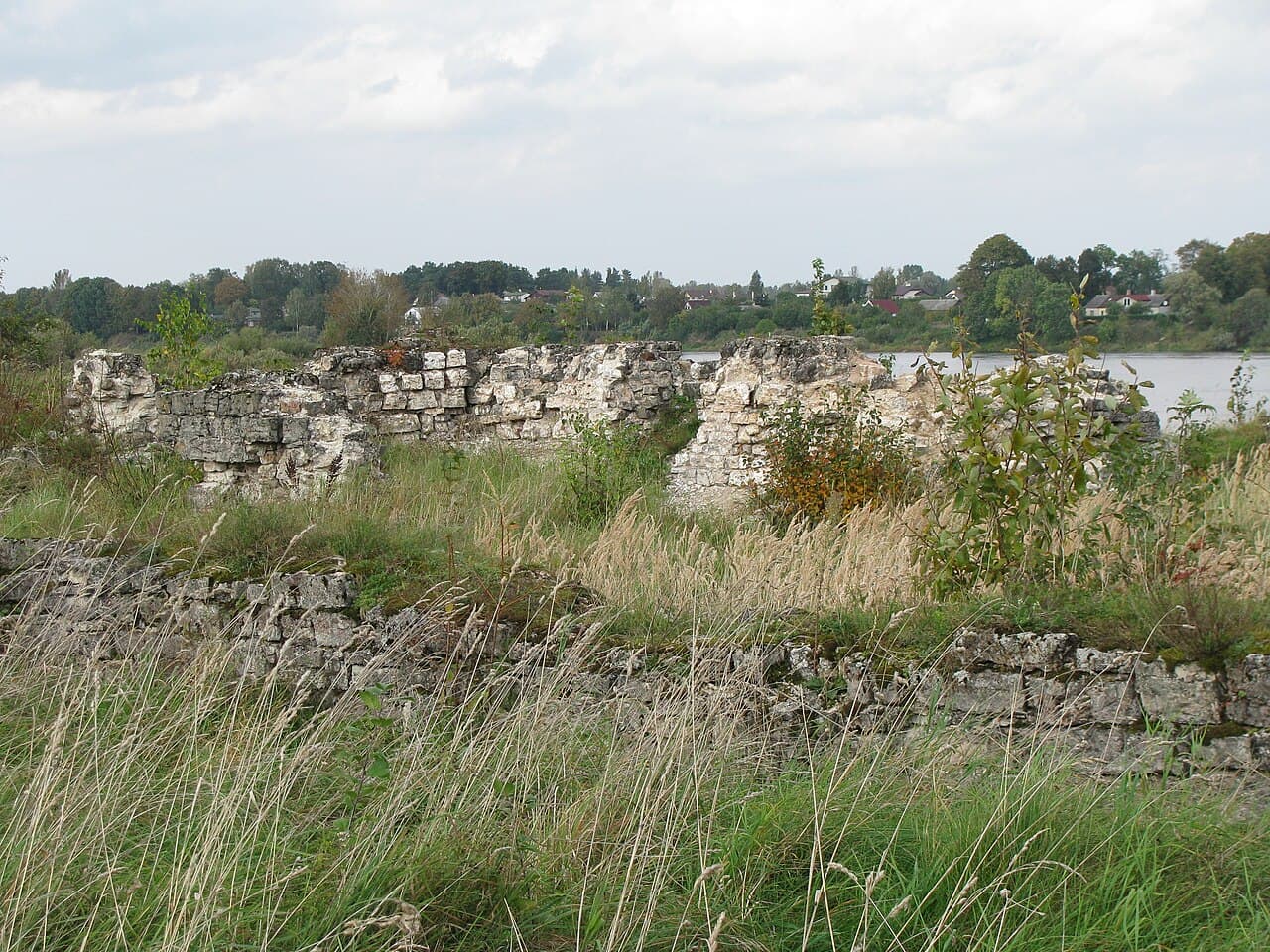
Today, Vecdole Castle survives primarily as partial ruins. The island on which it was built is now connected to the mainland, altering the original insular defensive advantage. Excavations have revealed remnants of the castle walls standing approximately one meter high along the riverbank. These stone ruins provide valuable insights into the castle’s original structure and defensive layout.
The site offers a tangible link to the High Medieval period in Latvia and serves as an important cultural heritage monument. While the castle is not fully preserved, the remaining structures and archaeological findings contribute significantly to understanding medieval fortifications and the historical landscape of the Baltic region.
Vecdole Castle in the context of Baltic medieval castles
Vecdole Castle exemplifies the typical hill castle type common in the Baltic region during the 13th century, combining natural topographical advantages with man-made fortifications. Its strategic placement on the Daugava River highlights the importance of controlling riverine trade routes and military movements during the High Medieval era.
The use of stone curtain walls, defensive towers, and advanced heating systems like the hypocaust reflects the integration of contemporary European castle-building techniques adapted to local conditions. The castle’s history of ownership disputes, military conflicts, and ecclesiastical control mirrors the complex political and religious dynamics of medieval Livonia.
Architectural innovations
The hypocaust heating system found in the residential building’s cellar is particularly noteworthy. This technology, which involves circulating warm air beneath floors and within walls, was an uncommon feature in Baltic castles, indicating a higher standard of comfort and sophistication.
Additionally, the combination of wooden and stone structures within the castle illustrates a pragmatic approach to construction, balancing durability with available resources.
Legacy and cultural importance
Though largely in ruins, Vecdole Castle remains a symbol of Latvia’s medieval heritage. It offers historians, archaeologists, and visitors a glimpse into the military architecture and feudal society of the time. The castle’s role in regional defense, ecclesiastical power, and medieval warfare underscores its significance in Latvian history.
Ongoing archaeological efforts continue to uncover details about the castle’s layout and usage, contributing to broader knowledge of medieval fortifications in the Baltic states.
Frequently asked questions (FAQ)
- How do I get to Vecdole Castle?
- Vecdole Castle is located in Vecdole, Latvia, easily accessible by car or public transport. If you're coming from Rīga, the capital, it’s about a 45-minute drive, and local buses also run services to the area, making it convenient for visitors.
- What is the historical significance of Vecdole Castle?
- Vecdole Castle dates back to the 14th century and is notable for its role in the region's history, serving as a noble residence and a military fortress. It reflects the architectural styles of its time and has undergone various renovations, showcasing the evolution of Latvian heritage.
- When was Vecdole Castle built?
- The construction of Vecdole Castle began in the 14th century, specifically around 1350. Over the centuries, it has seen numerous expansions and modifications, illustrating the changing architectural trends and historical events in Latvia.
- Can I enter Vecdole Castle?
- Yes, visitors can enter Vecdole Castle during the designated opening hours. Guided tours are available, offering insight into the castle’s history and architecture, allowing you to fully appreciate its significance.
- Why is Vecdole Castle popular among tourists?
- Vecdole Castle is popular due to its rich history and stunning architecture, which draws history enthusiasts and architecture lovers alike. Its picturesque setting by the river also makes it a favored spot for photography and leisurely exploration.
- Is it possible to visit Vecdole Castle year-round?
- Yes, Vecdole Castle is open for visitors year-round, although operating hours may vary with the seasons. It’s best to check the official website for current opening times and any special events that may be taking place.
- What are the ticket prices for Vecdole Castle?
- Ticket prices for Vecdole Castle are generally affordable, with discounts often available for students and seniors. It's advisable to check the latest pricing details on their official website or at the entrance before your visit.
- What are the nearby attractions to Vecdole Castle?
- Nearby attractions include the beautiful landscapes of the surrounding countryside and other historical sites. You can also explore local parks and enjoy the serene environment that enhances your visit to the castle.
- What is the best time to visit Vecdole Castle?
- The best time to visit Vecdole Castle is during the spring and summer months when the weather is pleasant and the gardens are in full bloom. Additionally, various events and festivals often occur during these seasons, enriching your experience.
- Are there any accessibility options at Vecdole Castle?
- Vecdole Castle strives to be accessible to all visitors, with facilities in place for those with mobility challenges. It's recommended to contact the castle administration in advance to ensure a comfortable visit.
Photo gallery

Information
Loading map...
Visitor reviews
No reviews yet. Been here? Write the first review and help other travelers!
Write the first reviewVisited this castle? Share your experience
Your review helps other travelers and adds first-hand knowledge to our encyclopedia.