Vaxholm Castle
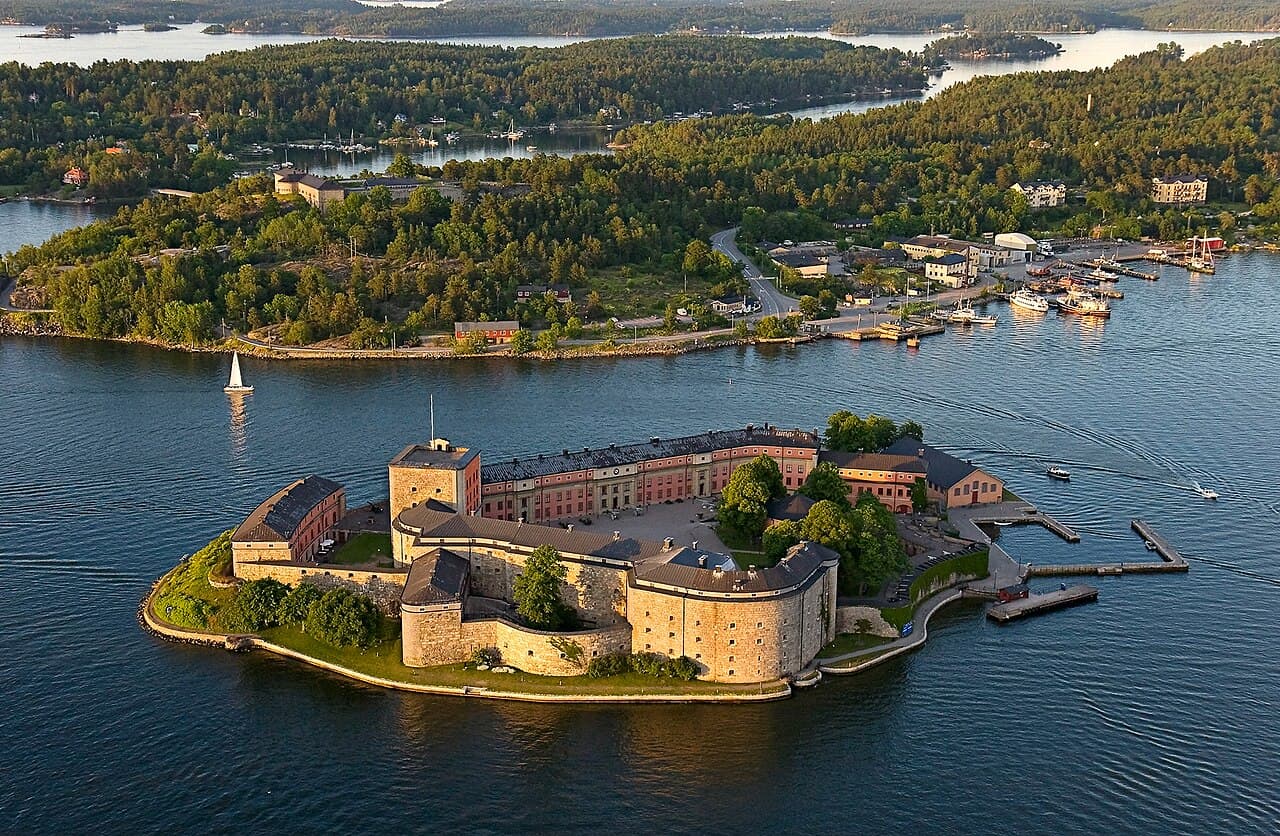
Vaxholm Castle, also known as Vaxholm Fortress (Swedish: Vaxholms fästning), is a significant bastioned fortress located on the island of Vaxholmen in the Stockholm archipelago, just east of the town of Vaxholm in Stockholms län, Sweden. Originally constructed in 1544 under the reign of King Gustav Vasa, its primary purpose was to protect the Swedish capital, Stockholm, from naval attacks coming from the Baltic Sea to the east. The fortress occupies a strategic position overlooking the narrow sea channel that was historically the main maritime route to Stockholm, making it a critical defensive installation for centuries.
Early history and strategic importance
The initial construction of Vaxholm Castle was part of King Gustav Vasa's efforts to strengthen Sweden's coastal defenses during the renaissance period. The fortress was designed to guard against the threat of foreign fleets, particularly from Denmark and Russia, who sought control over the Baltic Sea. Its location on the island of Vaxholmen allowed it to command the waterway and effectively control naval traffic approaching Stockholm.
Throughout its early history, the fortress was involved in several military engagements. Notably, it was attacked by the Danish forces in 1612 during the Kalmar War and later by the Russian navy in 1719 amid the Great Northern War. These assaults underscored the fortress's role as a frontline defense point protecting the Swedish capital.
Architectural evolution and 19th-century reconstruction
While the original fortress was built in the mid-16th century, much of the current structure dates from a major reconstruction phase between 1833 and 1863. This extensive rebuilding transformed Vaxholm Castle into a modern bastioned fortress, adapting it to new military technologies and artillery tactics of the 19th century. The design incorporated star-shaped bastions, thick ramparts, and advanced defensive works typical of bastioned fortresses, which were intended to withstand cannon fire and provide overlapping fields of fire.
The fortress's layout includes multiple bastions connected by curtain walls, a moat surrounding the island, and fortified gates. These features reflect the military engineering principles of the time and represent a significant evolution from the original medieval-style fortification. The renovations ensured that Vaxholm remained a formidable coastal defense point well into the 19th century.
Decline of military use and cultural significance
By the mid-19th century, advances in naval warfare and changes in military strategy led to a decline in the fortress's military importance. It was eventually decommissioned as an active military installation. However, Vaxholm Castle retained its historical and cultural significance, becoming a symbol of Sweden's maritime heritage and coastal defense history.
Today, the fortress houses the Swedish National Museum of Coastal Defence, which preserves and presents the history of Sweden's coastal fortifications and naval defense. The museum offers visitors insights into the fortress's construction, military role, and the broader context of Sweden's maritime security.
Vaxholm castle in popular culture and tourism
Vaxholm Castle has also appeared in popular culture. In 1970, it served as a filming location for the pirate stronghold in the movie Pippi in the South Seas (also known as Pippi Longstocking in Taka-Tuka Land). This association has added to the fortress's appeal as a tourist destination.
The fortress is accessible via the Kastellet ferry, an electrically powered cable ferry that crosses the narrow channel from Vaxholm town to the island of Vaxholmen. Visitors can enjoy scenic views of the fortress from the ferry route between Vaxholm and the nearby island of Rindö, making it a popular site for both history enthusiasts and casual tourists exploring the Stockholm archipelago.
Architectural features and layout
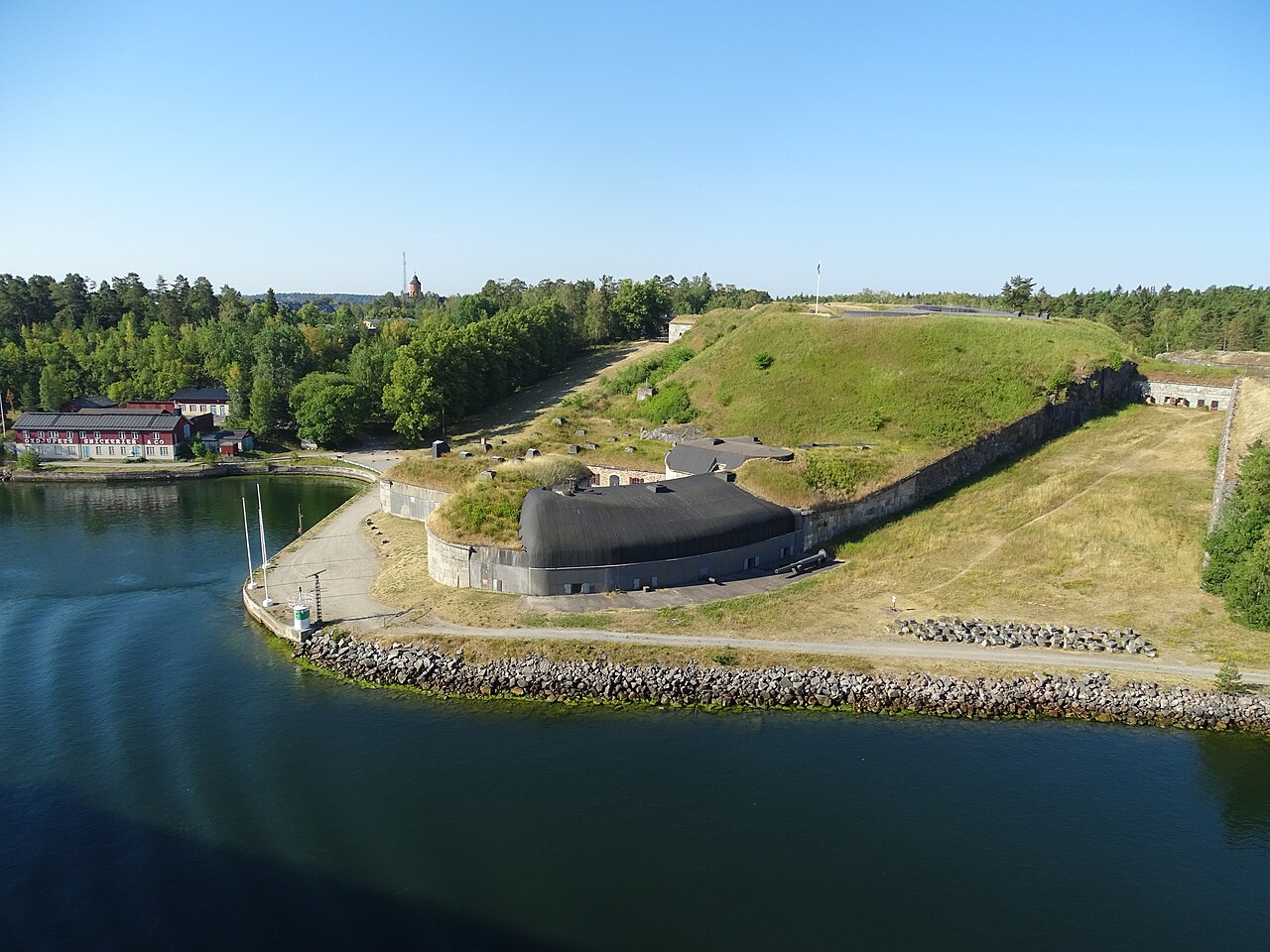
The fortress's design showcases typical bastioned fortress architecture with angular bastions projecting from the main walls to allow defensive fire along the curtain walls. The thick stone and brick ramparts were built to absorb artillery impacts, while the moat surrounding the island added an additional layer of defense. The fortress includes several internal buildings such as barracks, powder magazines, and command posts, which supported its operational role.
The star-shaped bastions and the overall layout reflect military engineering advancements from the 19th century, emphasizing both defense and the ability to mount heavy artillery. The fortress's position on an island allowed defenders to control naval access effectively and provided natural protection on all sides except the landward approach.
Visiting information and museum experience
Today, Vaxholm Castle functions as a museum open to the public, offering a unique opportunity to explore a well-preserved example of a bastioned coastal fortress. The museum exhibits include historical artifacts, weaponry, and displays explaining the fortress's role in Sweden's maritime defense history.
Visitors can explore the fortress grounds, including the bastions, ramparts, and internal chambers, gaining insight into the life of soldiers stationed there and the strategic importance of the site. The museum also hosts special exhibitions and educational programs focused on coastal defense and military history.
The castle is typically accessed by the Kastellet ferry from Vaxholm town, which runs regularly during the tourist season. The short ferry ride offers picturesque views of the fortress and the surrounding archipelago, enhancing the visitor experience.
Frequently asked questions (FAQ)
- How do I get to Vaxholm Castle?
- Vaxholm Castle is accessible by ferry from Stockholm, which offers a scenic ride through the archipelago. Alternatively, you can drive to Vaxholm and park nearby, making it easy to visit this historical site.
- What is the historical significance of Vaxholm Castle?
- Vaxholm Castle, built in the 16th century, played a vital role in defending Stockholm against naval attacks. It has served various purposes over the centuries, including a fortress, a prison, and a royal residence.
- When was Vaxholm Castle constructed?
- Construction of Vaxholm Castle began in 1545 under the orders of King Gustav Vasa. Over the years, it has undergone several renovations, reflecting various architectural styles, but its original structure remains a prominent feature.
- Can I visit Vaxholm Castle year-round?
- Yes, Vaxholm Castle is open for visitors throughout the year, though opening hours may vary by season. It's best to check the official website for specific visiting times and any seasonal events.
- Why is Vaxholm Castle a popular tourist attraction?
- Vaxholm Castle's rich history and stunning architecture make it a must-visit destination for history enthusiasts and tourists alike. Its picturesque setting on an island in the archipelago adds to its charm, making it a perfect spot for exploration and photography.
- Is it possible to take guided tours of Vaxholm Castle?
- Yes, guided tours are available, offering visitors insights into the castle's history and architecture. These tours provide a deeper understanding of the castle's significance and are a great way to enhance your visit.
- What are the ticket prices for visiting Vaxholm Castle?
- Ticket prices for Vaxholm Castle are generally affordable, with discounts available for children, students, and seniors. It's advisable to check the official website for the latest pricing and any special offers.
- What are the best times to visit Vaxholm Castle?
- The best time to visit Vaxholm Castle is during the summer months when the weather is warm and the ferry services are fully operational. However, spring and early autumn also offer a lovely atmosphere with fewer crowds.
- Are there any nearby attractions to Vaxholm Castle?
- Yes, nearby attractions include the charming town of Vaxholm, with its shops and cafes, and other historical sites like the Vaxholm Fortress Museum. The surrounding archipelago also offers opportunities for boating, hiking, and enjoying nature.
Photo gallery

Information
Loading map...
Visitor reviews
No reviews yet. Been here? Write the first review and help other travelers!
Write the first reviewVisited this castle? Share your experience
Your review helps other travelers and adds first-hand knowledge to our encyclopedia.