Bogesund Castle

Bogesund Castle in Vaxholm, Sweden
Vaxholm, Sweden
Well Preserved

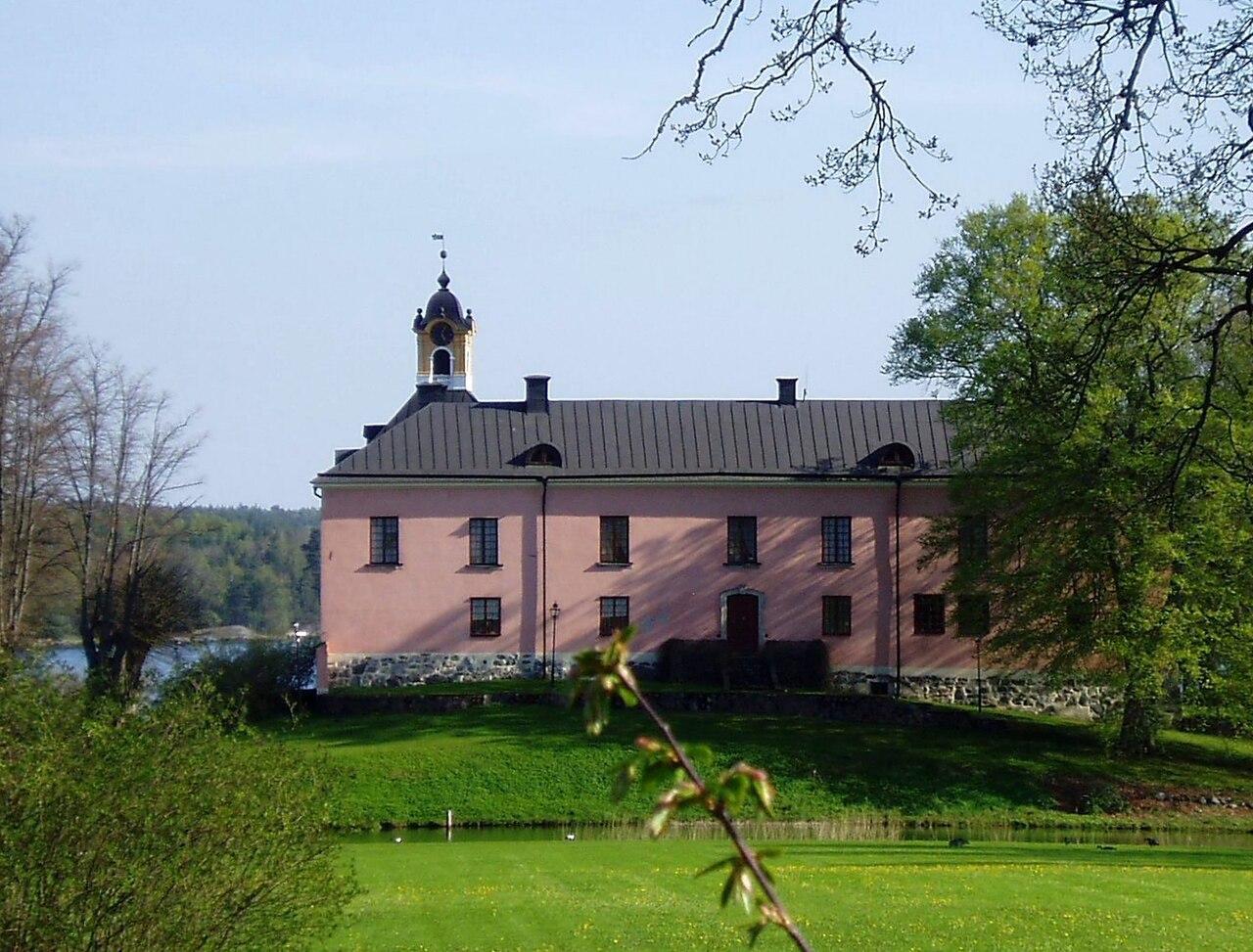
Bogesund Castle is a striking four-storey manor located in Vaxholm, Sweden, originally constructed in the 1640s under the direction of Per Brahe the Younger, a notable Swedish statesman and nobleman. The castle was initially built as a fortified residence reflecting the architectural trends of the early Baroque period in Sweden, combining defensive features with the emerging elegance of the time.

Historical background and ownership

The castle remained under the ownership of the Brahe family until 1739, serving as a symbol of their influence and status in Swedish nobility. Following this period, the estate changed hands multiple times, reflecting the shifting fortunes and social structures of Swedish aristocracy through the centuries.

In the 19th century, Nils von Lantingshausen acquired Bogesund Castle and undertook significant reconstruction efforts. He transformed the castle's appearance by adopting the Norman architectural style, a revivalist style inspired by medieval Norman castles characterized by robust stonework and distinctive towers. This renovation marked a stylistic departure from its original Baroque features, giving the castle a romantic medieval appearance that remains a defining characteristic today.

Architectural features and style

Bogesund Castle's architecture is notable for its four-storey structure that combines both defensive and residential elements. The Norman-style reconstruction introduced elements such as round towers, crenellated battlements, and stone façades that evoke the medieval fortresses of northern Europe. Despite these medieval-inspired features, the castle also retains traces of its original 17th-century design, creating an intriguing blend of styles.

The castle's layout includes a central courtyard surrounded by the main residential buildings and defensive walls, typical of manor houses adapted for both comfort and security. The interior contains richly decorated rooms that reflect the tastes of its various owners through the centuries, including period furnishings and artworks that highlight the cultural heritage of the Swedish nobility.

Current use and visitor experience

Today, Bogesund Castle functions as a venue for weddings and other private events, capitalizing on its picturesque setting and historic ambiance. The castle regularly offers guided tours that allow visitors to explore its architectural features, learn about its history, and appreciate the blend of styles that characterize the building.

The tours provide insight into the castle's construction phases, the lives of its noble inhabitants, and the cultural significance of the estate within the region. Visitors can also enjoy the surrounding grounds, which include landscaped gardens and views over the nearby archipelago, enhancing the overall experience of this historic site.

Location and significance

Situated in Vaxholm, a town known as the gateway to the Stockholm archipelago, Bogesund Castle occupies a strategic and scenic position. The castle's proximity to waterways historically allowed control over maritime routes and contributed to its defensive importance.

As a well-preserved example of a Swedish manor house that evolved architecturally over centuries, Bogesund Castle holds cultural and historical significance. It reflects the shifts in architectural tastes from the 17th century through the 19th-century revival styles, and it stands as a testament to the region's noble heritage.

Frequently asked questions (FAQ)

How do I get to Bogesund Castle?
Bogesund Castle is located in Vaxholm, Sweden, and can be reached by taking a ferry from Stockholm or by driving. The nearest parking is available at the castle grounds, making it convenient for visitors who prefer to travel by car.
When was Bogesund Castle built?
Bogesund Castle was constructed in the early 17th century, specifically between 1630 and 1640. Built by the architect Johan III, the castle is a fine example of the Swedish Renaissance architectural style.
What is the historical significance of Bogesund Castle?
Bogesund Castle holds a significant place in Swedish history as it was originally built as a residence for noble families. It has witnessed various historical events and has been preserved as a symbol of Sweden's architectural heritage.
Can I take a guided tour of the castle?
Yes, guided tours are available at Bogesund Castle, offering visitors an in-depth look at its history and architecture. Tours are usually conducted during the summer months, so it is advisable to check the schedule in advance.
Is Bogesund Castle accessible for visitors with disabilities?
Yes, Bogesund Castle strives to be accessible for all visitors. There are facilities in place to assist those with mobility challenges, including ramps and accessible restrooms.
What are the opening hours for Bogesund Castle?
The opening hours for Bogesund Castle vary throughout the year, typically being open from May to September. It’s recommended to check the official website for the most current hours before planning your visit.
What is the best time to visit Bogesund Castle?
The best time to visit Bogesund Castle is during the summer months, when the weather is pleasant and guided tours are available. Additionally, the surrounding gardens are in full bloom, enhancing the castle's scenic beauty.
Are there any nearby attractions to visit?
Yes, there are several nearby attractions including the charming town of Vaxholm, which is known for its picturesque waterfront and quaint shops. Additionally, you can explore the Vaxholm Fortress, which offers historical insights and beautiful views of the archipelago.
What are the ticket prices for visiting Bogesund Castle?
Ticket prices for Bogesund Castle are generally affordable, with discounts available for children, seniors, and students. It's best to check the official website for the most up-to-date pricing and any special offers.

Information

Lowland Castle

Loading map...

Visitor reviews

No reviews yet. Been here? Write the first review and help other travelers!

Write the first review

Visited this castle? Share your experience

Your review helps other travelers and adds first-hand knowledge to our encyclopedia.
Write a review

(5/5)

0/2000 characters

Your review will be visible after admin approval

Nearby castles

4.4 km
Vaxholm Castle — Sweden castle

Vaxholm Castle

Vaxholm, Sweden

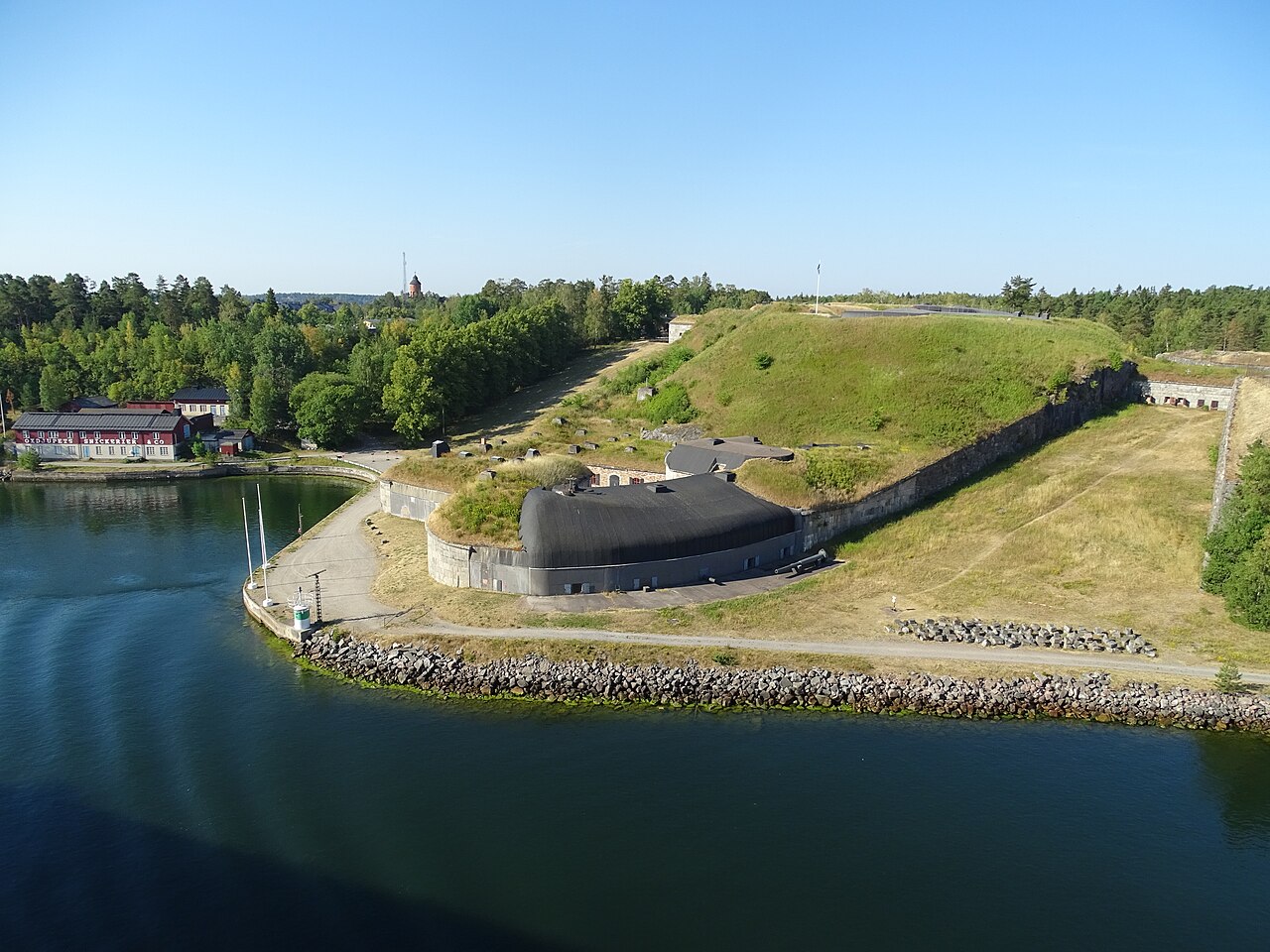
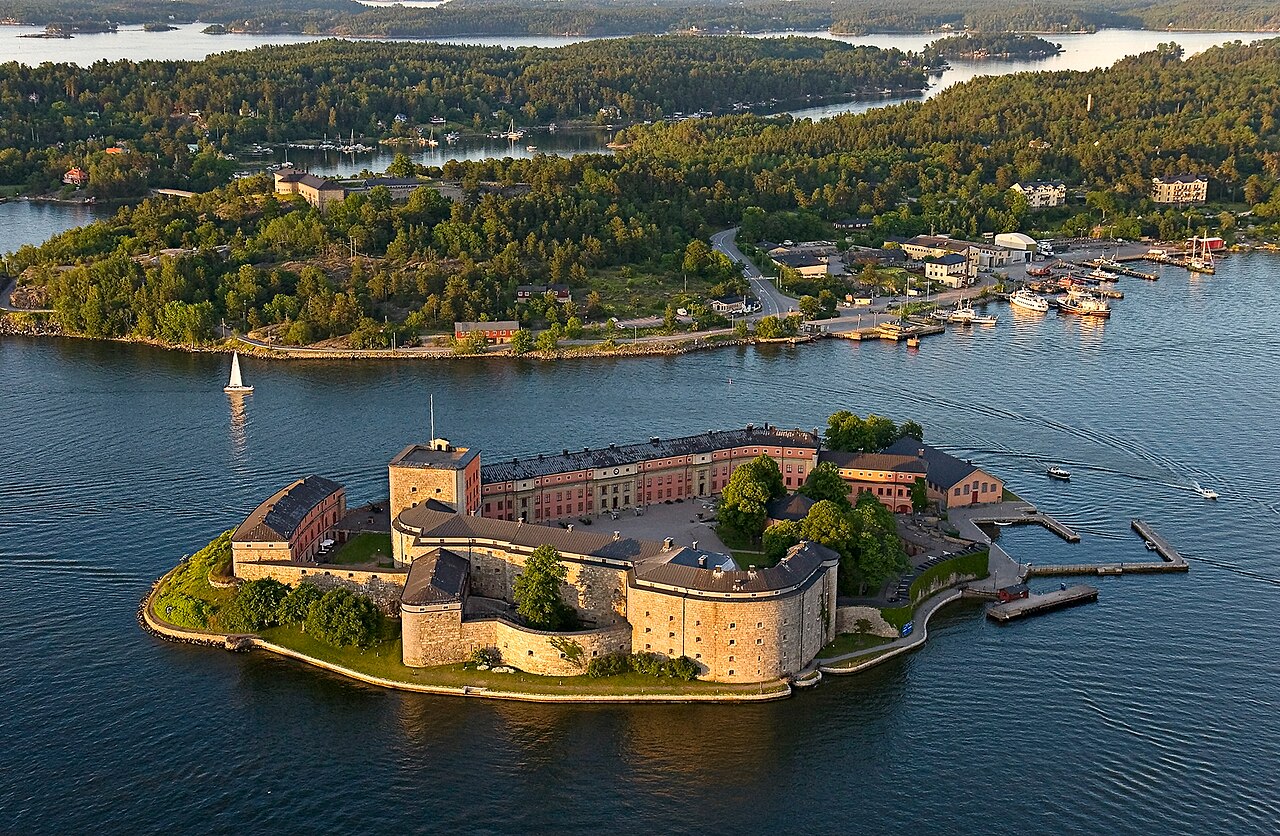
Vaxholm Castle, also known as Vaxholm Fortress (Swedish: Vaxholms fästning), is a significant bastioned fortress located on the island of Vaxholmen in the Stockholm archipelago, just east of the town of Vaxholm in Stockholms län, Sweden. Originally constructed in 1544 under the reign of King Gustav Vasa, its primary purpose was to protect the Swedish capital, Stockholm, from naval attacks coming from the Baltic Sea to the east. The fortress occupies a strategic position overlooking the narrow sea channel that was historically the main maritime route to Stockholm, making it a critical defensive installation for centuries. Early history and strategic importance The initial construction of Vaxholm Castle was part of King Gustav Vasa's efforts to strengthen Sweden's coastal defenses during the renaissance period. The fortress was designed to guard against the threat of foreign fleets, particularly from Denmark and Russia, who sought control over the Baltic Sea. Its location on the island of Vaxholmen allowed it to command the waterway and effectively control naval traffic approaching Stockholm. Throughout its early history, the fortress was involved in several military engagements. Notably, it was attacked by the Danish forces in 1612 during the Kalmar War and later by the Russian navy in 1719 amid the Great Northern War. These assaults underscored the fortress's role as a frontline defense point protecting the Swedish capital. Architectural evolution and 19th-century reconstruction While the original fortress was built in the mid-16th century, much of the current structure dates from a major reconstruction phase between 1833 and 1863. This extensive rebuilding transformed Vaxholm Castle into a modern bastioned fortress, adapting it to new military technologies and artillery tactics of the 19th century. The design incorporated star-shaped bastions, thick ramparts, and advanced defensive works typical of bastioned fortresses, which were intended to withstand cannon fire and provide overlapping fields of fire. The fortress's layout includes multiple bastions connected by curtain walls, a moat surrounding the island, and fortified gates. These features reflect the military engineering principles of the time and represent a significant evolution from the original medieval-style fortification. The renovations ensured that Vaxholm remained a formidable coastal defense point well into the 19th century. Decline of military use and cultural significance By the mid-19th century, advances in naval warfare and changes in military strategy led to a decline in the fortress's military importance. It was eventually decommissioned as an active military installation. However, Vaxholm Castle retained its historical and cultural significance, becoming a symbol of Sweden's maritime heritage and coastal defense history. Today, the fortress houses the Swedish National Museum of Coastal Defence, which preserves and presents the history of Sweden's coastal fortifications and naval defense. The museum offers visitors insights into the fortress's construction, military role, and the broader context of Sweden's maritime security. Vaxholm castle in popular culture and tourism Vaxholm Castle has also appeared in popular culture. In 1970, it served as a filming location for the pirate stronghold in the movie Pippi in the South Seas (also known as Pippi Longstocking in Taka-Tuka Land). This association has added to the fortress's appeal as a tourist destination. The fortress is accessible via the Kastellet ferry, an electrically powered cable ferry that crosses the narrow channel from Vaxholm town to the island of Vaxholmen. Visitors can enjoy scenic views of the fortress from the ferry route between Vaxholm and the nearby island of Rindö, making it a popular site for both history enthusiasts and casual tourists exploring the Stockholm archipelago. Architectural features and layout The fortress's design showcases typical bastioned fortress architecture with angular bastions projecting from the main walls to allow defensive fire along the curtain walls. The thick stone and brick ramparts were built to absorb artillery impacts, while the moat surrounding the island added an additional layer of defense. The fortress includes several internal buildings such as barracks, powder magazines, and command posts, which supported its operational role. The star-shaped bastions and the overall layout reflect military engineering advancements from the 19th century, emphasizing both defense and the ability to mount heavy artillery. The fortress's position on an island allowed defenders to control naval access effectively and provided natural protection on all sides except the landward approach. Visiting information and museum experience Today, Vaxholm Castle functions as a museum open to the public, offering a unique opportunity to explore a well-preserved example of a bastioned coastal fortress. The museum exhibits include historical artifacts, weaponry, and displays explaining the fortress's role in Sweden's maritime defense history. Visitors can explore the fortress grounds, including the bastions, ramparts, and internal chambers, gaining insight into the life of soldiers stationed there and the strategic importance of the site. The museum also hosts special exhibitions and educational programs focused on coastal defense and military history. The castle is typically accessed by the Kastellet ferry from Vaxholm town, which runs regularly during the tourist season. The short ferry ride offers picturesque views of the fortress and the surrounding archipelago, enhancing the visitor experience.

Renaissance (15th–17th c.)
Details
7.6 km
Rydboholm Castle — Sweden castle

Rydboholm Castle

Åkersberga, Sweden

Rydboholm Castle (Rydboholms slott) is a notable example of a Renaissance hill castle located near the village of Rydbo in Åkersberga, within the Österåker Municipality of Stockholm County, Sweden. The castle's origins trace back to the Middle Ages, with its main structure dating from the 16th century. The primary building was constructed in 1548, showcasing the architectural transition and style of the period. Its layout consists of three interconnected wings arranged around an open courtyard, a design typical of Renaissance castles that combined defensive features with residential comfort. The architectural evolution of Rydboholm Castle The castle underwent significant reconstruction during the 18th century, which introduced modifications while preserving much of the original Renaissance character. The castle's position on a hill classifies it as a hill castle, offering strategic views of the surrounding landscape. The architectural style predominantly reflects Renaissance influences, evident in the symmetry and proportion of the wings and courtyard, as well as in decorative elements that were added or enhanced during later renovations. Structural features and layout The three wings of the castle form a U-shaped plan around the courtyard, which would have served both practical and social functions, facilitating access between different parts of the residence and providing a sheltered outdoor space. The castle's walls and towers, though adapted over centuries, retain elements typical of Renaissance fortifications, including thick masonry and limited openings designed for defense. The castle also features traditional Swedish castle elements such as steep roofs and tall chimneys, which were functional adaptations to the local climate. Historical significance and ownership Rydboholm Castle has a rich history intertwined with prominent Swedish noble families and royalty. From the 15th century, it was owned by members of the Sture family, a powerful noble lineage in Sweden. Later, the castle came under the possession of the Vasa dynasty, one of Sweden's most influential royal houses. During the early 16th century, the castle was owned by Margareta Eriksdotter Vasa, sister of Gustav I of Sweden, who reigned as king from 1523 until his death. Some historical accounts suggest that Gustav I himself was born at Rydboholm Castle, although this is not definitively confirmed. In subsequent centuries, the castle passed to the Brahe family, another noble family with significant political and social influence. Magnus Fredrik Brahe, a notable member of this family, was responsible for the creation of the extensive English-style park southwest of the castle in the early 19th century, enhancing the estate's landscape and reflecting contemporary trends in garden design. Gardens and landscape The park surrounding Rydboholm Castle is an important feature of the estate, representing the English landscape garden style popular in the early 1800s. This style emphasizes naturalistic layouts with gently rolling lawns, irregular tree groupings, and winding paths, contrasting with the more formal and geometric gardens typical of earlier periods. The park was designed by Magnus Fredrik Brahe and remains a significant example of early 19th-century landscape architecture in Sweden. Rydboholm Castle today Today, Rydboholm Castle stands as a well-preserved Renaissance castle with layers of history visible in its architecture and grounds. Its connection to Swedish nobility and royalty, combined with its architectural features and surrounding park, make it an important cultural heritage site. The castle's location near Stockholm makes it accessible for visitors interested in Swedish history, Renaissance architecture, and historic gardens. While the castle is privately owned, it occasionally opens to the public for tours and events, offering a glimpse into Sweden's aristocratic past and architectural evolution. The castle's preservation efforts have maintained its structural integrity and historical character, ensuring that Rydboholm remains a valuable monument in Sweden's architectural landscape.

Renaissance (15th–17th c.)
Details
8.6 km
Oskar-Fredriksborg Fortress — Sweden castle

Oskar-Fredriksborg Fortress

, Sweden

Oskar-Fredriksborg Fortress is a prominent example of a bastioned fortress constructed in the 19th century in Sweden. This fortress was built during the Modern period, reflecting the military architectural advancements of its time, particularly in response to the evolving nature of artillery and coastal defense strategies. Historical context and strategic importance Constructed in the 19th century, Oskar-Fredriksborg Fortress was part of Sweden's efforts to strengthen its coastal defenses amid increasing geopolitical tensions in Northern Europe. The fortress was strategically positioned to protect key waterways and harbors, serving as a deterrent against naval invasions. Its location, while not specified here, was carefully selected to maximize control over maritime access points and to support Sweden's broader defensive network. Architectural design and features As a bastioned fortress, Oskar-Fredriksborg incorporates the characteristic angular bastions designed to provide overlapping fields of fire, minimizing blind spots and enhancing defensive capabilities. This design reflects the influence of the trace italienne style, which became prevalent in fortress construction from the Renaissance onward but was adapted to 19th-century military needs. The fortress likely features thick masonry walls, earthen ramparts, and a complex system of moats or water defenses typical of bastioned fortifications. These elements were intended to absorb and deflect artillery fire, protecting the interior structures and garrison. The layout would include bastions, curtains, ravelins, and possibly casemates for artillery placement. Defensive structures and armaments Oskar-Fredriksborg Fortress was equipped with artillery batteries positioned on bastions and within casemates, allowing defenders to cover all approaches effectively. The design facilitated crossfire and defensive depth, making any assault costly and difficult. The fortress's armaments would have been updated over time to keep pace with advancements in artillery technology. Role in Swedish military history Throughout its operational history, Oskar-Fredriksborg Fortress played a crucial role in Sweden's coastal defense system. It served as a garrison for troops tasked with monitoring and defending against potential naval threats. The fortress's presence contributed to the security of important maritime routes and nearby settlements. While specific battles or sieges involving Oskar-Fredriksborg are not detailed here, its construction during the 19th century aligns with a period of military modernization in Sweden, reflecting broader European trends in fortress building and defense strategy. Preservation and current status The fortress is currently classified as a bastioned fortress from the Modern period and is likely well preserved or partially preserved, though exact details of its condition are not specified. Many such fortresses have been maintained as historical sites or repurposed for cultural and educational uses, allowing visitors to explore their architectural and historical significance. Visiting and cultural significance Oskar-Fredriksborg Fortress, given its architectural and historical value, may be accessible to the public for tours or educational programs. Visitors can experience the fortress's defensive structures and learn about Sweden's military history during the 19th century. Its preservation contributes to the understanding of coastal defense mechanisms and fortress architecture of the era.

Modern (19th–20th c.)
Details