Historical background and strategic importance
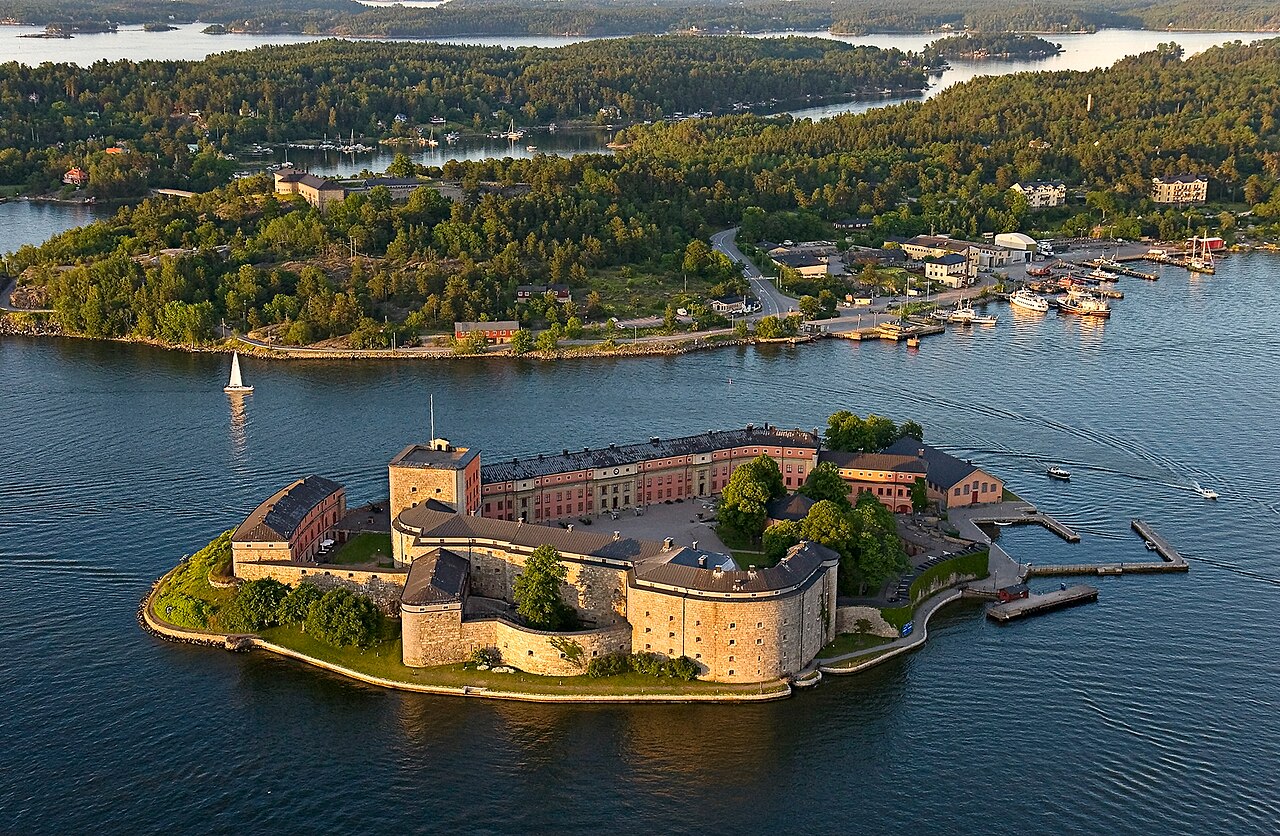
The construction of Fredriksborg Fortress took place in the 1700s, a time when European powers were extensively upgrading their fortifications to withstand cannon fire and siege warfare. Situated in Sweden, the fortress was designed to protect key territories and control important routes, serving both defensive and administrative functions. Its location, though not specified in detail, would have been strategically chosen to maximize its defensive capabilities and oversee surrounding lands or waterways.
Architectural design and features
Bastioned fortress layout
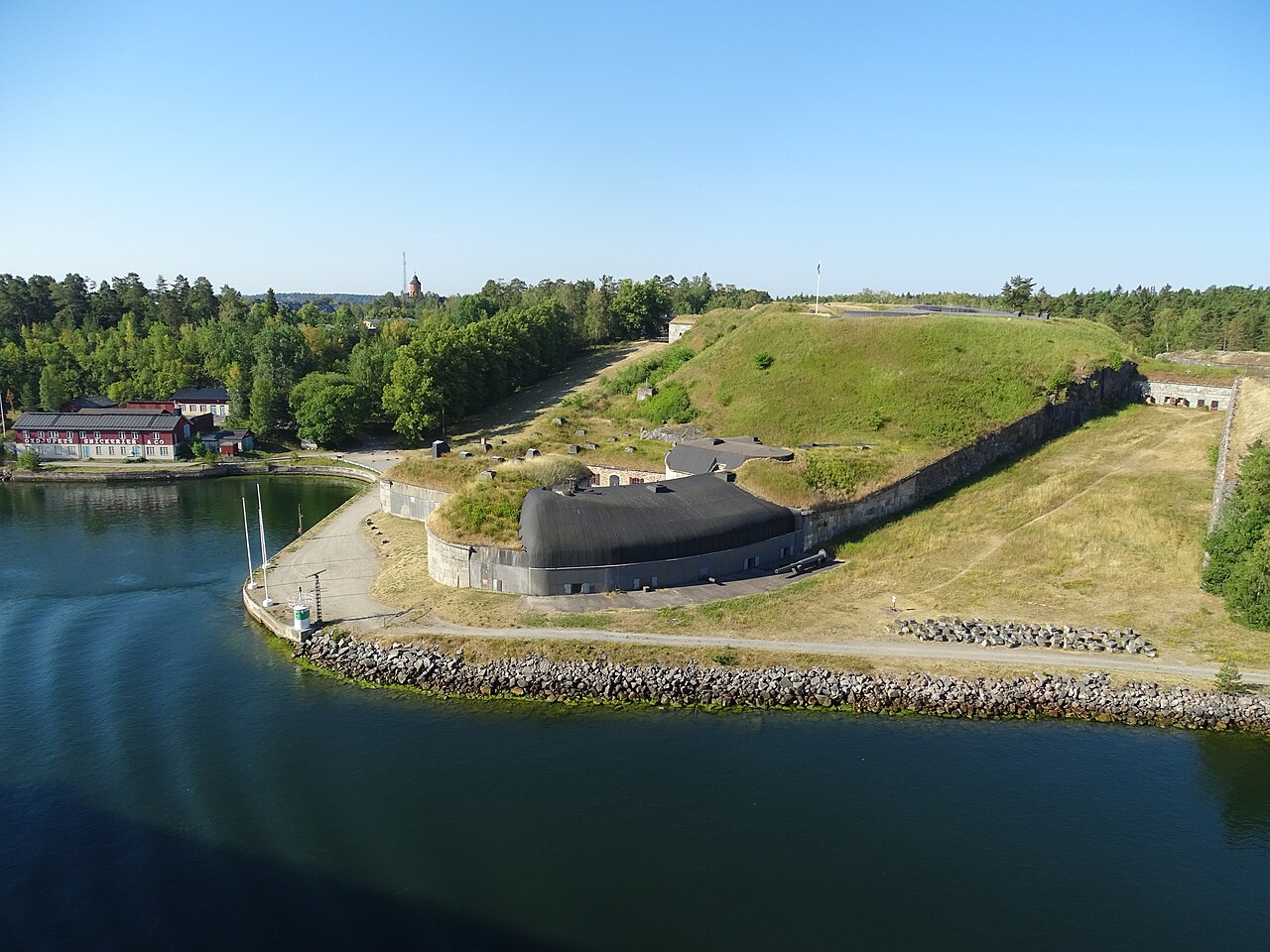
Fredriksborg Fortress exemplifies the bastioned fortress design, characterized by angular bastions projecting outward from the main walls. This design allowed defenders to cover adjacent walls with overlapping fields of fire, eliminating blind spots and enhancing the fortress's ability to repel attackers. The bastions were typically constructed with thick masonry walls and earthworks to absorb and deflect artillery strikes.
Defensive structures and materials
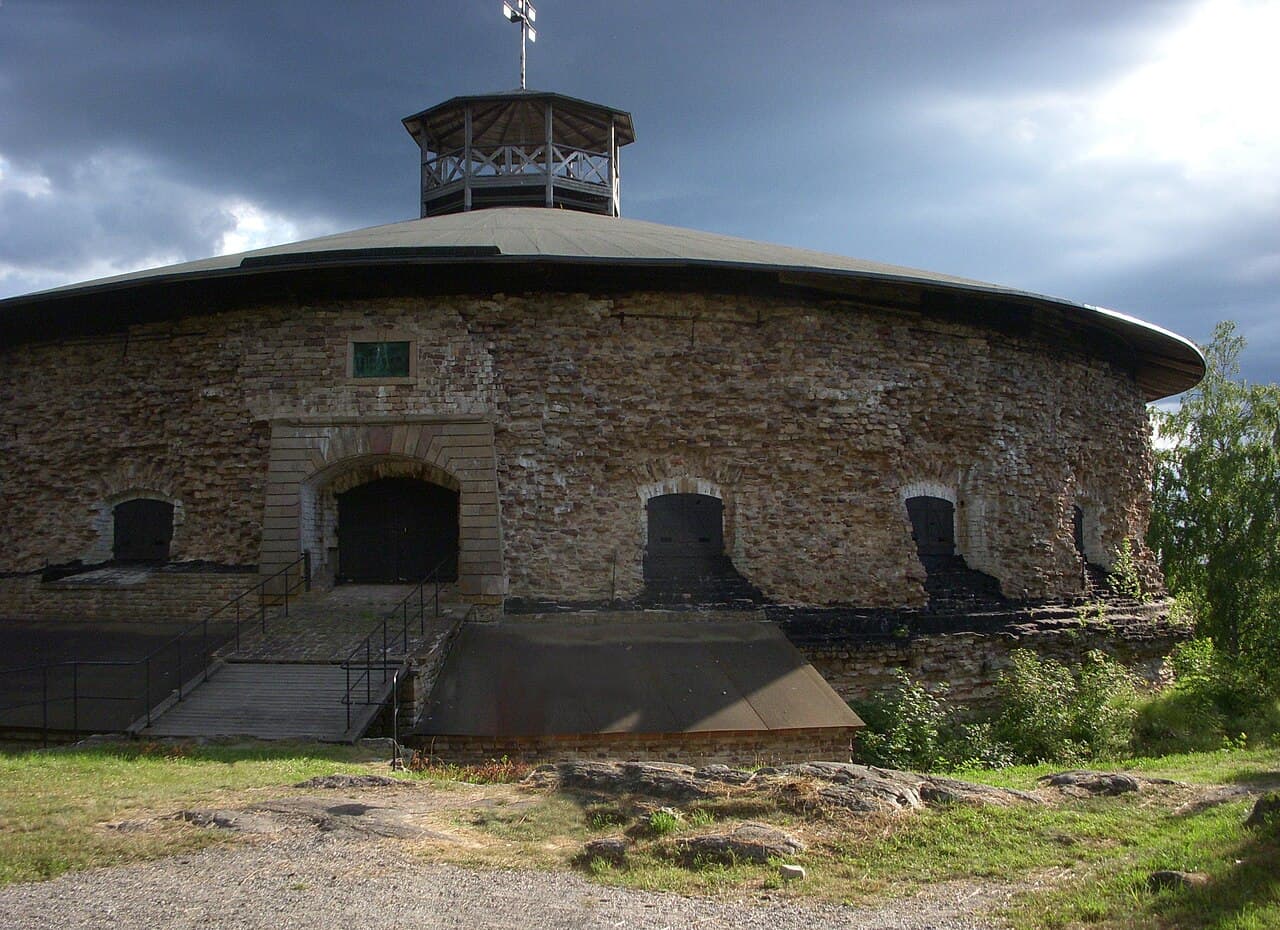
The fortress likely features ramparts, curtain walls, and moats or ditches, common elements in bastioned fortifications of the period. The walls were built to withstand cannon bombardment, using robust stone and brick masonry. The design would also include casemates or covered gun emplacements within the bastions, allowing artillery to fire while being protected. Access points such as gates were fortified with additional defensive works, including drawbridges and guardhouses.
Military role and historical events
During its operational period, Fredriksborg Fortress would have played a role in Sweden's military campaigns and territorial defense. The 18th century was marked by several conflicts in Northern Europe, including the Great Northern War and other regional disputes. While specific battles or sieges involving Fredriksborg Fortress are not documented here, its construction reflects the broader trend of fortification development in response to changing military technology and geopolitical pressures.
Current condition and preservation
The fortress is classified as a bastioned fortress from the post-Renaissance era and was built in the 18th century. Its current condition is not explicitly stated, but many such fortresses in Sweden have been preserved or partially restored as historical sites. These fortifications often serve as cultural landmarks, museums, or tourist attractions, offering insights into military architecture and history.
Significance in Swedish heritage
Fredriksborg Fortress represents an important chapter in Sweden's military and architectural history. As a bastioned fortress, it embodies the adaptation of European fortification principles to the Swedish context during the 18th century. The fortress contributes to understanding the evolution of military defenses and the impact of artillery on fortress design. It also highlights Sweden's strategic priorities and responses to regional conflicts in the post-Renaissance period.
Visiting and educational opportunities
While specific visitor information is not provided, fortresses like Fredriksborg often offer guided tours, exhibitions, and educational programs. These activities allow visitors to explore the fortress's architectural features, learn about its historical context, and appreciate the engineering skills of the era. Visitors interested in military history and architecture would find Fredriksborg Fortress a valuable site for study and exploration.
Frequently asked questions (FAQ)
- How do I get to Fredriksborg Fortress?
- Fredriksborg Fortress is located in Sweden and can be easily accessed by public transportation or car. If you are traveling by train, the nearest station is in the city center, from which you can take a local bus or taxi directly to the fortress.
- What is the historical significance of Fredriksborg Fortress?
- Fredriksborg Fortress has a rich history dating back to the early 17th century and served as a royal residence and military stronghold. Its strategic location was crucial for defending Sweden's southern borders and it played a significant role during various conflicts in Scandinavian history.
- When was Fredriksborg Fortress built?
- Construction of Fredriksborg Fortress began in 1625 and was completed in 1634. The fortress was designed by renowned architect Simon de la Vallée and showcases the Renaissance architectural style prevalent during that era.
- Can I take guided tours of Fredriksborg Fortress?
- Yes, guided tours are available at Fredriksborg Fortress, providing visitors with in-depth knowledge about its history and architecture. These tours usually last around an hour and are conducted in multiple languages to accommodate international visitors.
- Why is Fredriksborg Fortress considered an architectural marvel?
- Fredriksborg Fortress is renowned for its impressive Renaissance architecture, characterized by its elaborate facades and intricate details. The fortress's blend of functionality and aesthetic appeal makes it a significant example of military architecture from the 17th century.
- Is it possible to visit Fredriksborg Fortress year-round?
- Fredriksborg Fortress is open to visitors year-round, although certain areas may have restricted access during the winter months. It's advisable to check the official website for the latest information on accessibility and any seasonal events that may enhance your visit.
- What are the opening hours for Fredriksborg Fortress?
- Typically, Fredriksborg Fortress opens at 10 AM and closes at 5 PM, but hours may vary by season. It's recommended to verify the current schedule before your visit, especially during holidays or special events.
- What are the ticket prices for visiting Fredriksborg Fortress?
- Ticket prices for Fredriksborg Fortress vary depending on age and group status, with discounts available for students and seniors. Children under a certain age may enter for free, making it an affordable destination for families.
- What are some nearby attractions to Fredriksborg Fortress?
- Nearby attractions include beautiful parks, historical museums, and charming local cafes that enhance your visit to the fortress. You can also explore the surrounding countryside, which offers scenic views and additional outdoor activities.
Photo gallery

Information
Loading map...
Visitor reviews
No reviews yet. Been here? Write the first review and help other travelers!
Write the first reviewVisited this castle? Share your experience
Your review helps other travelers and adds first-hand knowledge to our encyclopedia.