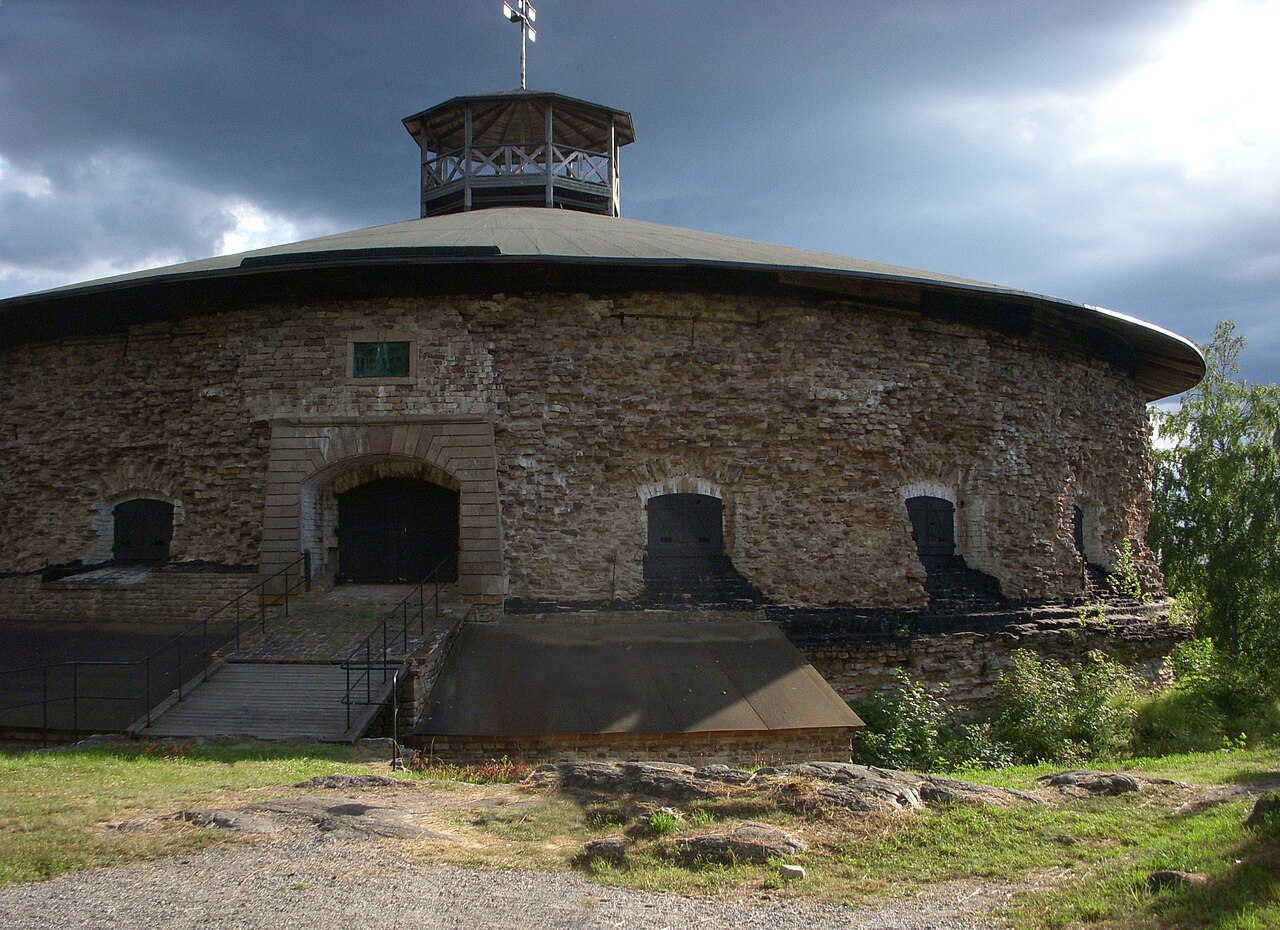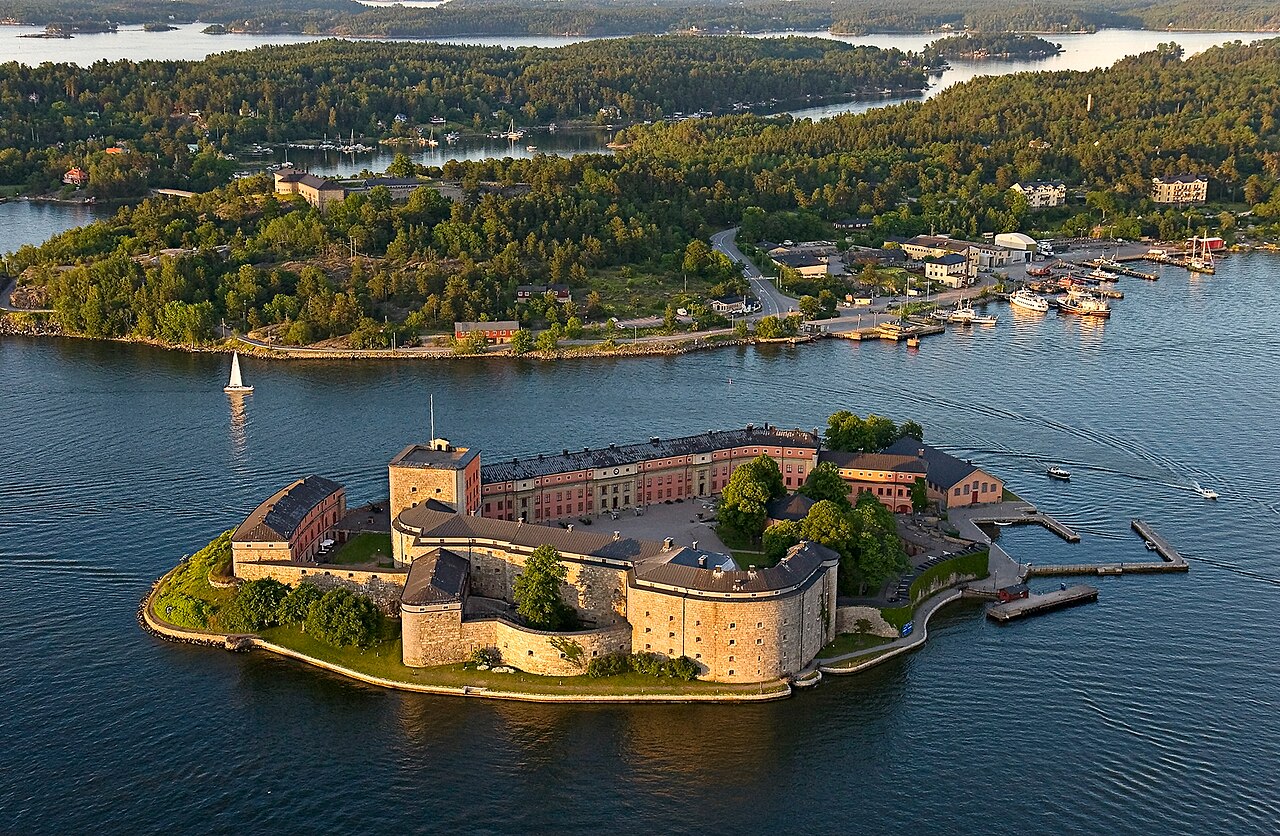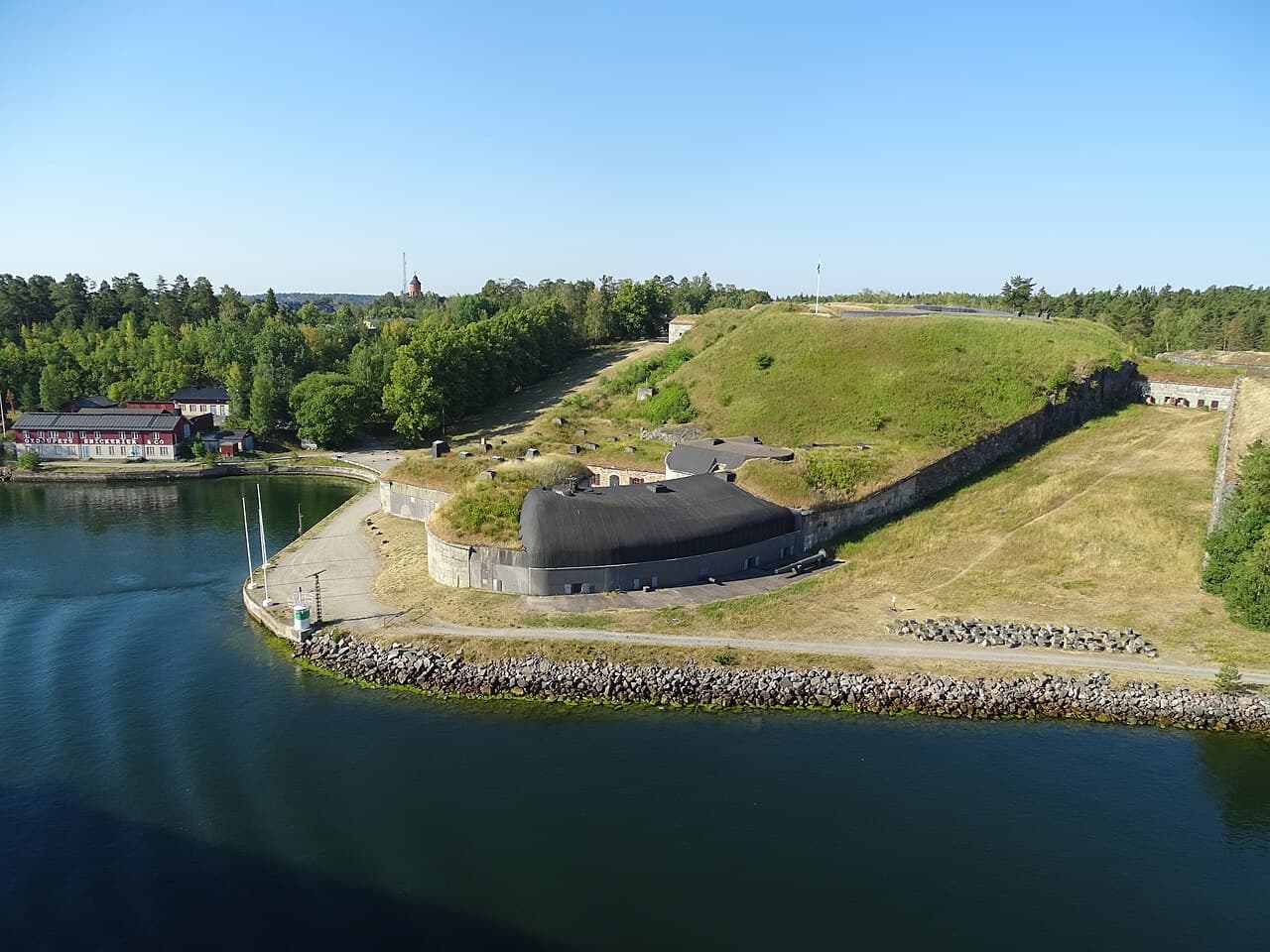
Oskar-Fredriksborg Fortress is a prominent example of a bastioned fortress constructed in the 19th century in Sweden. This fortress was built during the Modern period, reflecting the military architectural advancements of its time, particularly in response to the evolving nature of artillery and coastal defense strategies.
Historical context and strategic importance
Constructed in the 19th century, Oskar-Fredriksborg Fortress was part of Sweden's efforts to strengthen its coastal defenses amid increasing geopolitical tensions in Northern Europe. The fortress was strategically positioned to protect key waterways and harbors, serving as a deterrent against naval invasions. Its location, while not specified here, was carefully selected to maximize control over maritime access points and to support Sweden's broader defensive network.
Architectural design and features
As a bastioned fortress, Oskar-Fredriksborg incorporates the characteristic angular bastions designed to provide overlapping fields of fire, minimizing blind spots and enhancing defensive capabilities. This design reflects the influence of the trace italienne style, which became prevalent in fortress construction from the Renaissance onward but was adapted to 19th-century military needs.
The fortress likely features thick masonry walls, earthen ramparts, and a complex system of moats or water defenses typical of bastioned fortifications. These elements were intended to absorb and deflect artillery fire, protecting the interior structures and garrison. The layout would include bastions, curtains, ravelins, and possibly casemates for artillery placement.
Defensive structures and armaments
Oskar-Fredriksborg Fortress was equipped with artillery batteries positioned on bastions and within casemates, allowing defenders to cover all approaches effectively. The design facilitated crossfire and defensive depth, making any assault costly and difficult. The fortress's armaments would have been updated over time to keep pace with advancements in artillery technology.
Role in Swedish military history
Throughout its operational history, Oskar-Fredriksborg Fortress played a crucial role in Sweden's coastal defense system. It served as a garrison for troops tasked with monitoring and defending against potential naval threats. The fortress's presence contributed to the security of important maritime routes and nearby settlements.
While specific battles or sieges involving Oskar-Fredriksborg are not detailed here, its construction during the 19th century aligns with a period of military modernization in Sweden, reflecting broader European trends in fortress building and defense strategy.
Preservation and current status
The fortress is currently classified as a bastioned fortress from the Modern period and is likely well preserved or partially preserved, though exact details of its condition are not specified. Many such fortresses have been maintained as historical sites or repurposed for cultural and educational uses, allowing visitors to explore their architectural and historical significance.
Visiting and cultural significance
Oskar-Fredriksborg Fortress, given its architectural and historical value, may be accessible to the public for tours or educational programs. Visitors can experience the fortress's defensive structures and learn about Sweden's military history during the 19th century. Its preservation contributes to the understanding of coastal defense mechanisms and fortress architecture of the era.
Frequently asked questions (FAQ)
- What is the historical significance of Oskar-Fredriksborg Fortress?
- Oskar-Fredriksborg Fortress was built in the 19th century as part of Sweden's coastal defense system, reflecting advancements in military architecture and serving to protect key maritime routes.
- Can I visit Oskar-Fredriksborg Fortress today?
- The fortress may be accessible to the public, offering tours and educational programs, though specific visiting hours and access details should be confirmed locally.
- What architectural features define a bastioned fortress like Oskar-Fredriksborg?
- Bastioned fortresses feature angular bastions for overlapping fields of fire, thick walls, moats, and artillery placements designed to resist and repel attacks effectively.
- When was Oskar-Fredriksborg Fortress constructed?
- It was constructed in the 19th century during the Modern period of military architecture.
- Why was Oskar-Fredriksborg Fortress important for Sweden's defense?
- Its strategic location allowed Sweden to control key waterways and defend against naval threats, playing a vital role in the country's coastal defense network.
Photo gallery

Information
Loading map...
Visitor reviews
No reviews yet. Been here? Write the first review and help other travelers!
Write the first reviewVisited this castle? Share your experience
Your review helps other travelers and adds first-hand knowledge to our encyclopedia.