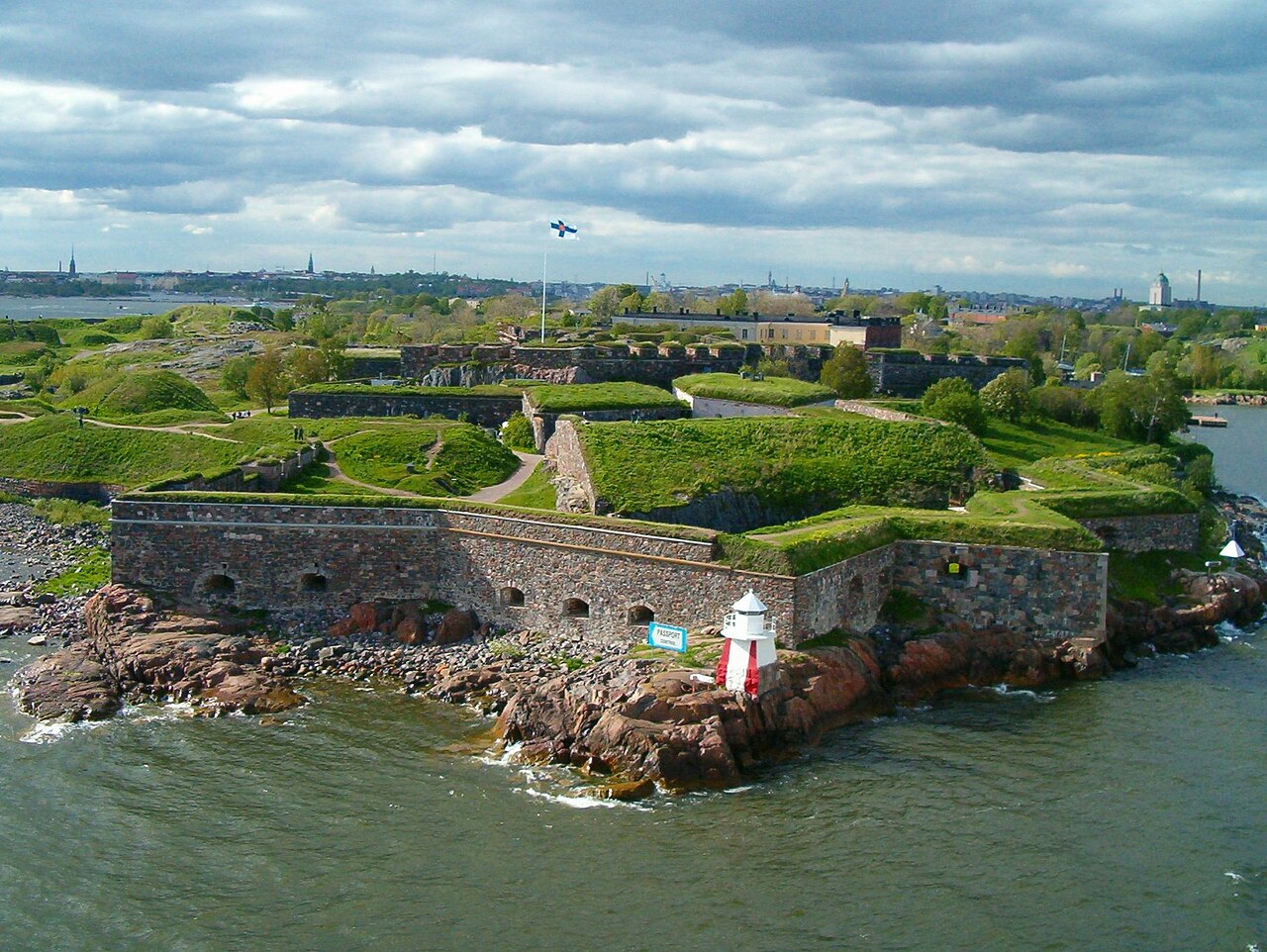
Vartiokylä Hill Fort
Vartiokylä hill fort stands as a significant archaeological site near Helsinki, Finland, representing one of the region's few surviving medieval fortifications. Dating back to the 13th century, this hill fortification offers a glimpse into the defensive strategies employed during the High Medieval period in southern Finland. Although Helsinki itself was not established until the 16th century, Vartiokylä hill fort predates the city and reflects the early medieval attempts to secure and control the surrounding landscape.
Historical background and origins
The exact origins of Vartiokylä hill fort remain uncertain, as no contemporary written records definitively identify its builders. However, archaeological evidence suggests that the fort was constructed and used during the 13th and 14th centuries. It is widely believed that the fortification was established by Swedish-speaking settlers, possibly under the authority of the Swedish crown or a local noble family, such as the influential Bo Jonsson Grip, who was a powerful Swedish statesman and landowner during the late medieval period.
The fort's strategic location on a prominent hill provided a natural vantage point overseeing the surrounding area. This would have been crucial for monitoring movements and defending against potential threats in a time when regional conflicts and territorial disputes were common.
Architectural features and fortifications
Although the fort was in use only for a relatively short period, the remains of medieval stone foundations are still visible today. The fort was primarily constructed using local stone materials, arranged to form defensive walls atop the hill. The fortification likely included earthen ramparts and wooden palisades in addition to the stonework, which was typical for hill forts of the period in this region.
The layout would have been designed to maximize defensive capabilities, with steep slopes enhancing natural protection and limited access points to control entry. The combination of natural terrain and man-made fortifications made Vartiokylä hill fort a formidable defensive site despite its relatively small size.
Use and historical context
Vartiokylä hill fort's active use appears to have been brief, possibly serving as a temporary refuge or military outpost rather than a permanent settlement. Its construction aligns with a period of increased fortification activity in the Baltic region, reflecting broader geopolitical tensions between emerging powers such as Sweden, Novgorod, and local Finnish tribes.
During the First World War, the site saw renewed military use when Russian forces constructed trenches on the hill as part of the Helsinki fortification system. These later additions illustrate the continued strategic importance of the location across centuries, adapting medieval sites for modern warfare needs.
Preservation and current condition
Today, Vartiokylä hill fort is classified as an archaeological site with visible ruins that attract interest from historians, archaeologists, and visitors interested in Finland's medieval past. The remains consist mainly of stone foundations and earthworks, with no standing structures remaining. The site is protected and managed to preserve its historical value while allowing public access for educational and recreational purposes.
Visiting Vartiokylä hill fort
Visitors to Vartiokylä hill fort can explore the site and observe the remnants of the medieval fortifications set within a natural hill environment. The location offers insights into the region's early medieval defensive architecture and the historical context preceding Helsinki's foundation. Interpretive signage and local guides may provide additional information about the site's significance and history.
Accessibility and best time to visit
The site is accessible year-round, but spring through autumn offers the best conditions for walking and exploring the hill. Visitors should wear suitable footwear due to uneven terrain. As an open-air archaeological site, there are no entrance fees or restricted hours, making it an easy destination for history enthusiasts and casual tourists alike.
Nearby attractions
While in Helsinki, visitors can combine a trip to Vartiokylä hill fort with other historical and cultural sites, including the Helsinki Cathedral, Suomenlinna Fortress, and the National Museum of Finland, all of which provide broader context on Finland's medieval and modern history.
Frequently asked questions (FAQ)
- When was Vartiokylä hill fort built?
- Vartiokylä hill fort was built in the 13th century during the High Medieval period.
- What remains can be seen at Vartiokylä hill fort today?
- Visitors can see remains of medieval stone foundations and earthworks that outline the original fortifications.
- Is Vartiokylä hill fort open to the public?
- Yes, the site is accessible year-round and open to the public without entrance fees.
- What was the historical significance of Vartiokylä hill fort?
- The fort served as a defensive site during the 13th and 14th centuries and later was used by Russian forces in World War I for trenches.
- How do I get to Vartiokylä hill fort in Helsinki?
- Vartiokylä hill fort is located in Helsinki's Uusimaa region and can be reached by local public transport or car, with walking paths leading to the hill.
Information
Loading map...
Visitor reviews
No reviews yet. Been here? Write the first review and help other travelers!
Write the first reviewVisited this castle? Share your experience
Your review helps other travelers and adds first-hand knowledge to our encyclopedia.