V-3 cannon
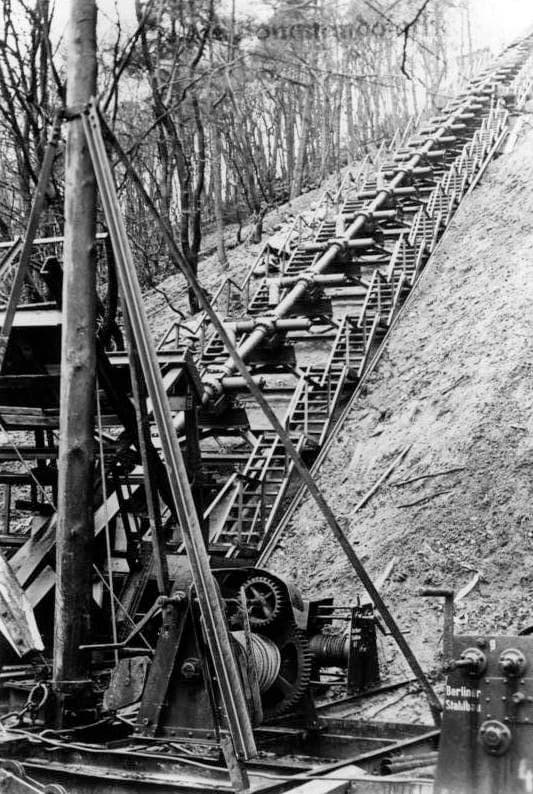
The V-3 cannon, known officially as Vergeltungswaffe 3 or "Vengeance Weapon 3," was a German World War II large-caliber artillery piece designed to fire projectiles over extremely long distances using an innovative multi-charge principle. This principle involved igniting a series of secondary propellant charges along the barrel to increase the velocity of the projectile, allowing it to reach targets far beyond the range of conventional artillery of the time.
The V-3 was part of the Nazi regime's efforts to develop "vengeance weapons" as retaliation tools during the war. It was also referred to by the code name Hochdruckpumpe ("High Pressure Pump"), a designation meant to conceal its true purpose, and informally called Fleißiges Lieschen ("Busy Lizzie").
The fortress of mimoyecques: site and design
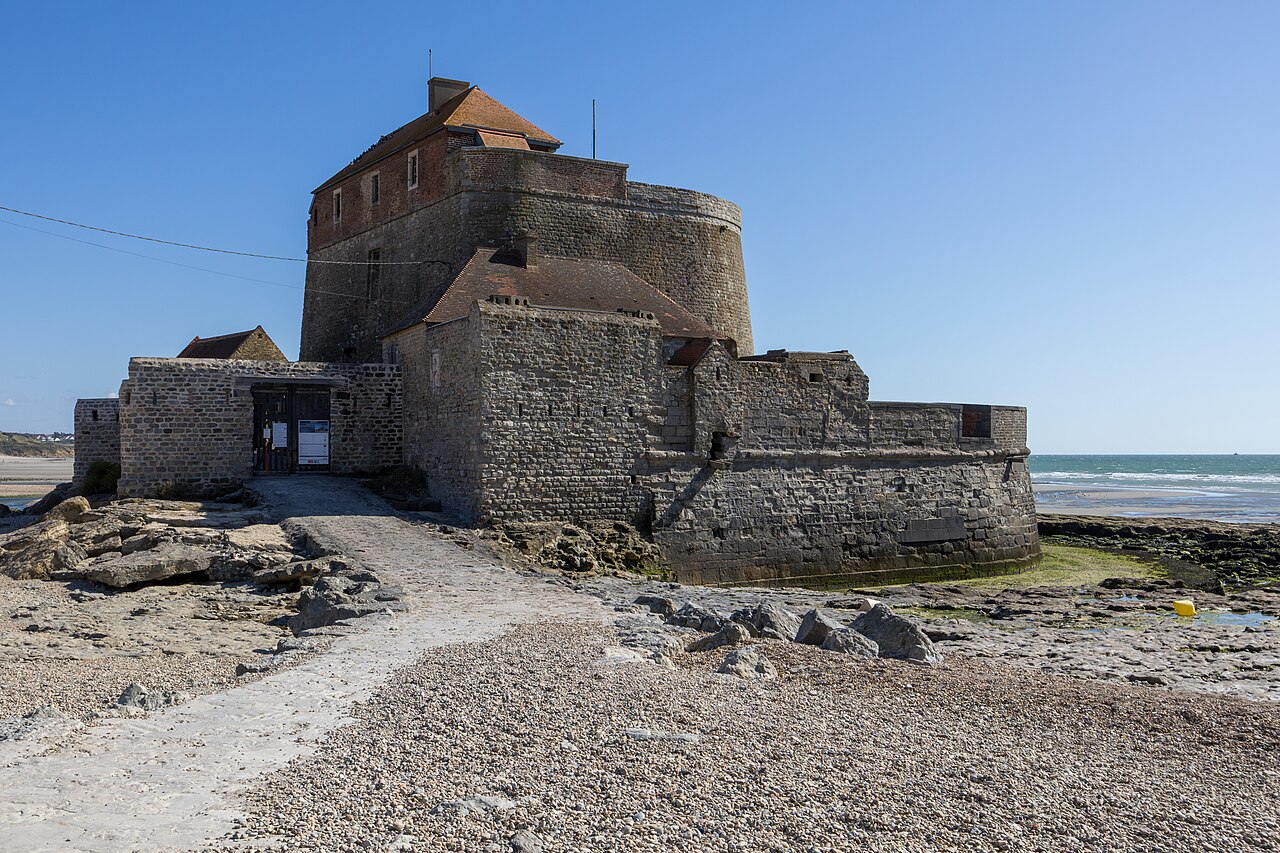
The Fortress of Mimoyecques was an extensive underground complex located in northern France, specifically in the Pas-de-Calais region. It was constructed to house two full-size V-3 guns permanently aimed at London, intended to bombard the British capital from a distance of approximately 165 kilometers (about 103 miles). The fortress was designed as a heavily fortified bastioned fortress with extensive underground galleries, tunnels, and reinforced concrete structures to protect the guns and crews from aerial bombardment.
The site was chosen for its proximity to the English Channel and its strategic position to target London effectively. The fortress featured multiple defensive layers, including thick concrete walls, extensive underground chambers, and air-raid shelters. The design incorporated the latest military engineering techniques of the era, focusing on protection against Allied bombing raids.
Construction and operational challenges
Construction of the Fortress of Mimoyecques began in 1943 under the supervision of German engineers and forced laborers. The project faced numerous challenges, including difficult geological conditions, the complexity of the multi-charge gun design, and persistent Allied bombing campaigns aimed at disrupting construction.
Despite significant progress in building the underground tunnels and mounting the guns, the fortress and its V-3 guns were never fully operational. Allied forces launched extensive bombing raids, including the use of "Tallboy" bombs, which caused severe damage to the site and rendered the guns unusable before they could be fired at their intended targets.
Smaller v-3 guns and later use
Besides the large guns at Mimoyecques, two smaller versions of the V-3 cannon were deployed later in the war. These smaller guns were used to bombard Luxembourg between December 1944 and February 1945 during the Battle of the Bulge. Their impact was limited compared to other artillery and rocket weapons used in the conflict.
Technological and historical significance
The V-3 cannon represents a unique example of experimental artillery technology during World War II. Its multi-charge principle was innovative, though it faced practical limitations in deployment and effectiveness. The Fortress of Mimoyecques remains a significant historical site, illustrating the scale and ambition of German military engineering efforts and the intense Allied countermeasures.
Today, the Fortress of Mimoyecques is preserved as a historical monument and museum, offering visitors insight into the complex engineering and wartime history surrounding the V-3 project. The site stands as a reminder of the technological experimentation and the destructive capabilities pursued during the war.
Frequently asked questions (FAQ)
- What is the historical significance of the V-3 cannon?
- The V-3 cannon, located in France, was designed during World War II as part of Germany's superweapon program. It represents an important chapter in military history, showcasing advanced engineering and the lengths to which nations went to gain an advantage in warfare.
- When was the V-3 cannon constructed?
- The construction of the V-3 cannon began in 1943 and continued until the end of the war in 1945. Although it was never fully operational, its development reflects the technological ambitions of the time.
- Is it possible to visit the V-3 cannon today?
- Yes, the V-3 cannon is open to visitors, allowing them to explore its historical site and learn about its significance. Guided tours are often available to provide in-depth information about the structure and its history.
- What are the opening hours for the V-3 cannon?
- The V-3 cannon is generally open to the public from 10 AM to 5 PM, but these hours may vary depending on the season or special events. It is advisable to check the official website or local tourist information for current opening times.
- Can I take photographs while visiting the V-3 cannon?
- Yes, visitors are typically allowed to take photographs of the V-3 cannon during their visit. However, it is recommended to respect any signage or guidelines provided by the site regarding photography.
- What is the best time to visit the V-3 cannon?
- The best time to visit the V-3 cannon is during the spring and early autumn months when the weather is pleasant for outdoor exploration. Visiting during weekdays may also help you avoid larger crowds and enhance your experience.
- Are there any nearby attractions to explore when visiting the V-3 cannon?
- Yes, there are several nearby attractions, including museums and historical sites related to World War II. Additionally, the picturesque countryside offers beautiful walking trails and opportunities for scenic photography.
- What are the ticket prices for visiting the V-3 cannon?
- Ticket prices for the V-3 cannon are usually affordable, with discounts available for children, students, and seniors. It is best to check the official site for the latest pricing and any special offers.
- How do I get to the V-3 cannon using public transportation?
- The V-3 cannon is accessible by public transportation, with several bus routes serving the area. Additionally, local train services connect major cities to nearby towns, making it convenient for visitors to reach the site.
Photo gallery

Information
Loading map...
Visitor reviews
No reviews yet. Been here? Write the first review and help other travelers!
Write the first reviewVisited this castle? Share your experience
Your review helps other travelers and adds first-hand knowledge to our encyclopedia.