Mimoyecques Fortress
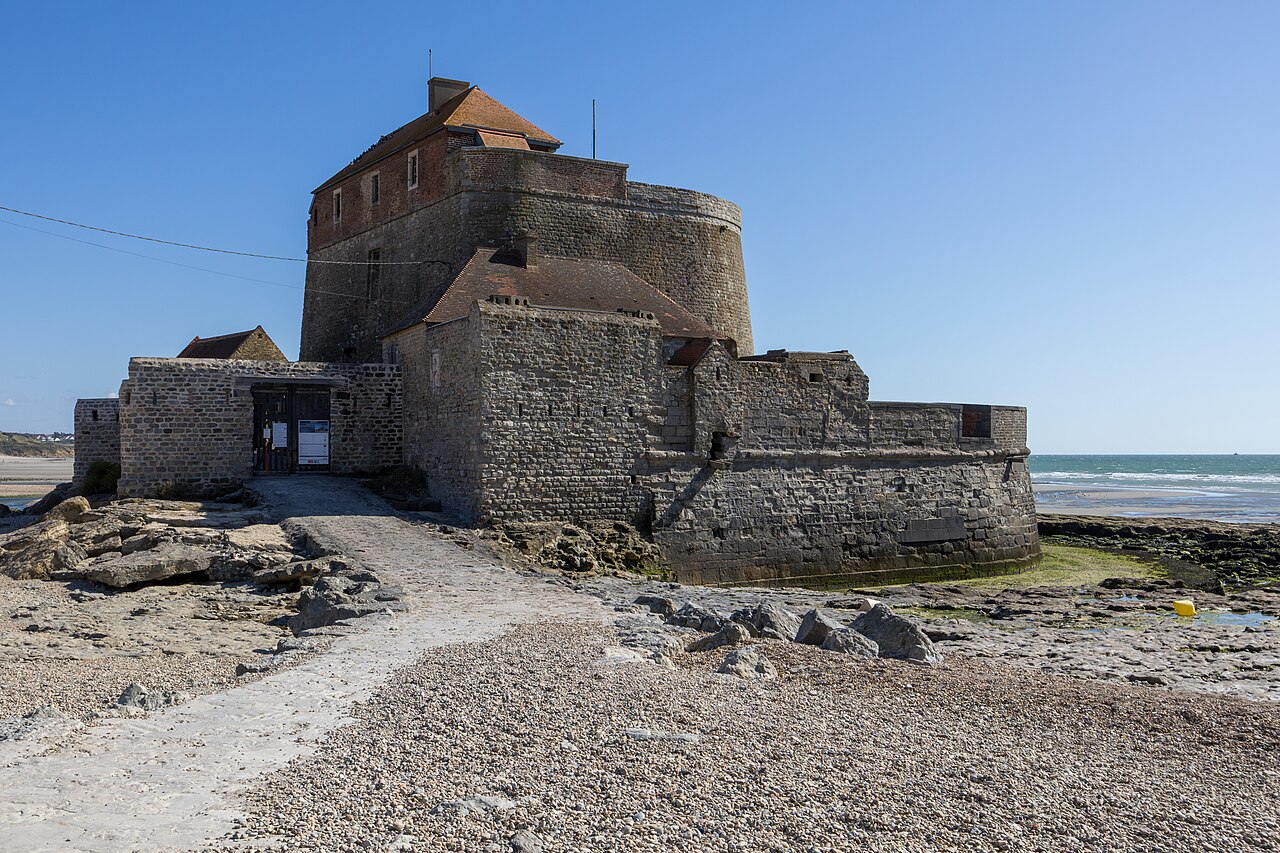
The Fortress of Mimoyecques is a significant Second World War underground military complex located in Landrethun-le-Nord, in the Pas-de-Calais region of northern France. Constructed between 1943 and 1944 by Nazi Germany, it was designed to house a battery of V-3 superguns aimed at the British capital, London, approximately 165 kilometres away. The fortress is notable for its extensive network of tunnels built beneath a chalk hill near the hamlet of Mimoyecques, making it a unique example of wartime underground military architecture.
Historical context and strategic purpose
The Fortress of Mimoyecques was part of the Nazi regime's effort to develop long-range weapons capable of bombarding London from continental Europe. The site was originally codenamed Wiese (meaning 'Meadow') and also known as Bauvorhaben 711 ('Construction Project 711'). The primary weapon intended for this base was the V-3 cannon, a multi-charge artillery piece designed to fire dart-like explosive projectiles at a rapid rate. The V-3 was capable of firing up to ten rounds per minute, equating to 600 rounds per hour, with the goal of sustained bombardment of London to cause significant damage and civilian disruption.
The V-3 cannon represented a novel concept in artillery technology, employing multiple secondary propellant charges along the barrel to increase projectile velocity. This innovative design aimed to achieve ranges far beyond traditional artillery, bridging the gap between conventional guns and ballistic missiles. The Fortress of Mimoyecques was thus a key site in Nazi Germany's secret weapons program, intended to supplement the better-known V-1 flying bombs and V-2 rockets.
Construction and architectural features
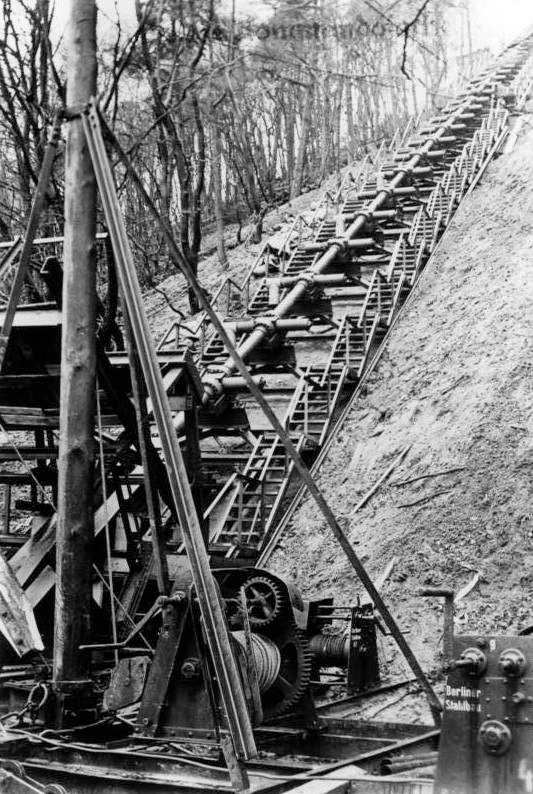
The fortress was constructed by a workforce primarily composed of German engineers and miners from major industrial concerns, supplemented by forced labour from prisoners of war. The complex consists of a labyrinthine network of tunnels excavated beneath a chalk hill, linked to five inclined shafts where the 25 V-3 guns were to be installed. Each shaft was designed to house multiple barrels of the V-3, arranged to maximize the rate of fire and coverage of the target area.
The underground design was essential to protect the installation from Allied aerial reconnaissance and bombing raids. The extensive use of chalk as the geological medium allowed relatively straightforward excavation of the tunnels and shafts, although the scale of the project was immense. The fortress included not only the gun shafts but also support facilities such as ammunition storage, crew quarters, and command posts, all integrated into the subterranean environment.
Engineering challenges and forced labor
The construction faced significant engineering challenges, including maintaining structural stability underground and ensuring the precise alignment of the inclined gun shafts towards London. The work was carried out under harsh conditions, with prisoner-of-war laborers subjected to forced and often brutal working conditions. The scale and secrecy of the project meant that much of the workforce operated under strict security measures.
Allied intelligence and attacks
Allied forces were initially unaware of the exact nature of the Fortress of Mimoyecques. Intelligence and aerial reconnaissance suggested the site was a potential launching base for V-2 ballistic missiles, but the true purpose as a V-3 cannon installation was unknown. From late 1943 onwards, the fortress became a target for intensive Allied bombing campaigns aimed at disrupting construction and neutralizing the threat.
On 6 July 1944, the fortress suffered a significant blow when No. 617 Squadron RAF, known as the "Dambusters," deployed massive 5,400-kilogram Tallboy earthquake bombs. These bombs were designed to penetrate deep underground before detonating, causing tunnel collapses and extensive damage to the gun shafts. The attack effectively halted construction and entombed hundreds of forced laborers underground.
Post-attack abandonment and liberation
Following the bombing and the advancing Allied forces after the Normandy landings, the Germans abandoned the fortress. It was captured without resistance by the Canadian 3rd Infantry Division on 5 September 1944. The site was partially demolished after the war on orders from Winston Churchill, reflecting ongoing concerns about its potential use as a future threat to the United Kingdom. This demolition caused some tension with the French authorities, who were not consulted about the decision.
Later uses and current status
In the post-war period, the Fortress of Mimoyecques found new uses. In 1969, it was converted into a mushroom farm, utilizing the stable underground environment. Later, in 1984, it was opened as a museum, allowing the public to explore the extensive tunnels and learn about the site's history and technological significance.
In 2010, a nature conservation organization acquired the fortress, and management was taken over by La Coupole, a nearby museum dedicated to V-2 rockets and related wartime technology. Today, the Fortress of Mimoyecques operates as a vast underground museum complex open to visitors, providing insight into the innovative military engineering of the Second World War and the dark history of forced labor and warfare in northern France.
Visitor experience and educational value
Visitors to the fortress can explore the extensive tunnel network, including the inclined shafts and support chambers. Exhibits detail the design and intended operation of the V-3 cannon, the construction challenges, and the Allied efforts to neutralize the site. The museum also addresses the human cost of the fortress's construction, commemorating the prisoners of war and forced laborers who suffered and died during its building.
Frequently asked questions (FAQ)
- How do I get to Mimoyecques Fortress?
- Mimoyecques Fortress is located in Landrethun-le-Nord, France, and can be accessed by car or public transportation. The closest major city is Boulogne-sur-Mer, which is about 20 kilometers away. It's recommended to use GPS or a map application for the best route.
- What is the historical significance of Mimoyecques Fortress?
- Mimoyecques Fortress was constructed during World War II by the German military as a secret underground facility. It was designed to house long-range artillery that aimed to target the English coast. Today, it serves as a reminder of the war and is significant for its role in military history.
- When was Mimoyecques Fortress built?
- Construction of Mimoyecques Fortress began in 1943 and continued until 1944. The fortress was part of a larger plan by the Nazis to fortify the coastline against Allied invasion. The site showcases the engineering capabilities of the time, making it an interesting point of study.
- Can I take a guided tour of the fortress?
- Yes, guided tours are available for visitors who want to learn more about the history and architecture of Mimoyecques Fortress. These tours provide an in-depth look at the site and are often led by knowledgeable guides. It is advisable to book in advance, especially during peak tourist season.
- Why is the architecture of Mimoyecques Fortress unique?
- The architecture of Mimoyecques Fortress is unique due to its extensive underground tunnels and chambers designed to withstand bombing. The complex was built using reinforced concrete, showcasing the military engineering of the era. Visitors can explore various sections of the fortress, which highlight its strategic importance.
- Is it possible to visit Mimoyecques Fortress year-round?
- Mimoyecques Fortress is typically open to visitors from spring to autumn, with specific opening hours that may vary. During the winter months, the site may be closed for maintenance and safety reasons. Always check the official website for the most current visiting information before planning your trip.
- What are the ticket prices for visiting Mimoyecques Fortress?
- Ticket prices for Mimoyecques Fortress are generally affordable, with discounts available for students and seniors. Children under a certain age may enter for free. It's best to check the official website for the latest pricing and any special promotions.
- What is the best time to visit Mimoyecques Fortress?
- The best time to visit Mimoyecques Fortress is during the spring and early autumn months when the weather is mild and pleasant. These seasons also tend to attract fewer tourists, allowing for a more enjoyable experience. Consider visiting during weekdays for an even quieter atmosphere.
- Are there any nearby attractions to explore?
- Yes, there are several nearby attractions worth visiting, including the historic town of Boulogne-sur-Mer and its beautiful beaches. The Cap Gris-Nez and Cap Blanc-Nez cliffs are also in close proximity, offering stunning views of the coastline. These sites complement a visit to Mimoyecques Fortress for a full day of exploration.
Information
Loading map...
Visitor reviews
No reviews yet. Been here? Write the first review and help other travelers!
Write the first reviewVisited this castle? Share your experience
Your review helps other travelers and adds first-hand knowledge to our encyclopedia.