Utsunomiya Castle
Utsunomiya Castle (宇都宮城, Utsunomiya-jō) is a notable hill castle located in Utsunomiya City, the capital of Tochigi Prefecture in central Japan. It occupies a strategic position that historically controlled important land routes in the northern Kanto region. The castle played a significant role during the Edo period as the seat of the Utsunomiya Domain, governed by a branch of the Toda clan, who were prominent daimyōs of the era.
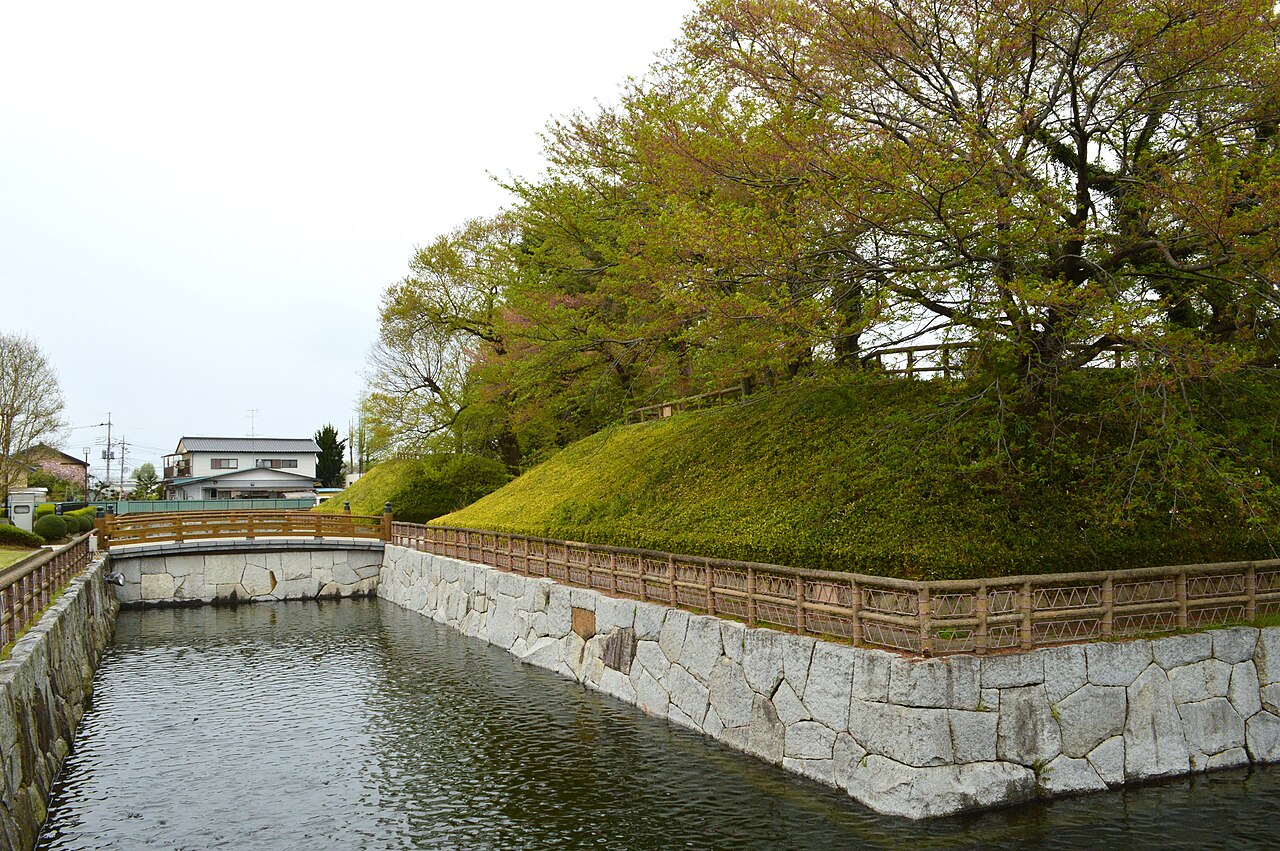
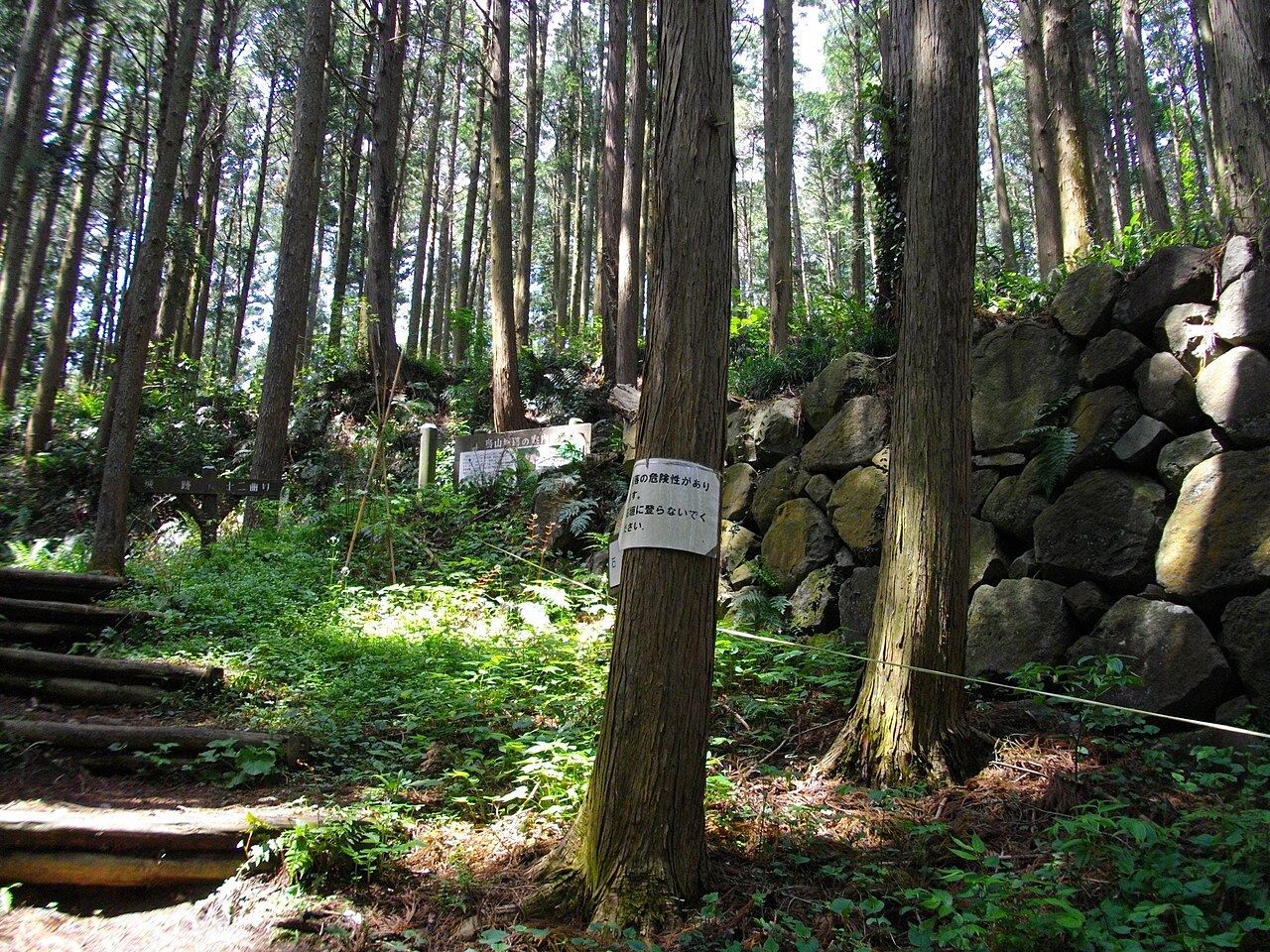
Constructed originally in the Sengoku period (mid-15th to early 17th century), Utsunomiya Castle underwent several reconstructions and expansions, reflecting the changing military and administrative needs of its rulers. The castle's location on a hill provided natural defensive advantages, supplemented by man-made fortifications including moats, earthen ramparts, and stone walls. Its design exemplifies the typical hill castle style common in Japan, which leveraged elevation for defense and surveillance.
Historical background and strategic importance
Utsunomiya Castle's origins trace back to the turbulent Sengoku period, a time of near-constant military conflict among regional warlords. Its position in Tochigi Prefecture made it a key stronghold in controlling access to northern Honshu and protecting the approaches to Edo (modern Tokyo). The castle was repeatedly contested and changed hands among various clans before settling under the control of the Toda family during the Edo period.
The Toda clan, entrusted by the Tokugawa shogunate, administered the Utsunomiya Domain from this castle. Their governance was marked by relative stability and development, with the castle serving as both a military fortress and an administrative center. The castle's role diminished after the Meiji Restoration when the feudal system was abolished, and many castle structures across Japan were dismantled or repurposed.
Architectural features and castle layout
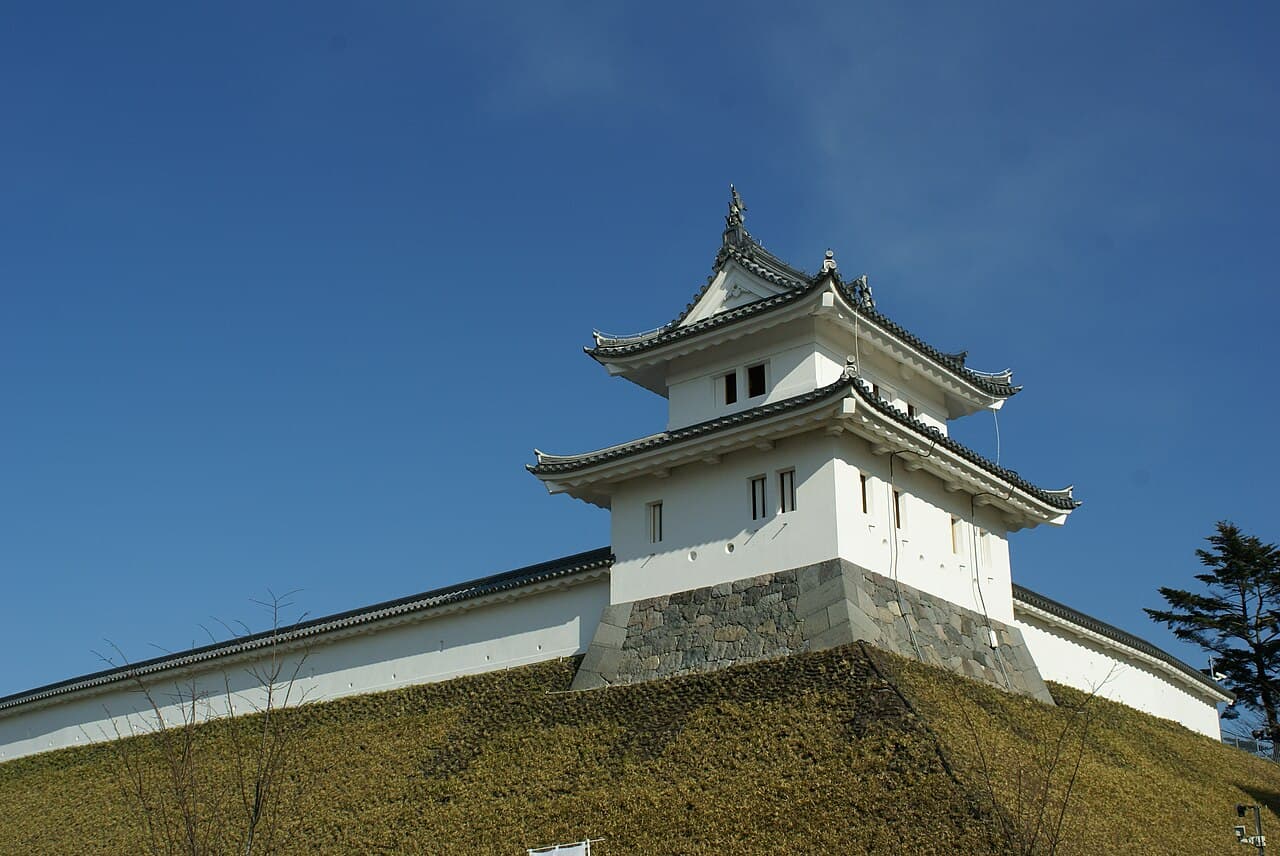
The castle originally featured a main keep (tenshu), surrounded by multiple baileys (courtyards) protected by stone walls and moats. The defensive design included earthen ramparts and watchtowers (yagura) positioned to maximize visibility and defense against attackers. The castle's layout was typical of Japanese hill castles, emphasizing natural topography to enhance defense.
Over time, parts of the castle were rebuilt or renovated, especially during the Edo period, when the Toda clan enhanced its residential and administrative buildings. While the original tenshu no longer stands, some gates and walls remain, offering visitors a glimpse into the castle's former grandeur. The castle grounds today include reconstructed sections and a park that preserves the historical site.
Moats and defensive works
Utsunomiya Castle was surrounded by multiple moats, which served as primary defensive barriers. These water-filled moats, combined with the elevated position, made direct assaults difficult. The castle's moats were complemented by steep slopes and fortified gates, which controlled access points.
Residential and administrative buildings
The inner baileys contained the lord's residence and administrative offices, which were constructed with wood and traditional Japanese architectural elements. These buildings were designed for both function and status, reflecting the authority of the Toda clan within the domain.
Modern status and cultural significance
Today, Utsunomiya Castle is recognized as an important cultural and historical site in Tochigi Prefecture. Although much of the original structure was lost due to fires, wars, and modernization, efforts have been made to preserve and reconstruct parts of the castle. The site functions as a public park and museum area, attracting visitors interested in Japanese history and castle architecture.
The castle's ruins and reconstructed features provide valuable insights into the military architecture and feudal governance of the Edo period. It also serves as a venue for cultural events and seasonal festivals, fostering local heritage appreciation.
Visitor experience and accessibility
Visitors to Utsunomiya Castle can explore the castle grounds, including reconstructed gates and walls, and enjoy views from the elevated areas. Informational displays and signage help interpret the site's history and architectural elements. The castle is accessible from Utsunomiya Station by public transport or a short walk, making it convenient for tourists and locals alike.
The surrounding city offers additional attractions, including temples, shrines, and traditional shops, enriching the cultural experience for visitors.
Frequently asked questions (FAQ)
- When was Utsunomiya Castle originally built?
- Utsunomiya Castle was originally constructed during the Sengoku period, which spanned from the mid-15th to early 17th century.
- What is the architectural style of Utsunomiya Castle?
- Utsunomiya Castle exemplifies the typical Japanese hill castle style, utilizing natural topography for defense with features like moats, stone walls, and earthen ramparts.
- Can visitors explore the castle grounds today?
- Yes, visitors can explore the castle grounds, including reconstructed gates and sections of walls, as well as enjoy the surrounding park and historical displays.
- How did the Toda clan influence Utsunomiya Castle?
- The Toda clan governed the Utsunomiya Domain from the castle during the Edo period, enhancing its administrative and residential buildings and maintaining its strategic importance.
- Is Utsunomiya Castle accessible by public transport?
- Yes, Utsunomiya Castle is accessible by public transport from Utsunomiya Station, with a short walk to the castle grounds.
Photo gallery

Information
Loading map...
Visitor reviews
No reviews yet. Been here? Write the first review and help other travelers!
Write the first reviewVisited this castle? Share your experience
Your review helps other travelers and adds first-hand knowledge to our encyclopedia.