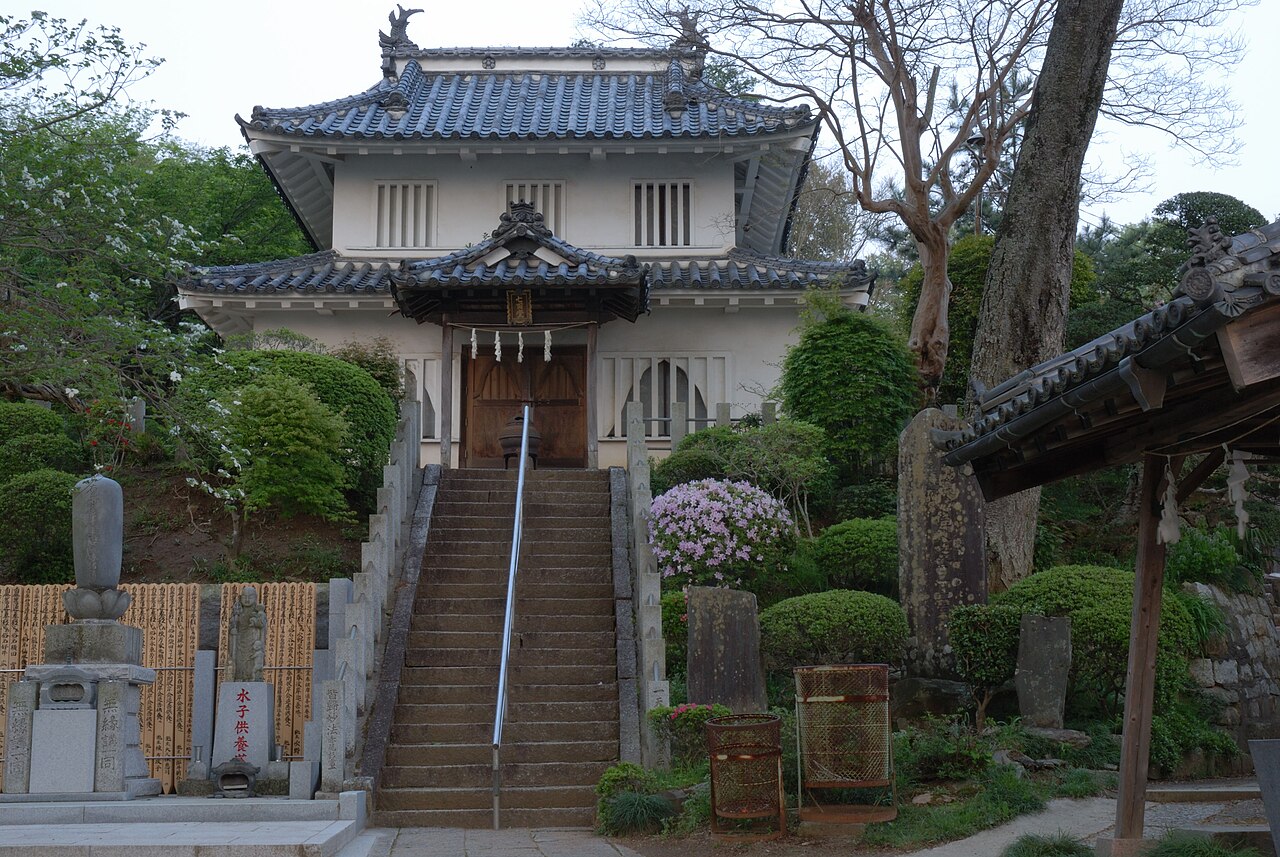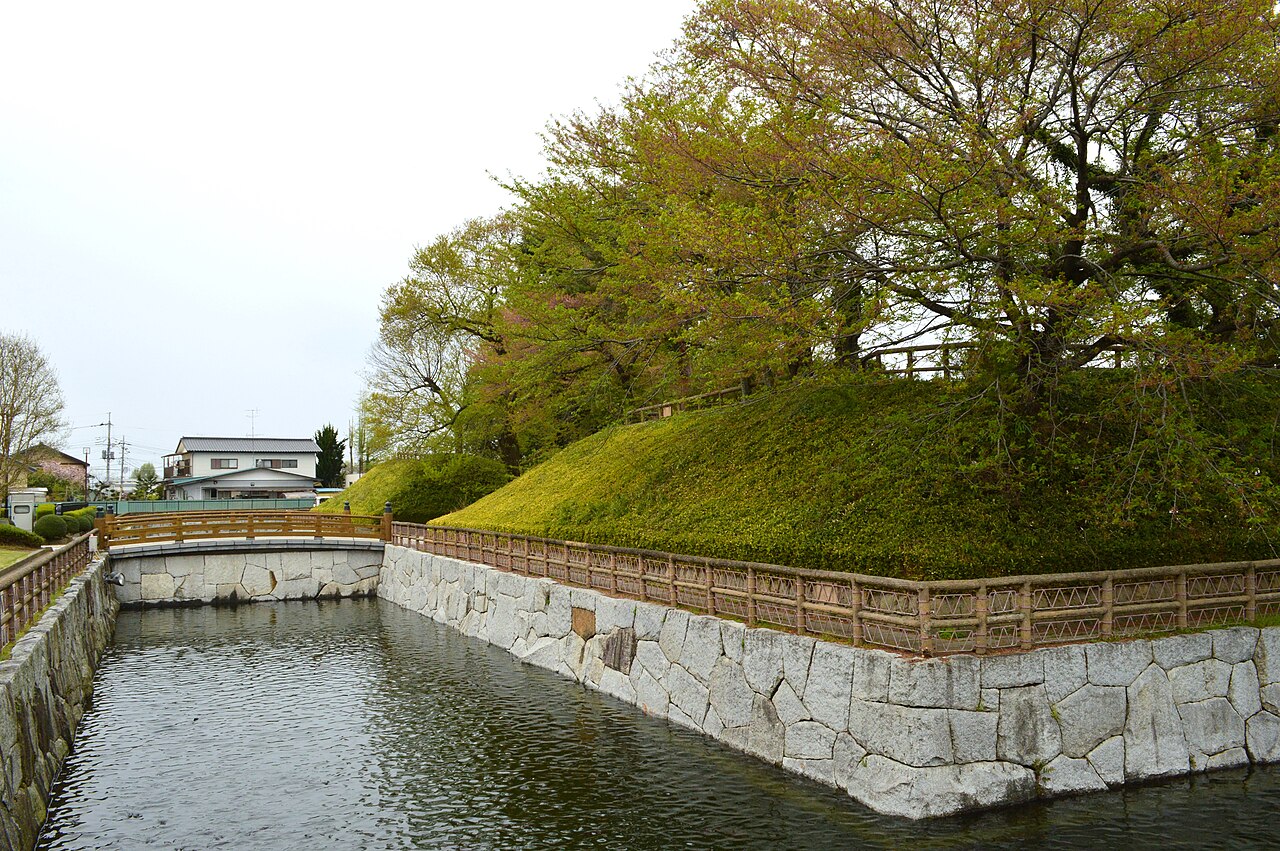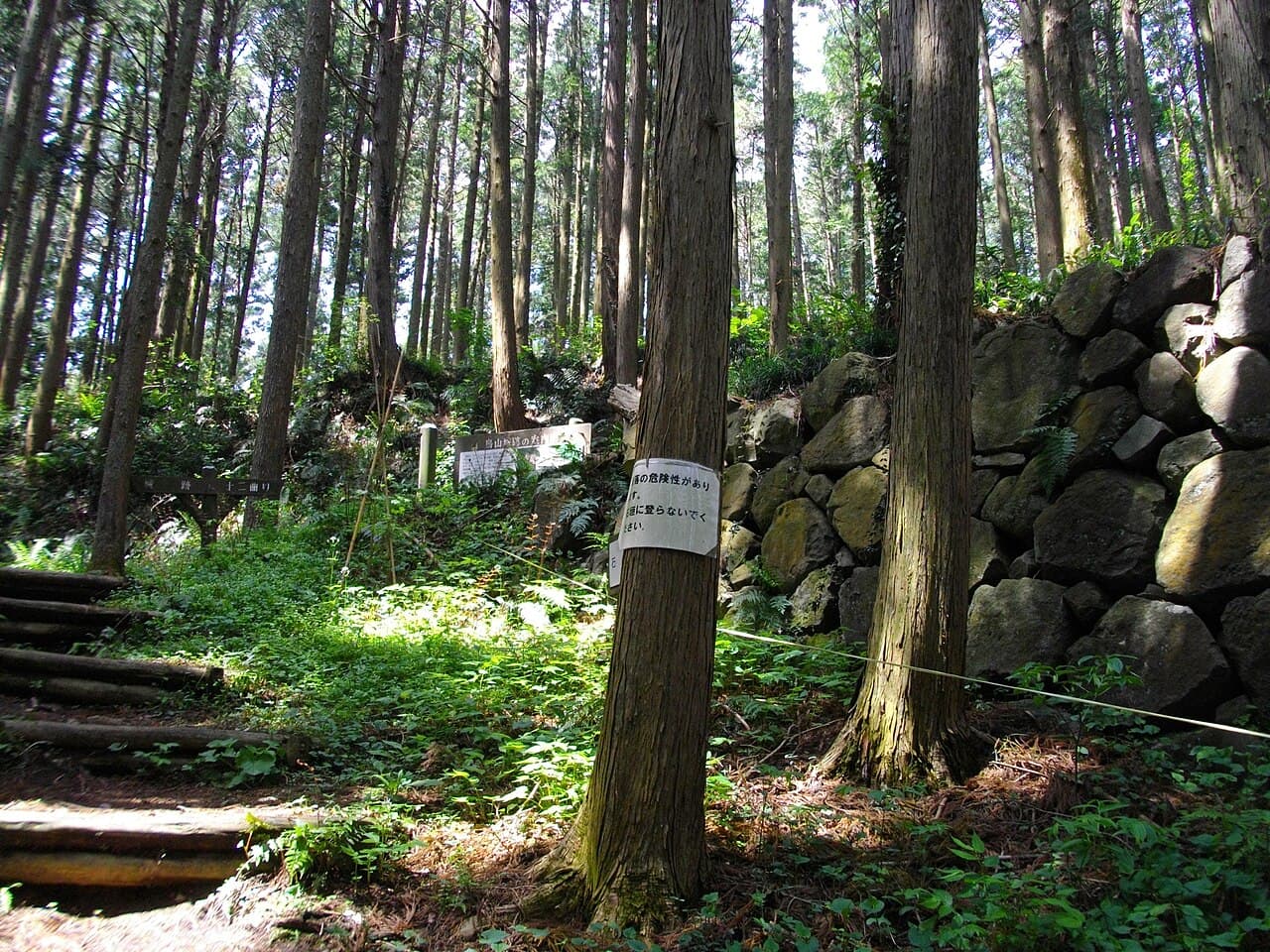
Karasuyama Castle — Japan castle

Karasuyama Castle

Karasuyama Castle: historic hill castle of Tochigi Prefecture
Nasukarasuyama, Japan
Late Medieval (14th–15th c.)
Ruins

Karasuyama Castle (烏山城, Karasuyama-jō) is a historically significant hill castle located in Nasukarasuyama, in the northern part of Tochigi Prefecture, Japan. Constructed originally in the 15th century during the late medieval period, this castle played a notable role in regional defense and governance. It is also known by the alternate name Cactus Castle (臥牛, Gagyu-jō), a title reflecting certain local or cultural associations.

Historical background and ownership

Karasuyama Castle was established during a time of frequent military conflicts and territorial disputes in Japan, a period marked by the rise of powerful samurai clans and the need for fortified residences. By the end of the Edo period, the castle served as the seat of a branch of the Ōkubo clan, who were the daimyōs of the Karasuyama Domain. The Ōkubo clan was a significant samurai family with various branches controlling different domains throughout Japan.

The castle's strategic position on a hill provided natural defensive advantages, allowing its occupants to monitor and control the surrounding area effectively. This location was typical for many Japanese castles built during the medieval era, designed to maximize defense against sieges and invasions.

Architectural features and layout

As a hill castle, Karasuyama Castle was constructed utilizing the natural topography to enhance its defensive capabilities. The castle complex included multiple baileys (courtyards) arranged on terraced levels ascending the hill. These baileys were protected by stone walls and earthen ramparts, which were common defensive features in Japanese castles of the period.

The main keep or tenshu of Karasuyama Castle, while not as large or elaborate as those found in some other famous castles, served as the central stronghold and residence of the lord. The castle also featured gates, watchtowers, and moats adapted to the hill's contours, enhancing its defense against attackers.

Over the centuries, the castle underwent various renovations and expansions to adapt to changing military technologies and the needs of its occupants. However, like many castles in Japan, it was eventually dismantled or fell into ruin after the Meiji Restoration, when the feudal system was abolished.

Cultural significance and current status

Karasuyama Castle holds cultural and historical importance as a symbol of the regional power dynamics during Japan's late medieval and Edo periods. It reflects the architectural styles and defensive strategies employed by samurai clans in northern Tochigi Prefecture.

Today, the castle no longer stands in its original form. The site is classified as ruins, with some remnants of walls and earthworks visible to visitors. The location remains a point of interest for historians, archaeologists, and tourists interested in Japan's feudal past and castle architecture.

Efforts have been made to preserve the site and provide educational information to visitors, highlighting the castle's historical context and its role within the Karasuyama Domain. The surrounding area offers scenic views and a glimpse into the strategic importance of hilltop fortifications in Japanese history.

Visiting karasuyama castle

The ruins of Karasuyama Castle are accessible to the public, allowing visitors to explore the historic grounds and enjoy panoramic views of the surrounding landscape. While there are no extensive facilities on site, informational signage helps contextualize the castle's history and architectural features.

Visitors interested in Japanese castle architecture and history will find Karasuyama Castle a valuable site for understanding the regional variations in castle construction and the legacy of samurai governance in Tochigi Prefecture.

Nearby attractions

The city of Nasukarasuyama and the broader Tochigi Prefecture offer additional cultural and natural attractions, including temples, shrines, and hot springs, providing a well-rounded experience for travelers exploring Japan's historical sites.

Frequently asked questions (FAQ)

How do I get to Karasuyama Castle?
Karasuyama Castle is located in Nasukarasuyama, Japan, and can be easily accessed by public transportation. You can take a train to Nasukarasuyama Station and then a short bus ride or taxi to the castle grounds.
What is the historical significance of Karasuyama Castle?
Karasuyama Castle, built in the early Edo period, served as a strategic military stronghold. It is historically significant as it played a crucial role during the unification of Japan under the Tokugawa shogunate.
When was Karasuyama Castle constructed?
Karasuyama Castle was constructed in 1622 by the Uesugi clan. It underwent several renovations over the years and was an important site until it fell into disuse in the late 19th century.
Can I visit Karasuyama Castle year-round?
Yes, Karasuyama Castle is open to visitors year-round, but certain facilities may have seasonal hours. It's best to check the official website for any seasonal events or maintenance closures before your visit.
Why is the architecture of Karasuyama Castle unique?
The architecture of Karasuyama Castle blends traditional Japanese castle design with distinct features that reflect the regional style of the Tochigi area. The castle's stone walls and wooden structures are notable, showcasing the craftsmanship of the era.
Is it possible to enter the castle grounds?
Yes, visitors can enter the castle grounds and explore the ruins and scenic views. While the main keep no longer exists, the site offers a glimpse into its historical past and beautiful landscapes.
What are the opening hours for Karasuyama Castle?
Karasuyama Castle typically opens at 9:00 AM and closes at 5:00 PM. However, hours may vary by season, so it's advisable to check the official site for the most current information.
What is the best time to visit Karasuyama Castle?
The best time to visit Karasuyama Castle is during the spring, when cherry blossoms bloom, creating a picturesque setting. Autumn is also beautiful, with vibrant foliage surrounding the castle ruins.
Are there any nearby attractions to explore?
Yes, nearby attractions include the Nasukarasuyama City Museum and various hiking trails that offer stunning views of the surrounding landscape. Visitors can also enjoy local cuisine in the nearby town after exploring the castle.
What are the ticket prices for visiting Karasuyama Castle?
Admission to Karasuyama Castle is typically free, allowing all visitors to enjoy the historical site without any cost. However, be sure to check for any special events that might have a fee associated.

Photo gallery

Karasuyama Castle
Click to view

Photo by Abasaa•Public domain

1 photo • Click any image to view in full screen

Information

Hill Castle

Loading map...

Visitor reviews

No reviews yet. Been here? Write the first review and help other travelers!

Write the first review

Visited this castle? Share your experience

Your review helps other travelers and adds first-hand knowledge to our encyclopedia.
Write a review

(5/5)

0/2000 characters

Your review will be visible after admin approval

Nearby castles

26.3 km
Utsunomiya Castle — Japan castle

Utsunomiya Castle

Utsunomiya, Japan

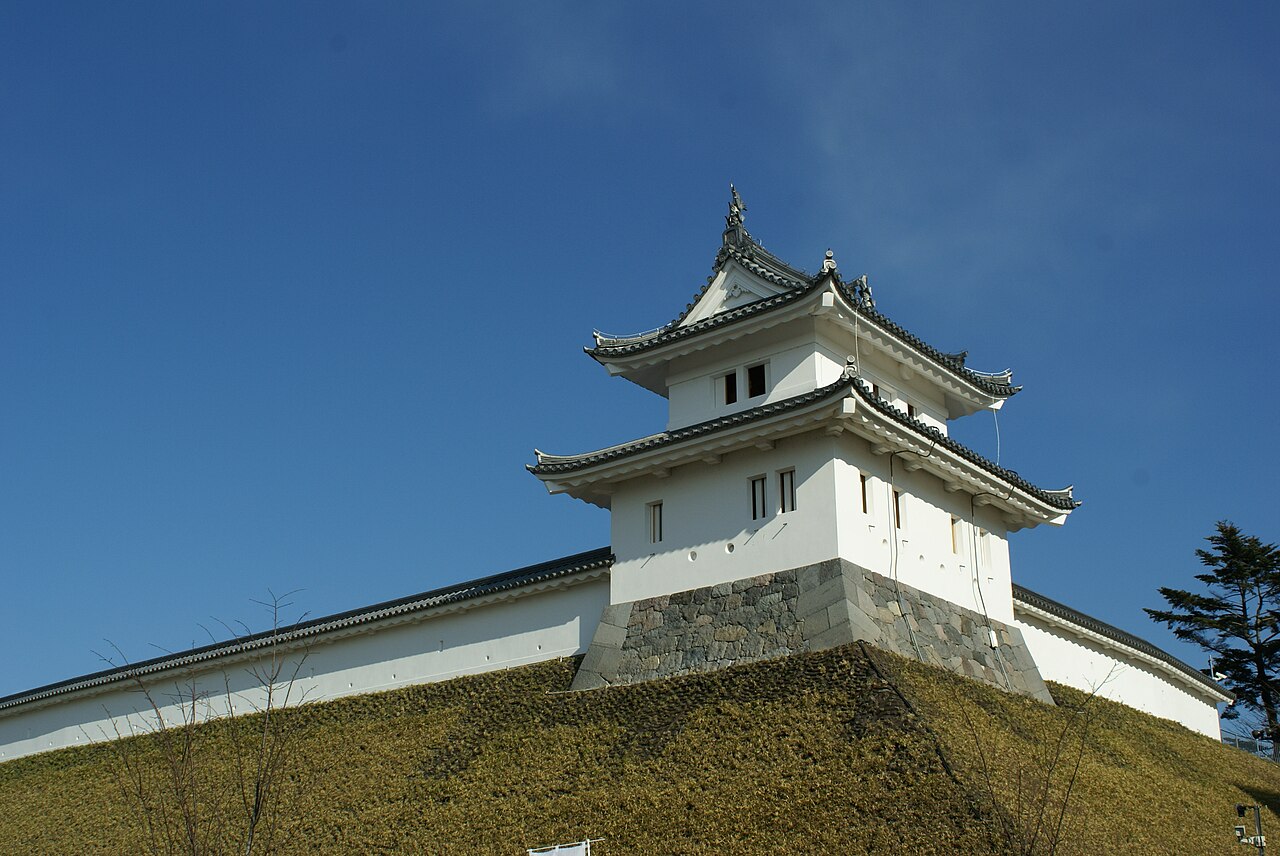
Utsunomiya Castle (宇都宮城, Utsunomiya-jō) is a notable hill castle located in Utsunomiya City, the capital of Tochigi Prefecture in central Japan. It occupies a strategic position that historically controlled important land routes in the northern Kanto region. The castle played a significant role during the Edo period as the seat of the Utsunomiya Domain, governed by a branch of the Toda clan, who were prominent daimyōs of the era.Constructed originally in the Sengoku period (mid-15th to early 17th century), Utsunomiya Castle underwent several reconstructions and expansions, reflecting the changing military and administrative needs of its rulers. The castle's location on a hill provided natural defensive advantages, supplemented by man-made fortifications including moats, earthen ramparts, and stone walls. Its design exemplifies the typical hill castle style common in Japan, which leveraged elevation for defense and surveillance.Historical background and strategic importanceUtsunomiya Castle's origins trace back to the turbulent Sengoku period, a time of near-constant military conflict among regional warlords. Its position in Tochigi Prefecture made it a key stronghold in controlling access to northern Honshu and protecting the approaches to Edo (modern Tokyo). The castle was repeatedly contested and changed hands among various clans before settling under the control of the Toda family during the Edo period.The Toda clan, entrusted by the Tokugawa shogunate, administered the Utsunomiya Domain from this castle. Their governance was marked by relative stability and development, with the castle serving as both a military fortress and an administrative center. The castle's role diminished after the Meiji Restoration when the feudal system was abolished, and many castle structures across Japan were dismantled or repurposed.Architectural features and castle layoutThe castle originally featured a main keep (tenshu), surrounded by multiple baileys (courtyards) protected by stone walls and moats. The defensive design included earthen ramparts and watchtowers (yagura) positioned to maximize visibility and defense against attackers. The castle's layout was typical of Japanese hill castles, emphasizing natural topography to enhance defense.Over time, parts of the castle were rebuilt or renovated, especially during the Edo period, when the Toda clan enhanced its residential and administrative buildings. While the original tenshu no longer stands, some gates and walls remain, offering visitors a glimpse into the castle's former grandeur. The castle grounds today include reconstructed sections and a park that preserves the historical site.Moats and defensive worksUtsunomiya Castle was surrounded by multiple moats, which served as primary defensive barriers. These water-filled moats, combined with the elevated position, made direct assaults difficult. The castle's moats were complemented by steep slopes and fortified gates, which controlled access points.Residential and administrative buildingsThe inner baileys contained the lord's residence and administrative offices, which were constructed with wood and traditional Japanese architectural elements. These buildings were designed for both function and status, reflecting the authority of the Toda clan within the domain.Modern status and cultural significanceToday, Utsunomiya Castle is recognized as an important cultural and historical site in Tochigi Prefecture. Although much of the original structure was lost due to fires, wars, and modernization, efforts have been made to preserve and reconstruct parts of the castle. The site functions as a public park and museum area, attracting visitors interested in Japanese history and castle architecture.The castle's ruins and reconstructed features provide valuable insights into the military architecture and feudal governance of the Edo period. It also serves as a venue for cultural events and seasonal festivals, fostering local heritage appreciation.Visitor experience and accessibilityVisitors to Utsunomiya Castle can explore the castle grounds, including reconstructed gates and walls, and enjoy views from the elevated areas. Informational displays and signage help interpret the site's history and architectural elements. The castle is accessible from Utsunomiya Station by public transport or a short walk, making it convenient for tourists and locals alike.The surrounding city offers additional attractions, including temples, shrines, and traditional shops, enriching the cultural experience for visitors.

Late Medieval (14th–15th c.)
Details
33.1 km
Kasama Castle — Japan castle

Kasama Castle

Kasama, Japan

Kasama Castle (笠間城, Kasama-jō) is a historic hill castle located in the city of Kasama, within Ibaraki Prefecture in central Japan. Constructed originally in the 13th century during the high medieval period, it has played a significant role in the region's feudal history. The castle's strategic position atop a hill provided a commanding view of the surrounding area, enabling effective defense and control over local territories. Early history and construction The origins of Kasama Castle date back to the Kamakura period, a time when Japan was consolidating its feudal domains under warrior clans. The castle was initially built as a fortified stronghold to secure the region and assert control over the surrounding lands. Its early construction featured typical hill castle characteristics, including earthen ramparts and wooden palisades, which were later replaced or reinforced with stone walls during subsequent renovations. Architectural features and layout Kasama Castle's design reflects the defensive needs and architectural styles of medieval Japan. The castle was built on a natural elevation, utilizing the hill's slope to enhance its fortifications. It originally included multiple baileys (courtyards) separated by moats and walls, with the central honmaru (main bailey) housing the main keep or tenshu. The complex also contained gates, watchtowers, and stone walls that were typical of Japanese castles from this era. Defensive structures The castle's fortifications included dry moats and earthen walls, designed to hinder enemy advances. The layout took advantage of the hill's natural terrain, creating steep slopes that made direct assaults difficult. Over time, stone reinforcements were added to key defensive points, enhancing the castle's resilience against siege warfare. Kasama castle in the edo period During the Edo period, Kasama Castle became the seat of the Kasama Domain, ruled by a junior branch of the Makino clan. The castle and domain experienced several changes in ownership among various clans in the early Edo period, reflecting the shifting political landscape under Tokugawa shogunate rule. Despite these changes, the castle remained an important administrative and military center for the region. Residence of the makino clan The Makino clan, as daimyō of Kasama Domain, used Kasama Castle not only as a military fortress but also as a residence and administrative headquarters. The castle grounds included living quarters, administrative buildings, and gardens, which were typical of Edo period castles serving dual military and residential functions. Modern status and preservation Today, Kasama Castle is recognized as a significant cultural and historical site. Although much of the original castle structures have not survived intact, the site retains important features such as portions of the stone walls, moats, and earthworks. The castle grounds are accessible to the public and serve as a place for historical education and cultural events. Preservation efforts have focused on maintaining the remaining architectural elements and promoting awareness of the castle's historical importance. Cultural significance Kasama Castle is valued for its representation of medieval Japanese castle architecture and its role in the feudal history of the Kanto region. It is a popular destination for visitors interested in Japanese history, traditional architecture, and the legacy of the samurai era.

High Medieval (11th–13th c.)
Details
40.6 km
Mibu Castle — Japan castle

Mibu Castle

Mibu, Japan

Mibu Castle (壬生城, Mibu-jō) is a historic hill castle located in Mibu, in the southern part of Tochigi Prefecture, Japan. Constructed in the 15th century during the late medieval period, it played a significant role in the regional power dynamics of the time. The castle is notable for its strategic position on elevated terrain, which provided natural defensive advantages typical of Japanese hill castles. Historical background and ownership The castle was originally built in the Muromachi period, a time marked by frequent conflicts among regional warlords. By the end of the Edo period, Mibu Castle was the residence of a branch of the Torii clan, who were the daimyō of the Mibu Domain. The Torii clan were prominent retainers under the Tokugawa shogunate, and their stewardship of the castle reflected the feudal hierarchy and governance of the period. Architectural features and layout Mibu Castle exemplified characteristics of Japanese hill castles (yamajiro), incorporating the natural topography into its defensive design. The castle complex was arranged to maximize the use of steep slopes and natural barriers, supplemented by man-made fortifications such as earthen walls and moats. Although the original structures have not fully survived, archaeological remains and historical records indicate the presence of multiple baileys (kuruwa), defensive gates, and watchtowers strategically placed to oversee the surrounding area. Defensive structures The castle's defenses included earthen ramparts and dry moats that enhanced its protection against attackers. The use of natural ridges and valleys was integral to the castle's layout, making direct assaults difficult. The main enclosure (honmaru) was positioned at the highest point, serving as the last line of defense and the residence of the lord. Residential and administrative buildings Within the castle grounds, there were living quarters for the daimyō and his retainers, as well as administrative buildings necessary for managing the domain. These structures were typically built of wood with tiled roofs, reflecting the architectural style of the period. The castle also featured storage facilities for provisions and armaments. Role during the Edo period During the Edo period (1603–1868), Mibu Castle functioned primarily as a local administrative center under the governance of the Torii clan. The castle's military significance diminished as Japan experienced relative peace under Tokugawa rule. However, it remained an important symbol of feudal authority and local governance within the Mibu Domain. Current status and preservation Today, Mibu Castle no longer retains its original buildings, as many were dismantled or fell into ruin following the Meiji Restoration and subsequent modernization efforts. The site is recognized for its historical value, with remnants of the castle's earthworks and moats still visible. Efforts have been made to preserve these features, and the location serves as a cultural heritage site attracting visitors interested in Japan's feudal past. Visitor experience The castle grounds are accessible to the public and provide a glimpse into the defensive strategies of Japanese hill castles. Walking paths allow visitors to explore the remaining fortifications and enjoy views of the surrounding landscape. Informational signage offers historical context, enhancing the educational experience. Significance in Japanese castle history Mibu Castle represents a typical example of a late medieval Japanese hill castle that transitioned into a feudal administrative center during the Edo period. Its association with the Torii clan links it to the broader political and military history of the Tokugawa shogunate. The castle's design reflects the adaptation of natural terrain for defensive purposes, a hallmark of Japanese castle architecture. Architectural legacy Although much of the original structure has been lost, the site provides valuable insights into the construction techniques and strategic considerations of the period. The use of earthen walls and moats at Mibu Castle exemplifies common defensive features employed in hill castles across Japan.

Late Medieval (14th–15th c.)
Details