Mibu Castle
Mibu Castle (壬生城, Mibu-jō) is a historic hill castle located in Mibu, in the southern part of Tochigi Prefecture, Japan. Constructed in the 15th century during the late medieval period, it played a significant role in the regional power dynamics of the time. The castle is notable for its strategic position on elevated terrain, which provided natural defensive advantages typical of Japanese hill castles.
Historical background and ownership
The castle was originally built in the Muromachi period, a time marked by frequent conflicts among regional warlords. By the end of the Edo period, Mibu Castle was the residence of a branch of the Torii clan, who were the daimyō of the Mibu Domain. The Torii clan were prominent retainers under the Tokugawa shogunate, and their stewardship of the castle reflected the feudal hierarchy and governance of the period.
Architectural features and layout
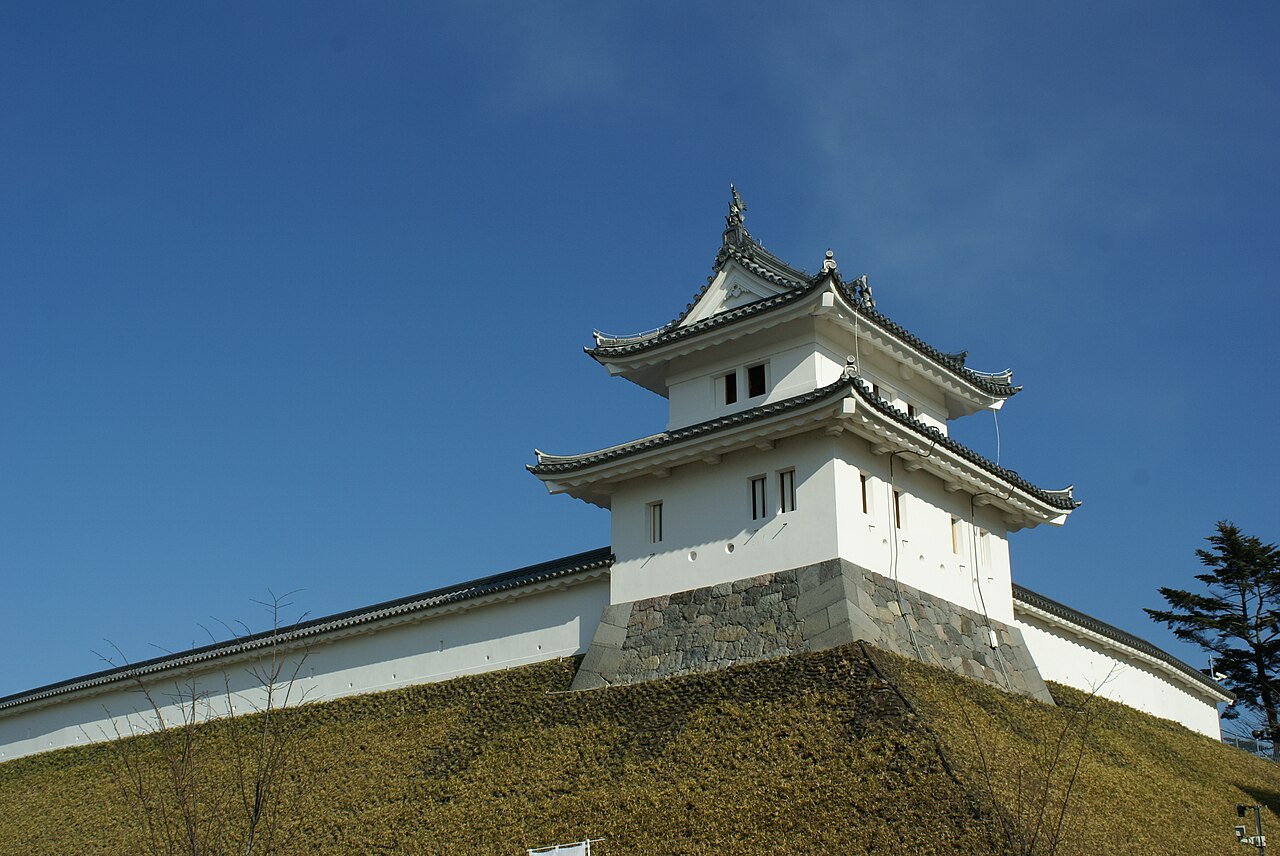
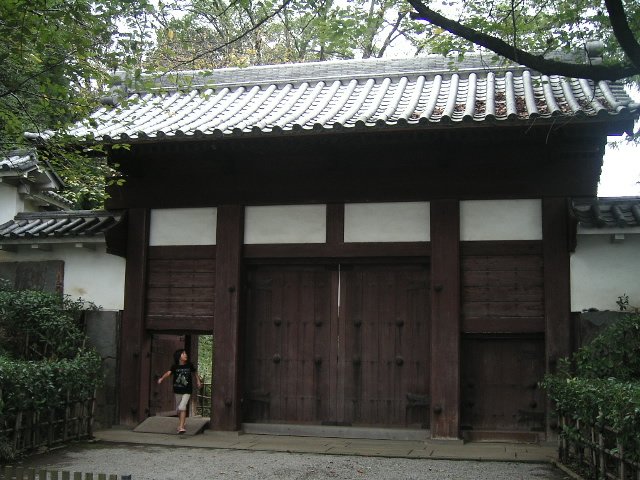
Mibu Castle exemplified characteristics of Japanese hill castles (yamajiro), incorporating the natural topography into its defensive design. The castle complex was arranged to maximize the use of steep slopes and natural barriers, supplemented by man-made fortifications such as earthen walls and moats. Although the original structures have not fully survived, archaeological remains and historical records indicate the presence of multiple baileys (kuruwa), defensive gates, and watchtowers strategically placed to oversee the surrounding area.
Defensive structures
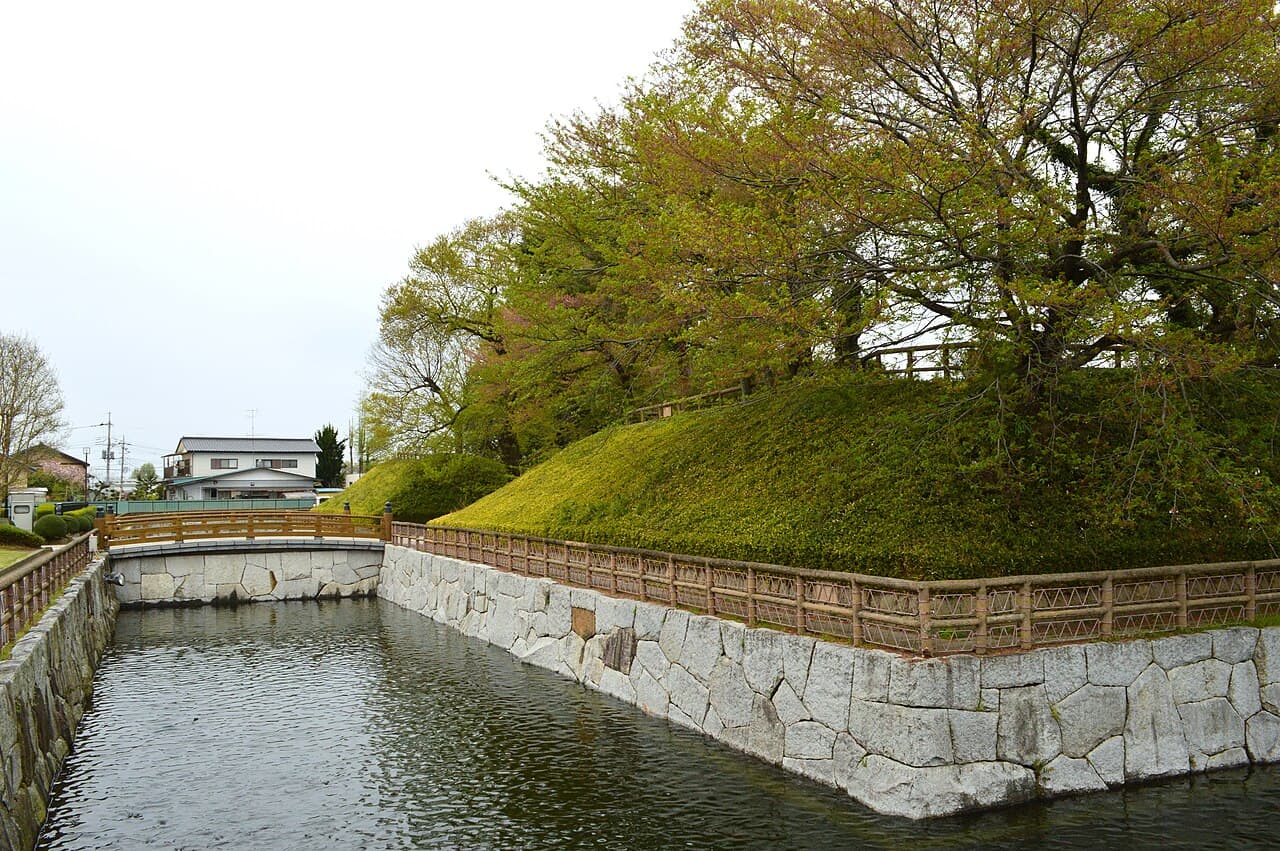
The castle's defenses included earthen ramparts and dry moats that enhanced its protection against attackers. The use of natural ridges and valleys was integral to the castle's layout, making direct assaults difficult. The main enclosure (honmaru) was positioned at the highest point, serving as the last line of defense and the residence of the lord.
Residential and administrative buildings
Within the castle grounds, there were living quarters for the daimyō and his retainers, as well as administrative buildings necessary for managing the domain. These structures were typically built of wood with tiled roofs, reflecting the architectural style of the period. The castle also featured storage facilities for provisions and armaments.
Role during the Edo period
During the Edo period (1603–1868), Mibu Castle functioned primarily as a local administrative center under the governance of the Torii clan. The castle's military significance diminished as Japan experienced relative peace under Tokugawa rule. However, it remained an important symbol of feudal authority and local governance within the Mibu Domain.
Current status and preservation
Today, Mibu Castle no longer retains its original buildings, as many were dismantled or fell into ruin following the Meiji Restoration and subsequent modernization efforts. The site is recognized for its historical value, with remnants of the castle's earthworks and moats still visible. Efforts have been made to preserve these features, and the location serves as a cultural heritage site attracting visitors interested in Japan's feudal past.
Visitor experience
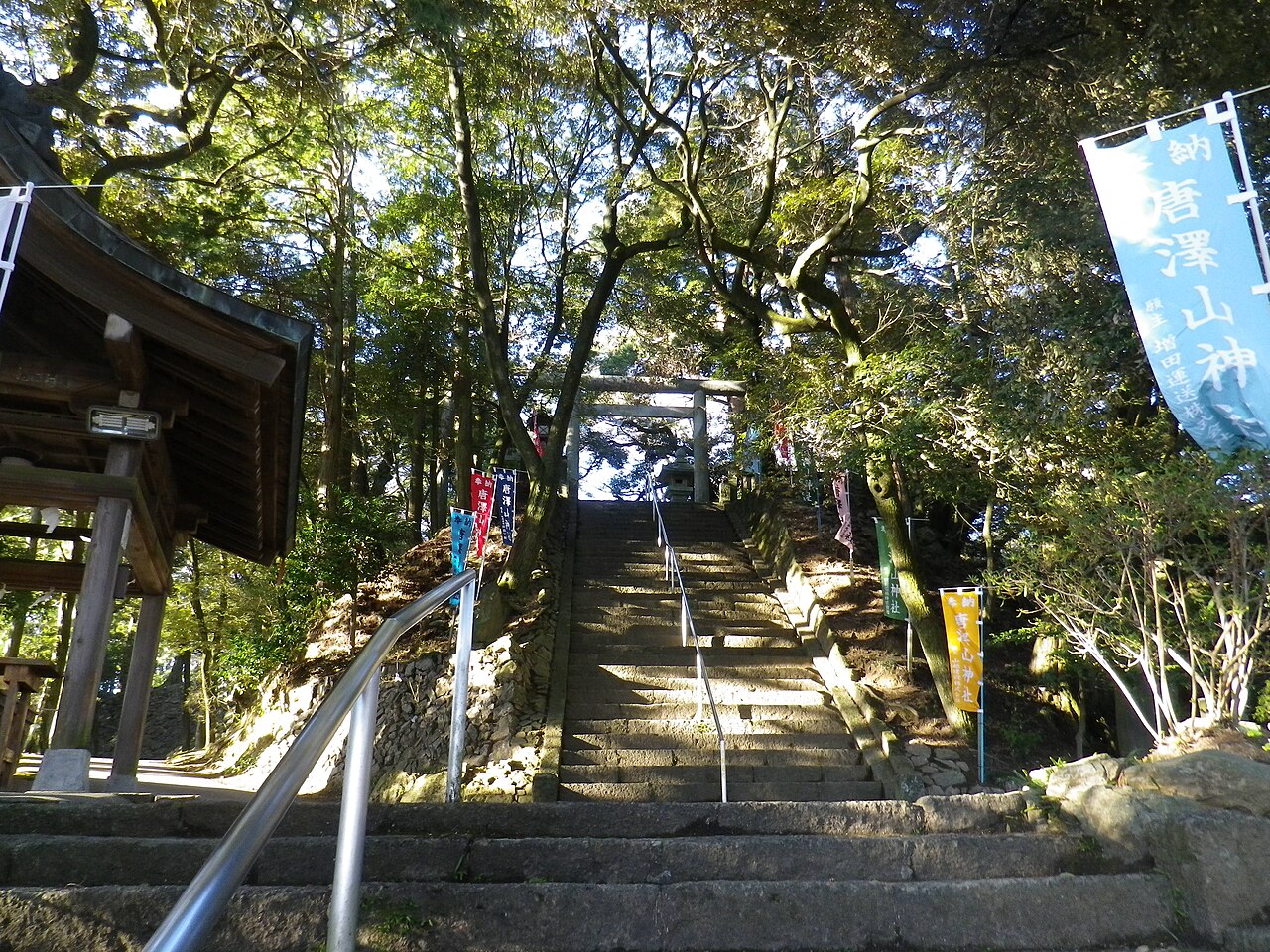
The castle grounds are accessible to the public and provide a glimpse into the defensive strategies of Japanese hill castles. Walking paths allow visitors to explore the remaining fortifications and enjoy views of the surrounding landscape. Informational signage offers historical context, enhancing the educational experience.
Significance in Japanese castle history
Mibu Castle represents a typical example of a late medieval Japanese hill castle that transitioned into a feudal administrative center during the Edo period. Its association with the Torii clan links it to the broader political and military history of the Tokugawa shogunate. The castle's design reflects the adaptation of natural terrain for defensive purposes, a hallmark of Japanese castle architecture.
Architectural legacy
Although much of the original structure has been lost, the site provides valuable insights into the construction techniques and strategic considerations of the period. The use of earthen walls and moats at Mibu Castle exemplifies common defensive features employed in hill castles across Japan.
Frequently asked questions (FAQ)
- How do I get to Mibu Castle?
- Mibu Castle is accessible by public transportation, with Mibu Station being the closest train station. From there, it’s a short bus ride or a pleasant walk to the castle grounds, making it easy for visitors to reach this historical site.
- What is the historical significance of Mibu Castle?
- Mibu Castle was constructed in the late 16th century and played a vital role during Japan's feudal era. It served as a strategic military base and a symbol of power for the local samurai clans, reflecting the rich history of the region.
- When was Mibu Castle built?
- Mibu Castle was built in 1584 by the powerful feudal lord Hori Hidemasa. Its construction marked a significant development in the area, as it was part of the broader territorial conflicts during Japan's Sengoku period.
- Can I visit Mibu Castle year-round?
- Yes, Mibu Castle is open to visitors throughout the year, allowing guests to experience its beauty in all seasons. However, some facilities may have varying hours depending on the time of year, so it’s advisable to check in advance.
- Why is Mibu Castle known for its architecture?
- Mibu Castle features traditional Japanese castle architecture, including stone walls, moats, and wooden structures that exemplify the style of the period. Its design not only served defensive purposes but also showcased the artistry and craftsmanship of the time.
- Is it possible to explore the castle grounds?
- Absolutely! Visitors can explore the castle grounds, which are beautifully landscaped and include walking paths. While the main keep has not survived, the ruins and surrounding nature provide a picturesque setting for exploration and photography.
- What are the opening hours for Mibu Castle?
- Mibu Castle is typically open from 9 AM to 5 PM, but hours may vary on holidays or during special events. It's best to check the official website or contact local tourism information for the most accurate opening times.
- What are the ticket prices for Mibu Castle?
- Entry to Mibu Castle is free, allowing everyone to enjoy its historical significance without a cost barrier. However, some events or guided tours may require a fee, so be sure to check ahead for any specific offerings.
- When is the best time to visit Mibu Castle?
- The best time to visit Mibu Castle is during the cherry blossom season in spring, typically from late March to early April. The blooming cherry trees surrounding the castle create a stunning backdrop, enhancing the experience for visitors.
- Are there any nearby attractions to Mibu Castle?
- Yes, there are several nearby attractions, including historical temples and parks that showcase local culture and nature. Visitors can also explore the scenic landscapes of Mibu and enjoy local dining options within a short distance from the castle.

Information
Current owner
Municipality
Loading map...
Visitor reviews
No reviews yet. Been here? Write the first review and help other travelers!
Write the first reviewVisited this castle? Share your experience
Your review helps other travelers and adds first-hand knowledge to our encyclopedia.