Karasawa Castle
Karasawayama Castle (唐沢山城, Karasawayama-jō) is a historically significant Japanese hill castle located in the city of Sano, within Tochigi Prefecture in the northern Kantō region of Japan. Originally constructed during the Heian period, this castle site played a vital role through the Sengoku period, reflecting the turbulent military and political climate of medieval Japan.
Historical background and strategic importance
The castle's origins trace back to the Heian period (794–1185), a time when regional fortifications began emerging to assert control over local territories. Karasawayama Castle was built atop a hill, a common strategic choice in Japanese castle construction, providing a commanding view of the surrounding landscape and enhancing defensive capabilities. Its location in the northern Kantō region made it a focal point in controlling access routes and regional power struggles.
Throughout the Late Medieval period, particularly during the Sengoku period (1467–1615), Karasawayama Castle was a stronghold for various samurai clans. It was notably controlled by the Karasawa clan, a powerful family whose influence extended across the region. The castle's fortifications and natural defenses made it a formidable base during the frequent conflicts of the era.
Architectural features and layout
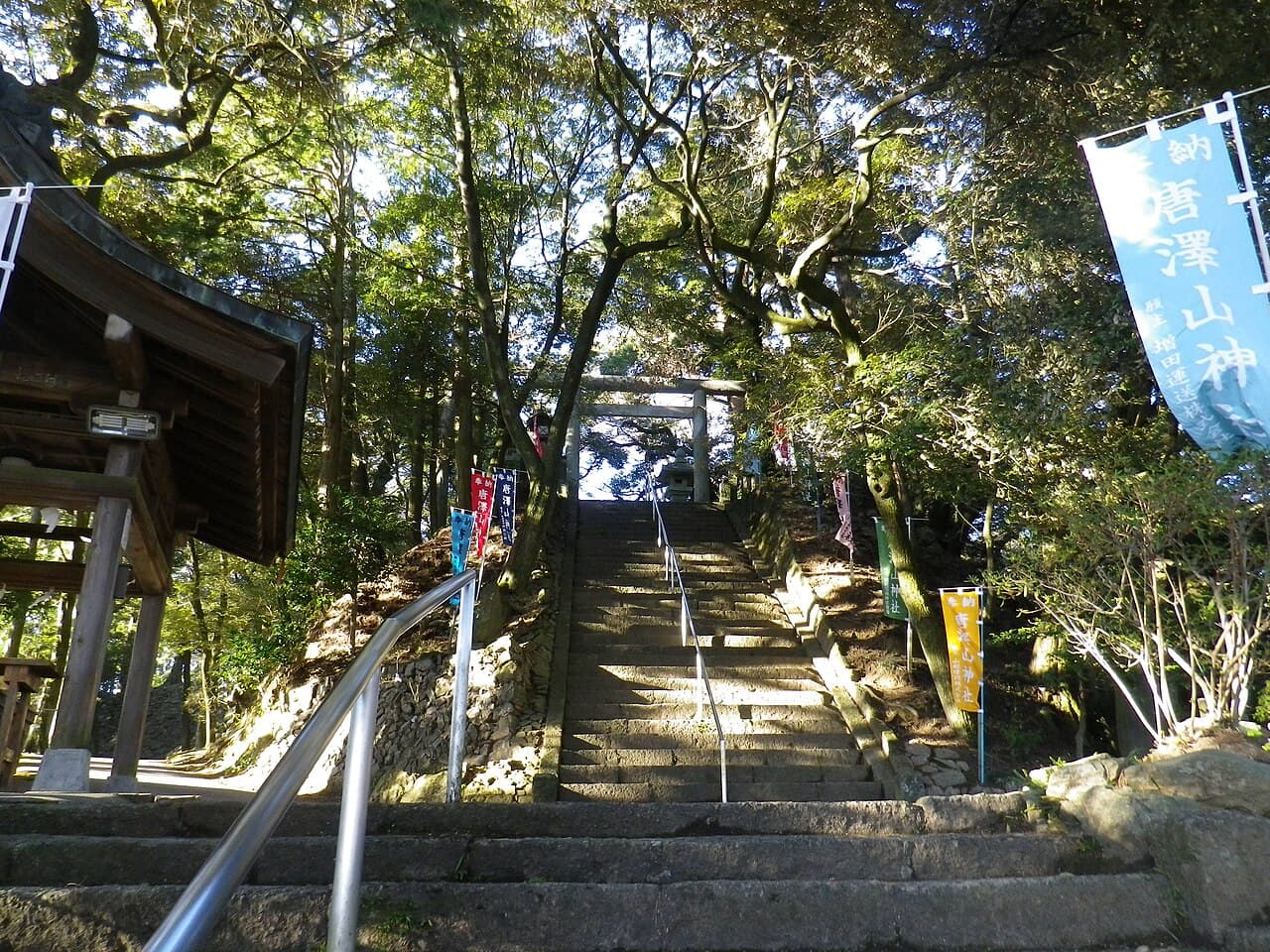
Karasawayama Castle exemplifies the characteristics of a hill castle with its integration into the natural topography. The castle complex was designed to maximize the defensive advantages of its elevated position. It featured multiple baileys (courtyards) arranged in terraces along the hillside, connected by narrow paths and steep stairs that hindered enemy movement.
The main enclosure (honmaru) was situated at the highest point, serving as the residence and command center. Surrounding it were secondary enclosures (ni-no-maru and san-no-maru) that housed troops, storage facilities, and administrative buildings. Defensive walls made of earthworks and stone, along with wooden palisades, reinforced the perimeter.
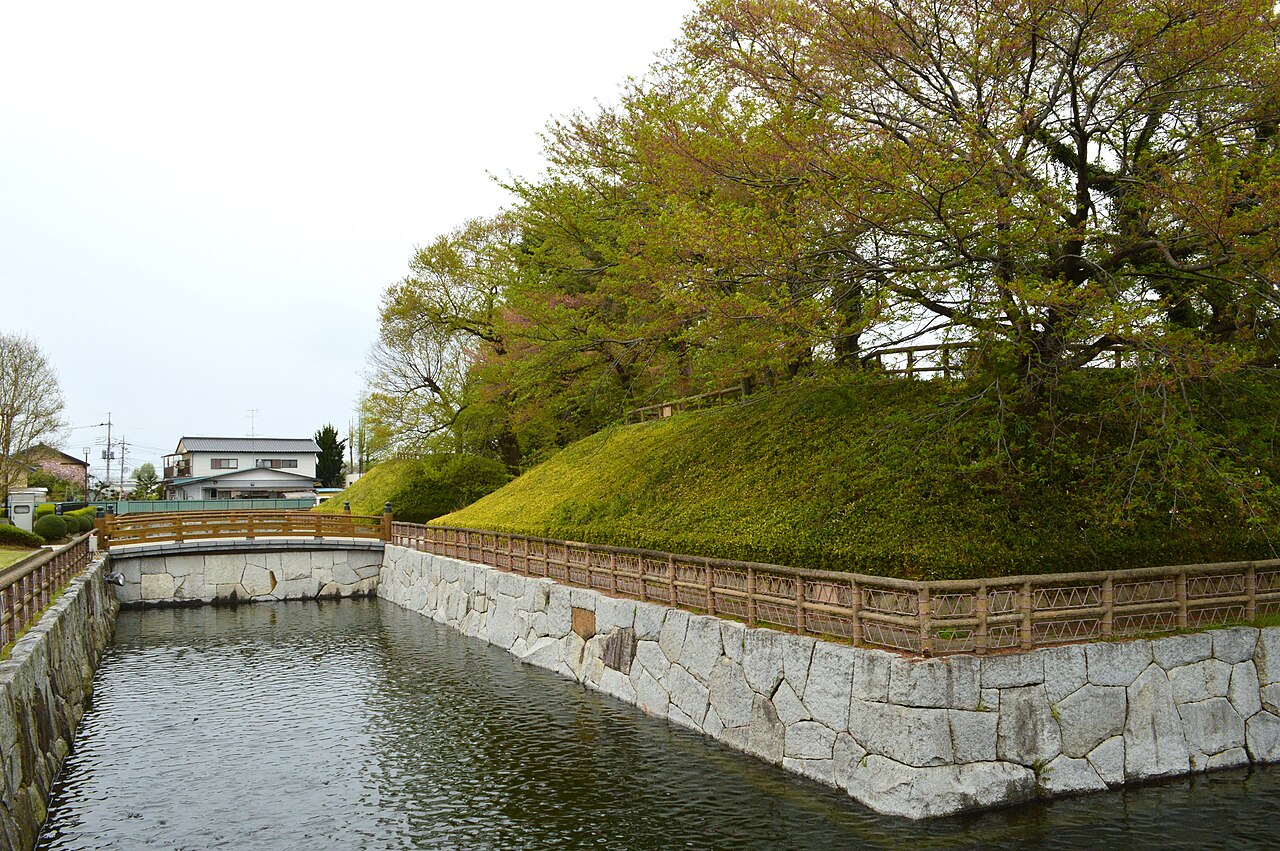
Karasawayama Castle also utilized natural cliffs and ravines as part of its defenses, reducing the need for extensive man-made fortifications on certain sides. Moats, both dry and water-filled, were incorporated where terrain allowed, further complicating any assault.
Decline and preservation
The castle's military significance waned after the unification of Japan under the Tokugawa shogunate in the early 17th century. Like many castles of the period, it fell into disuse and was eventually abandoned. Over time, much of the above-ground structure deteriorated, leaving primarily earthworks and foundation remnants.
Recognizing its cultural and historical value, the site of Karasawayama Castle was designated a National Historic Site in 2014. Preservation efforts focus on maintaining the remaining earthworks, stone walls, and the castle's overall layout, allowing visitors to appreciate its historical context and architectural ingenuity.
Visiting Karasawayama Castle today
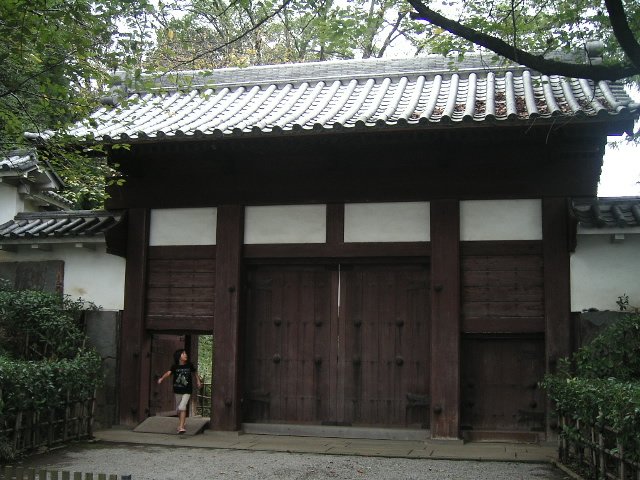
Today, Karasawayama Castle remains an important heritage site for those interested in Japanese medieval history and castle architecture. The site offers walking trails that follow the original castle terraces, providing panoramic views of the surrounding Tochigi countryside. Interpretive signage helps visitors understand the castle's historical role and structural features.
While the castle no longer retains its original buildings, the preserved earthworks and strategic location convey the scale and complexity of this late medieval hill castle. It is a valuable destination for history enthusiasts, scholars, and tourists exploring Japan's feudal past.
Frequently asked questions (FAQ)
- What is the historical significance of Karasawa Castle?
- Karasawa Castle, built in the late 16th century, played a crucial role during the Sengoku period in Japan. It served as a strategic military outpost and is a testament to the architectural styles of the time, reflecting the feudal history of the region.
- When was Karasawa Castle constructed?
- Karasawa Castle was constructed in 1584 by the Watanabe clan as a defensive fortress. Its location was chosen for its strategic advantages, overseeing important trade routes and providing a vantage point against potential invasions.
- Can I visit Karasawa Castle year-round?
- Yes, Karasawa Castle is open to visitors year-round, but certain areas may be restricted during inclement weather or maintenance. It's advisable to check local announcements before planning your visit.
- What are the opening hours for Karasawa Castle?
- Karasawa Castle is typically open from 9 AM to 5 PM, with last admissions one hour before closing. Seasonal variations may apply, so it's best to confirm the hours on the official website before your visit.
- Is it possible to access Karasawa Castle by public transport?
- Yes, Karasawa Castle is accessible via public transport. Visitors can take a train to Sano Station and then a local bus or taxi to the castle, making it convenient for those relying on public transportation.
- What is the best time to visit Karasawa Castle?
- The best time to visit Karasawa Castle is during the spring (March to May) and autumn (September to November) when the weather is mild and the surrounding scenery is particularly beautiful. These seasons also feature vibrant foliage and blooming flowers, enhancing the castle's picturesque views.
- Are there any nearby attractions to explore after visiting Karasawa Castle?
- Yes, visitors can explore several nearby attractions, including the Sano City Museum and the beautiful gardens at Sano Kannon Temple. The area is rich in culture and history, providing a well-rounded experience for guests.
- What are the ticket prices for entering Karasawa Castle?
- Entry to Karasawa Castle is generally free of charge, making it an accessible destination for all visitors. However, special exhibitions or guided tours may have separate fees, so it’s advisable to check for any updates before your visit.
- How do I prepare for my visit to Karasawa Castle?
- To prepare for your visit, wear comfortable shoes as some areas may require walking on uneven surfaces. Bringing a camera is also recommended to capture the stunning architecture and scenic views from the castle grounds.
Photo gallery

Information
Loading map...
Visitor reviews
No reviews yet. Been here? Write the first review and help other travelers!
Write the first reviewVisited this castle? Share your experience
Your review helps other travelers and adds first-hand knowledge to our encyclopedia.