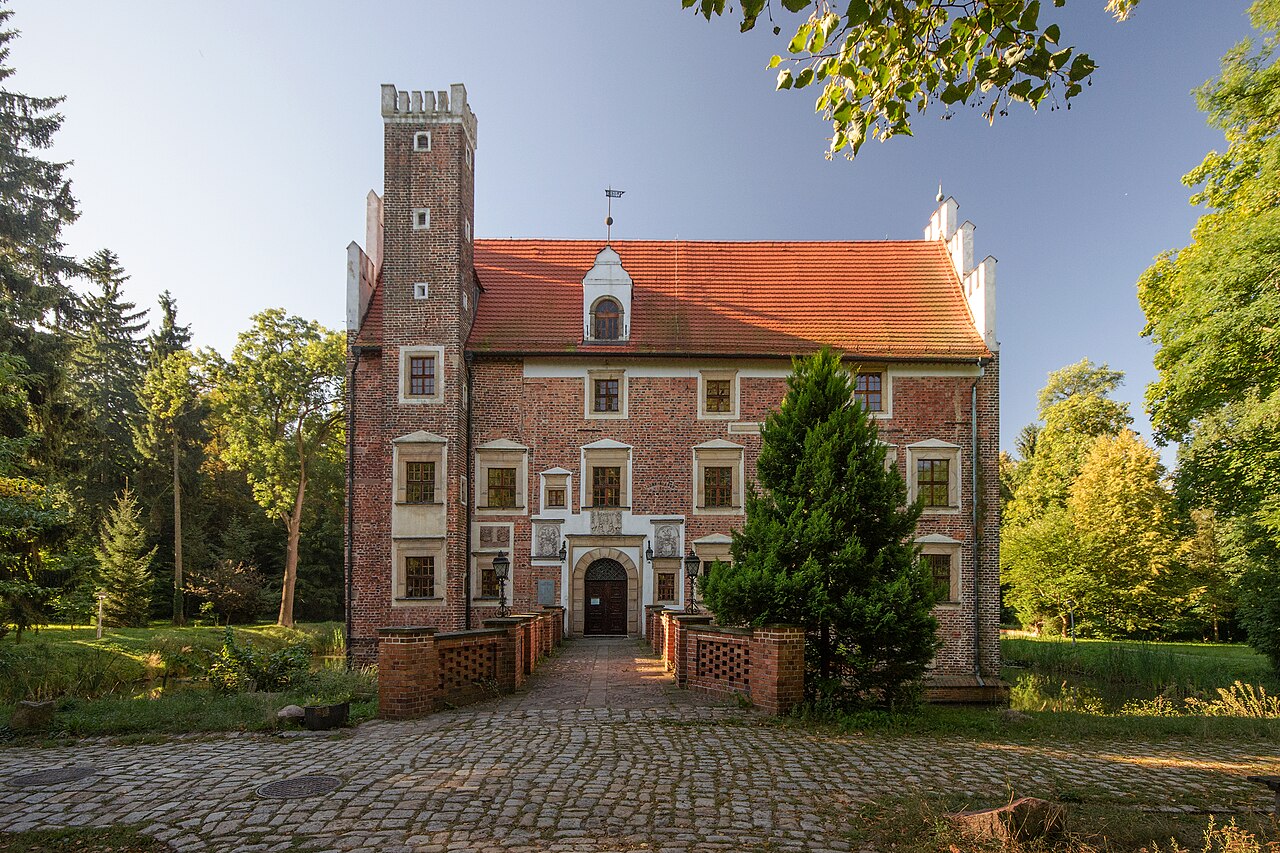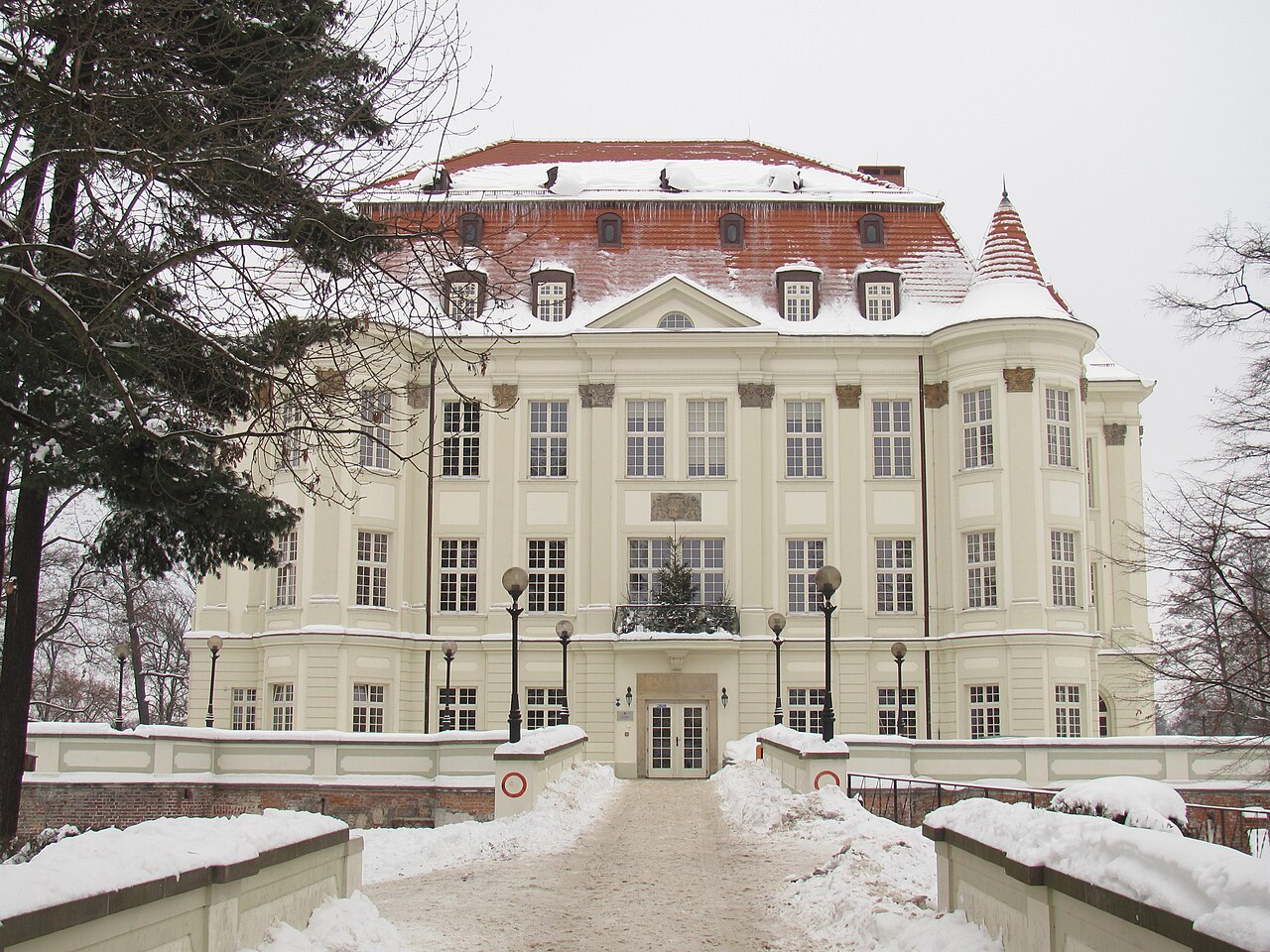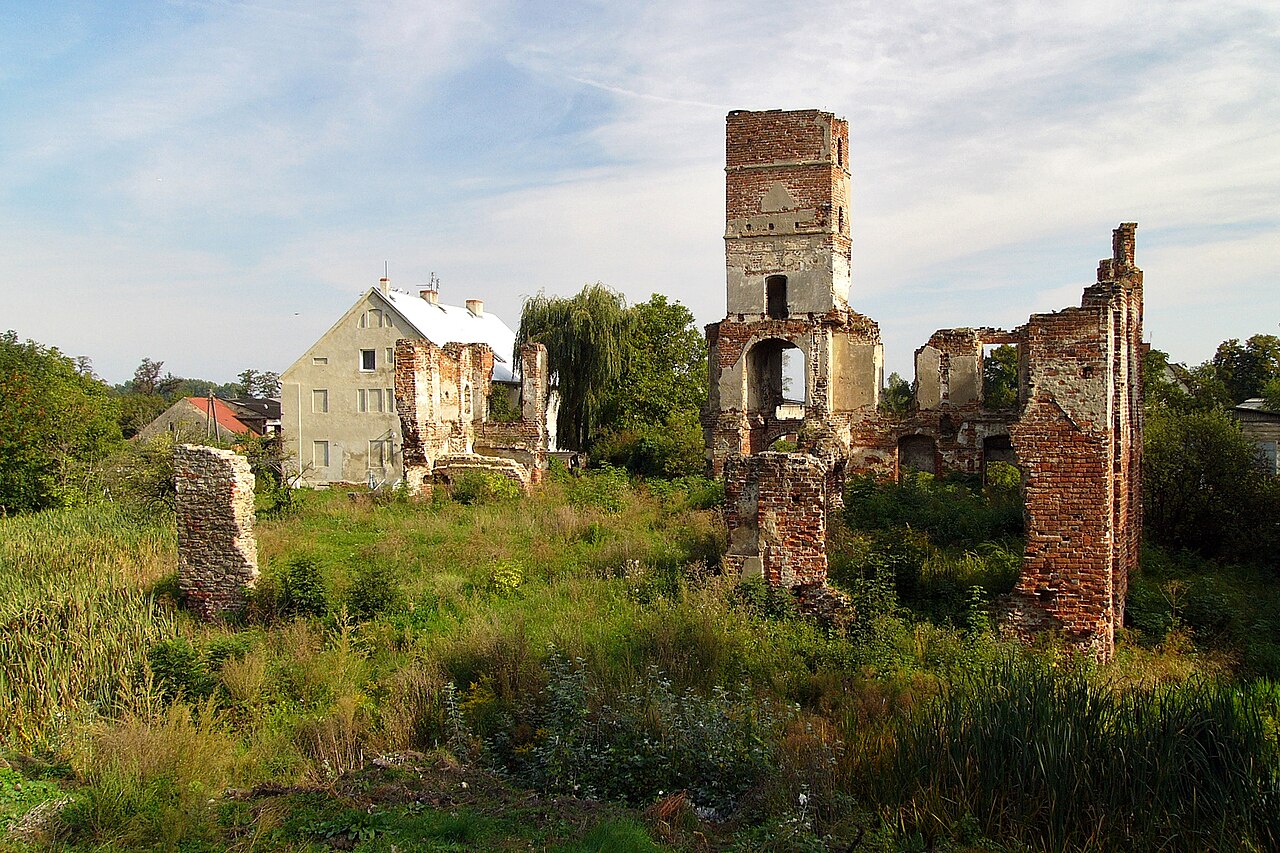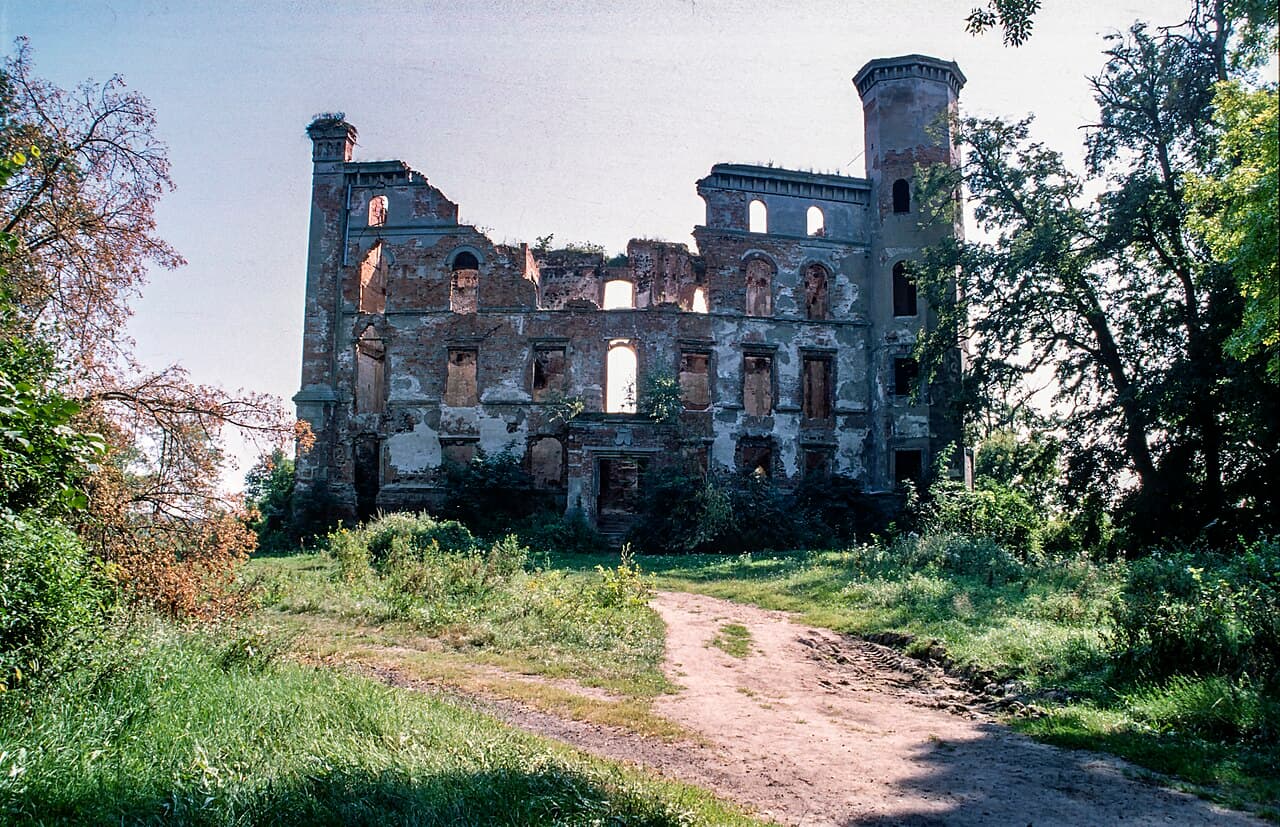
Uraz Castle is a notable example of a 14th-century hill castle located in Poland. Constructed during the late medieval period, the castle served as a strategic fortification and residence for local nobility. Its position on elevated terrain provided a natural defensive advantage, typical of hill castles built during this era.
Historical background and significance
The castle's origins trace back to the 14th century, a time marked by frequent territorial conflicts and the consolidation of noble power across the region. Uraz Castle was likely commissioned by a regional lord to assert control over the surrounding lands and protect trade routes. Throughout its history, the castle witnessed various military engagements and changes in ownership, reflecting the turbulent political landscape of medieval Poland.
Architectural features and layout
Uraz Castle exhibits typical characteristics of late medieval fortifications. The castle's design includes robust stone walls, defensive towers, and a fortified gatehouse. The use of local stone materials contributed to its durability and imposing presence. The castle's layout was likely organized around a central courtyard, with residential quarters, storage facilities, and defensive structures arranged to maximize security and functionality.
Defensive structures
The castle's defensive elements include thick curtain walls equipped with battlements, allowing defenders to repel attackers effectively. Towers provided vantage points for surveillance and archery. The entrance was probably protected by a gatehouse with a drawbridge or portcullis, common features in medieval hill castles designed to control access and withstand sieges.
Residential and functional areas
Within the castle, living quarters were designed to accommodate the noble family and their retainers. These spaces included a great hall for gatherings and feasts, private chambers, and service rooms. Storage areas for food, weapons, and supplies ensured the castle could sustain prolonged periods of isolation during conflicts.
Cultural and heritage importance
Today, Uraz Castle stands as a significant cultural landmark in Poland, representing the architectural and historical heritage of the late medieval period. Although its current condition varies, the castle remains a subject of interest for historians, archaeologists, and visitors fascinated by medieval fortifications and the history of Polish nobility.
Visiting information and preservation
While specific details about public access and preservation efforts for Uraz Castle are limited, hill castles of this era often attract tourism due to their scenic locations and historical value. Preservation initiatives typically focus on stabilizing remaining structures and promoting awareness of the site's historical context.
Frequently asked questions (FAQ)
- When was Uraz Castle built?
- Uraz Castle was constructed in the 14th century during the late medieval period, reflecting typical fortification styles of that era.
- What type of castle is Uraz Castle?
- Uraz Castle is classified as a hill castle, built on elevated terrain to provide strategic defensive advantages.
- What are the main architectural features of Uraz Castle?
- The castle features thick stone walls, defensive towers, a fortified gatehouse, and a central courtyard with residential and functional areas.
- Is Uraz Castle open to visitors?
- Specific visiting information for Uraz Castle is limited, but hill castles in Poland often attract tourists interested in medieval history and architecture.
- Why was Uraz Castle built on a hill?
- Building on a hill provided natural defense, allowing better surveillance of the surrounding area and making the castle harder to attack.
Photo gallery

Information
Loading map...
Visitor reviews
No reviews yet. Been here? Write the first review and help other travelers!
Write the first reviewVisited this castle? Share your experience
Your review helps other travelers and adds first-hand knowledge to our encyclopedia.