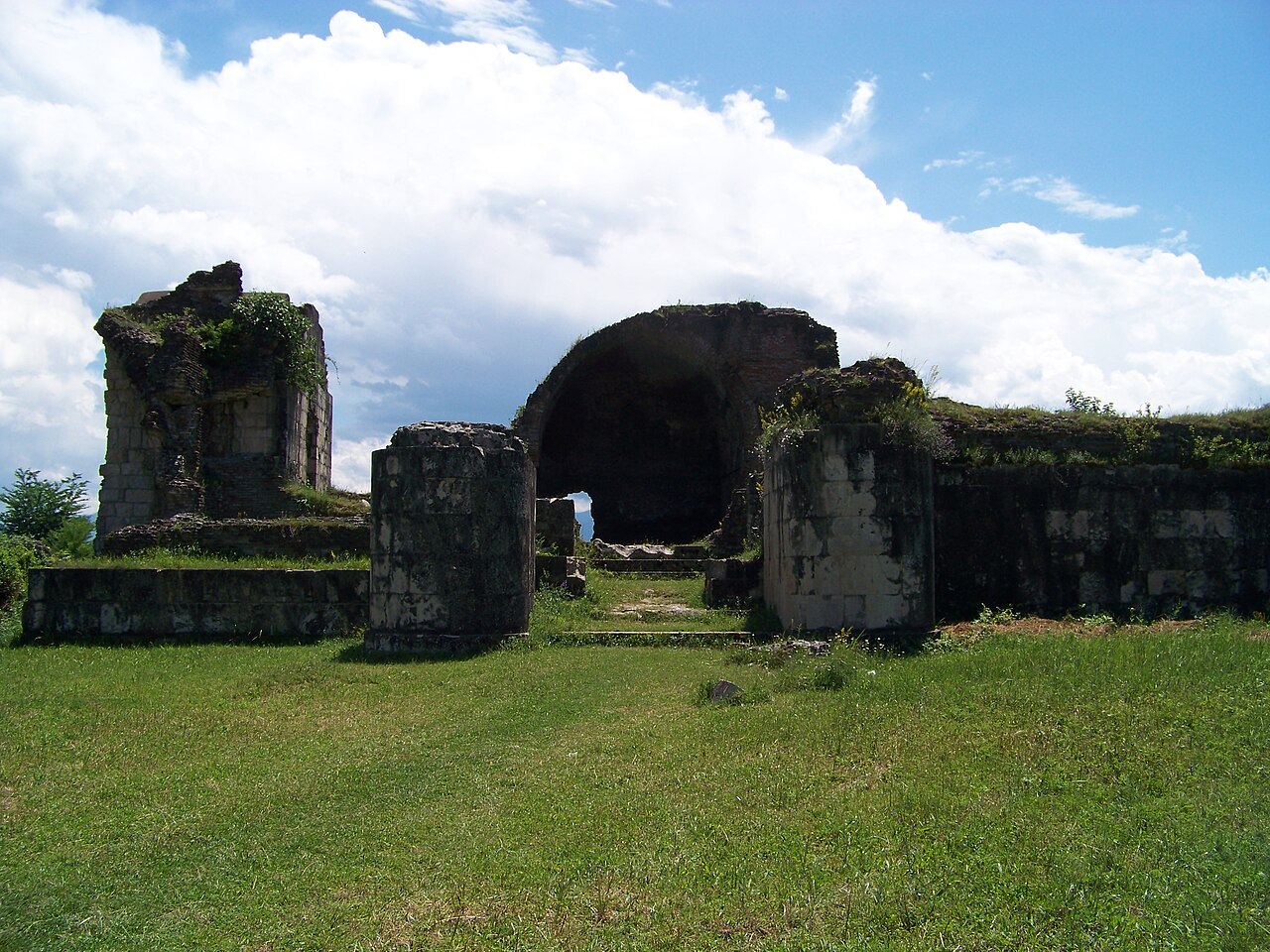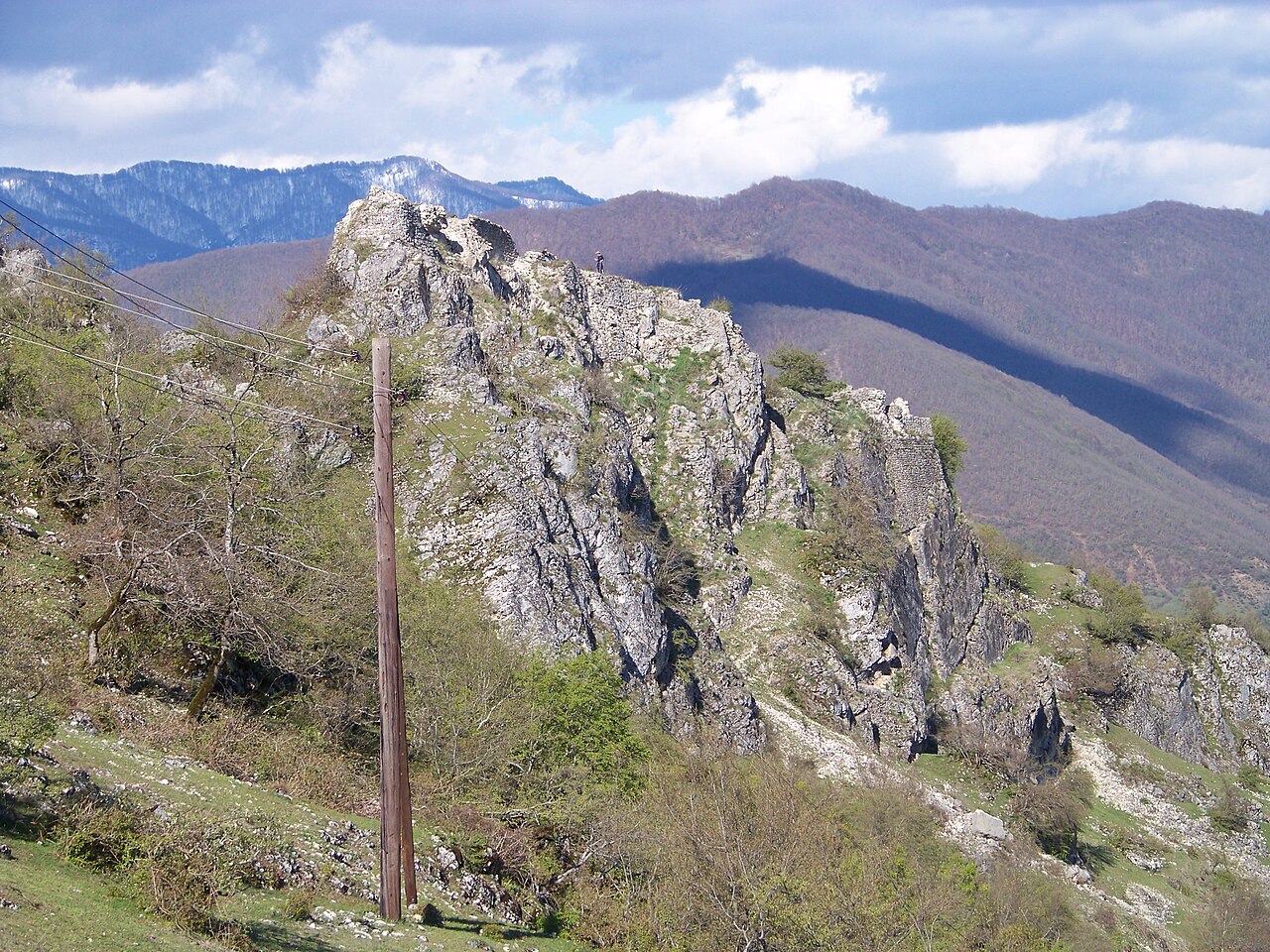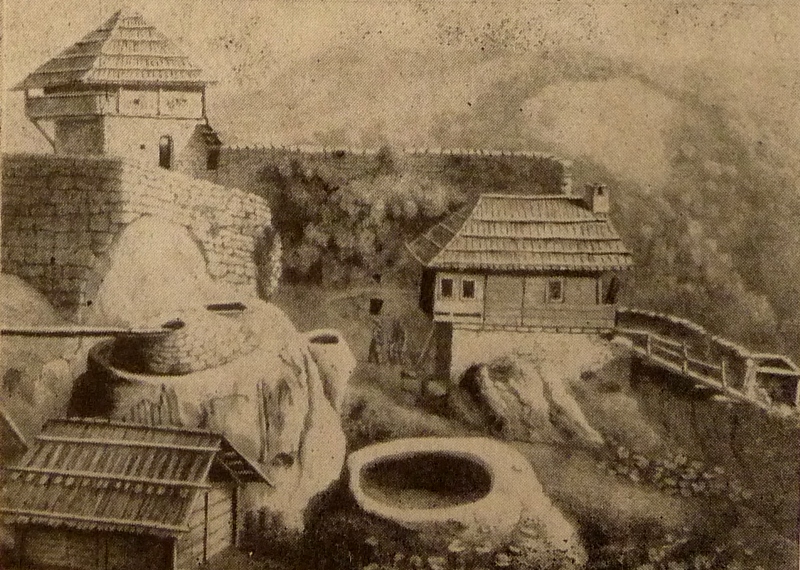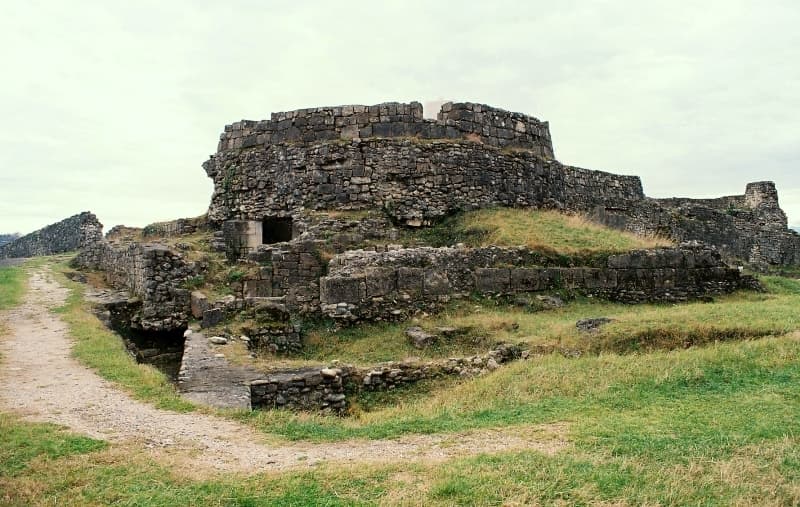
The Uqimerioni fortress is a notable example of a bastioned fortress located in the country of Georgia. While the exact city or town of its location remains uncertain, the fortress itself stands as a significant representation of military architecture designed to withstand artillery assaults typical of the post-medieval period.
Historical context and strategic importance
The fortress was constructed during a period when defensive structures evolved to counter the increasing use of gunpowder and cannons in warfare. This transition necessitated the development of bastioned fortifications, which featured angled bastions projecting outward from the curtain walls, allowing defenders to cover adjacent walls with crossfire and reduce blind spots vulnerable to attack.
Uqimerioni fortress's design reflects these military innovations, indicating its construction likely took place in the 16th to 18th centuries, a time when such fortifications were common in the Caucasus region to defend against both Ottoman and Persian incursions. Its location in Georgia, a crossroads between empires, made it strategically valuable for controlling routes and protecting local populations.
Architectural features and design
The fortress is characterized by its bastioned layout, with multiple angular bastions designed to provide overlapping fields of fire. These bastions would have housed artillery pieces and infantry, enabling defenders to repel attackers effectively. The walls are thick and robust, constructed from local stone materials, providing substantial resistance against cannon fire.
Typical of bastioned fortresses, Uqimerioni likely includes a deep moat or ditch surrounding the walls, enhancing its defensive capabilities by impeding direct assaults. The entrance would have been heavily fortified, possibly with a gatehouse and drawbridge mechanism, to control access and provide additional protection.
Inside the fortress, there would have been various functional buildings such as barracks, armories, storage facilities, and possibly a commander's residence, arranged around a central courtyard. These structures supported the garrison stationed at the fortress and ensured sustained defense during sieges.
Preservation and current condition
Information about the current condition of Uqimerioni fortress is limited, but bastioned fortresses in the region often suffer from partial ruin due to centuries of conflict, neglect, and natural decay. Restoration efforts, if any, are not widely documented, and the fortress may present as a partially preserved or ruined site today.
Cultural and heritage significance
As a bastioned fortress in Georgia, Uqimerioni contributes to the understanding of military architecture in the Caucasus and the region's turbulent history involving various empires and local powers. It reflects the adaptation of European-style fortification techniques to local conditions and the strategic importance of Georgia as a frontier zone.
The fortress is a point of interest for historians, archaeologists, and visitors interested in military history and Georgian heritage. Its architectural features and historical context provide insight into the defensive strategies employed in the region during the early modern period.
Frequently asked questions (FAQ)
- What is the historical significance of Uqimerioni fortress?
- Uqimerioni fortress is significant as a bastioned fortress reflecting military architectural developments in Georgia during the post-medieval period, particularly in response to artillery warfare.
- Can visitors access Uqimerioni fortress?
- Details about public access to Uqimerioni fortress are limited, and potential visitors should check local sources or authorities for current visiting information.
- What are the main architectural features of Uqimerioni fortress?
- The fortress features angular bastions, thick stone walls, and likely included a moat and fortified entrance, characteristic of bastioned fortifications designed to withstand cannon attacks.
Photo gallery

Information
Loading map...
Visitor reviews
No reviews yet. Been here? Write the first review and help other travelers!
Write the first reviewVisited this castle? Share your experience
Your review helps other travelers and adds first-hand knowledge to our encyclopedia.