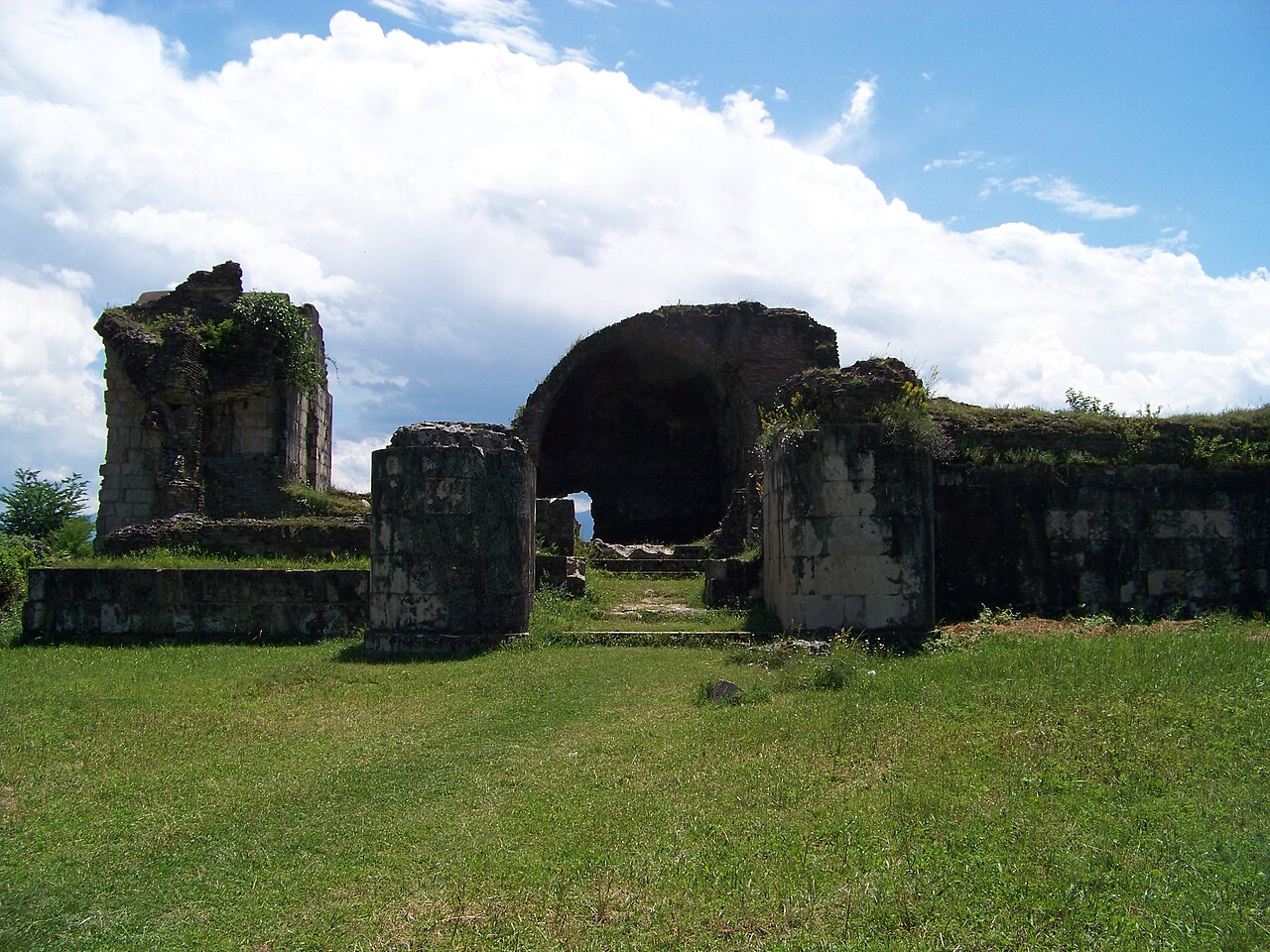
Askana Fortress — Georgia castle

Askana Fortress

Askana Fortress in Georgia
Early Medieval (5th–10th c.)
Partially Preserved

Askana Fortress is a significant early medieval bastioned fortress located in Georgia, with origins tracing back to the 4th century. This fortress exemplifies the military architecture of the period, reflecting the strategic importance of fortifications in the Caucasus region during the early phases of medieval history.

Historical context and significance

The construction of Askana Fortress in the 4th century places it among the earliest fortifications in Georgia, a time when the region was a crossroads of empires and cultures. This period saw frequent conflicts and invasions, necessitating strong defensive structures. The fortress served as a military stronghold, protecting local settlements and trade routes from external threats.

Throughout its history, Askana Fortress witnessed various phases of occupation and adaptation, reflecting the evolving military technologies and political dynamics of the Caucasus. Its strategic location allowed control over key passages and contributed to the defense system of the region.

Architectural features and design

Bastioned fortress characteristics

Askana Fortress is classified as a bastioned fortress, a type of fortification that incorporates angular bastions projecting outward from the curtain walls. These bastions were designed to provide overlapping fields of fire, eliminating blind spots and enhancing the fortress's defensive capabilities. Although bastioned fortifications are more commonly associated with later periods, Askana's early medieval bastions represent an advanced understanding of military architecture for its time.

Construction materials and techniques

The fortress was constructed using locally sourced stone and mortar, typical of early medieval Georgian fortresses. The walls are thick and robust, designed to withstand sieges and artillery attacks. The masonry work demonstrates skilled craftsmanship, with carefully shaped stones fitted together to form durable defensive walls.

Defensive structures

Key defensive elements of Askana Fortress include high curtain walls, bastions at strategic points, and possibly a moat or natural defensive barriers such as steep terrain. The fortress likely contained towers for observation and archery, as well as a gatehouse controlling access. The interior would have housed barracks, storage facilities, and command quarters, although detailed archaeological evidence is limited.

Geographical setting and strategic importance

Situated in Georgia, Askana Fortress occupies a position that allowed control over important regional routes. The fortress's location leveraged natural topography to enhance its defenses, often built on elevated ground or rocky outcrops to provide visibility and tactical advantage against approaching enemies.

This strategic placement was vital during the early medieval period when Georgia faced threats from neighboring empires and nomadic groups. The fortress formed part of a network of defensive sites that safeguarded the region's political and economic interests.

Preservation and current condition

Today, Askana Fortress remains a partially preserved monument, with sections of its walls and bastions still visible. The site offers valuable insights into early medieval military architecture in Georgia. Preservation efforts focus on stabilizing the existing structures to prevent further deterioration and to facilitate archaeological study.

Visitors to the fortress can explore the ruins, which convey the scale and complexity of the fortification system. The fortress stands as a testament to the region's historical resilience and architectural ingenuity.

Archaeological research and cultural heritage

Archaeological investigations at Askana Fortress have uncovered artifacts and structural remains that contribute to understanding the early medieval period in Georgia. These findings help reconstruct the fortress's role in regional defense and daily life during its active use.

The fortress is recognized as part of Georgia's cultural heritage, reflecting the country's rich history of fortification and military strategy. It attracts historians, archaeologists, and visitors interested in early medieval architecture and the Caucasus's historical landscape.

Frequently asked questions (FAQ)

How do I get to Askana Fortress?
Askana Fortress is located in the picturesque region of Georgia, easily accessible by car or public transport from nearby cities. The nearest major city is Tbilisi, from where you can take a bus or hire a taxi for a scenic drive through the countryside.
What is the historical significance of Askana Fortress?
Askana Fortress dates back to the 12th century and played a crucial role in the defense of the region against invasions. It is a testament to the medieval architecture and strategic military importance of the area, showcasing the rich history of Georgia.
When was Askana Fortress built?
Construction of Askana Fortress began in the late 12th century, during the reign of the Georgian Kingdom. It has undergone various renovations over the centuries, reflecting the architectural styles and defense needs of different eras.
Can I visit Askana Fortress year-round?
Yes, Askana Fortress is open to visitors year-round, although the best time to visit is during the spring and fall when the weather is mild and the scenery is particularly beautiful. Be sure to check local conditions before planning your trip, especially in winter.
Why is Askana Fortress considered an architectural marvel?
The fortress is renowned for its impressive stone construction and intricate designs that blend seamlessly with the surrounding landscape. Its strategic design includes multiple towers and walls that showcase the ingenuity of medieval military architecture.
Is it possible to take guided tours at Askana Fortress?
Yes, guided tours are available at Askana Fortress, providing visitors with in-depth knowledge about its history and architecture. Tours typically include access to key areas of the fortress and informative commentary from knowledgeable guides.
What are the opening hours for Askana Fortress?
Askana Fortress is generally open to visitors from 9 AM to 6 PM, but hours may vary seasonally. It’s advisable to check the official website or contact local tourism offices for the most current information before visiting.
Are there any nearby attractions to see while visiting Askana Fortress?
Absolutely! Visitors to Askana Fortress can also explore the beautiful landscapes of the surrounding region, including hiking trails and other historical sites. Nearby attractions include ancient monasteries and local villages that offer a glimpse into Georgian culture.
What are the ticket prices for visiting Askana Fortress?
The entrance fee for Askana Fortress is quite reasonable, making it accessible for most visitors. Discounts may be available for students, seniors, and groups, so be sure to inquire when purchasing your tickets.

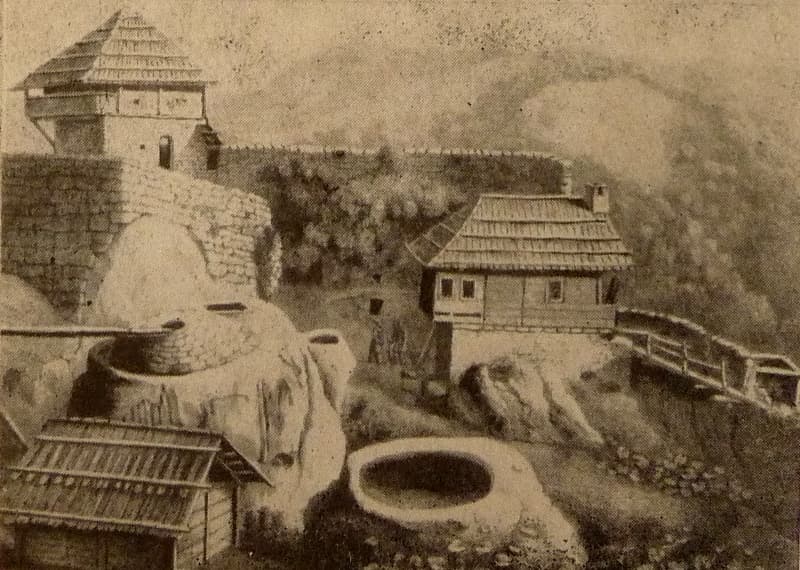
Photo gallery

Askana Fortress
Click to view

Photo by Frédéric Dubois de Montpéreux•Public domain

1 photo • Click any image to view in full screen

Information

Bastioned Fortress

Loading map...

Visitor reviews

No reviews yet. Been here? Write the first review and help other travelers!

Write the first review

Visited this castle? Share your experience

Your review helps other travelers and adds first-hand knowledge to our encyclopedia.
Write a review

(5/5)

0/2000 characters

Your review will be visible after admin approval

Nearby castles

16.1 km
Likhauri Fortress — Georgia castle

Likhauri Fortress

, Georgia

Likhauri Fortress is a notable example of a high medieval bastioned fortress located in the country of Georgia. Constructed in the 12th century, this fortress was designed primarily for military defense, featuring characteristic elements of fortification from the high medieval period. Historical context and strategic importance During the 12th century, Georgia was a kingdom experiencing significant political and military activity. The construction of Likhauri Fortress corresponded with a period when fortifications were crucial for protecting territories against invasions and local conflicts. The fortress likely served as a defensive stronghold to control important routes and safeguard the surrounding region. Architectural features of Likhauri Fortress As a bastioned fortress, Likhauri Fortress incorporates defensive bastions—protruding structures that allowed defenders to cover adjacent walls with flanking fire. This design improved the fortress's ability to repel attackers and provided overlapping fields of fire, a significant advancement over earlier medieval fortifications. The fortress's walls were constructed using local stone materials, typical of Georgian medieval masonry. The thick walls and bastions were designed to withstand sieges and artillery of the period. While detailed records of the fortress's internal layout are limited, bastioned fortresses generally included a keep or donjon, curtain walls, and gatehouses fortified with defensive mechanisms such as arrow slits and murder holes. Defensive bastions and walls The bastions at Likhauri Fortress would have been positioned at strategic points along the curtain walls, enabling defenders to cover blind spots and protect the fortress perimeter effectively. These bastions were likely angular or rounded, a common feature in medieval military architecture designed to deflect projectiles and resist mining attempts. Preservation and current condition The current condition of Likhauri Fortress is not extensively documented, but as a medieval bastioned fortress, it may exist in a state ranging from partially preserved to ruins. Such fortresses often show remnants of walls and bastions, with some sections possibly restored for cultural heritage purposes. Cultural significance and tourism Likhauri Fortress holds cultural and historical significance as part of Georgia's medieval heritage. It represents the military architecture and strategic defense systems of the region during the high medieval period. The fortress, if accessible, may attract visitors interested in medieval history, architecture, and Georgian cultural landmarks. Visiting Likhauri Fortress Information about visitor access, guided tours, and facilities at Likhauri Fortress is limited. Prospective visitors should seek local guidance or contact regional tourism offices in Georgia for up-to-date details on visiting hours and accessibility.

High Medieval (11th–13th c.)
Details
51.5 km
Geguti — Georgia castle

Geguti

Kutaisi, Georgia

The Royal Palace of Geguti is a significant medieval architectural site located near the village of Geguti, approximately 7 km south of the city of Kutaisi in Georgia. This palace served as a prominent royal residence during the High Medieval period, specifically dating back to the 12th century. Although today only archaeological ruins remain, the site offers valuable insights into Georgian royal architecture and medieval history. Historical context and significance Geguti Palace was one of the principal royal residences of the Kingdom of Georgia during its medieval zenith. It functioned as a political and administrative center, reflecting the power and prestige of Georgian monarchs in the 12th century. The palace is often associated with the reign of King David IV the Builder and his successors, who were instrumental in unifying and strengthening Georgia during this era. The palace's location near Kutaisi, the historic capital of the western Georgian region of Imereti, underscores its strategic importance. Kutaisi was a major cultural and political hub, and Geguti served as a royal retreat and administrative seat within this context. Architectural features and layout The remains of Geguti reveal a complex architectural plan characteristic of Georgian royal palaces of the period. The palace was constructed primarily from stone and brick, featuring a central domed hall which was a distinctive element of Georgian medieval architecture. This hall likely served as the main audience chamber and ceremonial space. Surrounding the central hall were various auxiliary rooms and chambers that supported the functions of the royal court, including residential quarters, service areas, and defensive structures. The layout suggests a combination of residential comfort and fortified design, typical of royal palaces intended to serve both as homes and centers of governance. Architectural details such as arches, vaults, and remnants of decorative stonework indicate the high craftsmanship and artistic standards of the time. The palace's design reflects influences from Byzantine architecture, which had a profound impact on Georgian building styles during the medieval period. Archaeological research and preservation Extensive archaeological excavations have been conducted at the Geguti site, uncovering foundations, walls, and artifacts that illuminate the palace's structure and usage. These studies have been crucial in reconstructing the history of the site and understanding the broader context of Georgian medieval architecture. Despite its ruined state, the site remains an important cultural heritage monument. Preservation efforts focus on stabilizing the existing ruins and protecting them from further deterioration. The site is accessible to visitors interested in Georgian history and medieval architecture. Visiting geguti palace ruins Visitors to the Geguti ruins can explore the remains of the palace complex, gaining a sense of the scale and sophistication of medieval Georgian royal architecture. The site offers a unique glimpse into the lifestyle of Georgian royalty and the historical development of the region. Its proximity to Kutaisi makes Geguti an accessible destination for those touring western Georgia. While the ruins are not extensively developed for tourism, they provide an authentic archaeological experience in a scenic rural setting. Legacy and cultural importance The Royal Palace of Geguti holds a significant place in Georgian cultural heritage. It symbolizes the medieval period of Georgian statehood and the architectural achievements of the era. The palace's ruins continue to inspire interest in Georgia's rich history and contribute to the understanding of medieval Caucasian civilizations.

High Medieval (11th–13th c.)
Details
51.8 km

Zanavi Castle

Zanavi, Georgia

Zanavi Castle is a medieval fortress located near the hamlet of Patara Zanavi in the Adigeni municipality within the Samtskhe–Javakheti region of Georgia. This castle stands as a notable example of a defensive structure built during the Middle Ages, strategically positioned on a rocky peak which provided natural fortification advantages. Location and strategic importance The castle's placement on a rocky peak allowed it to dominate the surrounding landscape, serving both as a lookout point and a formidable defensive position. The irregular ground plan of Zanavi Castle closely follows the contours of the rock on which it is built, a common architectural approach in medieval fortifications designed to maximize natural defenses and reduce construction complexity. Architectural features and layout Zanavi Castle's structure is characterized by its adaptation to the natural terrain. The irregular shape of the fortress walls conforms to the rocky outcrop, which would have made siege warfare challenging for potential attackers. Although much of the original construction details are lost, the remaining ruins suggest a complex layout likely including defensive walls, battlements, and possibly towers integrated into the rocky landscape. The original entrance to the castle has disappeared, which currently prevents visitors from entering the inner parts of the ruin. This loss of the main gateway is significant as entrances were typically heavily fortified and architecturally distinct, often featuring gatehouses or drawbridges in medieval castles. Historical context and significance While specific historical records about Zanavi Castle are scarce, its medieval origin places it within a period of frequent regional conflicts and shifting political powers in Georgia. Castles like Zanavi were essential in controlling territories, protecting trade routes, and serving as administrative centers for local lords or rulers. The Samtskhe–Javakheti region, where Zanavi Castle is located, has a rich history of fortifications due to its strategic position at the crossroads of various empires and cultures. The castle would have contributed to the defense network in this mountainous area, although detailed accounts of its role are not well documented. Current condition and visitor information Today, Zanavi Castle remains a striking ruin that can be freely visited. The site offers visitors the opportunity to explore the exterior and appreciate the castle's integration with the natural rocky environment. However, due to the loss of the original entrance and the ruinous state of the structure, access to the interior is not possible. The castle's preservation as a ruin allows for an authentic experience of medieval military architecture adapted to challenging terrain. Visitors interested in Georgian history and medieval fortifications will find Zanavi Castle a valuable site despite the limited available historical details. Cultural and heritage value Zanavi Castle contributes to the cultural landscape of the Samtskhe–Javakheti region, reflecting the medieval heritage of Georgia. Its rugged setting and enduring presence underscore the historical importance of castles in territorial defense and local governance during the Middle Ages. Efforts to document and preserve such sites are important for understanding the architectural and historical development of the region. Zanavi Castle, while less documented than other Georgian fortresses, remains a significant monument within the country's medieval architectural heritage.

High Medieval (11th–13th c.)
Details