Geguti
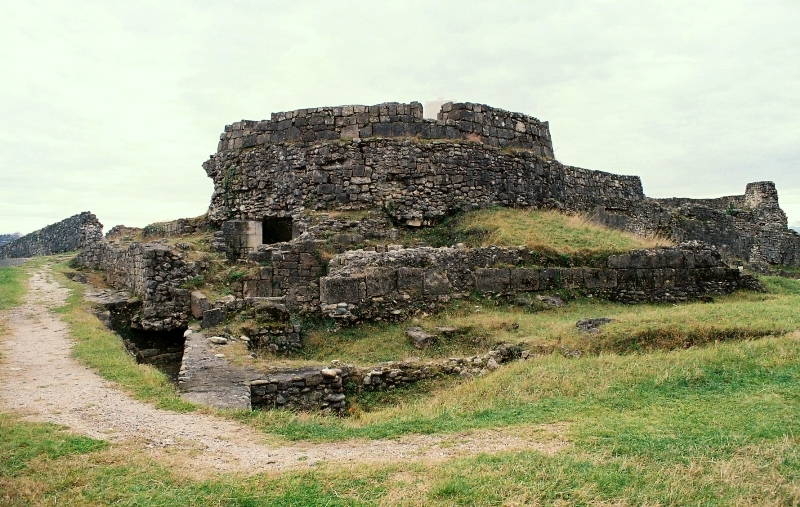
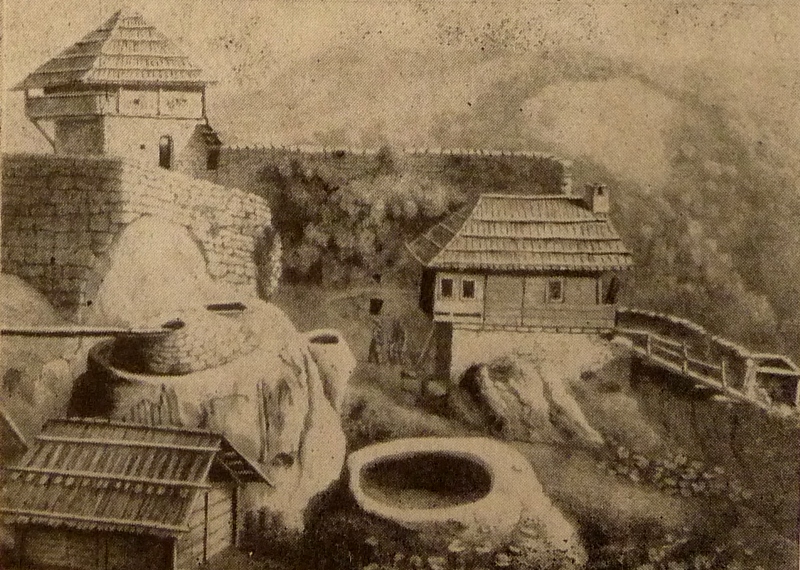
The Royal Palace of Geguti is a significant medieval architectural site located near the village of Geguti, approximately 7 km south of the city of Kutaisi in Georgia. This palace served as a prominent royal residence during the High Medieval period, specifically dating back to the 12th century. Although today only archaeological ruins remain, the site offers valuable insights into Georgian royal architecture and medieval history.
Historical context and significance
Geguti Palace was one of the principal royal residences of the Kingdom of Georgia during its medieval zenith. It functioned as a political and administrative center, reflecting the power and prestige of Georgian monarchs in the 12th century. The palace is often associated with the reign of King David IV the Builder and his successors, who were instrumental in unifying and strengthening Georgia during this era.
The palace's location near Kutaisi, the historic capital of the western Georgian region of Imereti, underscores its strategic importance. Kutaisi was a major cultural and political hub, and Geguti served as a royal retreat and administrative seat within this context.
Architectural features and layout
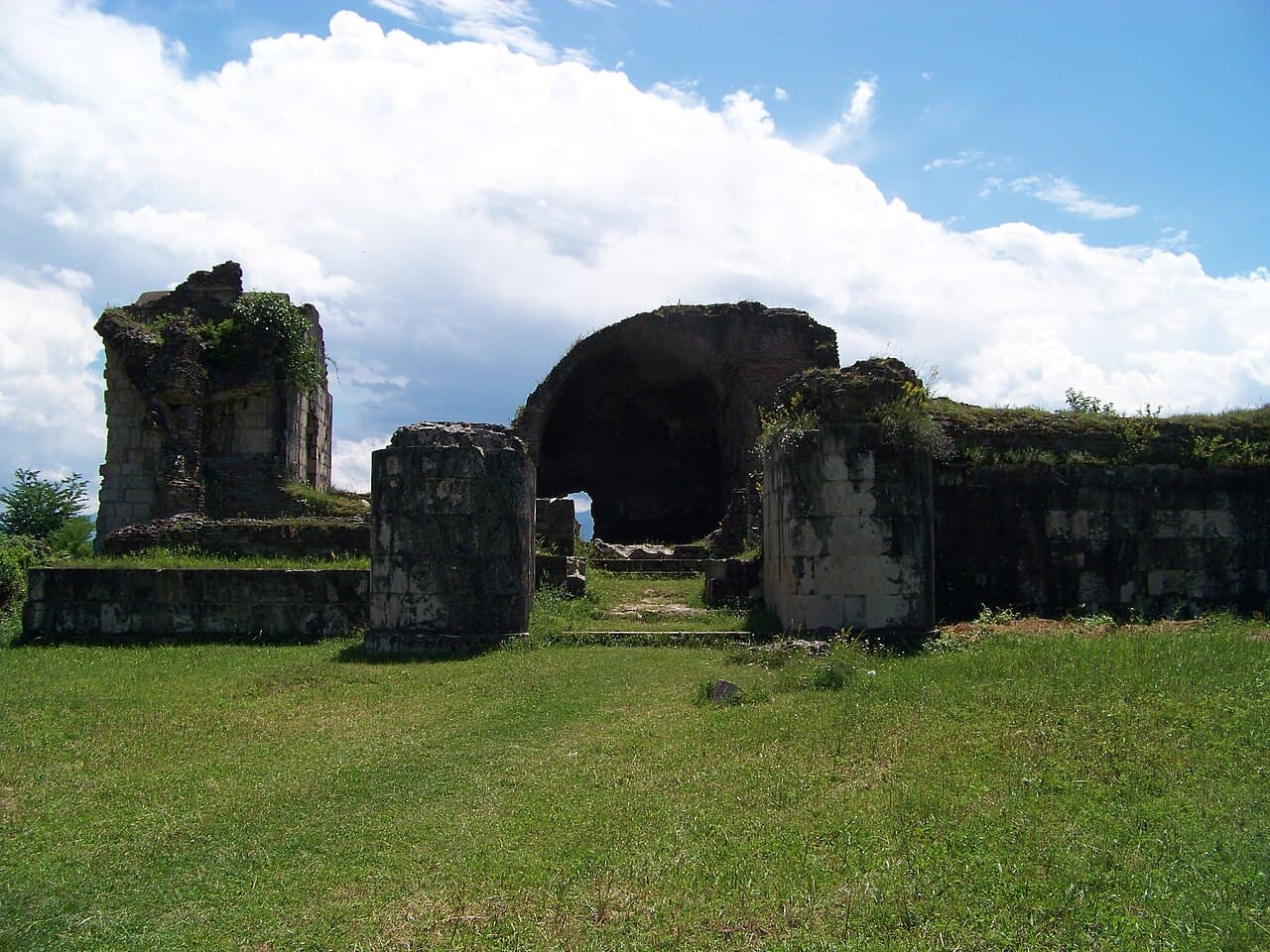
The remains of Geguti reveal a complex architectural plan characteristic of Georgian royal palaces of the period. The palace was constructed primarily from stone and brick, featuring a central domed hall which was a distinctive element of Georgian medieval architecture. This hall likely served as the main audience chamber and ceremonial space.
Surrounding the central hall were various auxiliary rooms and chambers that supported the functions of the royal court, including residential quarters, service areas, and defensive structures. The layout suggests a combination of residential comfort and fortified design, typical of royal palaces intended to serve both as homes and centers of governance.
Architectural details such as arches, vaults, and remnants of decorative stonework indicate the high craftsmanship and artistic standards of the time. The palace's design reflects influences from Byzantine architecture, which had a profound impact on Georgian building styles during the medieval period.
Archaeological research and preservation
Extensive archaeological excavations have been conducted at the Geguti site, uncovering foundations, walls, and artifacts that illuminate the palace's structure and usage. These studies have been crucial in reconstructing the history of the site and understanding the broader context of Georgian medieval architecture.
Despite its ruined state, the site remains an important cultural heritage monument. Preservation efforts focus on stabilizing the existing ruins and protecting them from further deterioration. The site is accessible to visitors interested in Georgian history and medieval architecture.
Visiting geguti palace ruins
Visitors to the Geguti ruins can explore the remains of the palace complex, gaining a sense of the scale and sophistication of medieval Georgian royal architecture. The site offers a unique glimpse into the lifestyle of Georgian royalty and the historical development of the region.
Its proximity to Kutaisi makes Geguti an accessible destination for those touring western Georgia. While the ruins are not extensively developed for tourism, they provide an authentic archaeological experience in a scenic rural setting.
Legacy and cultural importance
The Royal Palace of Geguti holds a significant place in Georgian cultural heritage. It symbolizes the medieval period of Georgian statehood and the architectural achievements of the era. The palace's ruins continue to inspire interest in Georgia's rich history and contribute to the understanding of medieval Caucasian civilizations.
Frequently asked questions (FAQ)
- How do I get to the Geguti royal palace ruins from Kutaisi?
- The Geguti royal palace ruins are located about 7 km south of Kutaisi. Visitors can reach the site by car or local taxi services, with a short drive taking approximately 15 minutes.
- What is the historical significance of the Geguti palace?
- Geguti palace was a key royal residence during the 12th century in Georgia, associated with the reign of King David IV the Builder and his successors, reflecting the political and cultural power of medieval Georgia.
- Are the Geguti palace ruins accessible to visitors?
- Yes, the ruins are open to the public. While the site is primarily archaeological and not extensively developed for tourism, visitors can explore the remains and learn about Georgian medieval architecture.
- When is the best time to visit Geguti palace ruins?
- The best time to visit is during the late spring to early autumn months when the weather is mild and suitable for outdoor exploration of the archaeological site.
- Is there an entrance fee to visit Geguti palace ruins?
- Currently, there is no entrance fee to visit the Geguti palace ruins, making it an accessible historical site for all visitors.
Photo gallery

Photo by Jaba1977•Attribution
Information
Current owner
State museum
Loading map...
Visitor reviews
No reviews yet. Been here? Write the first review and help other travelers!
Write the first reviewVisited this castle? Share your experience
Your review helps other travelers and adds first-hand knowledge to our encyclopedia.