Uqdat al-Jeraisy
Uqdat al-Jeraisy stands as a significant archaeological site in Saudi Arabia, representing the remnants of an ancient fortress whose origins trace back to early Islamic periods. Although the exact city location remains uncertain, this castle offers valuable insights into the defensive architecture used in the Arabian Peninsula's desert environments.
The site is classified as archaeological ruins due to its current state of preservation, which consists mainly of foundational walls and scattered stone structures. These remains provide critical evidence of the military and strategic functions that such fortifications served in controlling trade routes and protecting settlements from nomadic raids.
Historical context and significance
Uqdat al-Jeraisy likely dates from the early medieval period, a time when the Arabian Peninsula saw the rise of Islamic powers and a corresponding need for fortified structures. Castles like this were essential for maintaining regional security and asserting control over key routes through harsh desert terrain.
The fortress would have functioned as a defensive stronghold, possibly housing garrisons and serving as a refuge for local populations during times of conflict. Its strategic placement would have allowed for surveillance of surrounding areas and quick response to threats.
Architectural features and construction
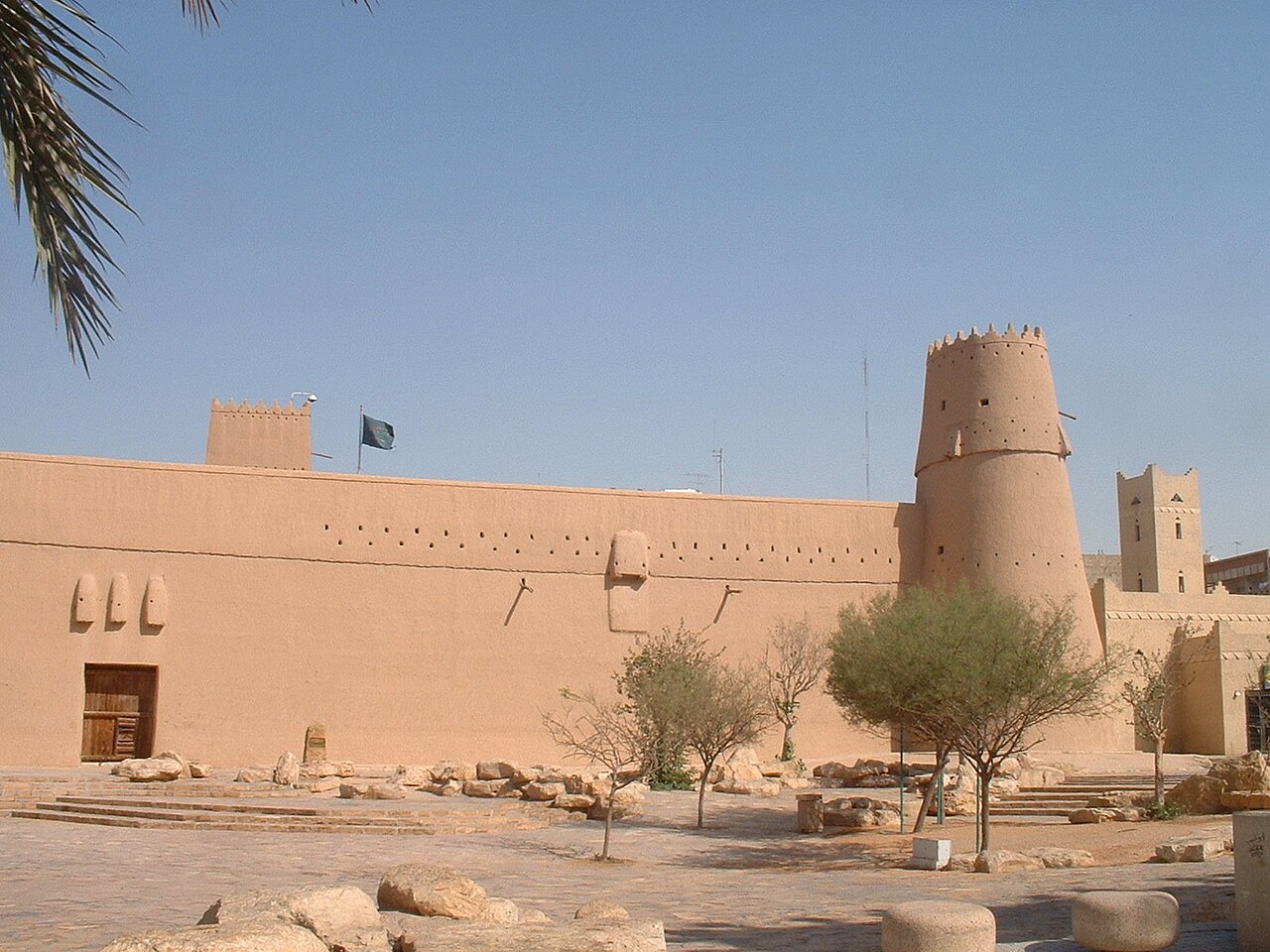
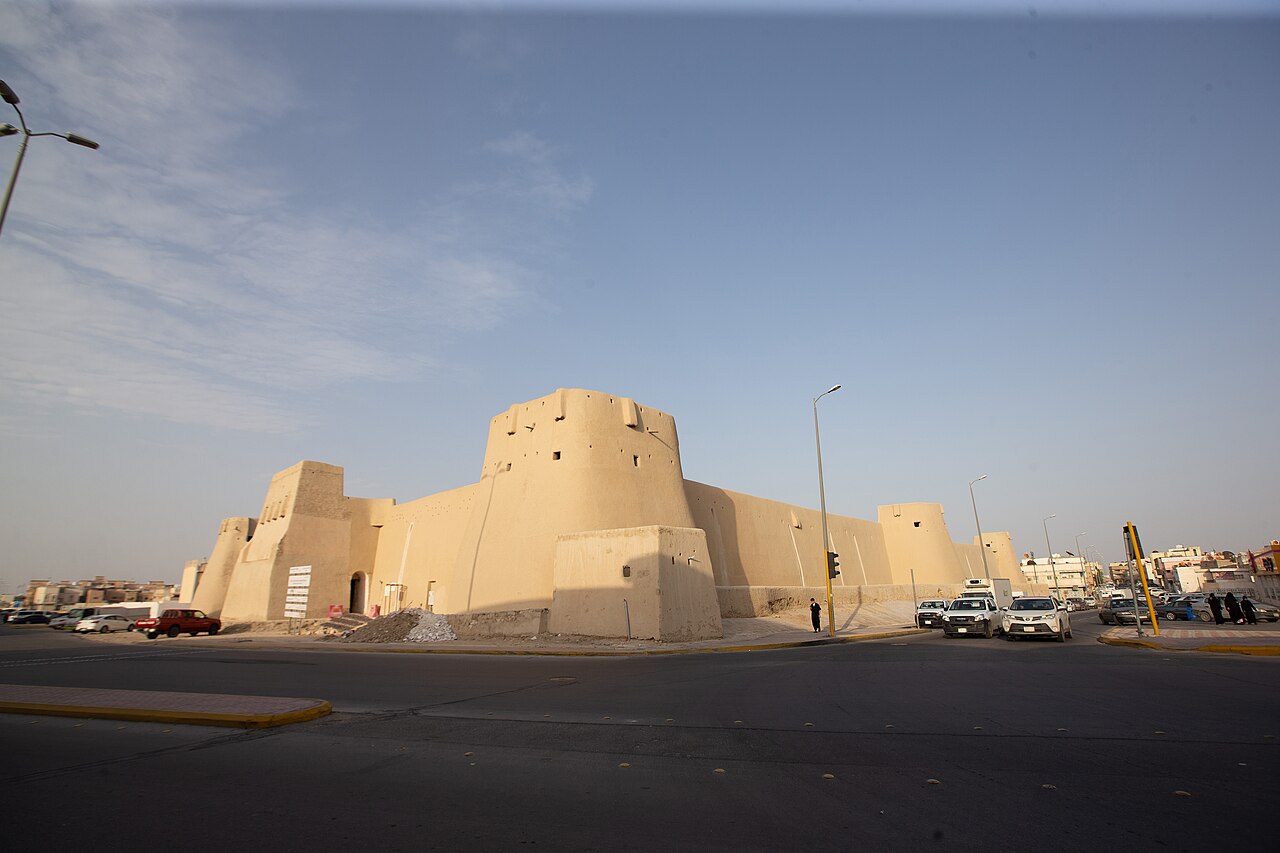
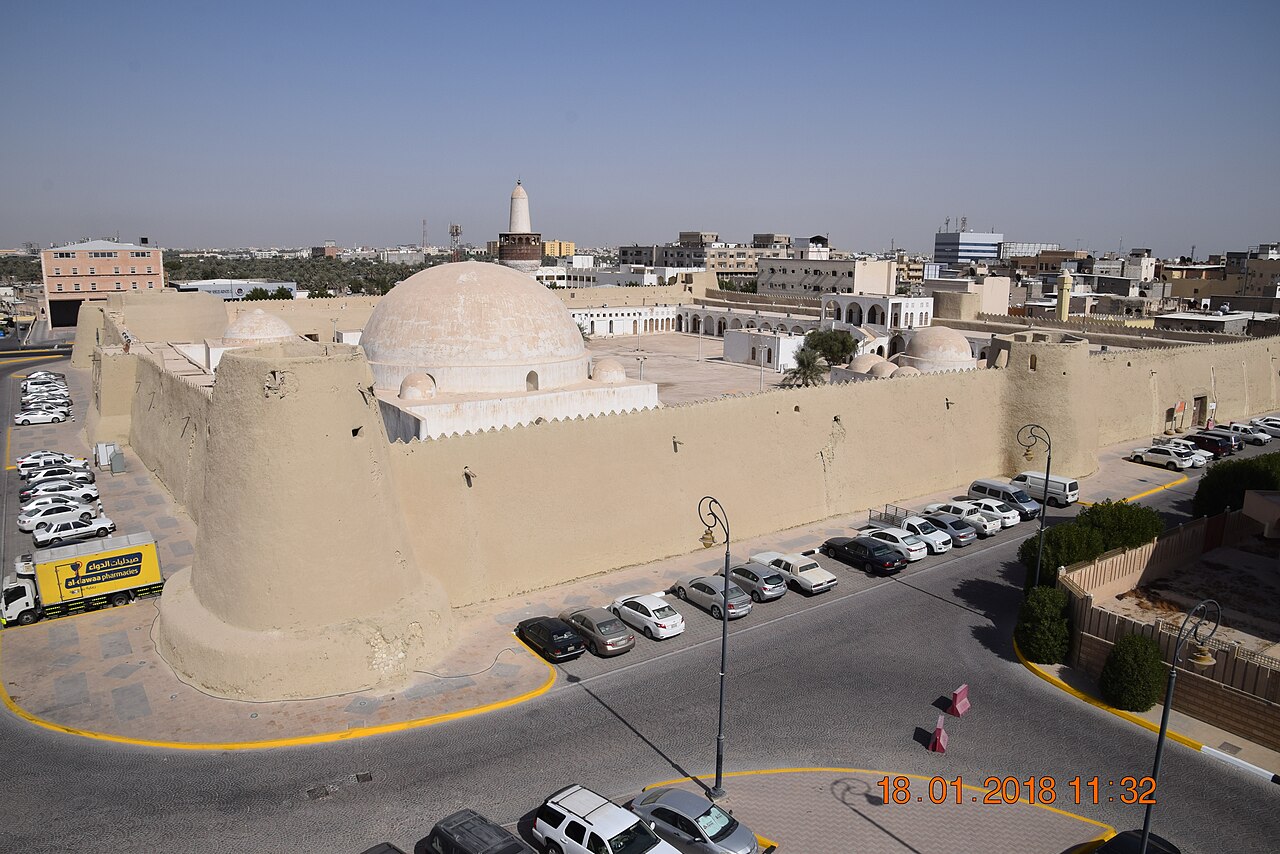
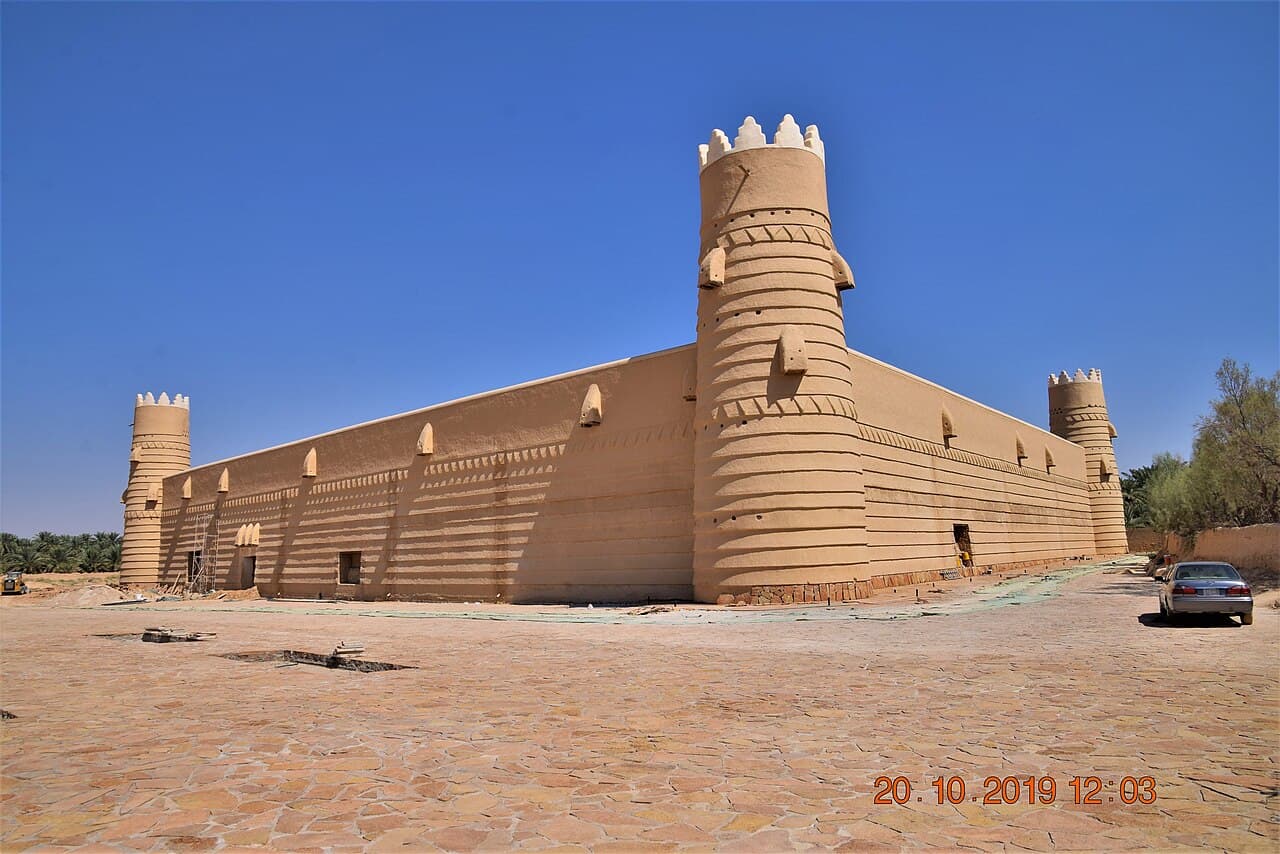
The surviving ruins of Uqdat al-Jeraisy reveal typical characteristics of desert fortifications, including thick stone walls constructed from locally sourced materials. The castle's layout likely included a central courtyard, defensive towers, and a gatehouse, though much of the structure has deteriorated over time.
Given the limited remains, it is challenging to reconstruct the full architectural plan, but the use of durable stone and the remnants of defensive walls indicate a design focused on resilience against both environmental conditions and human attack.
Defensive elements
The walls of Uqdat al-Jeraisy would have been reinforced to withstand sieges and raids, featuring battlements and possibly arrow slits for archers. The castle's position on elevated ground or a strategic vantage point would have enhanced its defensive capabilities, typical of hill castles or desert fortresses, although the precise topography is not fully documented.
Cultural and archaeological importance
As an archaeological site, Uqdat al-Jeraisy contributes to understanding the evolution of fortification techniques in the Arabian Peninsula. It reflects the adaptation of military architecture to desert conditions and the socio-political dynamics of early Islamic societies.
Excavations and studies at the site help illuminate trade, warfare, and settlement patterns in the region, offering a tangible link to the past civilizations that shaped Saudi Arabia's historical landscape.
Preservation and current status
Currently classified as ruins, Uqdat al-Jeraisy is an important heritage site requiring ongoing conservation efforts to protect it from further degradation. Its archaeological value makes it a subject of interest for researchers and historians focused on early Islamic fortifications and desert architecture.
Access to the site may be limited due to its remote location and preservation concerns, but it remains a key piece of Saudi Arabia's cultural patrimony.
Frequently asked questions (FAQ)
- What is the historical significance of Uqdat al-Jeraisy?
- Uqdat al-Jeraisy is an important historical site in Saudi Arabia, known for its unique architecture and role in regional trade routes. This castle dates back to the early Islamic period, showcasing the blend of cultural influences that shaped its design and purpose.
- When was Uqdat al-Jeraisy built?
- Uqdat al-Jeraisy was constructed in the 8th century, making it a significant landmark that reflects the architectural styles of its time. Its design and construction techniques provide insight into the historical context of the region during the early Islamic era.
- Can I visit Uqdat al-Jeraisy?
- Yes, visitors are welcome to explore Uqdat al-Jeraisy and immerse themselves in its rich history. It is advisable to check local guidelines and any visitor restrictions before planning your trip to ensure a smooth experience.
- What are the opening hours for Uqdat al-Jeraisy?
- Uqdat al-Jeraisy is typically open from 9 AM to 5 PM, but hours may vary on weekends and public holidays. It is recommended to confirm the opening hours prior to your visit to avoid any inconveniences.
- Is it possible to access Uqdat al-Jeraisy with public transportation?
- Accessing Uqdat al-Jeraisy via public transportation is feasible, with several local bus routes servicing the area. Additionally, taxis and ride-sharing services are readily available for those who prefer a more direct travel option.
- What is the best time to visit Uqdat al-Jeraisy?
- The best time to visit Uqdat al-Jeraisy is during the cooler months from October to March. This period offers comfortable weather conditions, making it ideal for exploring the castle and surrounding areas.
- Are there any nearby attractions to Uqdat al-Jeraisy?
- Yes, there are several attractions near Uqdat al-Jeraisy, including traditional markets and other historical sites. Exploring the local area can provide a deeper understanding of the culture and history of Saudi Arabia.
- What are the ticket prices for visiting Uqdat al-Jeraisy?
- Ticket prices for Uqdat al-Jeraisy are generally affordable, making it accessible for a wide range of visitors. It is recommended to check the official website or local tourist information for the most current pricing and any available discounts.
Photo gallery

Information
Loading map...
Visitor reviews
No reviews yet. Been here? Write the first review and help other travelers!
Write the first reviewVisited this castle? Share your experience
Your review helps other travelers and adds first-hand knowledge to our encyclopedia.