Qasr Ibrahim
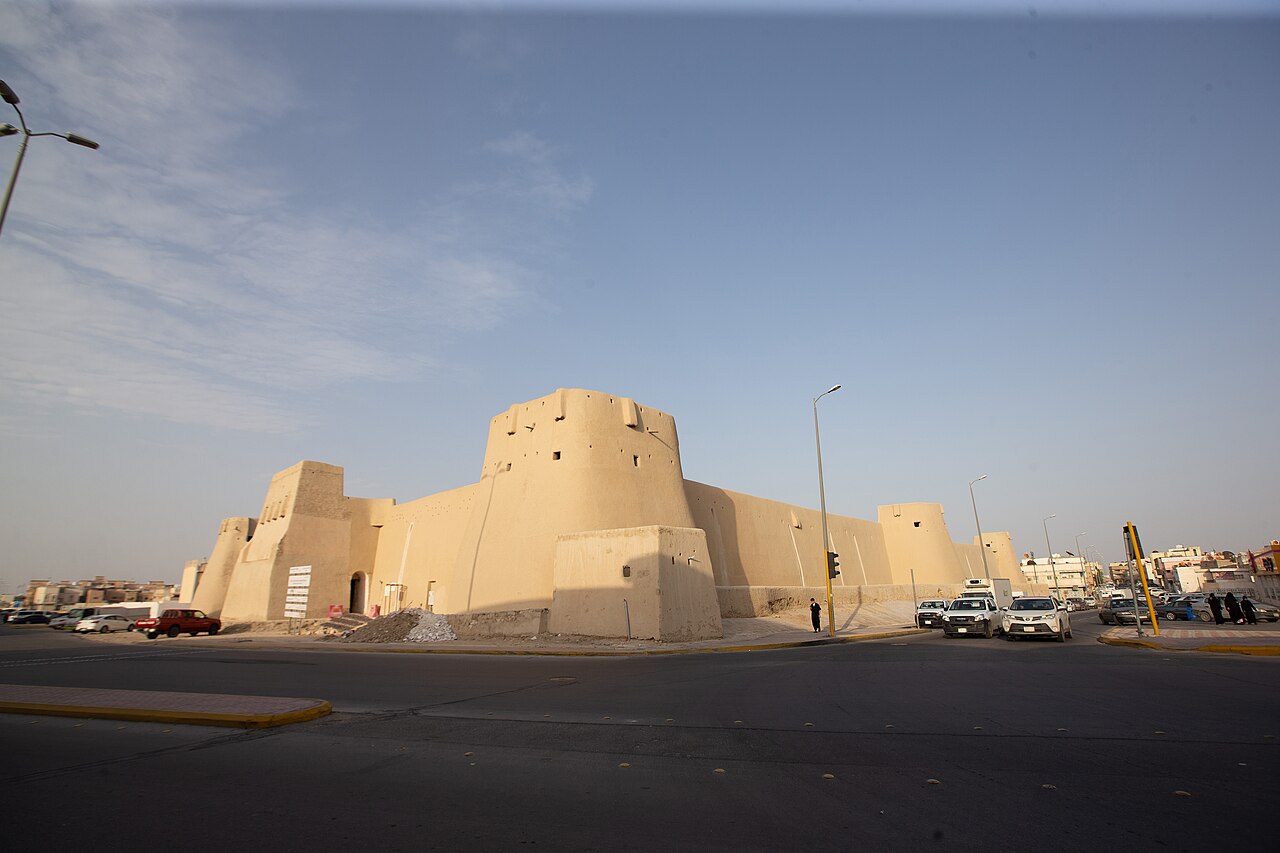
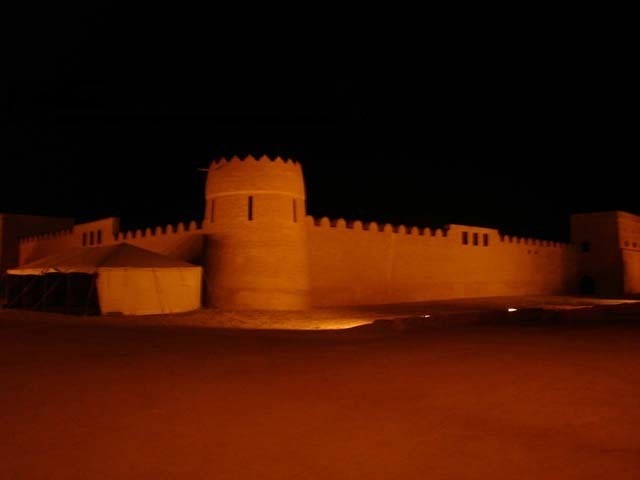
Qasr Ibrahim, also known as Ibrahim Palace, Dome Palace, and AlQoat Palace, is a significant 16th-century Ottoman bastioned fortress located in the northern part of the Alqoat neighborhood in Hofuf, Al-Ahsa, within the Eastern Province of Saudi Arabia. This fortress stands as a prominent example of Ottoman military architecture in the Arabian Peninsula and is one of the main architectural heritage sites representing the Ottoman period in the region.
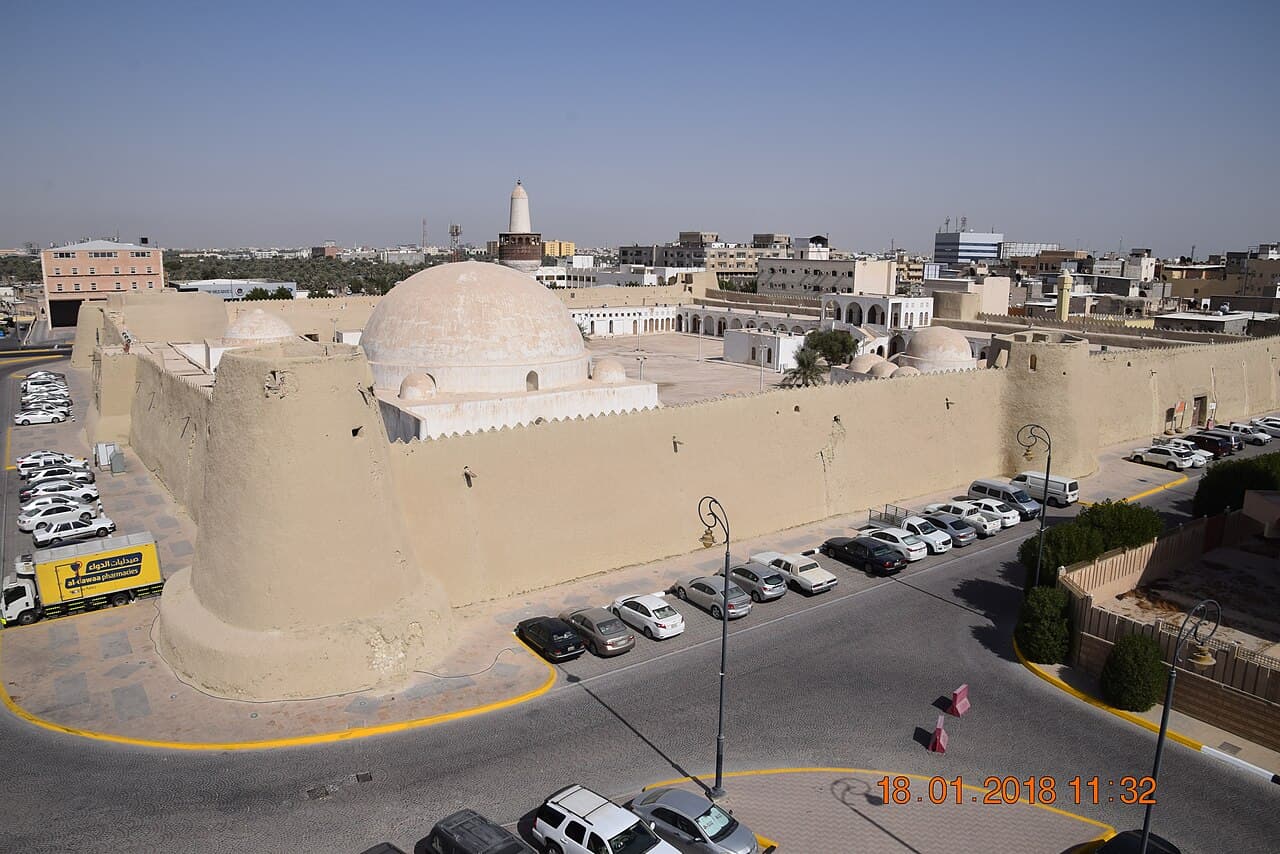
The fortress was originally constructed in 1555 (963 AH) as a palace complex centered around a mosque featuring a distinctive dome, which earned it the local name "Dome Palace." Over the following century, the structure was expanded significantly, evolving into a multifunctional complex that included a castle, prison, and a hammam or Turkish bathhouse. These additions reflected the fortress’s dual role as a military base and administrative center under Ottoman rule.
Architectural features and layout
The design of Qasr Ibrahim exemplifies the characteristics of a bastioned fortress, a style that became prevalent in the Renaissance period for its enhanced defensive capabilities. The fortress features thick stone walls reinforced with bastions at strategic points, allowing defenders to cover all approaches with overlapping fields of fire. The walls are punctuated by arrow slits and gunports, indicative of the adaptation to gunpowder weaponry.
The central mosque with its large dome serves as a focal point within the fortress, combining religious function with military architecture. The inclusion of a hammam within the complex highlights the Ottoman emphasis on hygiene and social life even within military installations. The prison facilities were integrated into the castle’s inner structures, emphasizing the fortress’s role in maintaining order and control in the region.
Historical significance and events
Qasr Ibrahim played a crucial role during the Ottoman period as a military base controlling the strategic area of Al-Ahsa. It was a symbol of Ottoman authority and governance in the eastern Arabian Peninsula. The fortress’s control was contested during the early 20th century as the Saudi state expanded.
On April 13, 1913 (5th of First Jumada 1331 AH), the fortress was seized by King Abdul-Aziz Al Saud, marking a significant moment in the consolidation of the modern Saudi state. This event ended Ottoman control over the region and integrated Al-Ahsa firmly into the Saudi realm.
Restoration and current status
In recent years, the Saudi Commission for Tourism and National Heritage undertook extensive restoration work on Qasr Ibrahim. The renovation, completed in 2019, involved rebuilding fallen parts of the fortress, repainting the buildings, and preparing a main square to accommodate tourism activities and cultural festivals.
The restoration aimed to preserve the fortress’s historical integrity while making it accessible and engaging for visitors. Today, Qasr Ibrahim stands as a well-preserved example of Ottoman military architecture and serves as a cultural landmark celebrating the heritage of Al-Ahsa and the broader Eastern Province.
Cultural and architectural legacy
Qasr Ibrahim is not only a military fortress but also a cultural symbol reflecting the Ottoman architectural influence in Saudi Arabia. Its combination of religious, military, and social functions within one complex illustrates the multifaceted nature of Ottoman fortifications.
The fortress’s bastioned design represents the adaptation of Renaissance military architectural principles to the Arabian context, incorporating local building materials and techniques. The preservation of the mosque, hammam, and prison within the complex provides valuable insights into the daily life and governance under Ottoman rule in the region.
Visitors to Qasr Ibrahim can explore its courtyards, defensive walls, and interior chambers, gaining an understanding of the fortress’s strategic importance and architectural sophistication. The site also hosts cultural events that highlight its ongoing role in the community.
Frequently asked questions (FAQ)
- When was Qasr Ibrahim built and by whom?
- Qasr Ibrahim was built in 1555 during the Ottoman period as a palace complex that later expanded into a fortress.
- What architectural style characterizes Qasr Ibrahim?
- Qasr Ibrahim features a bastioned fortress design typical of Renaissance military architecture adapted by the Ottomans.
- What is the significance of the mosque within Qasr Ibrahim?
- The mosque with its distinctive dome is a central feature of Qasr Ibrahim, reflecting the religious and cultural aspects integrated into the fortress.
- Can visitors access Qasr Ibrahim today?
- Yes, Qasr Ibrahim has been fully restored and is open to the public for tours and cultural events.
- What happened to Qasr Ibrahim in 1913?
- In 1913, King Abdul-Aziz Al Saud seized Qasr Ibrahim, ending Ottoman control and incorporating the region into the Saudi state.
Photo gallery

Information
Loading map...
Visitor reviews
No reviews yet. Been here? Write the first review and help other travelers!
Write the first reviewVisited this castle? Share your experience
Your review helps other travelers and adds first-hand knowledge to our encyclopedia.