Diu Fortress
Diu Fortress (Portuguese: Fortaleza de Diu or formally Fortaleza de São Tomé) stands as a prominent example of 16th-century bastioned fortress architecture on the western coast of India. Constructed by the Portuguese during the Renaissance period, this fortification was a critical element in securing Portuguese interests in the region and defending against regional powers and imperial ambitions.
The fortress is located at the eastern tip of the island of Diu, bordering the town of Diu itself, in the present-day union territory of Daman and Diu, India. Its strategic position allowed control over maritime routes in the Arabian Sea, reflecting the Portuguese focus on controlling sea trade during the Age of Discovery. The fort's construction began in 1535 following an alliance between the Portuguese and Bahadur Shah, Sultan of Gujarat, who sought Portuguese assistance against the Mughal emperor Humayun, who aimed to annex the region.
Historical context and strategic importance
The fortress was built as a direct response to the geopolitical tensions of the mid-16th century. The alliance with Bahadur Shah was pivotal, as it allowed the Portuguese to establish a permanent foothold on the Indian subcontinent's western coast. The fortification was essential in resisting Mughal expansion and securing Portuguese dominance over maritime trade routes.
Portuguese control over Diu began effectively in 1537 and lasted until the Indian military action in December 1961, when the territory was integrated into the Indian Union. Throughout this period, the fortress served both military and administrative functions, symbolizing Portuguese colonial power in India.
Architectural features and fortifications
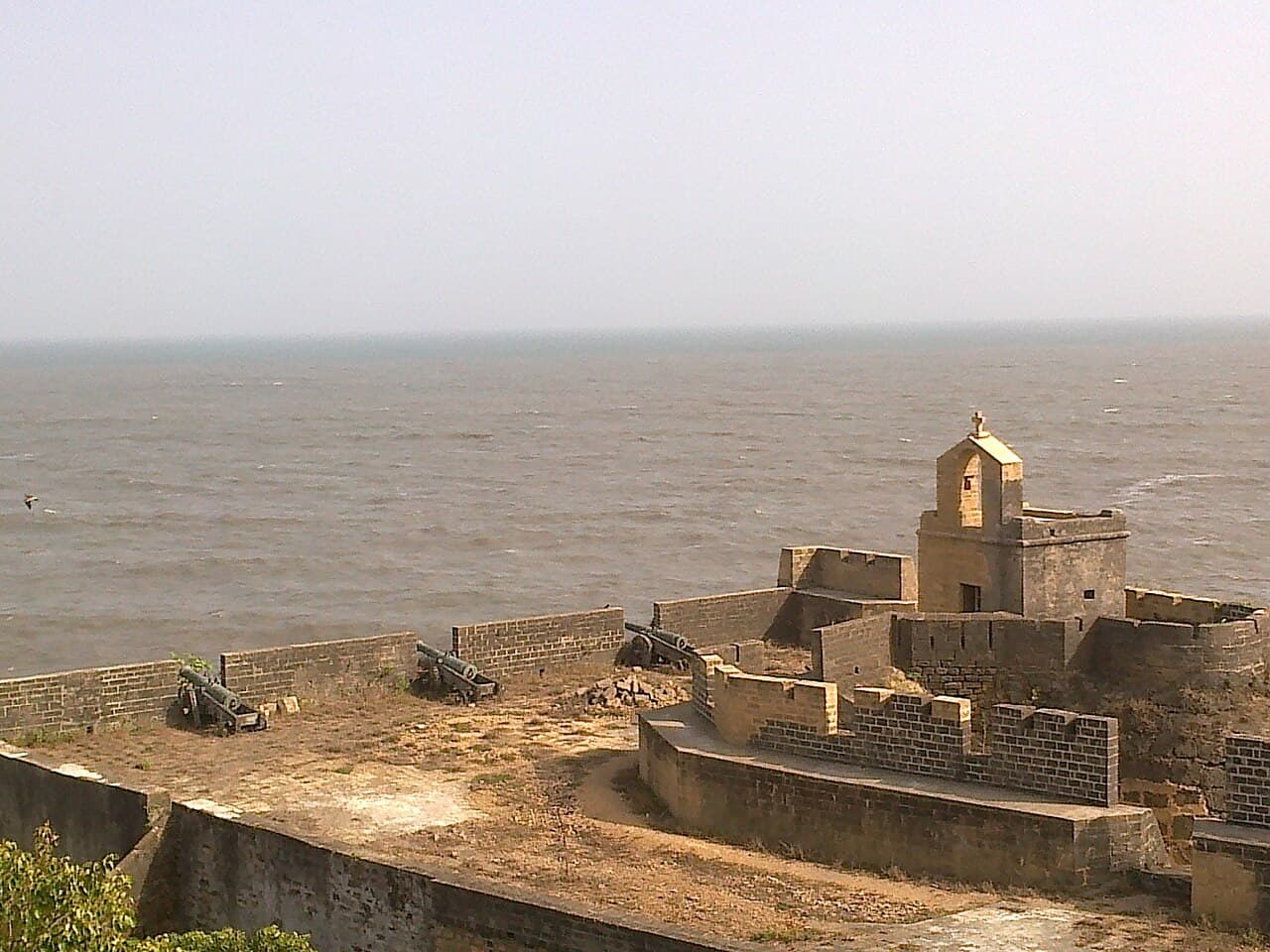
Diu Fortress is a classic example of a bastioned fortress, a style that evolved in response to the development of gunpowder artillery. The fort's design includes massive stone walls reinforced with angular bastions that project outward to provide overlapping fields of fire, minimizing blind spots and maximizing defensive capabilities.
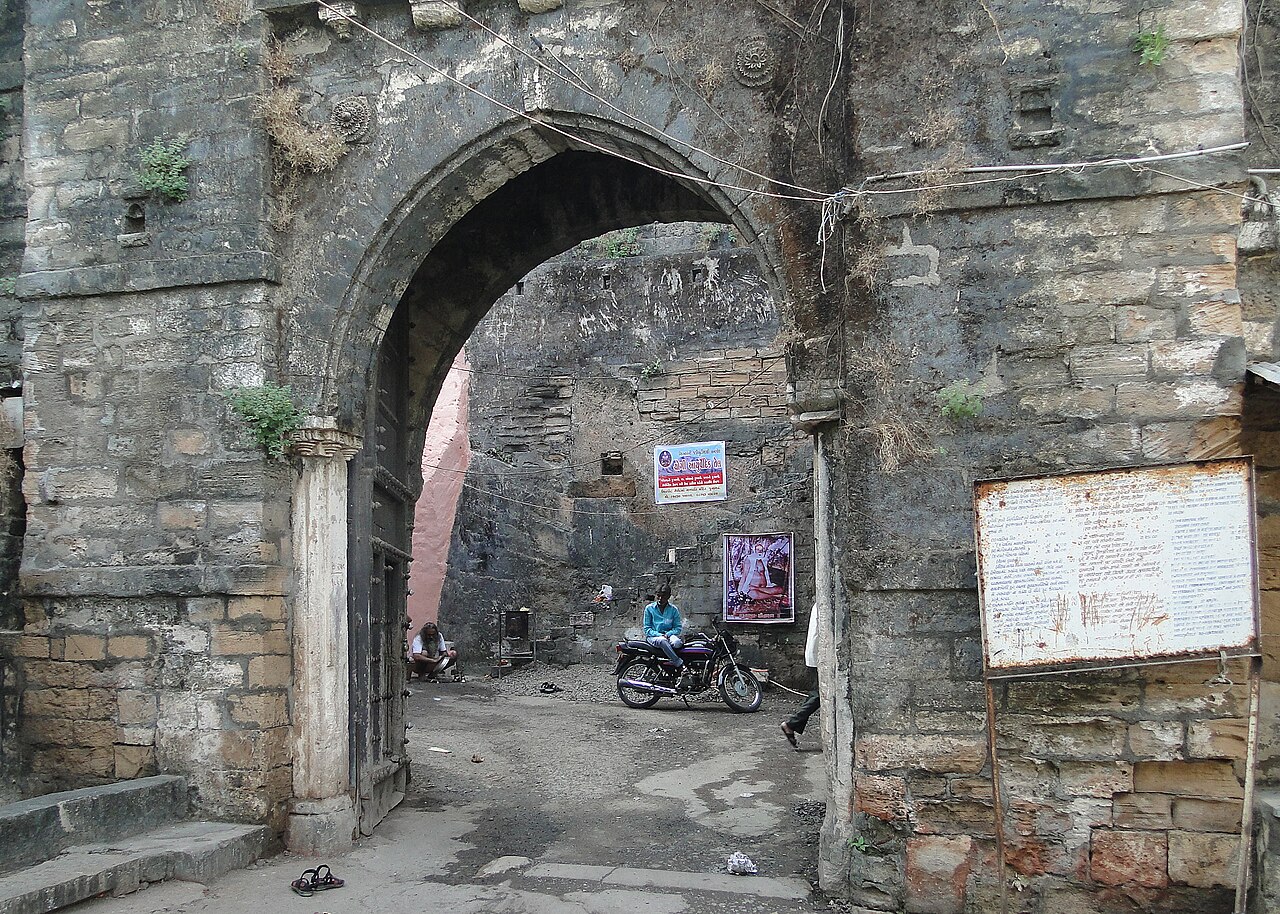
The fortress encompasses several key structures, including ramparts, curtain walls, and gun emplacements designed to house cannons. Its walls are punctuated by fortified gates that controlled access to the complex, with the main gate featuring defensive mechanisms such as drawbridges and moats.
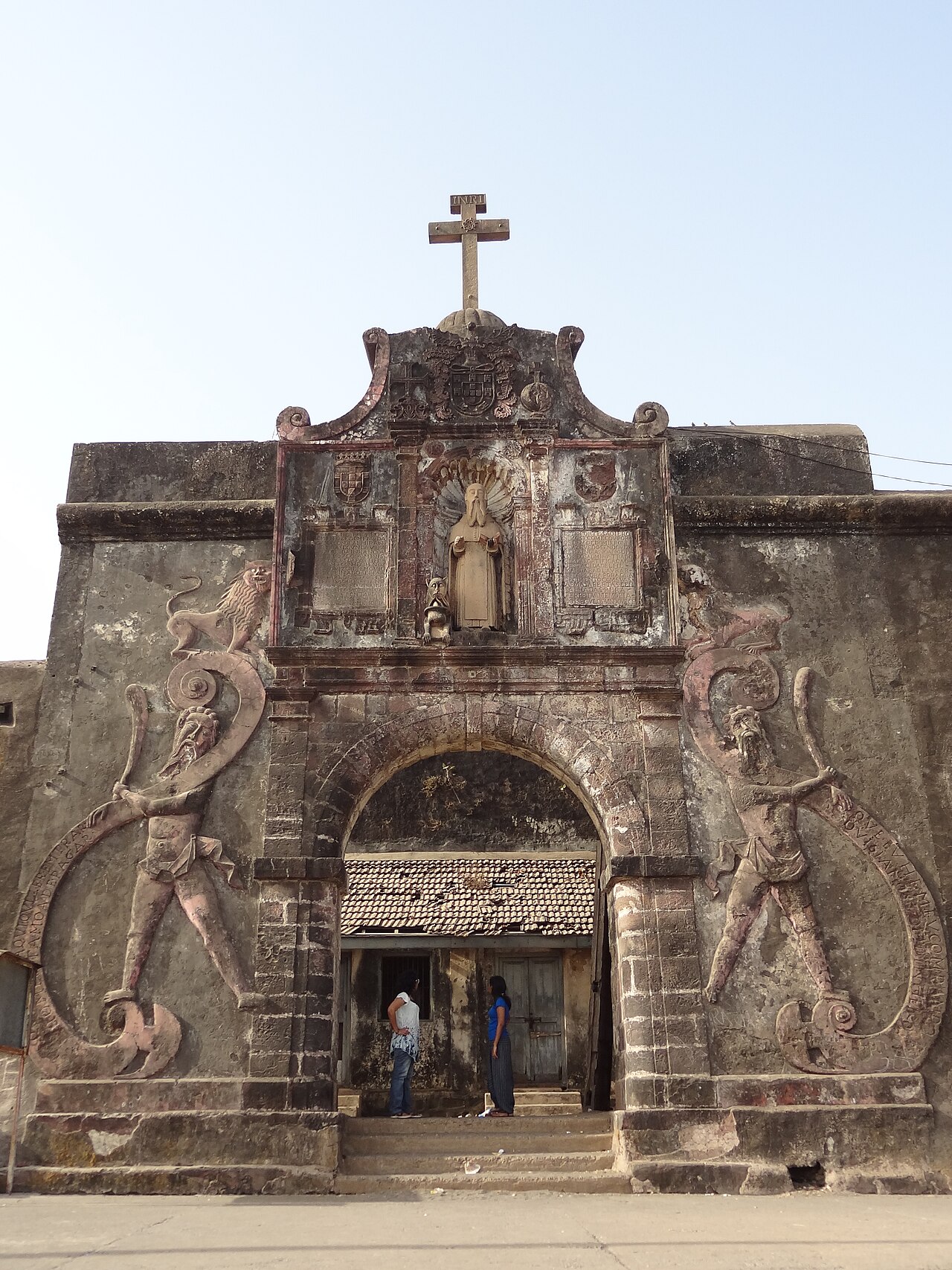
Inside the fortress, there are residential quarters, armories, warehouses, and chapels, reflecting its dual military and civilian role. The fortress also contains cisterns and water storage facilities to sustain prolonged sieges.
Defensive innovations
The design of Diu Fortress incorporates Renaissance military engineering principles that were advanced for their time. The bastions were designed to withstand cannon fire and to enable defenders to fire upon attackers from multiple angles. The thick walls and angled bastions helped deflect artillery shots, while the moat added an additional layer of defense against infantry assaults.
Cultural and historical significance
As one of the Seven Wonders of Portuguese Origin in the World, Diu Fortress holds significant cultural and historical value. It represents the extent of Portuguese colonial reach and their military architectural expertise. The fortress is a testament to the complex interactions between European colonial powers and Indian regional rulers during the early modern period.
Today, the fortress is a major tourist attraction and a protected heritage site. Its well-preserved ramparts and bastions offer insight into the military strategies of the Renaissance era and the colonial history of India. Visitors can explore the extensive fortifications, the old town of Diu, and nearby historical landmarks.
Preservation and current status
The fortress remains well preserved, with ongoing efforts to maintain its structural integrity and historical authenticity. It serves as a symbol of Diu’s unique cultural heritage, blending Portuguese and Indian influences.
Managed as a heritage monument, the fortress is accessible to the public, with guided tours available to explain its history, architecture, and role in regional defense. Its preservation allows scholars and visitors alike to study and appreciate the sophisticated military architecture of the Renaissance period in a colonial context.
Frequently asked questions (FAQ)
- What is the historical significance of Diu Fortress?
- Diu Fortress, built by the Portuguese in the 16th century, played a crucial role in their maritime trade and military strategy in the region. It showcases a blend of architectural styles influenced by both Portuguese and Indian cultures, making it a significant historical site in India.
- When was Diu Fortress built?
- Diu Fortress was constructed between 1535 and 1541, following the Portuguese conquest of Diu. The fortress was designed to protect the island from invasions and has stood as a testament to Portuguese colonial architecture.
- What are the opening hours for Diu Fortress?
- Diu Fortress is typically open to visitors from 9:00 AM to 6:00 PM every day. It's advisable to check for any seasonal variations or special hours during holidays before your visit.
- Can I take photographs inside Diu Fortress?
- Yes, visitors are welcome to take photographs inside Diu Fortress. The stunning views and intricate architecture provide excellent opportunities for photography, so don’t forget your camera!
- Is it possible to access Diu Fortress by public transport?
- Yes, Diu Fortress is accessible by public transport, including local buses and taxis from various parts of Diu. Visitors can also rent scooters or bicycles for a more flexible way to explore the area.
- What is the best time to visit Diu Fortress?
- The best time to visit Diu Fortress is during the winter months, from October to March, when the weather is pleasant and ideal for sightseeing. During this period, you can enjoy comfortable temperatures and clear skies.
- Are there any nearby attractions to Diu Fortress?
- Yes, several attractions are located near Diu Fortress, including the beautiful Nagoa Beach, the Diu Museum, and the stunning St. Paul's Church. Exploring these nearby sites can enrich your visit to the fortress.
- What are the ticket prices for Diu Fortress?
- Entry to Diu Fortress is generally free, allowing visitors to explore its grounds without any admission fees. However, there may be charges for guided tours or special events, so it's best to check in advance.
Photo gallery

Information
Loading map...
Visitor reviews
No reviews yet. Been here? Write the first review and help other travelers!
Write the first reviewVisited this castle? Share your experience
Your review helps other travelers and adds first-hand knowledge to our encyclopedia.