Bhadra Fort
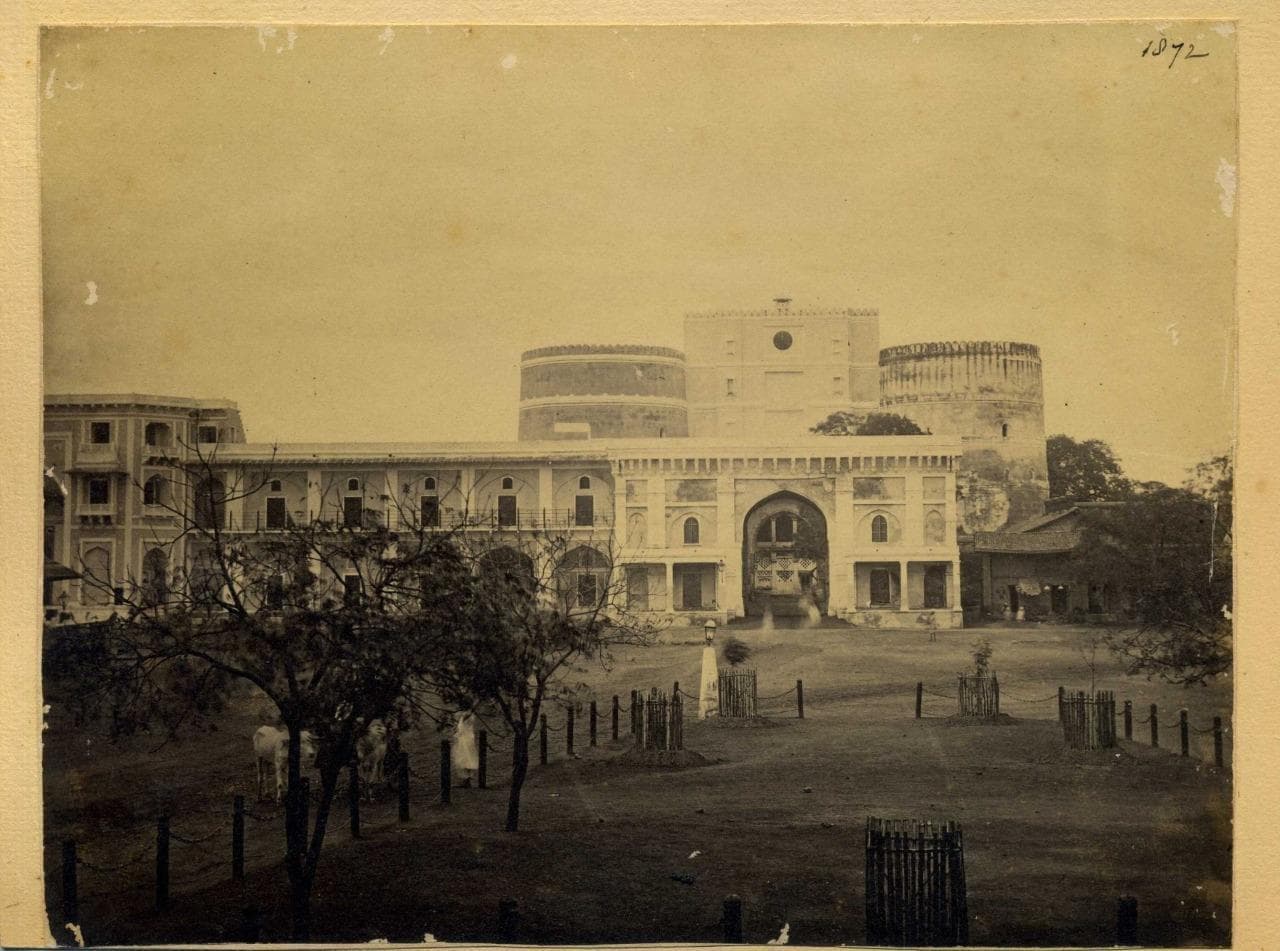
Bhadra Fort is a prominent 15th-century bastioned fortress located in the historic walled city of Ahmedabad, India. Constructed in 1411 by the founder of Ahmedabad, Ahmad Shah I, the fort stands as a significant example of late medieval military architecture in the region. It was strategically built to serve both as a defensive structure and a royal residence, reflecting the architectural and cultural ambitions of the Sultanate period.
Historical context and foundation
The establishment of Bhadra Fort coincided with the founding of Ahmedabad, which was laid out as a planned city under the rule of Ahmad Shah I of the Gujarat Sultanate. The fort's name, "Bhadra," is believed to be derived from a temple dedicated to the Hindu goddess Bhadra Kali, which once stood in the area. The fort was designed to protect the newly established city and served as the seat of power for the sultan.
Its construction marked a significant moment in the urban development of Ahmedabad, which grew to become a major center of commerce, culture, and politics in western India. The fort's walls enclosed the royal palaces, administrative buildings, mosques, and public spaces, forming the heart of the city.
Architectural features and design
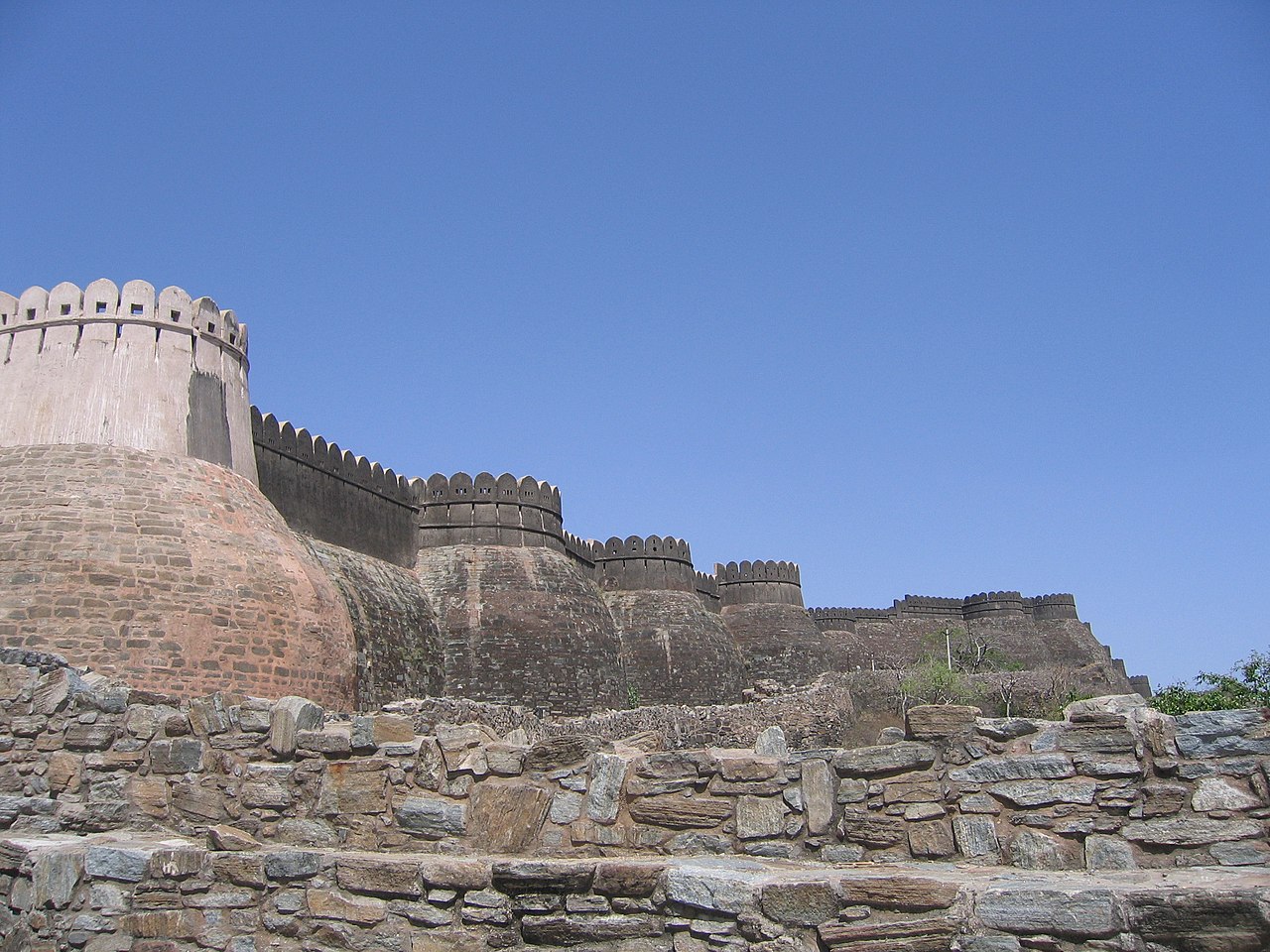
Bhadra Fort is classified as a bastioned fortress, characterized by its massive stone walls and fortified bastions designed for defense against artillery and infantry attacks. The fort covers a large area and includes multiple gates, each with distinct architectural details.
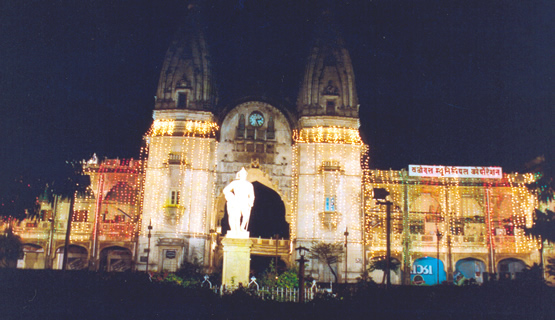
The main entrance, known as the Teen Darwaza (Three Gates), is an iconic structure featuring intricate stone carvings and a blend of Islamic and Hindu architectural motifs. This gateway served as the ceremonial entrance to the fort and city.
Within the fort complex are several notable structures, including the Maiden's Mosque (Harem)**, known for its elegant arches and intricate latticework, and the Royal Palace which housed the sultan and his court. The fort also contains courtyards and open spaces that were used for public gatherings and events.
The walls of the fort are punctuated by bastions and watchtowers that provided vantage points for surveillance and defense. The use of local sandstone and traditional construction techniques reflects the regional building practices of the time.
Renovation and modern significance
In recent years, Bhadra Fort underwent a significant renovation completed in 2014 through a collaboration between the Amdavad Municipal Corporation (AMC) and the Archaeological Survey of India (ASI). The restoration aimed to preserve the fort's architectural heritage while adapting it as a cultural center for Ahmedabad.
The renovation included cleaning and repairing the stonework, restoring the gates and palaces, and developing the open spaces for public use. Today, the fort serves as a venue for cultural events, exhibitions, and community gatherings, linking Ahmedabad's rich past with its vibrant present.
Cultural and heritage importance
Bhadra Fort is not only a symbol of Ahmedabad's founding but also a testament to the city's historical diversity and architectural innovation. It represents the fusion of Islamic and Hindu architectural elements typical of the Gujarat Sultanate period.
The fort is a protected monument under the care of the Archaeological Survey of India, attracting historians, architects, and tourists interested in medieval Indian fortifications and urban planning. Its presence within the walled city continues to influence the cultural landscape of Ahmedabad.
Visitor information and accessibility
The fort is accessible to visitors throughout the year and offers a glimpse into the late medieval architecture and urban design of Gujarat. Visitors can explore the Teen Darwaza, the mosques, palaces, and the restored courtyards.
The site is well-maintained with informational signage and guided tours available during certain times. Its location within Ahmedabad's old city makes it easily reachable by public transport and offers nearby amenities for tourists.
Frequently asked questions (FAQ)
- When was Bhadra Fort built and by whom?
- Bhadra Fort was built in 1411 by Ahmad Shah I, the founder of Ahmedabad, during the Gujarat Sultanate period.
- What architectural style is Bhadra Fort known for?
- Bhadra Fort showcases a blend of Islamic and Hindu architectural elements typical of the late medieval Gujarat Sultanate era.
- Is Bhadra Fort open to visitors year-round?
- Yes, Bhadra Fort is open to visitors throughout the year with guided tours and informational signage available on site.
- What are the main features to see inside Bhadra Fort?
- Visitors can explore the iconic Teen Darwaza gateway, Maiden's Mosque, royal palaces, bastions, and restored courtyards within the fort complex.
- Who manages and maintains Bhadra Fort today?
- The fort is managed and maintained by the Archaeological Survey of India, ensuring its preservation and accessibility.
Photo gallery

Photo by Unknown authorUnknown author•Public domain
Information
Current owner
Archaeological Survey of India
Loading map...
Visitor reviews
No reviews yet. Been here? Write the first review and help other travelers!
Write the first reviewVisited this castle? Share your experience
Your review helps other travelers and adds first-hand knowledge to our encyclopedia.