Ulsan Castle
Ulsan Castle (울산왜성, 蔚山倭城) is a historically significant Japanese-style castle located in Ulsan, South Korea. It was constructed during the Japanese invasions of Korea (1592-1598), also known as the Imjin War, by the forces of Katō Kiyomasa, a prominent Japanese daimyo and military commander. This fortress served as a strategic military base for the Japanese army during their campaigns on the Korean peninsula.
Historical context and construction
The castle was built in the late 16th century, specifically during the period of the Imjin War, which saw Japan attempt to invade and conquer Korea. Katō Kiyomasa was tasked with establishing fortified positions along the southeastern coast of Korea to secure Japanese supply lines and control key territories.
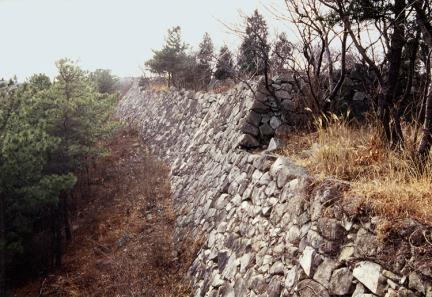
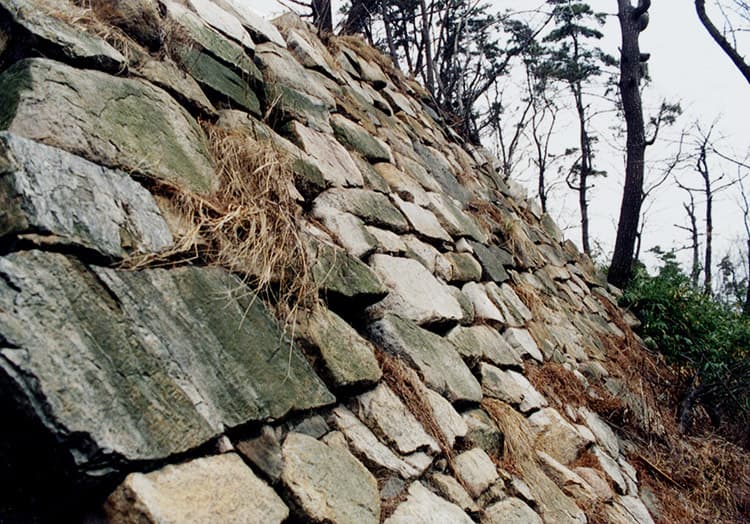
Ulsan Castle was designed following typical Japanese castle architectural principles of the era, emphasizing strong defensive walls, moats, and strategically placed gates. Unlike traditional Korean fortresses, it incorporated Japanese military construction techniques, reflecting the cross-cultural military influences during the war.
Architectural features and layout
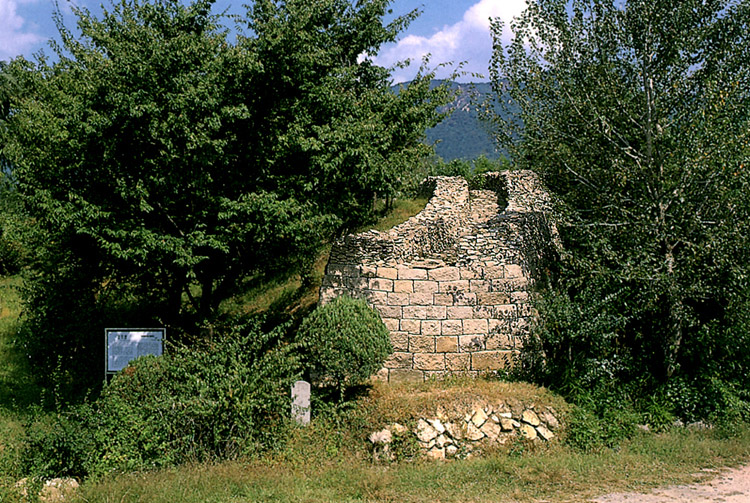
The castle was constructed primarily from stone and earthworks, featuring a roughly circular or oval-shaped perimeter wall enclosing the fortress. The walls were reinforced with stone bases and topped with wooden palisades. Defensive structures such as watchtowers and gates were positioned to monitor and repel enemy advances.
Inside the walls, there would have been barracks, storage facilities, and command posts to support the garrison stationed there. The castle's location in Ulsan was strategically chosen for its proximity to the sea and major land routes, allowing control over important transportation and communication lines.
Role during the Imjin War
Ulsan Castle played a crucial role during the Siege of Ulsan in 1598, one of the last major battles of the Imjin War. The fortress was heavily contested between Japanese forces defending it and the allied Korean and Ming Chinese armies attempting to recapture it. The castle's defenses allowed the Japanese to hold out for several months despite intense siege warfare.
The siege demonstrated the strategic importance of such fortifications in controlling territory and supply routes during the conflict. However, the war ultimately ended with the withdrawal of Japanese forces from Korea.
Post-war history and current condition
After the conclusion of the Imjin War, Ulsan Castle lost its military significance and gradually fell into disrepair. Over the centuries, natural decay and urban development have severely damaged its remains.
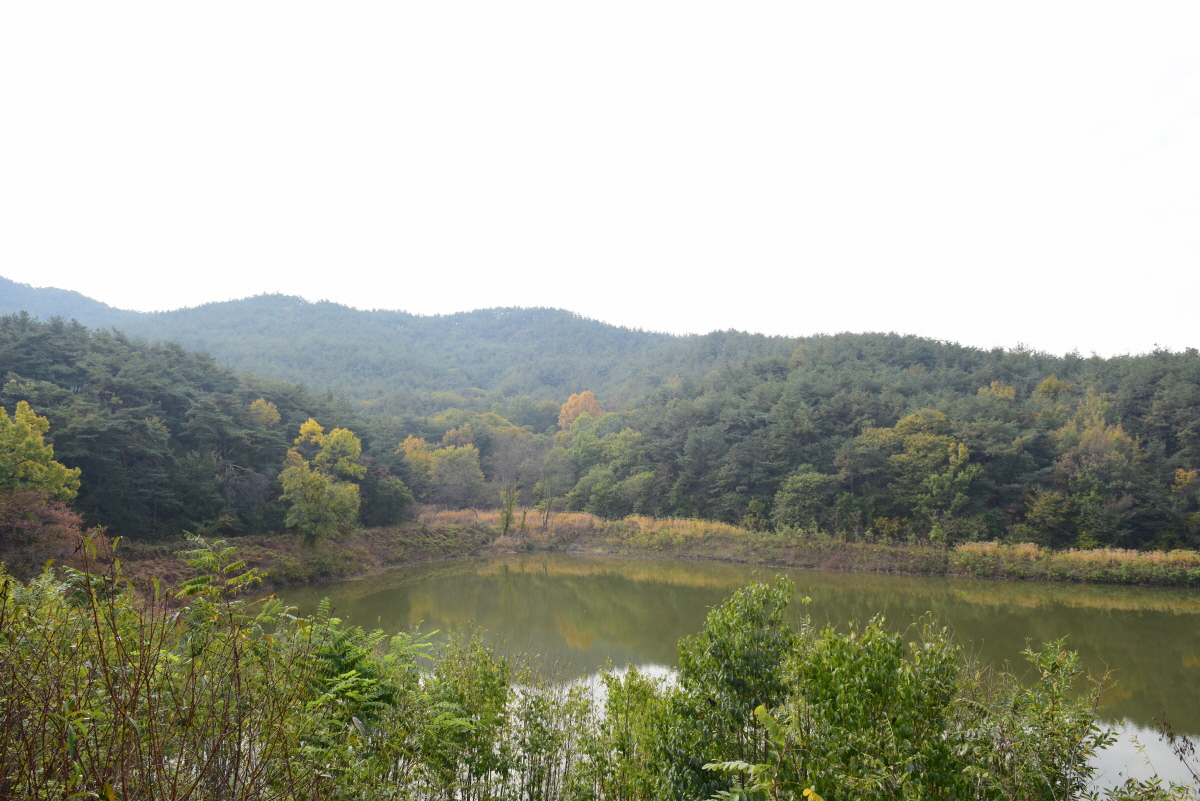
Today, the castle exists primarily as archaeological ruins. Much of the original structure has been lost due to city planning and modernization efforts in Ulsan. Despite this, the site remains an important cultural and historical landmark, providing insight into the military history and architectural practices of the Japanese invasions of Korea.
Notably, Ulsan Castle was removed from the list of Historic Sites of South Korea on October 30, 1997, reflecting its diminished physical state and the challenges of preservation amid urban growth.
Significance and legacy
While the physical remains of Ulsan Castle are limited, its historical significance endures as a symbol of the turbulent period of the late 16th century in East Asia. The castle exemplifies the military architecture introduced by the Japanese during their invasions and highlights the strategic importance of fortifications in the Imjin War.
Archaeological studies of the site have contributed to a better understanding of Japanese castle construction techniques outside Japan and their adaptation to foreign landscapes. The castle also serves as a reminder of the complex historical interactions between Korea and Japan during this era.
Visiting the site
Due to its current state as ruins and the impact of urban development, Ulsan Castle does not offer extensive visitor facilities or preserved structures. Visitors interested in military history and East Asian conflicts may find the site of interest for its historical context, although physical remnants are minimal.
Frequently asked questions (FAQ)
- What is the historical significance of Ulsan Castle?
- Ulsan Castle was a key Japanese fortress during the Imjin War (1592-1598), serving as a strategic military base for Katō Kiyomasa's army in Korea.
- Can I visit the ruins of Ulsan Castle today?
- Yes, the site of Ulsan Castle exists as archaeological ruins in Ulsan, South Korea, but physical remains are limited due to urban development.
- When was Ulsan Castle built?
- Ulsan Castle was constructed in the late 16th century during the Japanese invasions of Korea, specifically in the 1590s.
- Why was Ulsan Castle removed from South Korea's Historic Sites list?
- The castle was removed from the Historic Sites list in 1997 due to its poor preservation state and the impact of city planning in Ulsan.
- What architectural style does Ulsan Castle represent?
- Ulsan Castle reflects Japanese castle architecture of the late 16th century, featuring stone walls, wooden palisades, and defensive towers.
Photo gallery

Information
Loading map...
Visitor reviews
No reviews yet. Been here? Write the first review and help other travelers!
Write the first reviewVisited this castle? Share your experience
Your review helps other travelers and adds first-hand knowledge to our encyclopedia.