Gwanmunseong
Gwanmunseong (Korean: 관문성; Hanja: 關門城; RR: Gwanmunseong) is a significant Unified Silla-era fortress located in the region historically spanning North and South Gyeongsang Province in South Korea. Constructed in the 8th century, specifically in the year 722 during the reign of King Seongdeok, this fortress was strategically designed to protect the Silla kingdom's capital, Gyeongju. It stands as an important example of early medieval Korean military architecture, reflecting the defensive needs and construction techniques of the period.
The historical context and purpose of Gwanmunseong
During the Unified Silla period, the kingdom sought to consolidate power and defend its territories from external threats. Gwanmunseong fortress was built as a hill castle to serve as a protective barrier around the capital region. Its construction was part of a broader network of fortifications aimed at safeguarding the political and cultural heart of Silla. The fortress played a role in military defense and territorial control, underscoring the importance of fortifications in early Korean statecraft.
Architectural features and structure
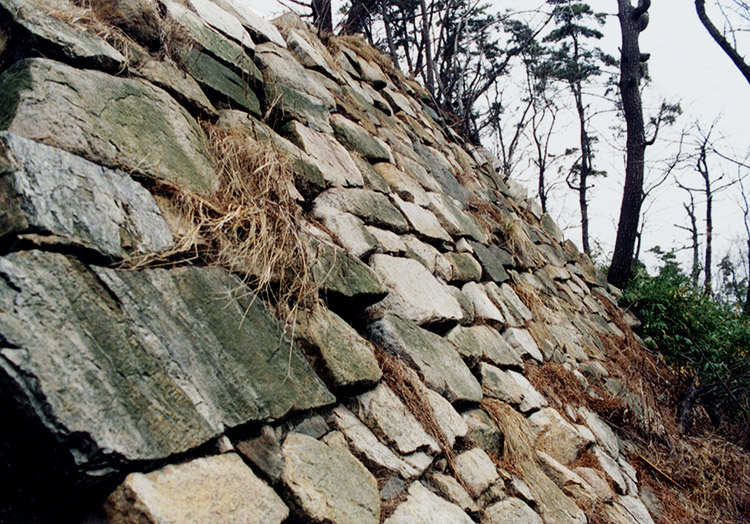
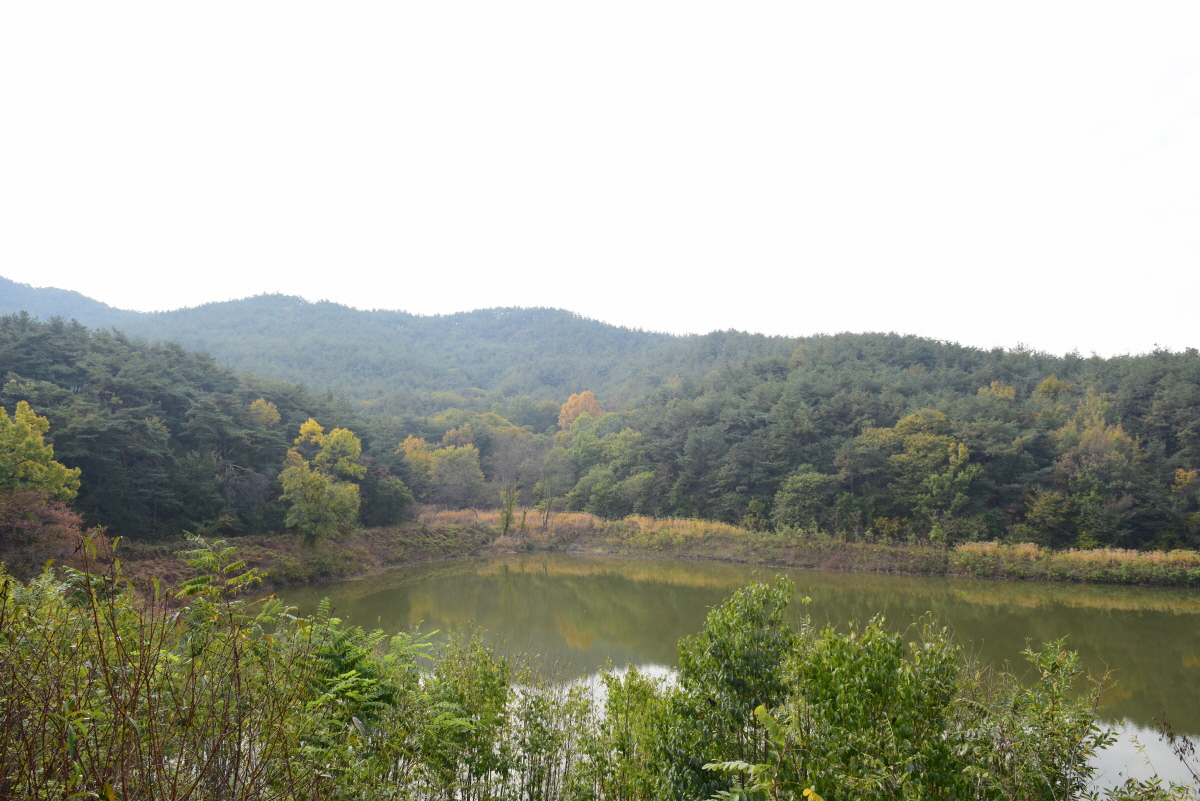
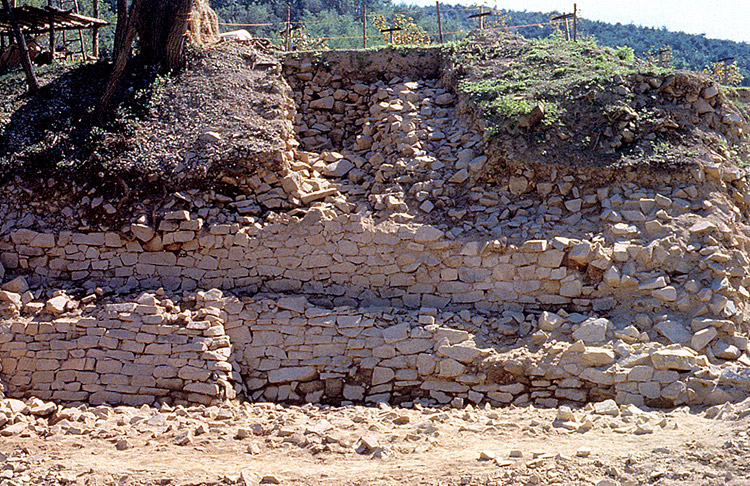
The fortress originally featured walls extending approximately 12 kilometers (7.5 miles) in total length, enclosing a significant area on the hills surrounding Gyeongju. These walls were constructed using stone and earthworks typical of the era, designed to withstand sieges and provide vantage points for surveillance. The terrain of the hill castle type was utilized to enhance defensive capabilities, making use of natural elevations to fortify the site.
While detailed records of the internal layout are scarce, the fortress likely included multiple gates, watchtowers, and defensive bastions. These architectural elements were standard in Korean fortresses of the period, facilitating troop movements and enabling effective defense against invading forces.
Later history and decline
By the early Joseon period, Gwanmunseong had fallen into disrepair and was largely in ruins. Despite this decline, parts of the fortress were reactivated during the Imjin War (1592–1598), a critical conflict involving Japanese invasions of Korea. The fortress's remnants provided strategic defensive positions during this turbulent time, demonstrating its enduring military significance.
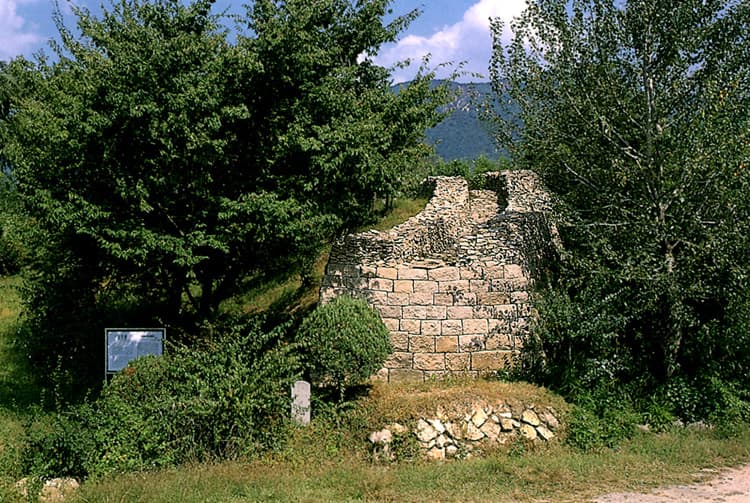
Today, most of the original structures of Gwanmunseong remain in ruins. The site has been recognized for its historical and cultural value, receiving designation as a Historic Site of South Korea on January 21, 1963. Preservation efforts aim to protect the remaining features and promote understanding of early medieval Korean fortifications.
Significance and cultural heritage
Gwanmunseong fortress is an important cultural landmark that offers insight into the military architecture and historical landscape of the Unified Silla period. Its extensive walls and strategic location highlight the defensive priorities of the kingdom and its efforts to secure its capital. The fortress's designation as a historic site underscores its value to Korean heritage and the study of early medieval fortifications.
Visitors to the site can explore the ruins and gain an appreciation for the scale and complexity of early Korean defensive structures. The fortress also contributes to the broader historical narrative of Korea's development during the early medieval era, reflecting the interplay between military strategy, architecture, and political power.
Frequently asked questions (FAQ)
- What is Gwanmunseong?
- Gwanmunseong is a historical castle located in the Republic of Korea, known for its impressive architecture and rich cultural heritage. It was built during the Joseon Dynasty and served as a strategic military fortress, showcasing the architectural style of the period.
- When was Gwanmunseong built?
- Gwanmunseong was constructed in the late 15th century, specifically during the reign of King Sejong the Great. It played a vital role in the defense of the region and has been preserved as a significant historical site.
- How do I get to Gwanmunseong?
- Gwanmunseong is accessible by public transportation, with several bus routes connecting it to nearby cities. Visitors can also reach the castle by taxi or private vehicle, with parking facilities available on-site.
- What are the opening hours for Gwanmunseong?
- Gwanmunseong is open to visitors daily from 9 AM to 6 PM, with extended hours during the summer months. It is advisable to check for any changes in hours or special closures before planning your visit.
- Are there any ticket prices for visiting Gwanmunseong?
- Admission to Gwanmunseong is free for all visitors, making it an accessible destination for anyone interested in Korean history and architecture. Special guided tours may have a fee, so it's best to inquire at the entrance.
- Can I take photographs at Gwanmunseong?
- Yes, visitors are encouraged to take photographs throughout Gwanmunseong, as it offers many picturesque views and historical landmarks. However, it's important to respect the site and other visitors while capturing your memories.
- What is the best time to visit Gwanmunseong?
- The ideal time to visit Gwanmunseong is during the spring and fall months when the weather is mild, and the surrounding landscapes are particularly beautiful. Visiting during these seasons allows you to enjoy outdoor activities and the historical ambiance of the castle.
- Is Gwanmunseong accessible for individuals with disabilities?
- Gwanmunseong strives to be accessible, with pathways designed for wheelchair users. However, some areas may have uneven surfaces, so it's recommended to check accessibility options before your visit.
- What are some nearby attractions to Gwanmunseong?
- Nearby attractions include traditional Korean villages, beautiful parks, and other historical sites that offer a glimpse into the country's rich culture. Visitors can also explore local markets and restaurants that showcase authentic Korean cuisine.
Photo gallery

Information
Loading map...
Visitor reviews
No reviews yet. Been here? Write the first review and help other travelers!
Write the first reviewVisited this castle? Share your experience
Your review helps other travelers and adds first-hand knowledge to our encyclopedia.