Seosaengpo Castle — South Korea castle

Seosaengpo Castle

Seosaengpo Castle: historic hill fortress in Korea
Renaissance (15th–17th c.)

Seosaengpo Castle is a historic hill castle located in the Republic of Korea, dating back to the 16th century. This fortress is strategically positioned on elevated terrain, characteristic of hill castles, which provided natural defensive advantages against invaders. While the exact city location remains uncertain, Seosaengpo Castle's significance lies in its role during the late medieval to early modern period in Korean history.

Historical context and significance

Constructed in the 16th century, Seosaengpo Castle was built during a time of considerable military and political upheaval in Korea. The castle's establishment coincides with the Joseon Dynasty, which ruled Korea from 1392 to 1897. This period saw the development of fortified structures to protect against both internal conflicts and foreign invasions, particularly from Japanese pirates and later the Japanese invasions of Korea (1592–1598).

The castle likely served as a military stronghold and a local administrative center, overseeing the surrounding region and controlling key routes. Its location on a hill would have allowed for surveillance of approaching forces and facilitated communication with other nearby fortresses.

Architectural features and design

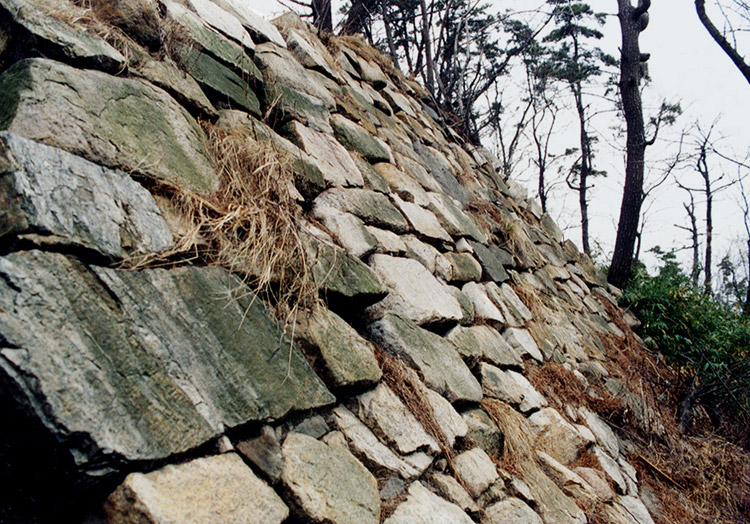
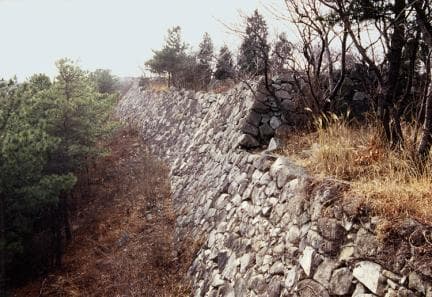
Seosaengpo Castle exhibits characteristics typical of hill castles, utilizing the natural topography for defense. The walls were constructed with locally sourced stone, forming robust battlements designed to withstand sieges. The layout likely included gates, watchtowers, and courtyards, although detailed records of the castle's exact plan are limited.

The castle's architecture reflects influences from the Renaissance period, a time when Korean fortifications began incorporating more advanced military engineering techniques. This included improved stone masonry and strategic placement of defensive structures to maximize protection and visibility.

Defensive structures

Key defensive elements would have included stone walls with parapets for archers, and possibly moats or ditches to hinder attackers. The elevated position enhanced the castle's natural defenses, making direct assaults difficult.

Internal layout

Inside the walls, the castle would have housed barracks for soldiers, storage facilities for weapons and supplies, and administrative buildings. The presence of allowed guards to monitor the surrounding landscape continuously.

Preservation and current condition

Today, Seosaengpo Castle is recognized as a significant cultural heritage site, though exact details about its preservation status vary. It is generally considered a hill castle with some partially preserved or ruined sections, reflecting the passage of time and historical conflicts.

Efforts to maintain and restore parts of the castle help visitors appreciate its historical importance and architectural ingenuity. The site attracts historians, archaeologists, and tourists interested in Korea's military history and castle architecture.

Visiting Seosaengpo Castle

While specific visitor information such as opening hours and ticket prices is not widely documented, Seosaengpo Castle is accessible to those interested in exploring Korea's historical fortifications. Visitors can experience the castle's elevated vantage points and imagine its role in Korea's defense system during the 16th century.

The surrounding landscape offers scenic views and opportunities for hiking, making it a destination for both cultural and outdoor activities.

Seosaengpo Castle in Korean heritage

Seosaengpo Castle holds a place in Korea's extensive network of fortresses that illustrate the country's strategic military planning throughout history. Its 16th-century origins connect it to a pivotal era marked by the need for fortified defense against external threats.

As a hill castle, it exemplifies the adaptation of natural geography for military purposes, a common theme in Korean castle construction. The castle contributes to the understanding of Korean Renaissance-era fortification design and the evolution of defensive architecture in East Asia.

Frequently asked questions (FAQ)

How do I get to Seosaengpo Castle?
Seosaengpo Castle is located in the Republic of Korea, easily accessible by public transportation. Visitors can take a bus or train to the nearest town and then enjoy a short walk to the castle grounds.
What is the historical significance of Seosaengpo Castle?
Seosaengpo Castle is an important historical site in Korea, built during the Joseon Dynasty. It served as a military stronghold and played a crucial role in the defense against invasions.
When was Seosaengpo Castle constructed?
Seosaengpo Castle was constructed in the late 16th century, specifically in the year 1593. This timing placed it in the context of the Imjin War, highlighting its strategic importance during that period.
Can I explore the inside of Seosaengpo Castle?
Yes, visitors are allowed to explore certain areas of Seosaengpo Castle. While some sections may be restricted for preservation, there are designated pathways and viewpoints that offer an insightful experience of the castle's architecture and history.
Why is Seosaengpo Castle a popular tourist destination?
Seosaengpo Castle attracts tourists due to its rich history and stunning views of the surrounding landscape. Its architectural features and historical significance provide a unique glimpse into Korea's past, making it a must-visit for history enthusiasts.
Is it possible to visit Seosaengpo Castle year-round?
Yes, Seosaengpo Castle is open to visitors throughout the year. However, it is advisable to check the weather conditions and any seasonal events that may affect accessibility.
What are the opening hours of Seosaengpo Castle?
Seosaengpo Castle typically opens from 9 AM to 6 PM, with extended hours during peak tourist seasons. It is recommended to verify the current hours before your visit to ensure a smooth experience.
What are the ticket prices for Seosaengpo Castle?
Entry to Seosaengpo Castle is generally affordable, with tickets priced at around 3,000 KRW for adults and discounted rates for children and seniors. Children under a certain age may enter for free, making it a great family-friendly destination.
When is the best time to visit Seosaengpo Castle?
The best time to visit Seosaengpo Castle is during the spring and fall when the weather is mild and the scenery is particularly beautiful. During these seasons, the surrounding nature enhances the castle's picturesque views, making your visit more enjoyable.
Are there any nearby attractions to visit after Seosaengpo Castle?
Yes, there are several nearby attractions, including beautiful nature parks and historical sites that offer additional insights into Korean history. Visitors can explore local museums, hiking trails, and cultural experiences in the vicinity of the castle.

Photo gallery

Seosaengpo Castle
Click to view

Photo by Cultural Heritage Administration (Public Nuri Type 1) (문화재청 (공공누리 제1유형))•CC BY-SA 4.0

1 photo • Click any image to view in full screen

Information

Hill Castle

Loading map...

Visitor reviews

No reviews yet. Been here? Write the first review and help other travelers!

Write the first review

Visited this castle? Share your experience

Your review helps other travelers and adds first-hand knowledge to our encyclopedia.
Write a review

(5/5)

0/2000 characters

Your review will be visible after admin approval

Nearby castles

17.8 km
Gijang Japanese Castle — South Korea castle

Gijang Japanese Castle

, South Korea

Gijang Japanese Castle, also known as Waeseong in Jukseong-ri, is a notable example of a Japanese-style stone fortress constructed during the late 16th century in what is now Busan, South Korea. Built amid the turbulent period of the Imjin War (1592-1598), this fortress served as a strategic military installation for the Japanese forces under the command of General Kuroda Nagamasa. Its construction around June 1593 reflects the intense military campaigns during the Japanese invasions of Korea, aiming to secure coastal strongholds and supply lines.Situated on a hillside behind the village of Jukseong-ri, the castle’s location was chosen for its commanding views of the surrounding coastline and its proximity to key maritime routes. The fortress covers an area of approximately 36,945 square metres (nearly 398,000 square feet), with a perimeter stretching about 300 metres (980 feet) and walls rising to a height of approximately 4 metres (13 feet). This sizeable footprint indicates the fortress’s role not only as a defensive position but also as a logistical hub connecting other Japanese fortifications such as Seosaengpo Waeseong in Ulsan, Hakseong, and Busanjinjiseong.Strategic importance and historical contextThe Imjin War was a significant conflict involving the Japanese invasion of the Korean Peninsula, and the construction of coastal fortresses like Gijang Japanese Castle was part of a broader Japanese military strategy to control key points along the coast. The fortress’s position on a hill overlooking the sea allowed for surveillance of naval movements and defense against Korean and Ming Chinese counterattacks. Its role was critical in maintaining Japanese supply routes and communication lines during the protracted conflict.The fortress was built during a period when Japanese forces sought to consolidate their gains and secure footholds in Korea. The choice of location near the village of Jukseong-ri highlights the interplay between military necessity and local geography, leveraging natural terrain features for defense. The castle’s construction reused stones from the earlier Korean fortification known as Dumopojinseong, evidencing the layered military history of the region and the practical reuse of materials from previous defensive structures.Architectural features and construction detailsGijang Japanese Castle exemplifies the hill castle type, characterized by its elevated position and stone walls designed to withstand sieges and artillery attacks typical of the late 16th century. The fortress’s walls, approximately 4 metres high, were built with carefully fitted stones, a technique reflecting Japanese military engineering adapted to Korean terrain.The fortress’s layout includes a roughly rectangular perimeter enclosing a courtyard area large enough to accommodate troops, supplies, and defensive installations. The walls feature battlements and embrasures for archers and gunners, enabling the defenders to repel assaults effectively. The castle’s design integrates natural topography, with walls following the contours of the hill to maximize defensive advantage.Notably, the fortress is part of a network of coastal fortifications, each positioned to provide overlapping fields of control over the sea lanes and coastal approaches. This interconnected system was vital for the Japanese military’s ability to project power and maintain supply chains during the Imjin War.Preservation and current conditionToday, Gijang Japanese Castle remains a significant historical site, with much of its stone walls relatively well preserved. Despite the surrounding area being primarily agricultural farmland, the fortress’s structural elements endure, offering valuable insights into late 16th-century military architecture and the historical conflicts of the region.The remnants of the fortress attract historians, archaeologists, and visitors interested in the Japanese invasions of Korea and the military strategies employed during this period. Preservation efforts focus on maintaining the integrity of the stone walls and preventing further degradation, ensuring that this example of Renaissance-period military architecture remains accessible for educational and cultural purposes.Cultural significance and visitor informationWhile not as widely known internationally as some other Korean castles, Gijang Japanese Castle holds important cultural and historical value as a symbol of the complex interactions between Korea and Japan during the late 16th century. It serves as a tangible reminder of the Imjin War and the enduring legacy of military architecture that shaped the region’s history.Visitors to the site can explore the remains of the fortress walls and appreciate the strategic location that once played a crucial role in coastal defense. The castle’s setting offers scenic views of the coastal landscape, enhancing its appeal as a destination for those interested in history and architecture.

Renaissance (15th–17th c.)
Details
19.1 km
Ulsan Castle — South Korea castle

Ulsan Castle

Ulsan, South Korea

Ulsan Castle (울산왜성, 蔚山倭城) is a historically significant Japanese-style castle located in Ulsan, South Korea. It was constructed during the Japanese invasions of Korea (1592-1598), also known as the Imjin War, by the forces of Katō Kiyomasa, a prominent Japanese daimyo and military commander. This fortress served as a strategic military base for the Japanese army during their campaigns on the Korean peninsula. Historical context and construction The castle was built in the late 16th century, specifically during the period of the Imjin War, which saw Japan attempt to invade and conquer Korea. Katō Kiyomasa was tasked with establishing fortified positions along the southeastern coast of Korea to secure Japanese supply lines and control key territories. Ulsan Castle was designed following typical Japanese castle architectural principles of the era, emphasizing strong defensive walls, moats, and strategically placed gates. Unlike traditional Korean fortresses, it incorporated Japanese military construction techniques, reflecting the cross-cultural military influences during the war. Architectural features and layout The castle was constructed primarily from stone and earthworks, featuring a roughly circular or oval-shaped perimeter wall enclosing the fortress. The walls were reinforced with stone bases and topped with wooden palisades. Defensive structures such as watchtowers and gates were positioned to monitor and repel enemy advances. Inside the walls, there would have been barracks, storage facilities, and command posts to support the garrison stationed there. The castle's location in Ulsan was strategically chosen for its proximity to the sea and major land routes, allowing control over important transportation and communication lines. Role during the Imjin War Ulsan Castle played a crucial role during the Siege of Ulsan in 1598, one of the last major battles of the Imjin War. The fortress was heavily contested between Japanese forces defending it and the allied Korean and Ming Chinese armies attempting to recapture it. The castle's defenses allowed the Japanese to hold out for several months despite intense siege warfare. The siege demonstrated the strategic importance of such fortifications in controlling territory and supply routes during the conflict. However, the war ultimately ended with the withdrawal of Japanese forces from Korea. Post-war history and current condition After the conclusion of the Imjin War, Ulsan Castle lost its military significance and gradually fell into disrepair. Over the centuries, natural decay and urban development have severely damaged its remains. Today, the castle exists primarily as archaeological ruins. Much of the original structure has been lost due to city planning and modernization efforts in Ulsan. Despite this, the site remains an important cultural and historical landmark, providing insight into the military history and architectural practices of the Japanese invasions of Korea. Notably, Ulsan Castle was removed from the list of Historic Sites of South Korea on October 30, 1997, reflecting its diminished physical state and the challenges of preservation amid urban growth. Significance and legacy While the physical remains of Ulsan Castle are limited, its historical significance endures as a symbol of the turbulent period of the late 16th century in East Asia. The castle exemplifies the military architecture introduced by the Japanese during their invasions and highlights the strategic importance of fortifications in the Imjin War. Archaeological studies of the site have contributed to a better understanding of Japanese castle construction techniques outside Japan and their adaptation to foreign landscapes. The castle also serves as a reminder of the complex historical interactions between Korea and Japan during this era. Visiting the site Due to its current state as ruins and the impact of urban development, Ulsan Castle does not offer extensive visitor facilities or preserved structures. Visitors interested in military history and East Asian conflicts may find the site of interest for its historical context, although physical remnants are minimal.

Late Medieval (14th–15th c.)
Details
27.6 km
Geumjeongsanseong — South Korea castle

Geumjeongsanseong

Busan, South Korea

Geumjeongsanseong (Korean: 금정산성; Hanja: 金井山城; lit. 'Geumjeong Mountain Fortress') stands as the largest fortress in Korea, located on the slopes of Geumjeongsan mountain in Busan, South Korea. This Joseon-era fortress was constructed in the 18th century during the post-Renaissance period, reflecting the military architectural advancements of its time.The fortress was built primarily as a defensive stronghold to protect the region from potential invasions, particularly during a period when Korea faced threats from Japanese pirates and other foreign forces. Its strategic location atop Geumjeongsan mountain provided commanding views of the surrounding landscape, allowing for early detection of approaching enemies and effective defense coordination.Historical background and constructionConstruction of Geumjeongsanseong began in the early 18th century, under the reign of the Joseon dynasty, which sought to bolster the kingdom’s defenses following the turbulent years of the late 16th and early 17th centuries. The fortress was designed to serve as a military refuge and a bastion against invasions, particularly from Japanese forces who had previously launched raids along the Korean coast.The fortress walls extend over 17 kilometers, enclosing an area that includes multiple gates, watchtowers, and military facilities. The walls are built primarily of stone, featuring bastioned fortifications that were advanced for their time, allowing defenders to cover multiple angles of approach and to repel attackers effectively.Architectural features and layoutGeumjeongsanseong is characterized by its bastion-style defensive walls, which incorporate both traditional Korean fortress design and elements influenced by contemporary military architecture. The walls are thick and tall, constructed from large granite blocks sourced from the surrounding mountains.The fortress includes several major gates, each strategically placed to control access and facilitate troop movements. Notable gates include the Jangdae Gate, Dongnae Gate, and Seo Gate. These gates are reinforced with guardhouses and defensive towers, providing strong points for defense.Within the fortress, there are remains of military barracks, command posts, and storage facilities. The fortress also housed a water supply system, including wells and reservoirs, critical for sustaining a prolonged defense during sieges.Military significance and historical roleThroughout its history, Geumjeongsanseong played a crucial role in regional defense. It served as a refuge for local populations during invasions and as a military base for Joseon forces. The fortress's elevated position and robust construction made it a formidable obstacle for any invading army.While the fortress did not witness many large-scale battles, its presence contributed to deterrence and regional stability. It also functioned as a command center during various military campaigns and emergencies in the Busan area.Preservation and modern statusToday, Geumjeongsanseong is recognized as a significant cultural heritage site in South Korea. Portions of the fortress walls and gates have been restored or preserved, allowing visitors to experience the scale and design of this historic military structure.The site offers hiking trails that follow the fortress walls, providing panoramic views of Busan and the surrounding landscape. It attracts both history enthusiasts and outdoor adventurers, combining cultural education with natural beauty.Efforts continue to maintain and protect the fortress from natural degradation, ensuring that this impressive example of Joseon military architecture remains accessible for future generations.

Post-Renaissance (17th–18th c.)
Details