Ujazd castle is a historic fortified residence located in the town of Ujazd in the Opole region of Poland. Situated on a hill overlooking the Kłodnica river, the site preserves ruins that reflect a rich history spanning from the medieval period through the Renaissance and Baroque eras. Originally established as a seat for bishops in the early 13th century, the castle has undergone numerous transformations, reflecting the shifting political and social landscape of Silesia.
The earliest known fortress at Ujazd likely dates back to 1224, serving as a residence for the local bishops and a center of administration. The settlement itself was founded under German town law and was an important market town frequently mentioned in chronicles. The bishop’s representative, known as the procurator, managed the estate and resided within the castle, overseeing trade and security.
Medieval origins and early architecture
The original medieval castle was strategically positioned in a river valley, surrounded by the waters of the Czarna river, a tributary of the Kłodnica. This location provided natural defense advantages typical of small knightly castles of the period. The fortress featured a regular circuit of defensive walls and a residential building attached to one of the curtain walls. Documentation from the late 15th century refers to the site as a castrum, indicating its status as a fortified stronghold.
While detailed architectural plans of the medieval castle are not preserved, archaeological findings during renovations of the later neogothic palace revealed a surviving Gothic wall fragment measuring approximately 12 meters long and 3 meters high. This remnant is likely part of the original defensive structure, offering insights into the castle's medieval construction techniques and materials.
Renaissance rebuilding and ecclesiastical prominence
In the 16th century, the medieval fortress was rebuilt on its original foundations into a Renaissance-style castle. This reconstruction coincided with a period of prosperity for Ujazd, which had become an important ecclesiastical center in Silesia. The local deanery encompassed 16 surrounding parishes, underscoring the town's religious significance.
The Renaissance castle reflected contemporary architectural trends, emphasizing symmetry, proportion, and decorative elements while maintaining defensive capabilities. This period marked the height of Ujazd's influence as a hub of church administration and regional trade.
Conflicts and ownership changes in the 17th century
The 17th century brought turmoil as the castle and town became embroiled in disputes between the bishops residing in Ujazd and the ruling Opole princes. The powerful Długomił family took control of the castle and clashed with the townspeople over increasing fees and levies, leading to civic unrest and rebellion.
In 1609, the castle passed to Mikołaj Kochcicki, the starost of the Nysa duchy and son of the owner of nearby Lubliniec. After his death, his daughter Anna Kochcicka inherited the castle. Known for her harsh and authoritarian rule, she expelled all Jews, Protestants, and suspected subversives from the town. Her governance was marked by strict punishments for any dissent, further intensifying local tensions.
Subsequent owners included Count Karol Joachim Mettich, Anna’s son-in-law, and later the Praschma family. The last notable owner before the castle's decline was Karol Henryk Sobek, a regional starost.
Decline and transformation in the modern era
The decline of Ujazd began in the 17th century when a new bridge crossing over the Oder river near Krapkowice diverted trade routes away from the town. This loss of commercial traffic led to economic downturn and diminished the town’s importance as a market center.
During the Prussian period, Ujazd transformed into a military garrison town, hosting cavalry units such as hussars for over 65 years. The town's fortunes were further damaged by a devastating fire in 1770 that destroyed much of its buildings. The castle survived this disaster but the town never regained its former prosperity, becoming one of the poorest towns in Silesia.
From the late 18th century until 1945, the castle was owned by the noble Hohenlohe-Oehringen family. They maintained the property through changing political regimes but it suffered significant damage during the Second World War and was never fully restored afterward.
Architectural evolution and recent discoveries
In the 17th century, the castle was remodeled by Kaspar Denhoff into a Baroque palace, reflecting the architectural tastes of the era. Later in the late 19th century, between 1882 and 1886, the residence underwent another transformation under the ownership of the Ostrowski family. They gave the palace a neogothic appearance, adding decorative elements typical of the Gothic Revival movement and situating the castle within an extensive park.
Recent restoration efforts have uncovered important historical elements, including the Gothic wall fragment mentioned earlier. These findings contribute valuable knowledge about the castle's layered history and architectural development.
Current condition and preservation
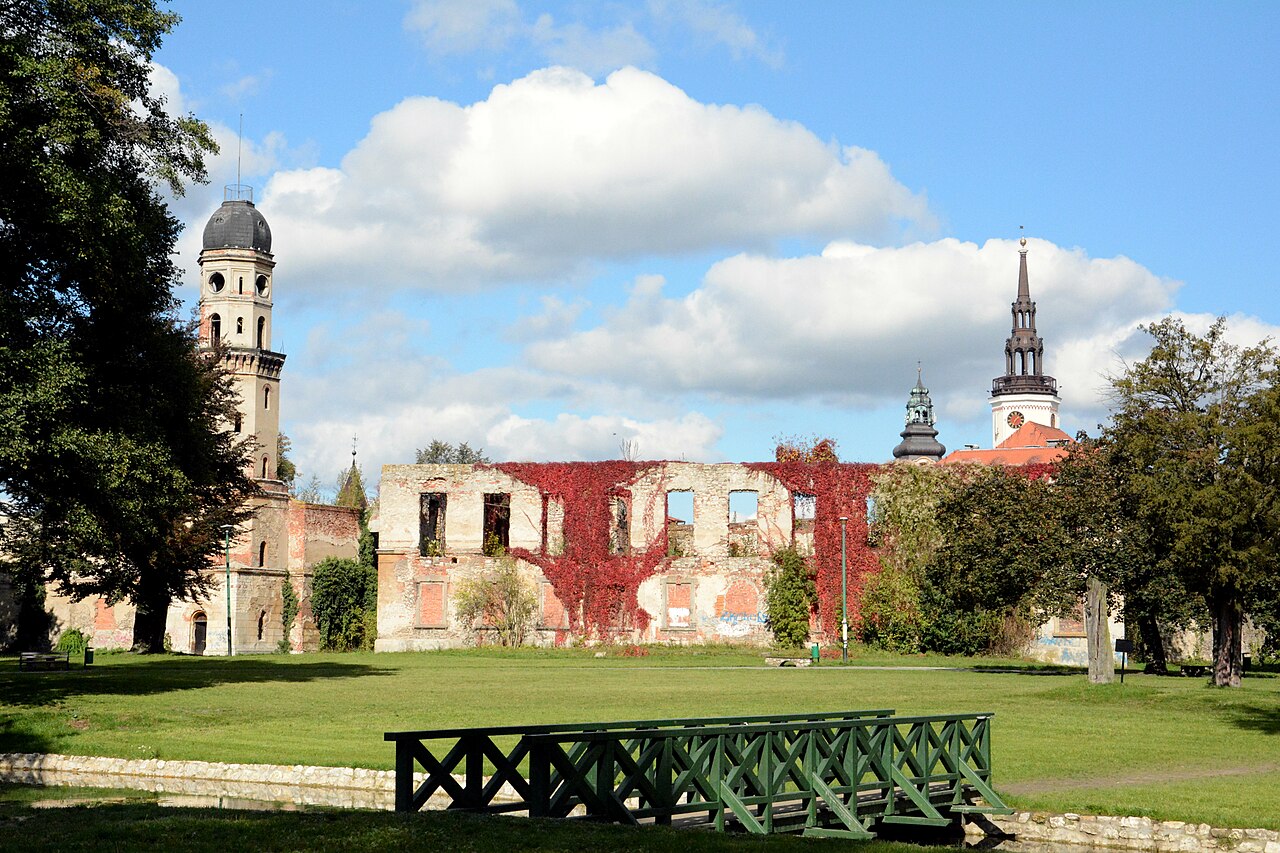
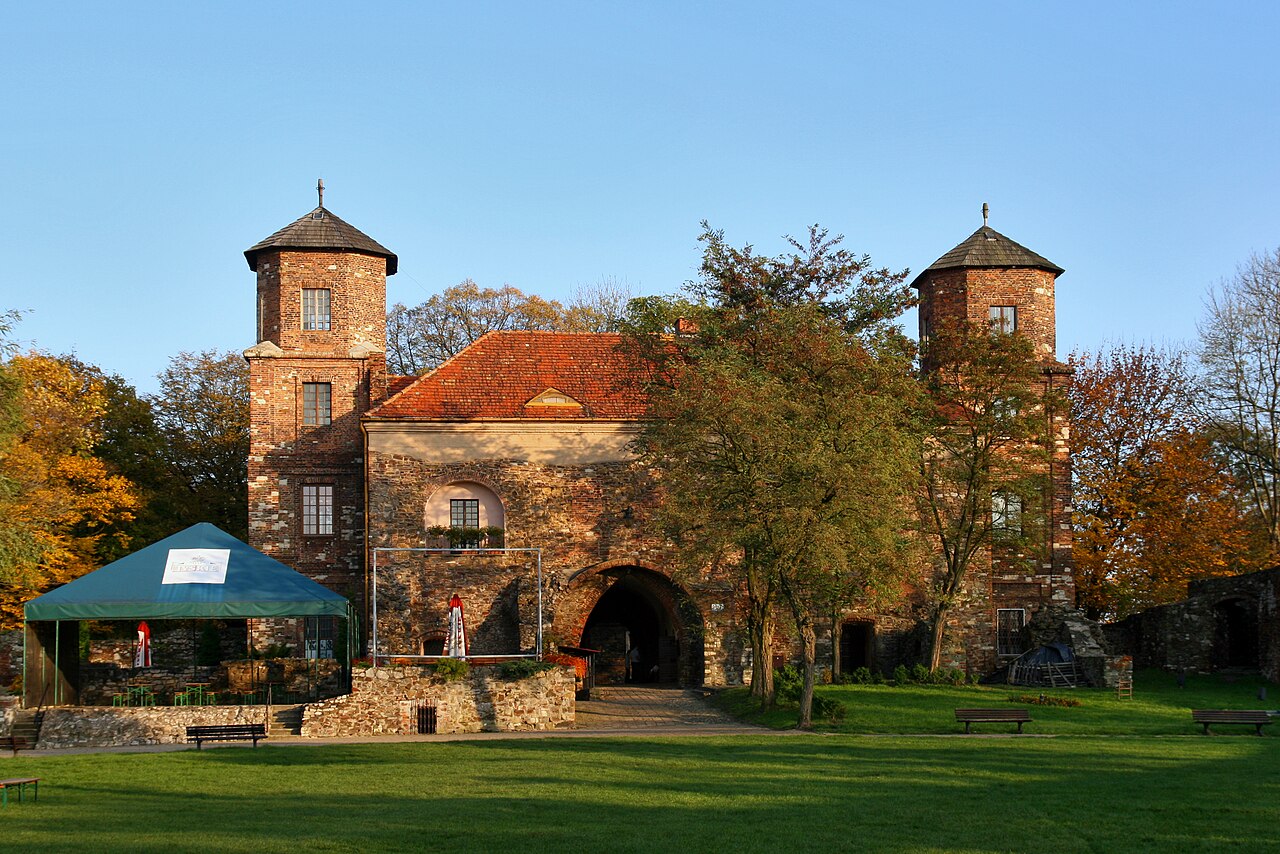
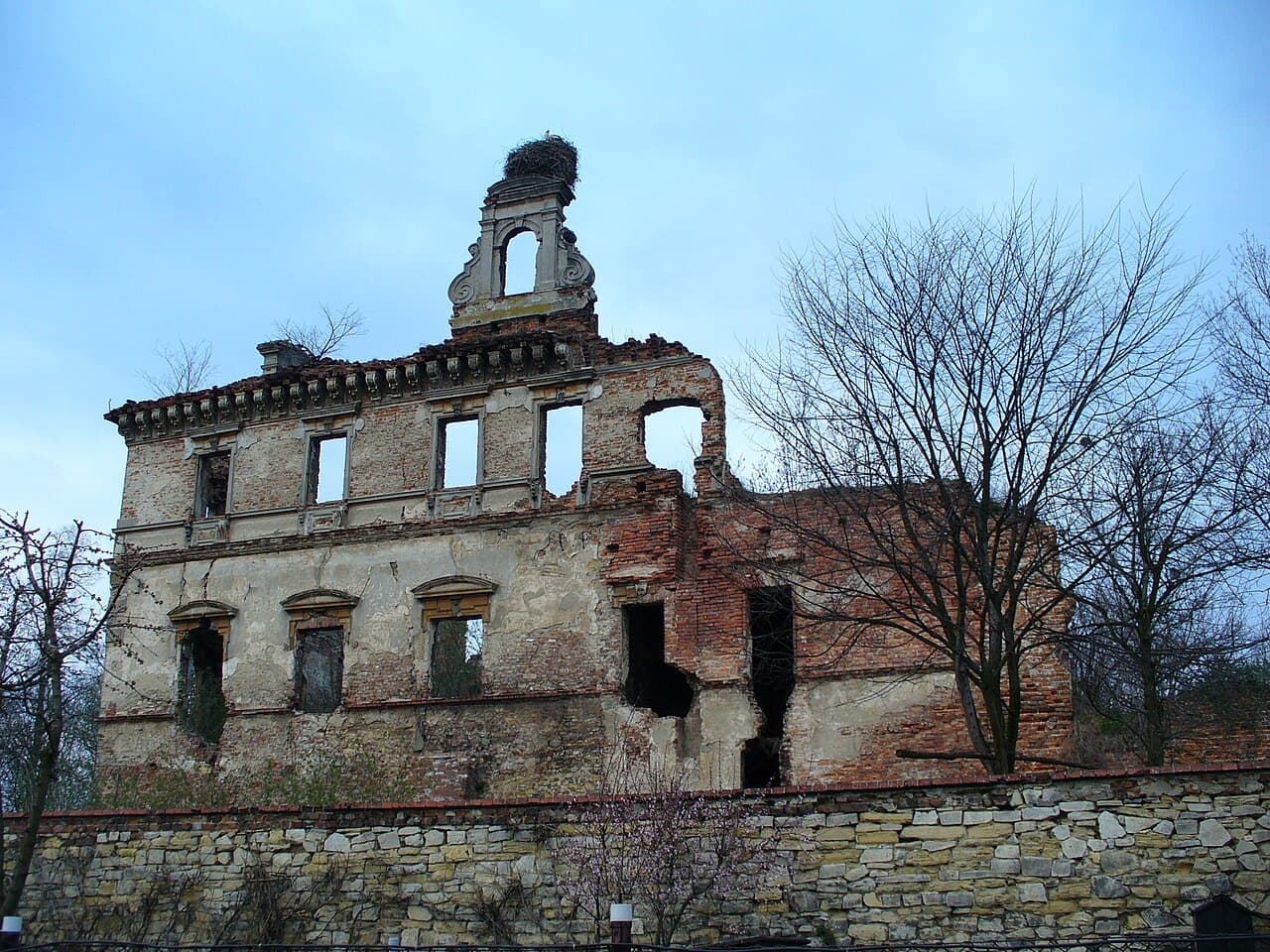
Today, the Ujazd castle ruins stand as a testament to the region's complex past. The site is partially preserved, with significant portions of the structure lost to time and conflict. The castle's ruins offer insight into medieval defensive architecture, Renaissance residential design, and later Baroque and neogothic modifications.
Ongoing conservation work aims to stabilize the remains and enhance public understanding of the castle's historical and cultural significance. The castle is an important heritage site within the Opole region, attracting visitors interested in Silesian history and architecture.
Historical significance and cultural heritage
Ujazd castle played a crucial role as a religious, administrative, and military center in Silesia for several centuries. Its evolution from a medieval fortress to a Renaissance and Baroque residence mirrors the broader historical shifts in the region. The castle's association with prominent families and its involvement in local conflicts highlight the complex social dynamics of Silesian towns.
Despite its ruined state, the castle remains a symbol of Ujazd's historical identity and a valuable site for archaeological and architectural research. It embodies the layered history of Silesia, reflecting influences from Polish, German, and noble traditions.
Visitor information and accessibility
The castle ruins are accessible to the public, although facilities may be limited due to the site's condition. Visitors can explore the park surroundings and view the remaining structural elements, including the Gothic wall fragment. The site provides an evocative glimpse into the past and is often included in regional heritage tours.
Efforts to develop educational materials and guided tours are ongoing, aiming to enhance the visitor experience and promote awareness of Ujazd's historical importance.
Frequently asked questions (FAQ)
- How do I get to Ujazd Castle?
- Ujazd Castle is located in Ujazd, Poland, and can be reached by car or public transport from nearby cities such as Opole and Wrocław. The castle's location is well-marked, and there is parking available for visitors. For public transport, local buses connect Ujazd with major towns.
- What is the historical significance of Ujazd Castle?
- Ujazd Castle dates back to the 14th century and has served various roles throughout its history, including as a fortress and noble residence. It is notable for its role in local history and architecture, showcasing the evolution of defensive structures in the region. The castle is a symbol of the area's rich heritage and cultural significance.
- When was Ujazd Castle built?
- Construction of Ujazd Castle began in the late 14th century, with significant modifications and expansions occurring in the following centuries. The structure reflects various architectural styles that evolved over time, showcasing both medieval and Renaissance influences. Today, it stands as a testament to the historical developments of the region.
- Can I visit Ujazd Castle year-round?
- Yes, Ujazd Castle is open to visitors year-round, although opening hours may vary seasonally. It's advisable to check the official website for the most current information on visiting hours and any special events. Visiting during spring and summer may provide the best experience due to favorable weather.
- Why is Ujazd Castle a popular tourist destination?
- Ujazd Castle is popular due to its rich history, stunning architecture, and picturesque setting. Visitors are drawn to the castle's historical exhibitions and beautiful landscapes surrounding the site. Additionally, its proximity to other attractions makes it a convenient stop for those exploring the region.
- Is it possible to take guided tours of Ujazd Castle?
- Yes, guided tours of Ujazd Castle are available, offering visitors in-depth insights into its history and architecture. These tours are led by knowledgeable guides who can provide fascinating stories and details about the castle's significance. It's recommended to book tours in advance, especially during peak tourist seasons.
- What are the ticket prices for Ujazd Castle?
- Ticket prices for Ujazd Castle are generally affordable, with discounts available for students, seniors, and groups. Children under a certain age may enter for free. To ensure a smooth visit, check the official website for the most up-to-date pricing information and any special promotions.
- What are the opening hours for Ujazd Castle?
- Ujazd Castle typically opens at 10 AM and closes at 6 PM, though these hours may vary depending on the season. It is advisable to verify opening times before your visit, as special events might alter the schedule. Always check for any holiday closures as well.
- What nearby attractions can I visit after exploring Ujazd Castle?
- After visiting Ujazd Castle, you can explore the surrounding natural parks and historical sites, such as the charming village of Ujazd. Nearby attractions include local museums and beautiful hiking trails that showcase the region's natural beauty. These sites provide a great opportunity to extend your visit and experience more of the local culture.
Photo gallery

Information
Loading map...
Visitor reviews
No reviews yet. Been here? Write the first review and help other travelers!
Write the first reviewVisited this castle? Share your experience
Your review helps other travelers and adds first-hand knowledge to our encyclopedia.