Golconda
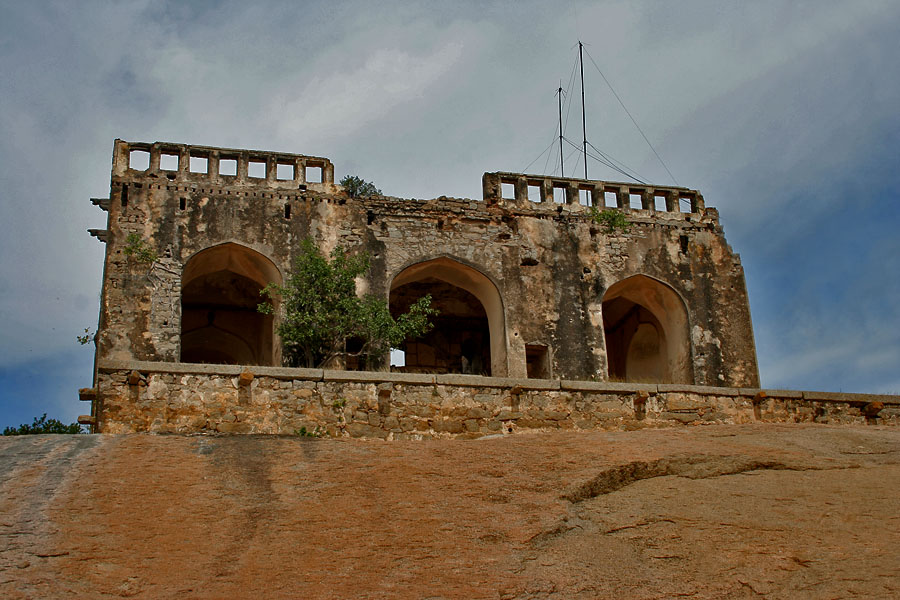
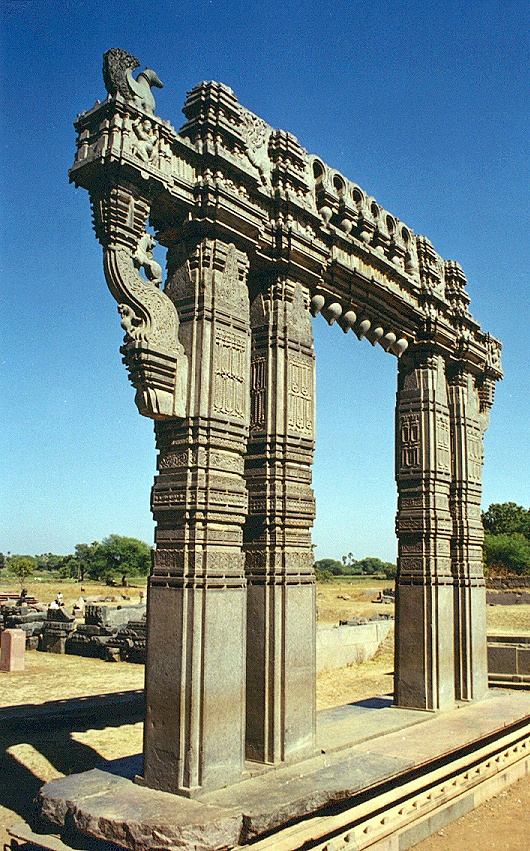
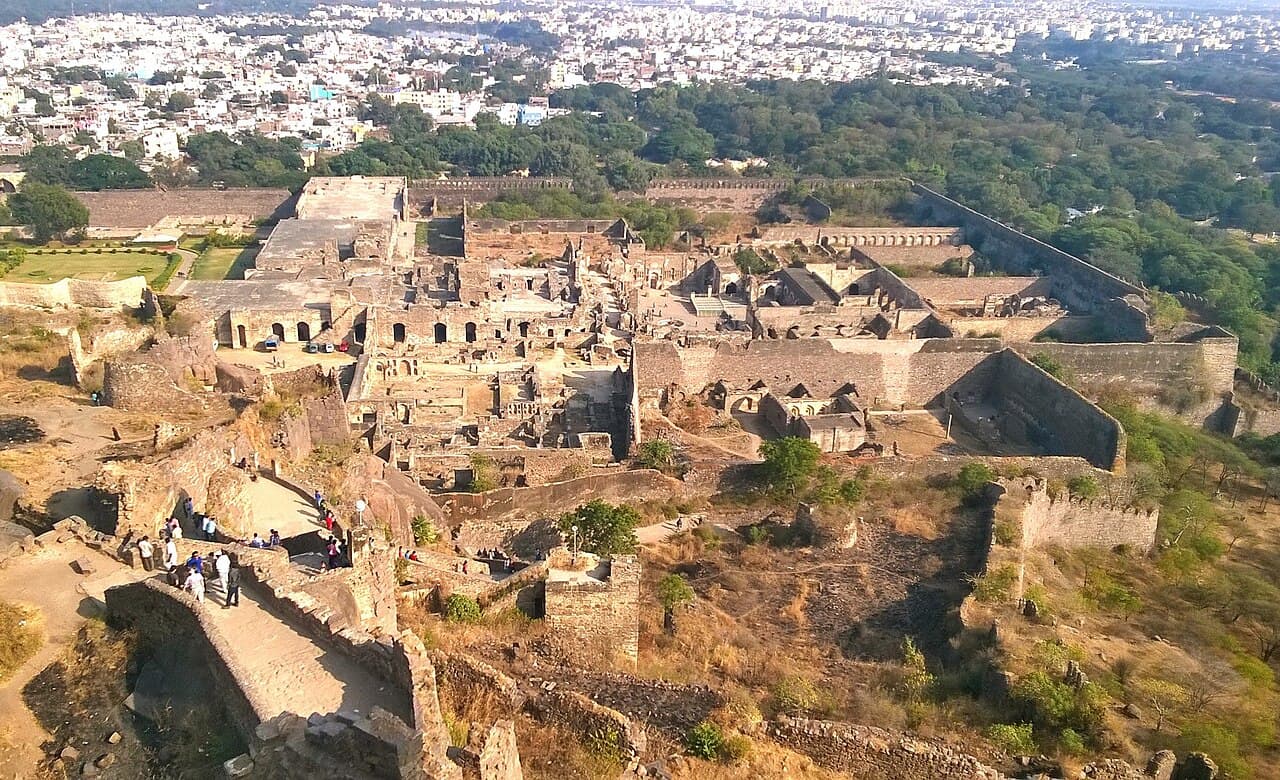
Golconda Fort is a monumental fortified citadel and the ruins of a once-thriving city located on the western outskirts of Hyderabad, Telangana, India. This historic fortress stands as a significant example of medieval military architecture in the Deccan region. Originally constructed in the 12th century by the Kakatiya dynasty, led by ruler Pratāparudra, the fort began as a modest mud-walled stronghold. Over the centuries, it evolved into a massive defensive complex with stone fortifications that reflect the region's changing political and cultural landscape.
Early history and architectural evolution
The initial construction of Golconda Fort dates back to the late 11th and early 12th centuries, when the Kakatiya rulers established it as a strategic military post. The original fortifications were primarily built using mud walls, which were later replaced by more durable stone structures. The fort's location on a granite hill provided a natural defensive advantage, enabling it to control the surrounding plains and trade routes effectively.
Following the decline of the Kakatiya dynasty in the 14th century, Golconda came under the control of the Musunuri Nayakas. During this period, the fort's defenses were strengthened to withstand the increasing threats from neighboring kingdoms. In the mid-14th century, the fort was ceded to the Bahmani Sultanate during the reign of Mohammed Shah I, a pivotal moment that marked the beginning of Golconda's transformation into a major political and military center.
Golconda under the deccan sultanates
With the fragmentation of the Bahmani Sultanate into five smaller sultanates, Golconda emerged as the capital of the Sultanate of Golconda under the leadership of Sultan Quli Qutb-ul-Mulk. Appointed as governor by the Bahmani rulers, Sultan Quli fortified the city extensively, expanding its walls, gates, and bastions to create a formidable fortress. The architectural style during this period combined indigenous Indian elements with Persian and Islamic influences, resulting in a unique blend that characterizes the Deccan Sultanate's heritage.
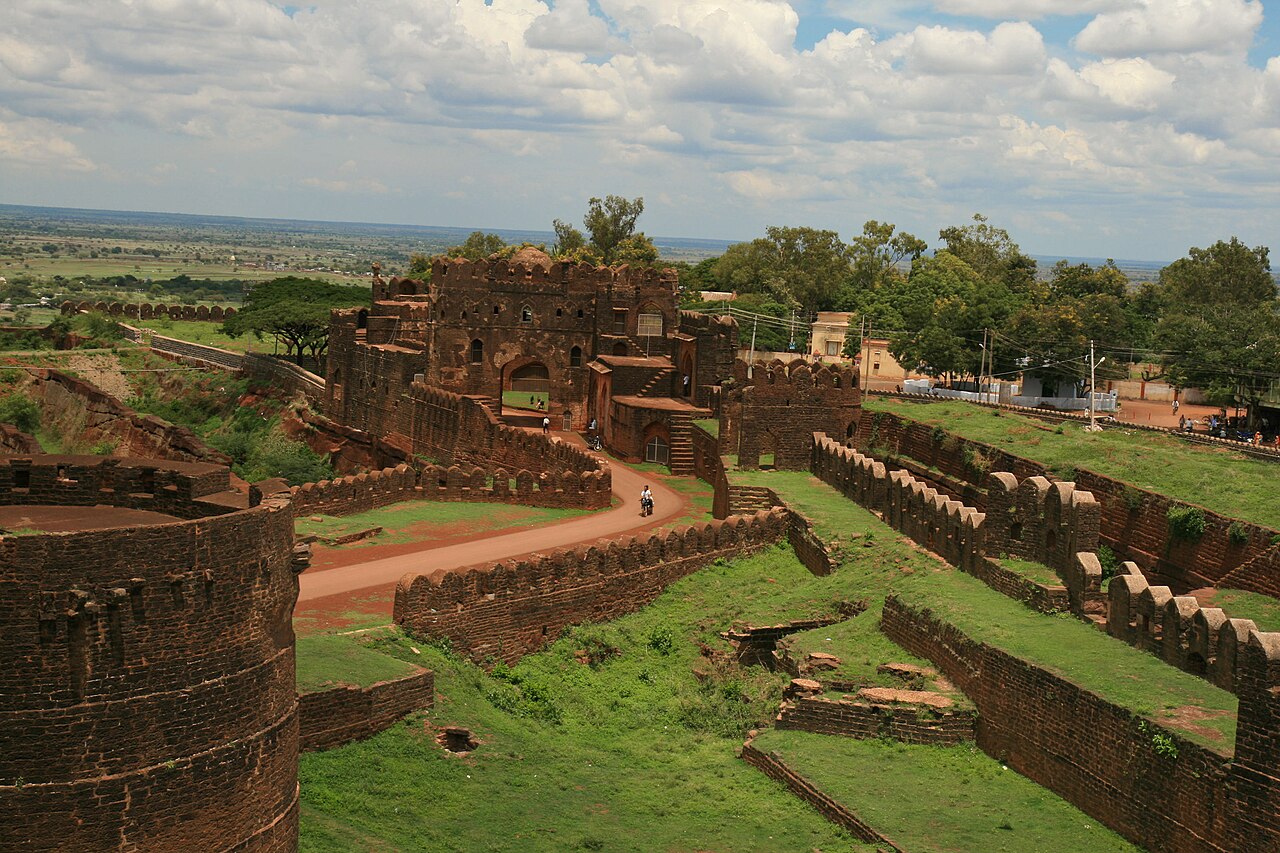
The fort complex includes massive defensive walls, multiple gates such as the famous Fateh Darwaza (Victory Gate), and a series of watchtowers and bastions designed for optimal defense. The internal layout comprises royal palaces, mosques, audience halls, and a network of water supply systems, including large reservoirs and aqueducts that ensured the fort's sustainability during sieges.
Golconda's role in diamond trade and economic significance
Golconda Fort gained international fame for its proximity to some of the world's richest diamond mines, notably the Kollur Mine. The region was renowned for producing the legendary Golconda diamonds, which included some of the most famous gems in history such as the Koh-i-Noor and the Hope Diamond. This lucrative diamond trade brought immense wealth to the sultanate and attracted merchants and traders from across Asia and Europe.
The fort's strategic location along important trade routes facilitated the exchange of goods, culture, and ideas. The economic prosperity of Golconda during the 16th and 17th centuries is reflected in the grandeur of its architectural remains and the sophistication of its urban planning.
Architectural features and defensive innovations
Golconda Fort is notable for its advanced military architecture, which includes a series of concentric walls, strategically placed bastions, and an ingenious acoustic system that allowed sounds made at the entrance gate to be heard at the highest point of the fort. This early warning system was designed to alert the inhabitants of any approaching danger.
The fort's massive gates are adorned with intricate carvings and inscriptions, showcasing the artistic achievements of the Deccan Sultanate period. The complex also features a network of underground tunnels and chambers used for storage and as escape routes during attacks.
Cultural and historical legacy
Today, Golconda Fort stands as an archaeological site and a symbol of the rich cultural heritage of the Deccan region. Despite being in a state of ruins, the fort attracts numerous visitors interested in its history, architecture, and the legends surrounding its diamond trade.
In 2014, Golconda Fort was placed on the UNESCO Tentative List under the designation "Monuments and Forts of the Deccan Sultanate" alongside other significant forts in the region. This recognition underscores the fort's importance as a cultural landmark and its potential for future conservation and study.
Visiting golconda fort
The site is accessible to tourists year-round, with the best time to visit being during the cooler months from October to March. Visitors can explore the extensive ruins, including the grand gates, royal chambers, and the famous sound and light show that narrates the fort's history in the evenings.
Preservation challenges
As an ancient fortification exposed to natural elements and urban encroachment, Golconda faces ongoing preservation challenges. Efforts by local authorities and heritage organizations aim to maintain the structural integrity of the remaining walls and promote awareness of the site's historical value.
Frequently asked questions (FAQ)
- How do I get to Golconda Fort from Hyderabad city center?
- Golconda Fort is located about 11 kilometers west of Hyderabad city center and can be reached by taxi, auto-rickshaw, or public buses. The journey takes approximately 30 to 40 minutes depending on traffic.
- What are the opening hours and ticket prices for Golconda Fort?
- Golconda Fort is open daily from 9:00 AM to 5:30 PM. The entry fee is nominal, with different rates for Indian nationals and foreign tourists. There is also a separate ticket for the popular sound and light show held in the evenings.
- Can I explore the entire fort on foot?
- Yes, visitors can walk through most parts of the fort complex, including the gates, bastions, and royal chambers. Some areas may be restricted for safety reasons, but the main sections are accessible and well-marked.
- Why is Golconda Fort famous?
- Golconda Fort is famous for its impressive medieval military architecture and its historic role as a center of diamond trade. It was the capital of the Golconda Sultanate and is associated with the legendary Golconda diamonds.
- Is there a guided tour available at Golconda Fort?
- Yes, guided tours are available and recommended to fully appreciate the history and architectural features of Golconda Fort. Local guides provide detailed insights into the fort's construction, historical events, and cultural significance.
Photo gallery

Information
Current owner
Government of Telangana
Loading map...
Visitor reviews
No reviews yet. Been here? Write the first review and help other travelers!
Write the first reviewVisited this castle? Share your experience
Your review helps other travelers and adds first-hand knowledge to our encyclopedia.