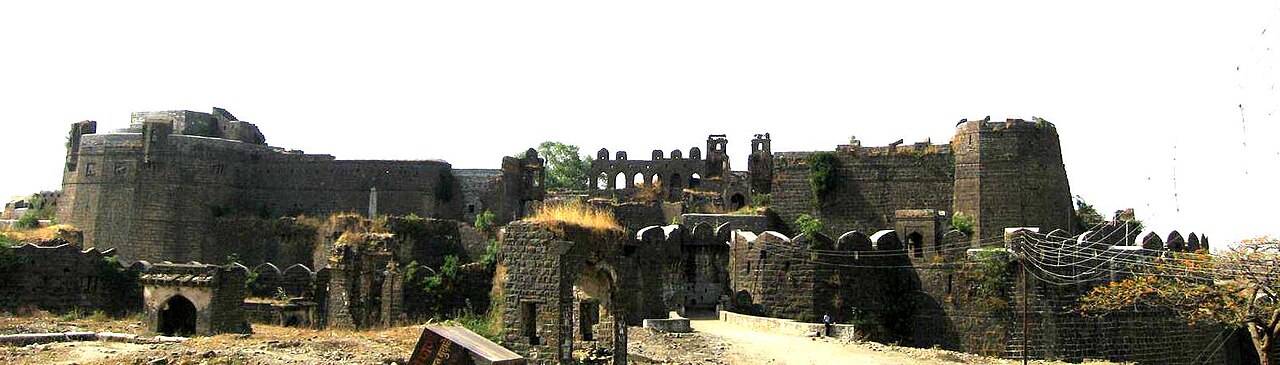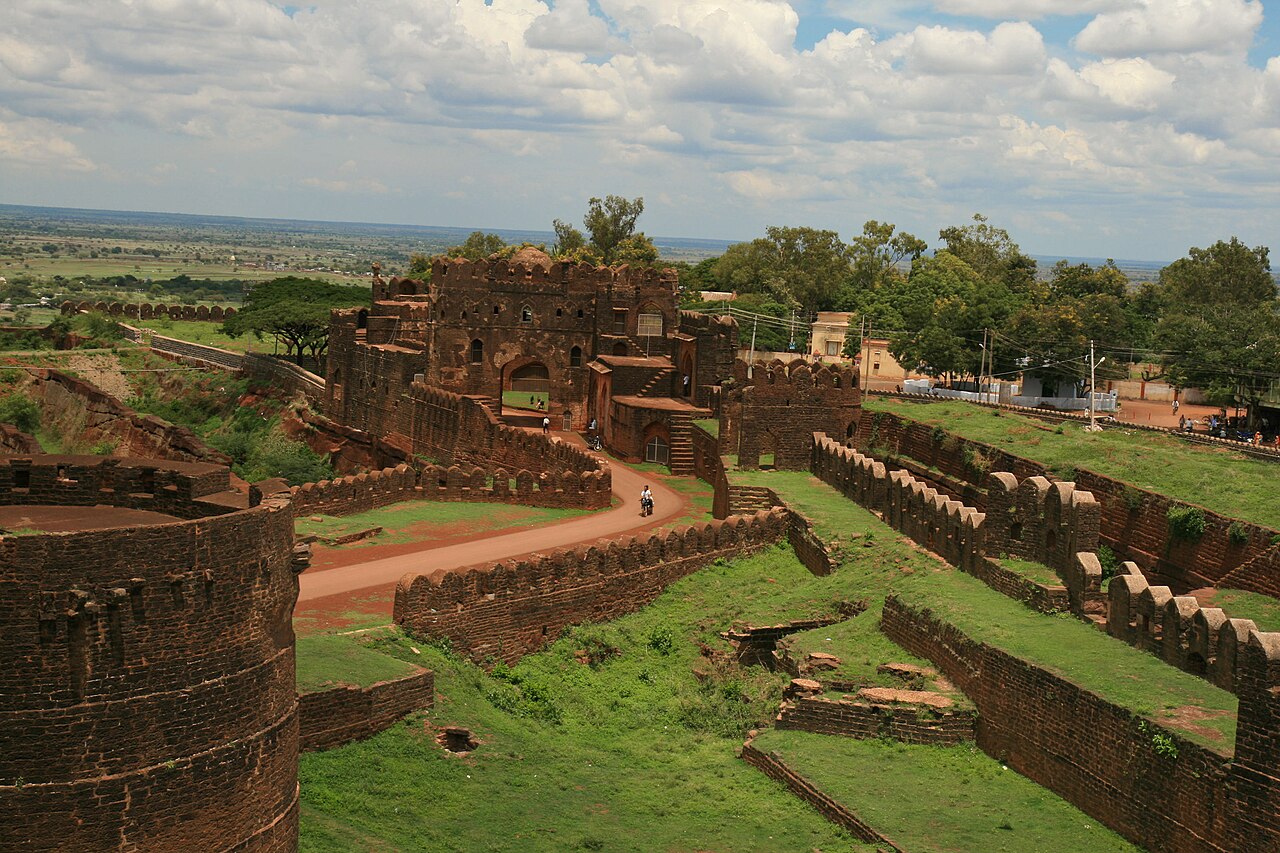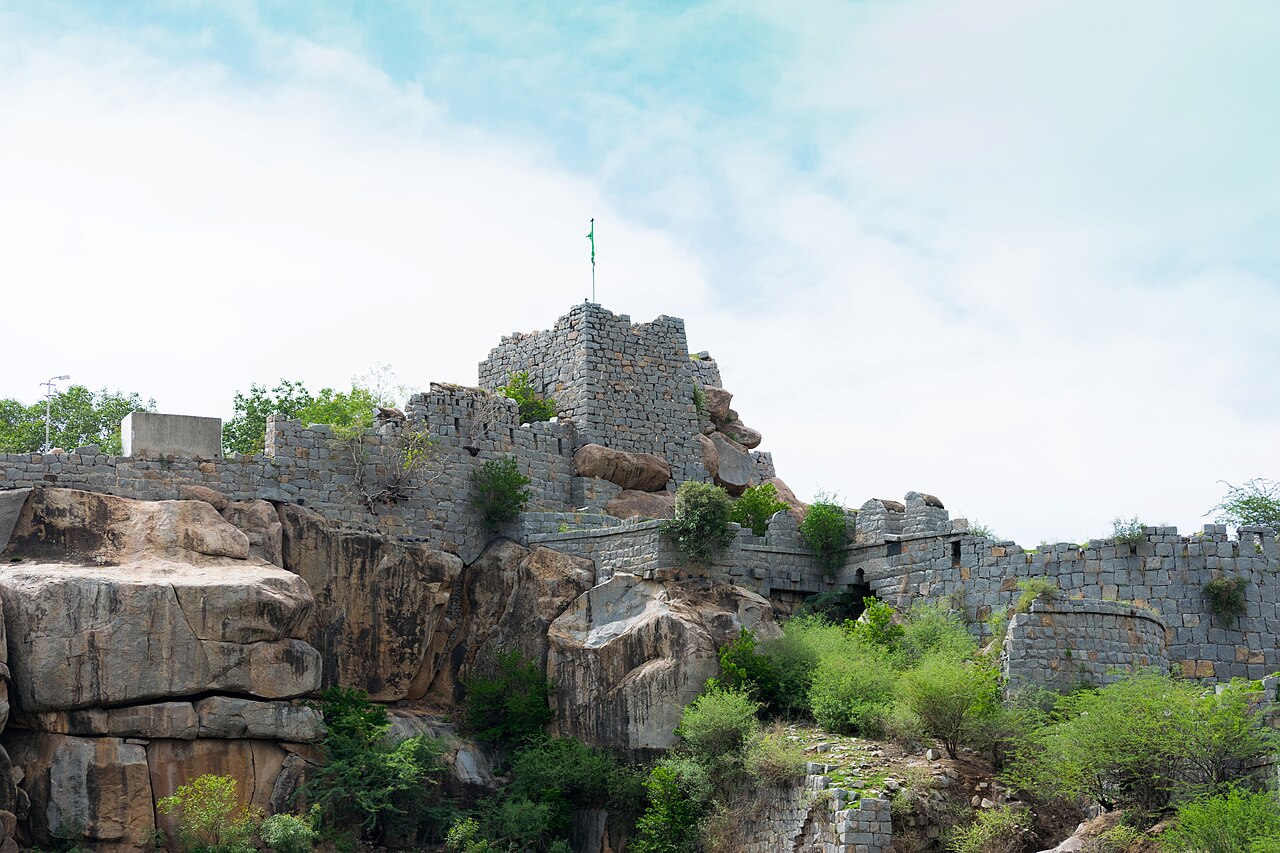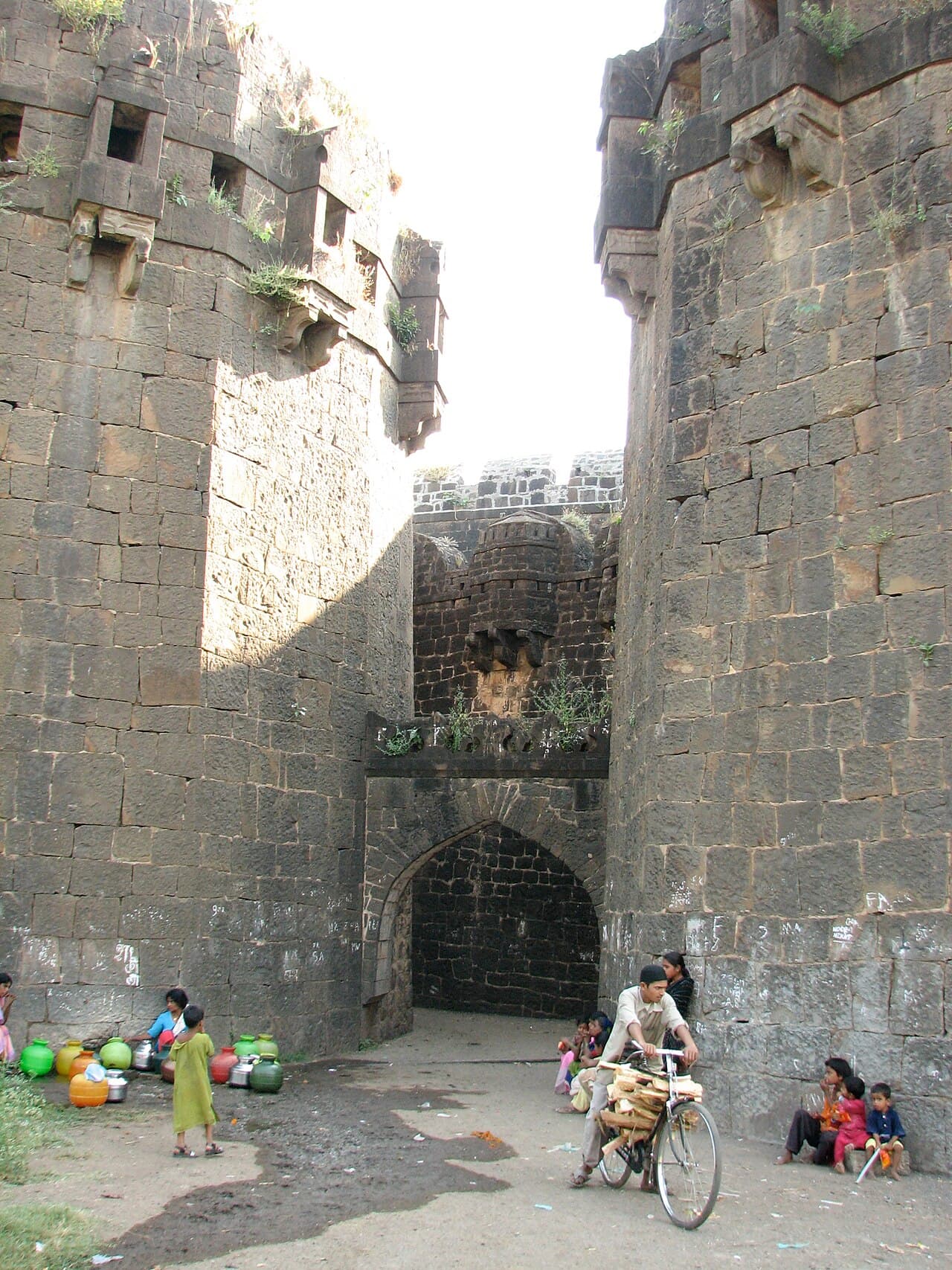
Naldurg Fort is a prominent bastioned fortress located in the town of Naldurg within the Dharashiv district of Maharashtra, India. This fort is notable for its unique construction that incorporates a natural knoll of basalt rock protruding into the valley formed by the Bori River. The fortification features an extensive long wall reinforced by numerous bastions, which exemplify the defensive military architecture typical of the medieval period in the region.
Historical background and origins
The origins of Naldurg Fort are traditionally attributed to a legendary King Nala, from whom the fort derives its name. However, historical evidence suggests that the fort's construction likely dates back to the Western Chalukya era, which spanned roughly from the 10th to 12th centuries. This period was known for the development of distinctive medieval Indian fortifications that combined natural topography with man-made defenses.
Over the centuries, Naldurg Fort came under the control of several significant powers in the Deccan region. It was held by the Bahmani Sultanate, a major Islamic kingdom that ruled parts of South India from the 14th to the 16th centuries. Following the decline of the Bahmanis, the fort passed to the Adil Shahi dynasty of Bijapur, who further fortified and maintained it. Later, it was incorporated into the Mughal Empire, reflecting the shifting political landscape of India during the early modern period. Eventually, the fort became part of the territory governed by the Nizam of Hyderabad.
Architectural features and design
Naldurg Fort is an example of a bastioned fortress, a style characterized by angular bastions projecting outward from the curtain walls, designed to provide overlapping fields of fire and eliminate blind spots. The fort's walls are constructed primarily from local basalt stone, which blends with the natural rock outcrop it encloses.
The fort's layout takes advantage of the basalt knoll, which rises sharply above the surrounding landscape, providing a natural vantage point for surveillance and defense. The fortification walls extend along the contours of this rock, creating a formidable barrier against invaders. The presence of multiple bastions along the walls allowed defenders to mount artillery and archers strategically.
Within the fort, there are remnants of various structures including gates, barracks, water tanks, and that supported the garrison and inhabitants. The fort's design reflects the military engineering knowledge of its successive rulers, adapting to evolving warfare technologies over time.
Significant historical events and cultural importance
The fort played a vital role as a military stronghold and administrative center in the Marathwada region. It witnessed numerous battles and power struggles among the regional sultanates and empires. One notable historical event associated with Naldurg Fort is the marriage of Chand Bibi, a prominent female warrior and regent of the Deccan Sultanates, which adds to the fort's cultural significance.
Additionally, the fort serves as the burial site for important figures such as Nawab Amir Nawazul Mulk Bahadur, indicating its continued use as a place of political and social importance well into the early modern period.
Current condition and tourism
Today, Naldurg Fort stands as a partially preserved monument reflecting its layered history. While some sections of the walls and bastions remain intact, other parts have suffered from natural decay and lack of maintenance. The fort remains accessible to visitors interested in exploring its architectural features and historical context.
Its location in the Dharashiv district makes it a noteworthy destination for those interested in the medieval forts of Maharashtra and the broader history of the Deccan region. Visitors can explore the imposing walls, climb the bastions for panoramic views of the surrounding valley, and appreciate the fort's integration with the natural basalt landscape.
Architectural legacy and regional significance
Naldurg Fort exemplifies the strategic use of natural terrain combined with robust defensive architecture typical of bastioned fortresses in India. Its construction and successive modifications reflect the military and political history of the Deccan from the Western Chalukya era through the Bahmani Sultanate, Adil Shahi dynasty, Mughal Empire, and the Nizam of Hyderabad.
The fort's enduring presence provides valuable insights into the evolution of fortification techniques and regional power dynamics in medieval and early modern India. It remains a significant cultural heritage site within Maharashtra, attracting historians, archaeologists, and tourists alike.
Frequently asked questions (FAQ)
- How do I get to Naldurg Fort?
- Naldurg Fort is located in the Osmanabad district of Maharashtra, India. The nearest major city is Pune, which is about 300 kilometers away. You can reach the fort by road, and local transport options like buses and taxis are available from nearby towns.
- What is the historical significance of Naldurg Fort?
- Naldurg Fort is known for its strategic location and was built during the medieval period, showcasing the architectural prowess of that era. It has served various rulers and witnessed many historical events, making it a vital part of Maharashtra's heritage.
- When was Naldurg Fort constructed?
- The fort was primarily constructed in the 16th century, during the reign of the Deccan Sultanates. Over the years, it has undergone various renovations and expansions, reflecting different architectural styles and influences.
- Can I explore the fort on my own?
- Yes, visitors can explore Naldurg Fort independently, as there are no strict guided tours. However, hiring a local guide can enhance your experience by providing insights into the fort's history and architecture.
- Why is Naldurg Fort popular among tourists?
- Naldurg Fort attracts tourists due to its impressive architecture, historical significance, and stunning views of the surrounding landscape. It offers a glimpse into the region's rich past and is a great spot for photography and exploration.
- Is it possible to visit Naldurg Fort year-round?
- Yes, Naldurg Fort is open for visitors throughout the year. However, the best time to visit is between October and March when the weather is more pleasant and ideal for outdoor activities.
- What are the opening hours for Naldurg Fort?
- Naldurg Fort is generally open from sunrise to sunset, allowing ample time for exploration. It's advisable to visit earlier in the day to avoid the heat and enjoy the fort at your own pace.
- Are there any nearby attractions to visit?
- Yes, there are several nearby attractions, including the beautiful Udgir Fort and the scenic hills of the surrounding region. Exploring these sites can provide a more comprehensive experience of the area's history and natural beauty.
- What are the ticket prices for entering Naldurg Fort?
- Entry to Naldurg Fort is usually free, making it accessible for all visitors. However, there might be nominal charges for parking or for guided tours, so it's best to check local resources before your visit.
Photo gallery

Information
Loading map...
Visitor reviews
No reviews yet. Been here? Write the first review and help other travelers!
Write the first reviewVisited this castle? Share your experience
Your review helps other travelers and adds first-hand knowledge to our encyclopedia.