Udbina Castle
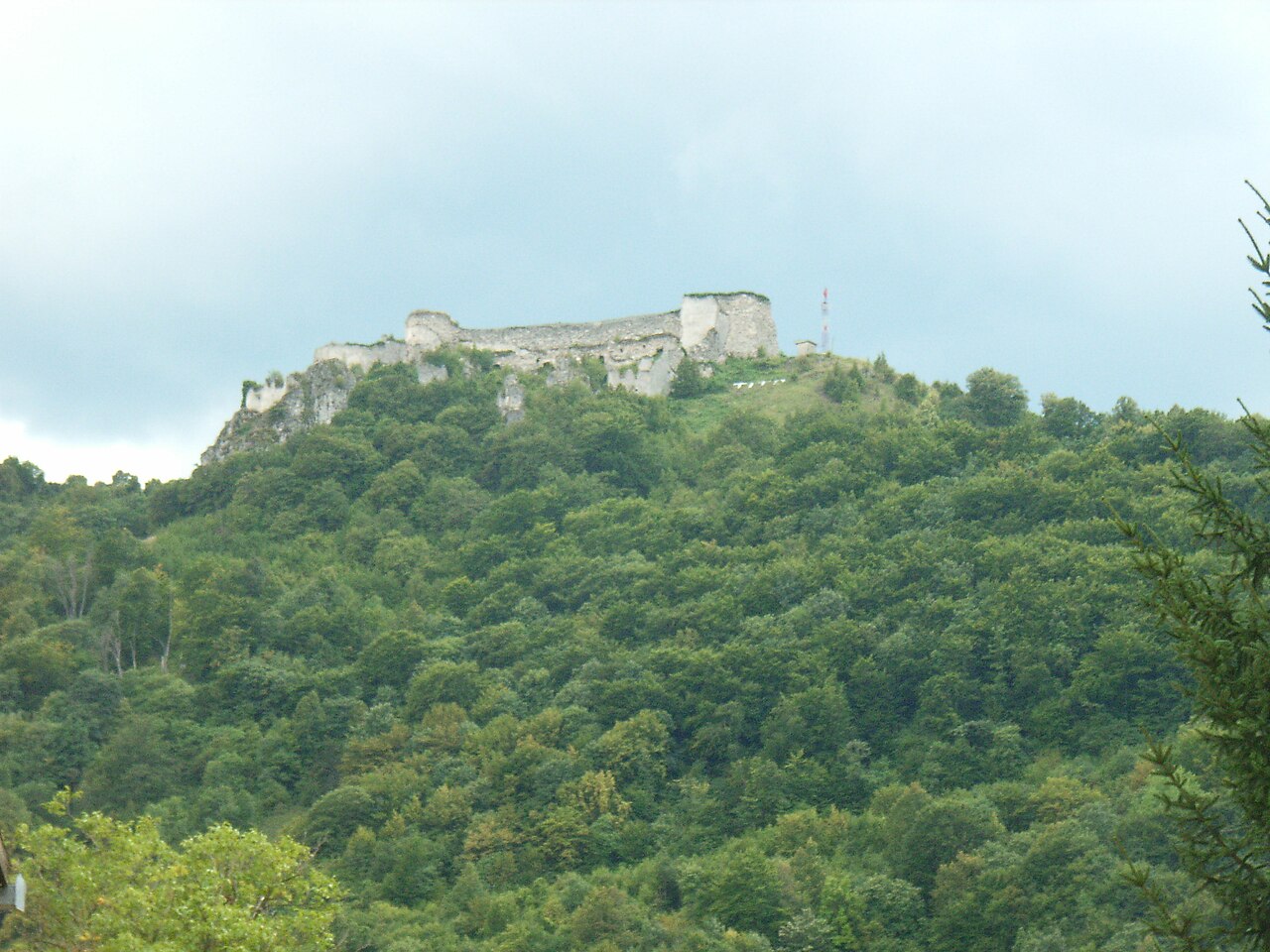
Udbina Castle (Croatian: Utvrda Udbina) stands as a significant late medieval fortified structure in the region of Lika-Senj County, Croatia. Perched atop a strategic hill at the northern edge of the town of Udbina, the castle commands extensive views over the Krbava field, a historically crucial plain that witnessed the Battle of Krbava Field in 1493. This battle, fought between the forces of the Kingdom of Croatia and the advancing Ottoman Empire, marked one of the bloodiest clashes in Croatian medieval history, shaping the region's defensive strategies and political landscape.
Historical context and significance
The 15th century saw the construction of Udbina Castle, likely as part of the broader defensive network established by Croatian nobility to counter Ottoman incursions. The castle originally belonged to the Kurjaković noble family, a powerful Croatian aristocratic lineage with significant influence in the region. Their ownership underlines the castle's role as both a military stronghold and a symbol of feudal authority during a turbulent period characterized by frequent conflicts and shifting borders.
Following the devastating defeat of Croatian forces at the Battle of Krbava Field, the castle's strategic importance only increased. In 1527, the fortress fell to the Ottoman Empire, which expanded its control over much of the Croatian hinterland during the 16th century. The Ottoman occupation lasted until 1689, when a combined Habsburg-Croatian army recaptured the castle during the Great Turkish War, signaling a shift in regional power back towards Christian European rulers.
Architectural features and layout
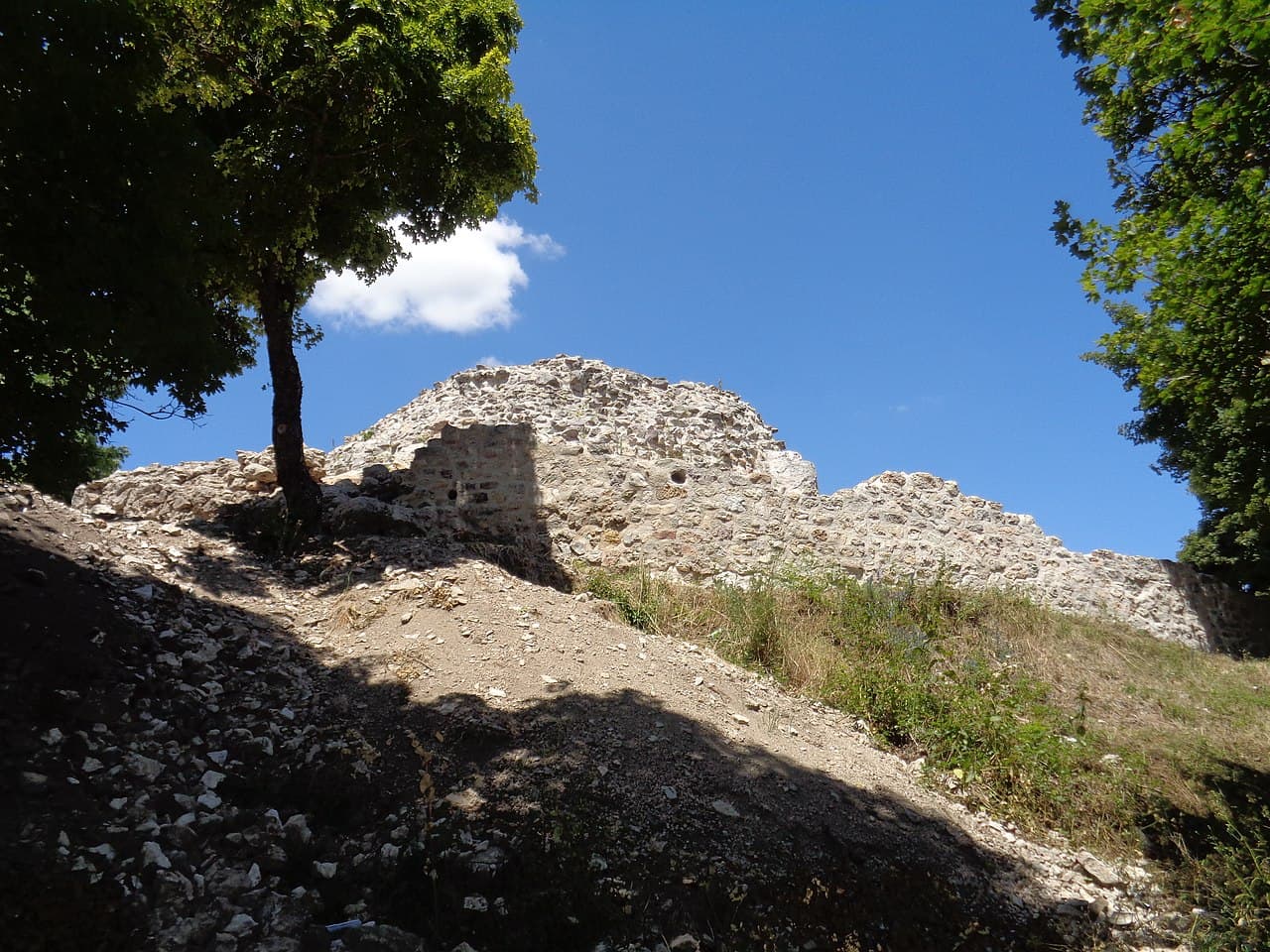
Though today Udbina Castle remains in a state of ruins, archaeological studies and surviving remnants reveal a typical hill castle design adapted to the defensive needs of the late medieval period. The fortress was constructed using local stone, with thick curtain walls enclosing a compact area atop the hill. Its elevated position provided natural defense advantages, allowing defenders to monitor and control the surrounding Krbava field and the approaches to the castle.
Key architectural elements likely included a keep or donjon serving as the last line of defense and residence for the lord, alongside battlements and towers positioned to cover vulnerable angles. The castle's gatehouse would have been fortified to withstand sieges, and the interior probably contained living quarters, storage rooms, and a courtyard for daily activities. However, the passage of time and neglect have left only partial remains, making detailed reconstruction challenging.
Decline and current state
After its recapture in the late 17th century, Udbina Castle gradually lost its military relevance as the Ottoman threat receded and warfare evolved. By the 19th century, the fortress was largely abandoned and fell into disrepair. Lack of maintenance and natural decay led to the castle's current condition as archaeological ruins, with fragments of walls and foundations visible but no intact structures.
Today, the site serves as a cultural and historical landmark, offering visitors a tangible connection to the turbulent medieval past of Croatia and the enduring legacy of the Kurjaković family and their defensive efforts. The ruins also provide insight into the architectural styles and military strategies employed in the late medieval period in this borderland region.
Visiting Udbina Castle and its surroundings
Located near the town of Udbina, the castle ruins are accessible to visitors interested in Croatian medieval history and archaeology. The site offers panoramic views of the Krbava field, a landscape marked by historical significance. While the castle itself is in ruins, the surrounding area is rich in cultural heritage and natural beauty, making it a worthwhile destination for history enthusiasts and hikers alike.
Visitors should prepare for a modest hike uphill to reach the castle remains, as the site is situated on a hilltop. There are no extensive visitor facilities on-site, reflecting its status as an archaeological ruin rather than a fully restored tourist attraction. Nearby, the town of Udbina provides amenities and serves as a base for exploring the wider Lika region.
Frequently asked questions (FAQ)
- What is the historical significance of Udbina Castle?
- Udbina Castle, located in Croatia, holds a rich historical significance as a strategic fortification during the medieval period. It served as a vital defense point against invasions and played a role in the regional power struggles of its time.
- When was Udbina Castle built?
- Udbina Castle was constructed in the 13th century, reflecting the architectural styles and military strategies of the time. Its construction was part of a broader effort to establish fortified settlements in the region.
- Can I visit Udbina Castle?
- Yes, Udbina Castle is open to visitors, offering a glimpse into its storied past and impressive architecture. Visitors can explore the ruins and enjoy the scenic views of the surrounding landscape.
- What are the opening hours for Udbina Castle?
- Udbina Castle is typically open to visitors from 9 AM to 6 PM during the summer months and may have reduced hours in the winter. It is advisable to check the official website or local tourist information for the most current opening times before your visit.
- Is it possible to access Udbina Castle by public transport?
- Yes, Udbina Castle is accessible by public transport, with bus services connecting it to nearby towns and cities. However, visitors may need to walk a short distance from the nearest bus stop to the castle itself.
- What is the best time to visit Udbina Castle?
- The best time to visit Udbina Castle is during the spring and early fall when the weather is mild and pleasant for outdoor exploration. Additionally, these seasons offer fewer crowds, allowing for a more intimate experience.
- Are there any nearby attractions to Udbina Castle?
- Yes, there are several nearby attractions, including the beautiful landscapes of the Lika region and the historic town of Gospić. Visitors can also explore national parks and natural reserves in the vicinity, making it a great spot for day trips.
- What are the ticket prices for Udbina Castle?
- Admission to Udbina Castle is generally free, making it an accessible destination for all visitors. Some guided tours or special events may have a fee, so it's worth checking in advance for any planned activities.
Photo gallery

Information
Loading map...
Visitor reviews
No reviews yet. Been here? Write the first review and help other travelers!
Write the first reviewVisited this castle? Share your experience
Your review helps other travelers and adds first-hand knowledge to our encyclopedia.