Bjelaj Castle
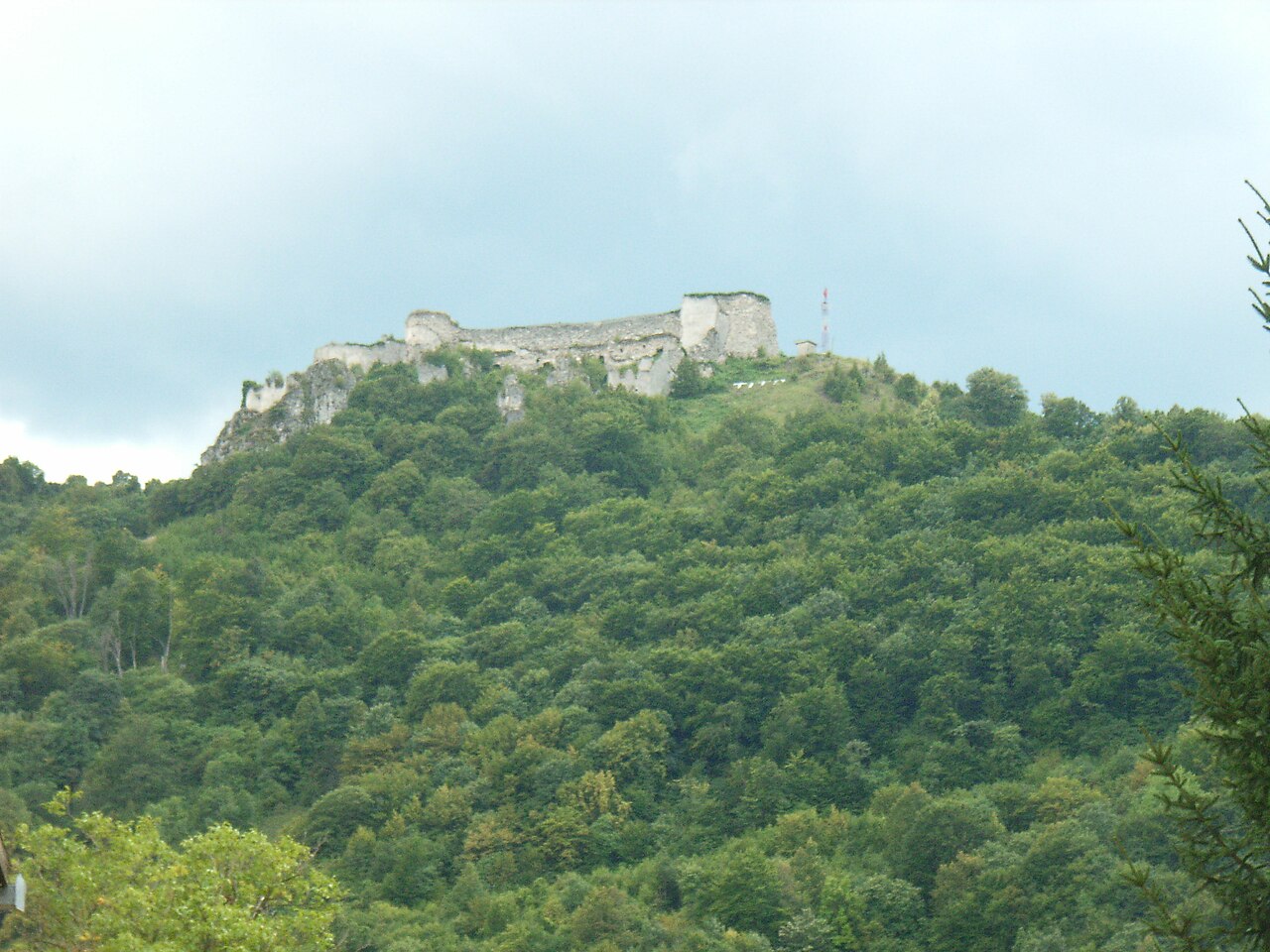
Bjelaj Castle, also known locally as Stari Grad Bjelaj (Bjelaj old town), is a medieval fortress complex situated near the village of Bjelaj in the municipality of Bosanski Petrovac, Bosnia and Herzegovina. This historic site occupies a strategic position on the northern slope of the Osječenica mountain, overlooking the Petrovac plain and the surrounding Bjelajsko fields. The castle complex is set on a plateau approximately 850 meters long, offering natural defensive advantages due to its elevated and rugged terrain.
Historical background and location
The first documented mention of Bjelaj Castle dates back to 1495, during the late medieval period. Its name is believed to derive from the "whiteness" or distinctive light color that made it stand out above the surrounding fields. The castle's location was likely chosen for its commanding views over the fertile plains and as a defensive stronghold in a region marked by frequent conflicts during the 15th century.
Between 1530 and 1537, the fortress came under Ottoman rule, resulting in significant architectural modifications and expansions. The site reflects a blend of medieval and Ottoman military architecture, illustrating the transitional period and cultural influences in the region.
Architectural layout and features
Medieval southern section
The castle's medieval component occupies the southern part of the complex and is characterized by an irregular rectangular ground plan measuring over 40 meters in length (north-south) and approximately 35 meters in width (east-west). The walls were constructed to adapt to the natural topography, providing a robust defense system. The main entrance is located on the northern side, which was typical for fortifications aiming to control access routes from the plains.
The medieval fortress included a prominent western tower, which served as a lookout and defensive stronghold. From this tower, remnants of a large pen or enclosure extend, indicating the presence of auxiliary structures or livestock holding areas added during the Ottoman period.
Ottoman northern section
The northern part of the fortress complex represents the Ottoman additions, which expanded the original medieval fortifications. This section is smaller and reflects typical Ottoman military architectural elements, such as more rounded walls and reinforced bastions designed to withstand artillery assaults. The coexistence of these two parts within one complex offers valuable insights into the evolution of fortification techniques over time.
Prehistoric significance
On the southern end of the northern half of the plateau lies a prehistoric site dating back to the Bronze and Iron Ages. This indicates that the area around Bjelaj Castle has been of strategic and possibly settlement importance for many centuries, long before the medieval fortress was established. Archaeological evidence from this site contributes to understanding the long-term human activity in the region.
Current condition and cultural importance
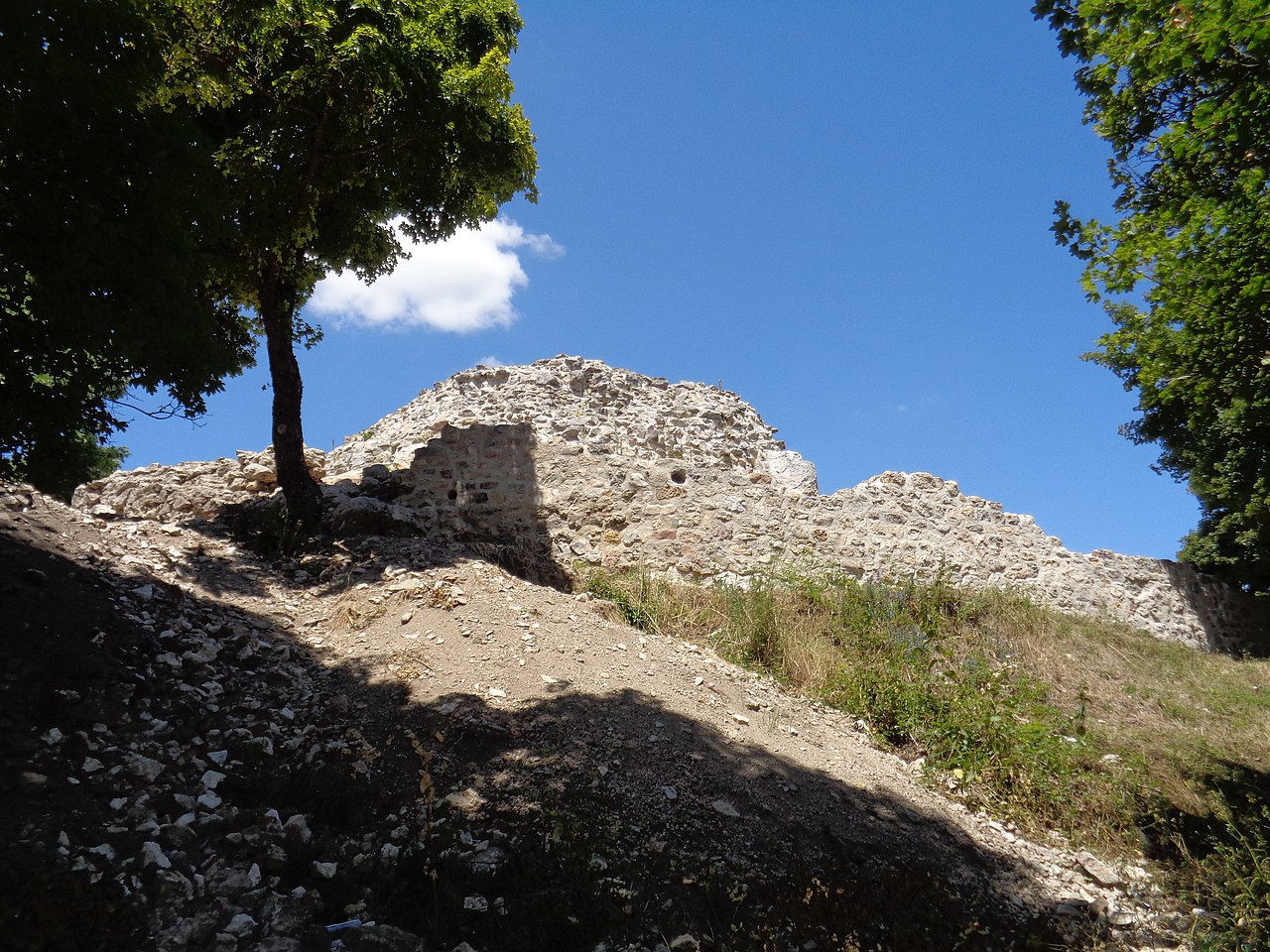
Today, Bjelaj Castle stands as a partially preserved fortress complex, with visible remains of both the medieval and Ottoman phases. The structure is largely in ruins but retains enough architectural elements to allow visitors and researchers to appreciate its historical and military significance. The site is located in a relatively remote and sparsely inhabited area, which has helped protect it from extensive modern development.
The castle is an important cultural heritage site for Bosnia and Herzegovina, representing the layered history of the region, from prehistoric times through the medieval era and into the Ottoman period. It attracts historians, archaeologists, and tourists interested in military architecture and Balkan history.
Visiting Bjelaj Castle
Access to Bjelaj Castle requires some travel into the rural landscape near Bosanski Petrovac. Visitors should prepare for a hike to reach the plateau where the fortress stands. The site offers panoramic views of the surrounding fields and mountains, making it a rewarding destination for those interested in historical ruins and natural scenery.
Due to its ruinous state, visitors are advised to exercise caution when exploring the remains. There are no extensive visitor facilities, so planning ahead is recommended. The best time to visit is during the warmer months when the weather is favorable for outdoor exploration.
Information
Loading map...
Visitor reviews
No reviews yet. Been here? Write the first review and help other travelers!
Write the first reviewVisited this castle? Share your experience
Your review helps other travelers and adds first-hand knowledge to our encyclopedia.