Ostrovica Castle
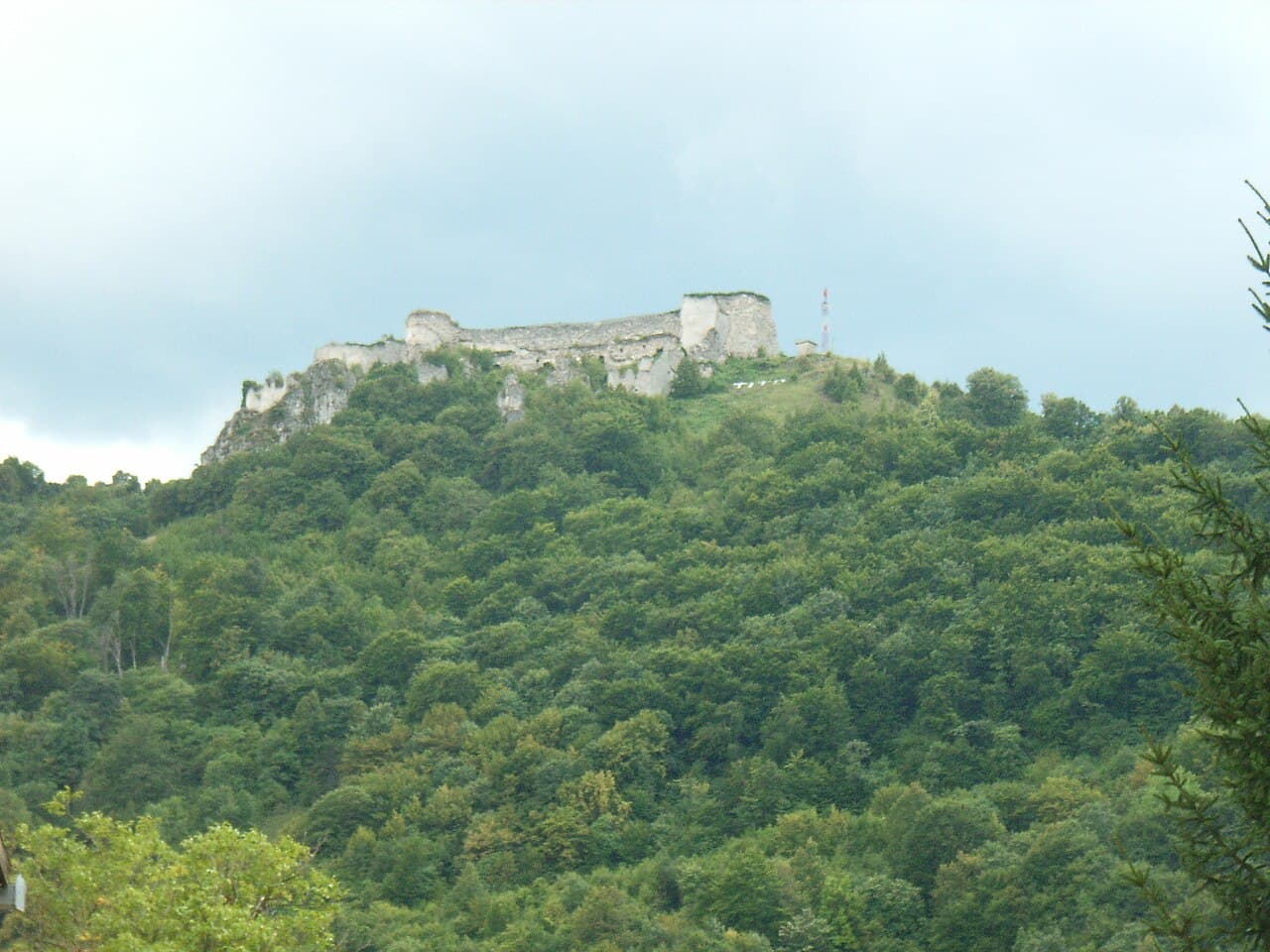
Ostrovica Castle stands as a prominent medieval fortress located above the small village of Ostrovica near Kulen Vakuf, within the municipality of Bihać, Bosnia and Herzegovina. Strategically perched on a heavily wooded ridge of a steep hill overlooking the left bank of the shallow Una River, the castle commands a vital position that historically connected the northern and southern parts of the extensive Una valley. This location provided both defensive advantages and control over trade and military routes through the region.
The castle's origins date back to ancient times, with its foundations believed to rest upon an earlier fortification that may have been established during the Roman era or even prior. The current visible structure predominantly reflects construction from the 15th century, a period of significant medieval fortification development in the region. Ostrovica Castle was first documented in a 1407 charter issued by King Ladislaus of Naples, who confirmed the possession of the fortress to the Bosnian magnate and Grand Duke Sandalj Hranić. Hranić likely undertook substantial rebuilding efforts early in the 15th century, reinforcing the fortress on its ancient foundations.
Medieval origins and early history
During the Middle Ages, Ostrovica belonged to the Kingdom of Croatia within the administrative division known as Lapac County. The fortress was a significant stronghold for various Croatian noble families over the centuries, including the Kurjaković (later Karlović) princes from Krbava, the nobleman Juraj Mikulčić who died in 1495, Ivan Keglević, and the influential Frankopan family. These families played important roles in regional politics and defense, utilizing Ostrovica as a key military and administrative center.
Despite the fall of the Bosnian Kingdom in 1463, Ostrovica Castle remained a resilient fortress, resisting Ottoman advances for decades. It finally fell to the Ottoman Empire in December 1523, marking a significant shift in control and the beginning of Ottoman influence in the region. Under Ottoman rule, the castle was integrated into the Bosnian pashaluk and served as the administrative and military center of the Kapetanija Stara Ostrovica (Old Ostrovica captaincy). This captaincy oversaw several smaller fortifications in the vicinity, including Orašac, Havala, Džisri-kebir (present-day Kulen Vakuf), Čovka, and Donji Lapac.
Ottoman era expansions and military significance
The castle's military importance was maintained and enhanced during the Ottoman period. Initially commanded by officials known as dizdars—a military rank used by the Ottomans in the 16th and 17th centuries—the fortress later came under the leadership of captains from the prominent Kulenović family. Significant expansions and fortification improvements took place during the reign of Sultan Ahmed I in the early 17th century, reflecting the need to strengthen defenses against ongoing regional conflicts.
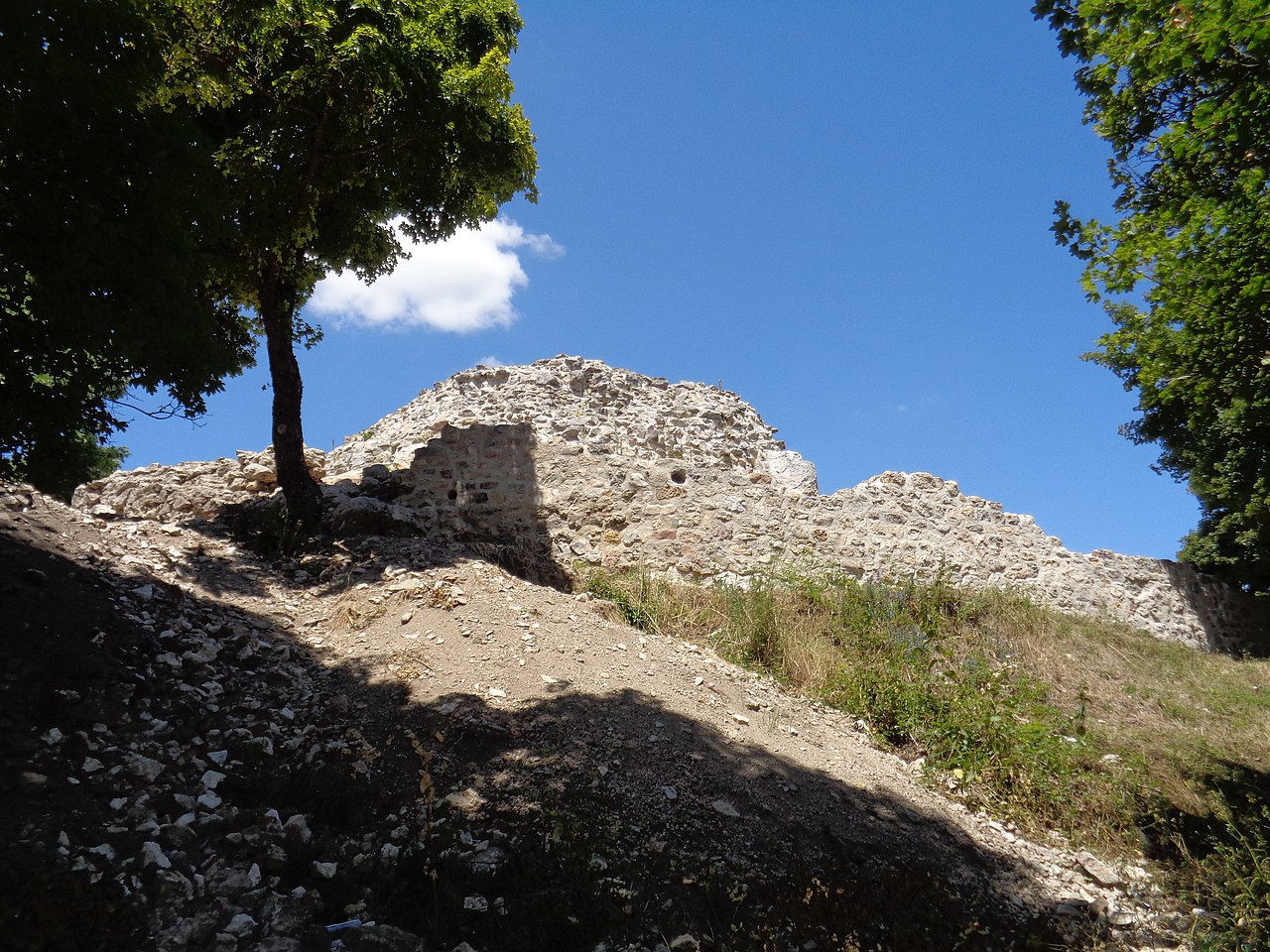
Further architectural modifications in the 18th century shaped Ostrovica Castle into its present-day form. The fortress measures approximately 117 meters in length and 83 meters in width, featuring a main entrance on the southern side and an auxiliary gate on the northern side. These entrances were strategically designed to control access and enhance defensive capabilities. The external walls, battlements, and towers were reinforced repeatedly, particularly during the 17th and 18th centuries, to withstand sieges and artillery advancements.
Throughout the Ottoman era, Ostrovica Castle served as a vital military stronghold, enduring multiple sieges, notably in 1560, 1698, 1737 (during the Austro-Russian–Turkish War), 1789, and 1834. The fortress was well maintained with regular repairs documented in 1766, 1777, and 1791, ensuring its operational readiness. However, strategic shifts eventually led to relocating the captaincy seat to Prkose after the return of Donji Lapac to Habsburg-controlled Croatia, moving military leadership away from the frontier.
Architectural features and layout
Ostrovica Castle exemplifies a blend of medieval and Ottoman military architecture. The fortress is situated on a steep, wooded ridge that overlooks a fordable section of the Una River, emphasizing its role in controlling river crossings and valley access. The castle's layout is elongated, following the ridge's natural contours, which enhances its defensive posture.
The main southern entrance is fortified and served as the primary access point, while the northern auxiliary gate provided secondary access, both designed for defense and control of movement. The fortress walls are thick and robust, incorporating battlements and towers that allowed defenders to monitor and repel attackers effectively. The multiple layers of walls and the castle's size reflect its strategic importance and the need to accommodate a significant garrison.
Within the fortress, there were accommodations and facilities to support the stationed military personnel, including living quarters and storage areas. The Ottoman-era expansions introduced adaptations to withstand artillery and prolonged sieges, such as reinforced bastions and improved wall construction techniques.
Decline, preservation, and cultural significance
Following the Austro-Hungarian occupation of Bosnia and Herzegovina in 1878, Ostrovica Castle was abandoned as a military installation. The fortress gradually fell into ruin due to lack of maintenance and natural decay. Despite claims by Croatian authorities, the castle remained outside Croatian jurisdiction, situated firmly within Bosnia and Herzegovina.
Today, Ostrovica Castle is recognized as a National Monument of Bosnia and Herzegovina, protected by the government and the Commission to Preserve National Monuments. It is also part of the Una National Park, which highlights its environmental and cultural importance. Recent restoration efforts have focused on stabilizing critical structural elements such as the southern gate and northern tower, aiming to preserve the ruins for educational and tourism purposes.
The castle's ruins provide valuable insights into the region's complex history, illustrating the transitions from medieval Croatian rule to Ottoman administration and the military architectural evolution over several centuries. Ostrovica Castle remains a significant cultural heritage site, attracting visitors interested in history, architecture, and the natural beauty of the Una valley.
Frequently asked questions (FAQ)
- What is the historical significance of Ostrovica Castle?
- Ostrovica Castle, located in Bihać, Bosnia and Herzegovina, dates back to the medieval period and was an important strategic defense point. It played a crucial role in the region's military history and offers insight into the architectural styles of its time.
- When was Ostrovica Castle built?
- Ostrovica Castle was constructed in the late 14th century, serving as a fortification for the local nobility. Its enduring structure reflects the historical conflicts and changes in governance that characterized the region throughout the centuries.
- Can I visit Ostrovica Castle year-round?
- Yes, Ostrovica Castle is open to visitors throughout the year, but the best time to visit is during the spring and early autumn when the weather is pleasant. It is advisable to check local conditions, as access may be limited during winter months.
- What are the opening hours for Ostrovica Castle?
- Ostrovica Castle typically opens at 9 AM and closes at 6 PM, but these hours may vary by season. It is recommended to verify the current opening times before planning your visit.
- Is there an admission fee to enter Ostrovica Castle?
- Yes, there is a small admission fee to enter Ostrovica Castle, which helps maintain the site and its surroundings. Ticket prices may vary, so it's best to check in advance for the most accurate information.
- How do I get to Ostrovica Castle?
- Ostrovica Castle is accessible by car, and there is parking available nearby. Public transport options may be limited, so consider renting a vehicle or joining a guided tour for convenience.
- What nearby attractions can I visit while in Bihać?
- While visiting Ostrovica Castle, you can also explore the beautiful Una National Park, known for its stunning waterfalls and natural landscapes. Additionally, the historic city of Bihać offers charming cafes, local shops, and other cultural sites worth visiting.
- Is Ostrovica Castle accessible for individuals with mobility challenges?
- The castle's historical structure may present challenges for individuals with mobility issues, as some areas are not fully wheelchair accessible. It is advisable to contact local tourism services for specific accessibility information and assistance.
- Why is Ostrovica Castle a popular destination for tourists?
- Ostrovica Castle attracts visitors due to its rich history, stunning architecture, and picturesque location overlooking the Una River. The unique blend of cultural heritage and natural beauty makes it a must-see destination for history enthusiasts and nature lovers alike.
Photo gallery

Information
Website
Visit websiteSources & official resources
Verify the information above using these authoritative references.
Loading map...
Visitor reviews
No reviews yet. Been here? Write the first review and help other travelers!
Write the first reviewVisited this castle? Share your experience
Your review helps other travelers and adds first-hand knowledge to our encyclopedia.