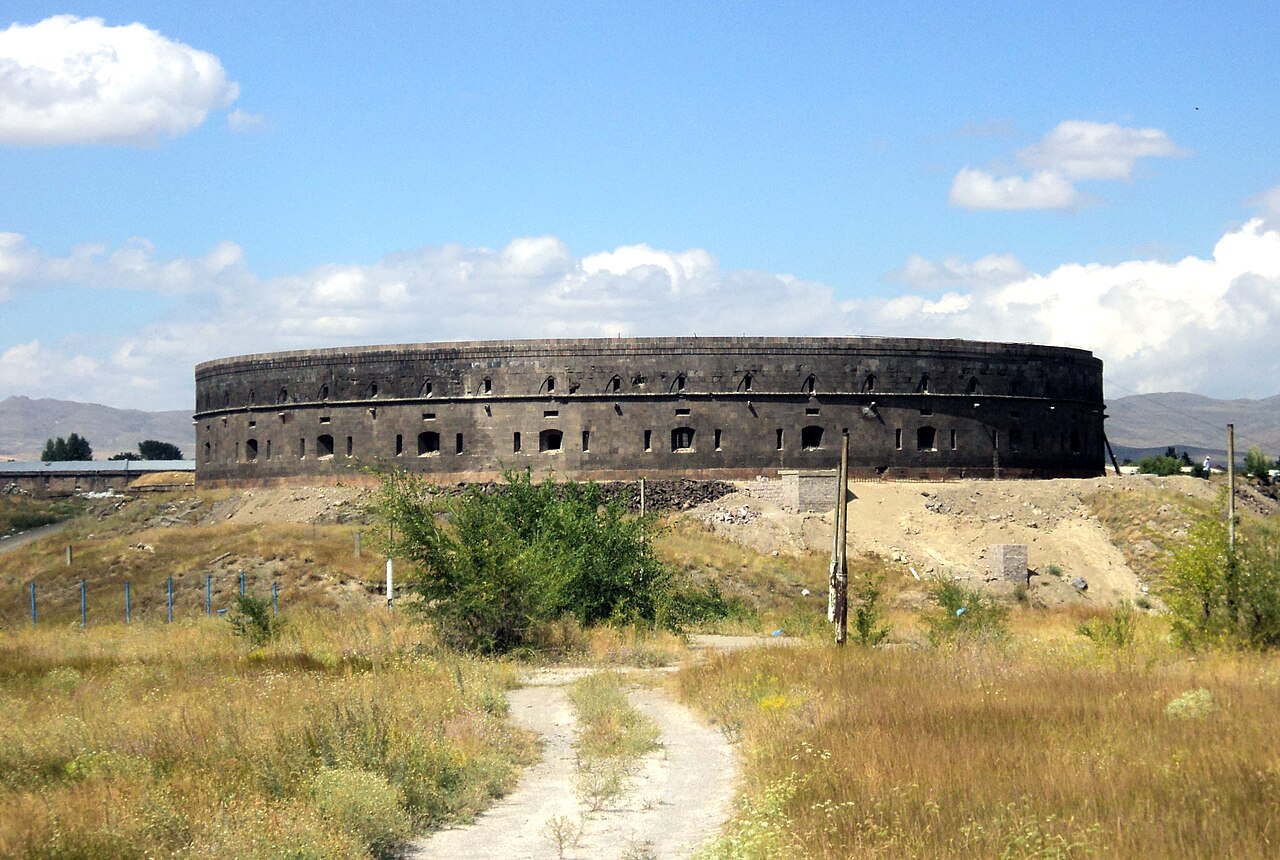
Tygnis Fortress is an early medieval bastioned fortress located in Turkey, dating back to the 9th century. This fortress represents a significant example of military architecture from the period, designed to provide robust defense through its bastion structures, which allowed defenders to cover adjacent walls with crossfire, enhancing the fortress's protective capabilities.
Historical context and significance
The construction of Tygnis Fortress in the early medieval era coincides with a time of considerable political and military upheaval in the region. During the 9th century, the Byzantine Empire and various local powers frequently contested control over territories in what is now modern-day Turkey. Fortresses like Tygnis were critical in securing borders and safeguarding important trade routes and settlements.
While the exact founding circumstances and the original builders of Tygnis Fortress remain unclear, its strategic location suggests it was a key military installation for controlling movement and defending against invasions. The fortress likely played a role in regional conflicts and served as a military stronghold for the ruling authorities of the time.
Architectural features and design
Tygnis Fortress is classified as a bastioned fortress, a style characterized by angular bastions projecting from the main curtain walls. These bastions provided overlapping fields of fire, enabling defenders to cover blind spots and repel attackers more effectively than traditional medieval walls.
The fortress's layout would have included thick defensive walls, bastions at key points, and possibly a moat or other natural barriers to enhance defense. The bastions themselves were designed to withstand siege weaponry and provide platforms for archers and artillery.
Given the fortress's early medieval origins, the construction techniques likely involved local stone masonry, with walls built to resist battering rams and other siege technologies of the time. The fortress's design reflects the evolving military architecture of the period, transitioning from simple curtain walls to more complex bastioned systems.
Defensive structures
The bastions at Tygnis Fortress would have been positioned to protect vulnerable angles and gatehouses. These projections allowed defenders to fire along the faces of the walls, creating deadly crossfire zones for any attacking forces. The walls themselves were probably reinforced with towers and battlements, offering elevated positions for lookouts and soldiers.
Entrances to the fortress were likely heavily fortified, with gatehouses incorporating portcullises and murder holes to thwart attackers attempting to breach the gates.
Preservation and current condition
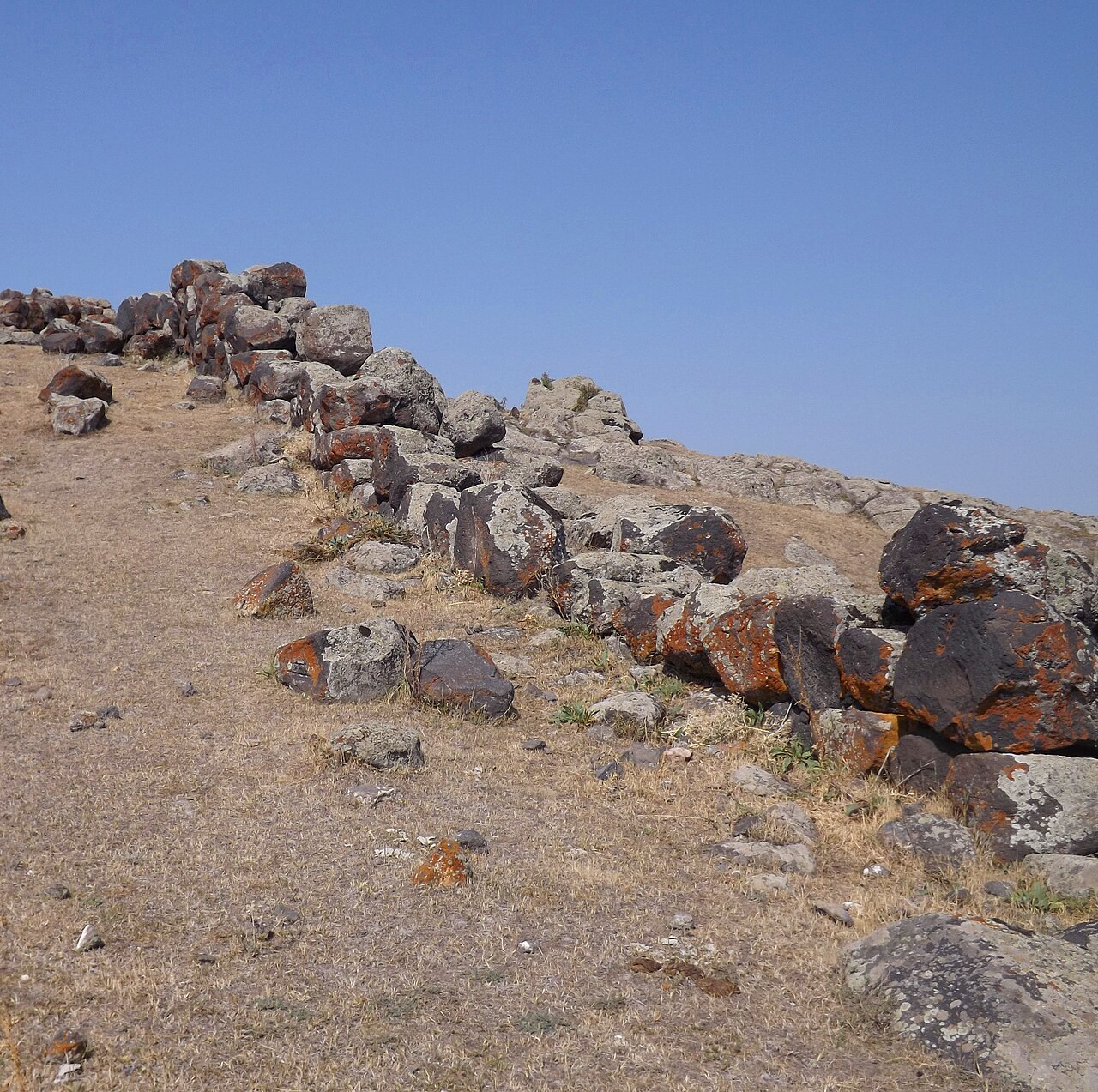
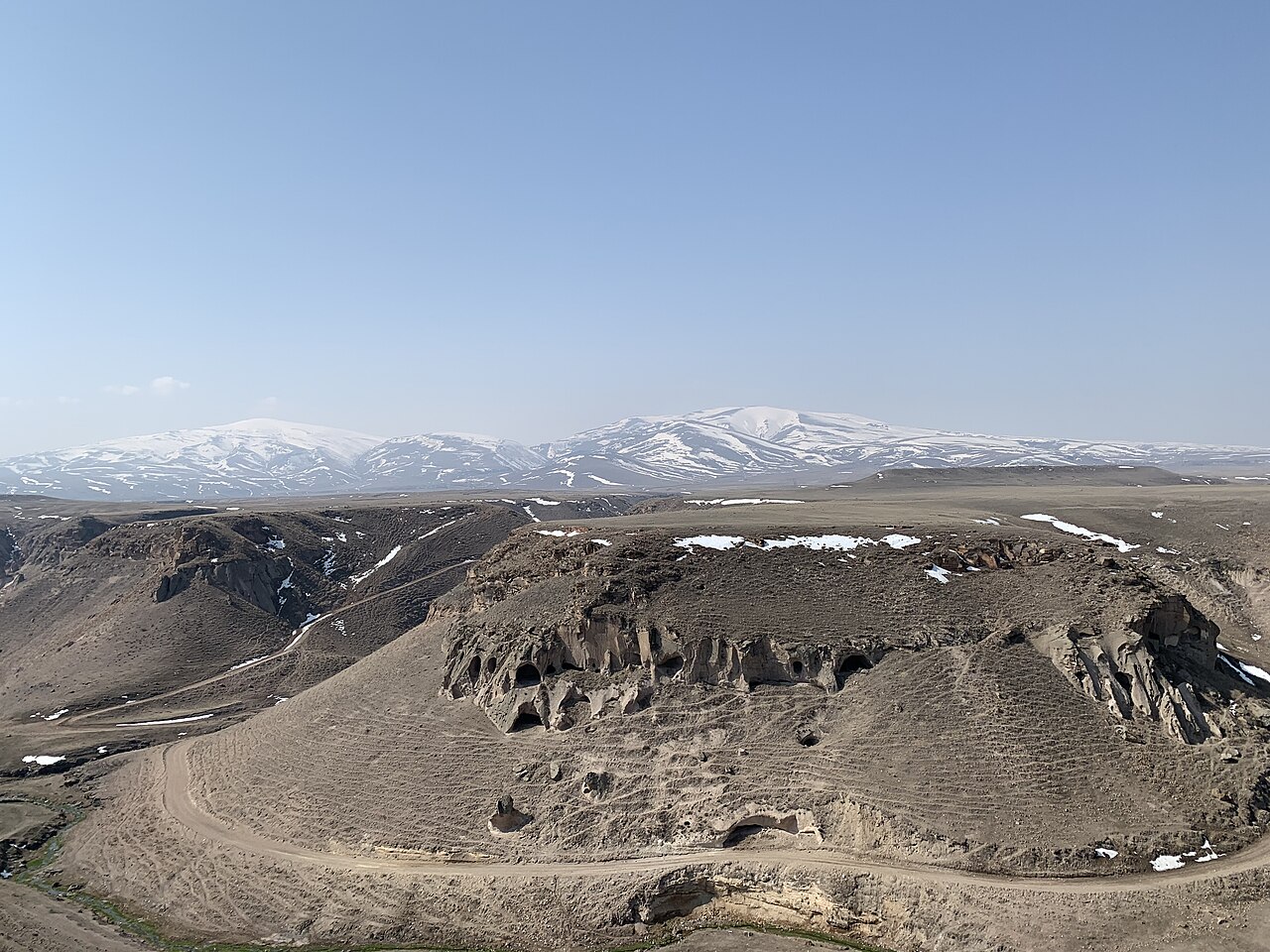
Today, Tygnis Fortress stands as a ruin, with remnants of its bastioned walls and defensive features still visible. The site offers valuable insights into early medieval military architecture in the region, although much of the original structure has succumbed to the passage of time and natural decay.
Archaeological efforts at the site have helped document its layout and construction techniques, contributing to a better understanding of the fortress's role and significance during its operational period.
Visiting Tygnis Fortress
While the exact location within Turkey is not widely publicized, visitors interested in medieval fortifications and Byzantine military history may find Tygnis Fortress a compelling site to explore. The fortress's ruins provide a tangible connection to the region's turbulent past and the architectural innovations that shaped medieval defense strategies.
Accessibility and visitor information
Due to limited information about the fortress's precise location and facilities, potential visitors should seek local guidance or contact regional heritage organizations for access details. The site may not have extensive tourist infrastructure, so preparation and caution are advised.
The broader impact of bastioned fortresses in medieval Turkey
Bastioned fortresses like Tygnis played a crucial role in the defense systems of medieval Anatolia. Their design marked a shift towards more sophisticated fortifications capable of resisting increasingly powerful siege technologies. These fortresses helped shape the political landscape by securing territories and influencing military tactics.
Tygnis Fortress exemplifies the architectural and strategic advancements of its time, reflecting broader trends in fortress construction across the region during the early medieval period.
Frequently asked questions (FAQ)
- What is the historical significance of Tygnis Fortress?
- Tygnis Fortress, located in Turkey, dates back to the Byzantine era and played a crucial role in the region's defense against invasions. Its strategic position allowed it to control key trade routes and serve as a military stronghold throughout history.
- When was Tygnis Fortress built?
- Tygnis Fortress was constructed in the 5th century AD, during the height of the Byzantine Empire. The fortress has undergone various renovations over the centuries, reflecting the architectural styles and defensive needs of different periods.
- What are the opening hours for Tygnis Fortress?
- Tygnis Fortress is open to visitors from 9 AM to 6 PM daily. However, it is advisable to check for any seasonal changes in opening times or special holiday closures before planning your visit.
- Can I visit Tygnis Fortress year-round?
- Yes, Tygnis Fortress is accessible to visitors throughout the year. However, visiting in spring or autumn is recommended for milder weather and fewer crowds, enhancing your experience of exploring the fortress.
- Is it possible to take guided tours of Tygnis Fortress?
- Yes, guided tours are available and highly recommended to fully appreciate the historical and architectural significance of the fortress. Knowledgeable guides provide insights into the fortress's history, making your visit more informative and engaging.
- What are the ticket prices for Tygnis Fortress?
- Tickets to enter Tygnis Fortress are reasonably priced, with discounts available for children and students. Check the official website or local tourist information for the latest pricing and any special offers.
- Are there any nearby attractions to visit after exploring Tygnis Fortress?
- Yes, visitors to Tygnis Fortress can also explore several nearby attractions, including ancient ruins and picturesque landscapes. The region boasts beautiful hiking trails and charming villages, perfect for a full day of exploration.
- How do I get to Tygnis Fortress?
- Tygnis Fortress is accessible by car and public transport, with various bus services operating from nearby towns. Make sure to check local transport schedules for the best routes and times to plan your visit.
Photo gallery

Information
Loading map...
Visitor reviews
No reviews yet. Been here? Write the first review and help other travelers!
Write the first reviewVisited this castle? Share your experience
Your review helps other travelers and adds first-hand knowledge to our encyclopedia.