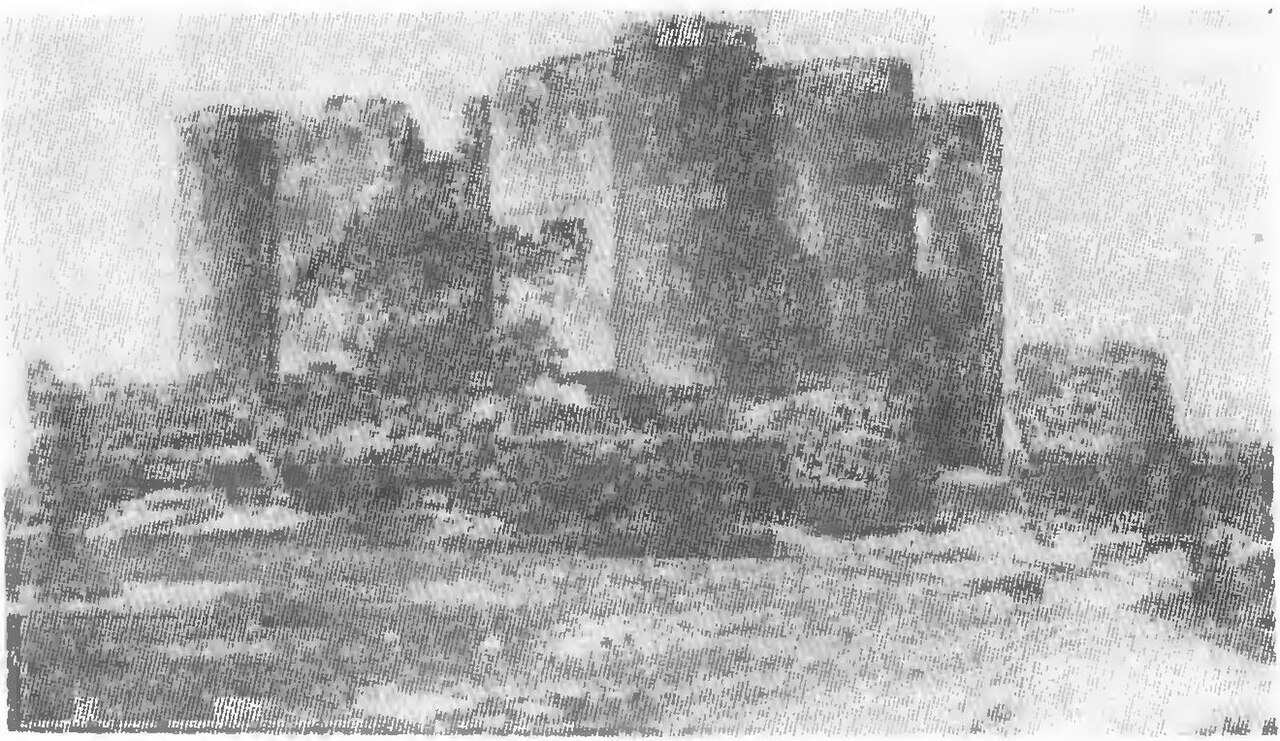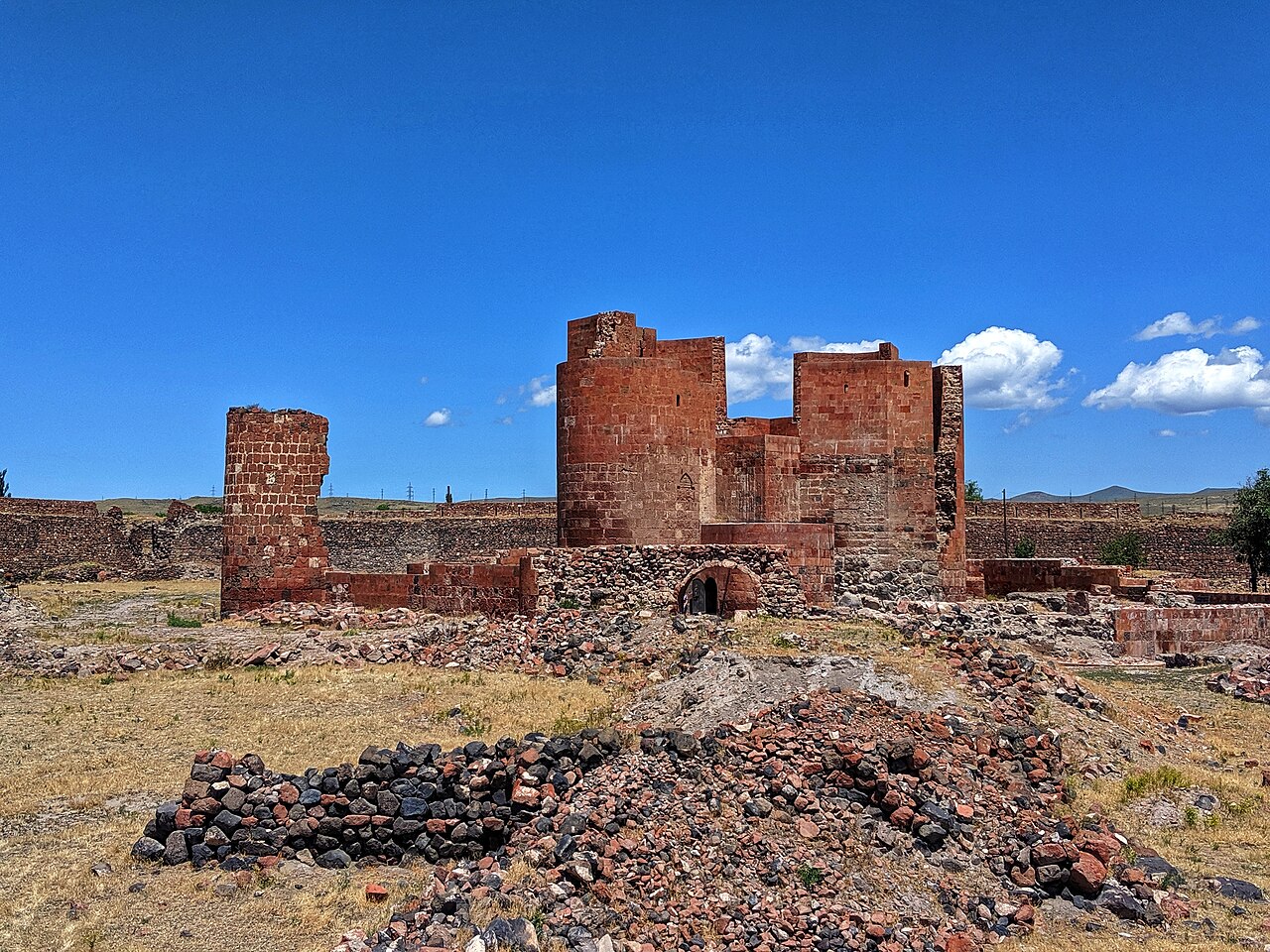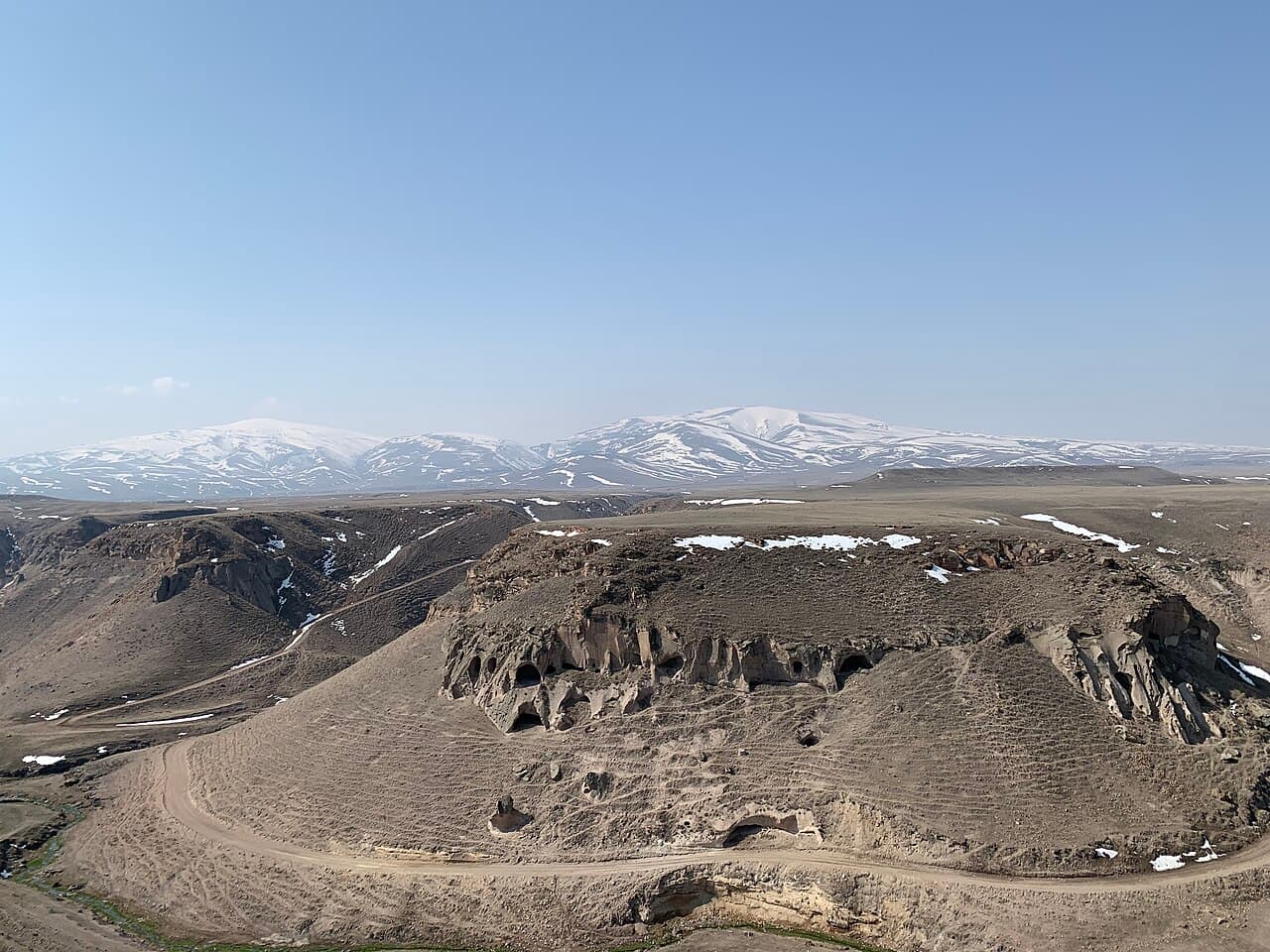
Ani is a remarkable medieval Armenian city located in the Kars province of modern-day Turkey, near the closed border with Armenia. Known historically as the "City of 1,001 Churches," Ani was a thriving urban center during the medieval period, serving as the capital of the Bagratuni Armenian kingdom from 961 to 1045. Despite its current state as ruins, Ani remains one of the most significant archaeological sites reflecting the cultural and architectural achievements of medieval Armenia.
Historical significance and urban prominence
Between the 10th and 11th centuries, Ani was a bustling metropolis strategically positioned on important trade routes connecting the East and West. This location contributed to its prosperity and growth, making it a hub of commerce, culture, and religion. At its peak, Ani was reputed to be one of the largest cities in the world, with estimates suggesting a population possibly reaching 100,000, although this figure is debated due to the city's compact area.
As the capital of the Bagratuni kingdom, Ani was a political and religious center. It was renowned for its numerous religious buildings, including churches, chapels, and monasteries. Archaeological excavations have uncovered approximately 50 churches, 33 cave chapels, and 20 smaller chapels within the city, underscoring its epithet as the "City of 1,001 Churches." These structures reflect a rich architectural heritage and the city's role as a spiritual heartland for Armenians.
Architectural features and innovations
Religious architecture and the cathedral of ani
The most iconic building in Ani is the Cathedral of Ani, which stands out for its innovative architectural style. Constructed in the 11th century, the cathedral is an early example of the use of ribbed vaulting, a technique that would later become a hallmark of Gothic architecture in Europe. Scholars argue that Ani's cathedral influenced the development of European Romanesque and Gothic cathedrals by several centuries. Its design features a cruciform plan, pointed arches, and a sophisticated system of vaults that allowed for greater height and light within the structure.
Fortifications and urban layout
Ani was also distinguished by its advanced fortifications. The city was surrounded by massive defensive walls, with multiple gates and towers designed to protect it from invasions. These fortifications incorporated natural topography, such as steep cliffs, to enhance defense. Inside the walls, the urban layout included palaces, public buildings, markets, and residential quarters, reflecting a well-planned medieval city.
Decline and abandonment
Ani's decline began in the 13th century following the Mongol invasions, which severely damaged the city. In 1236, the Mongols sacked Ani, marking the start of its gradual deterioration. A devastating earthquake in 1319 further weakened the city's infrastructure. Additionally, changes in regional trade routes diminished Ani's economic importance. By the 17th century, the city was largely abandoned and fell into ruin.
Cultural heritage and modern significance
Today, Ani is recognized as a cultural and national heritage symbol for Armenians, representing a period of historical prominence and architectural achievement. It was inscribed as a UNESCO World Heritage Site in 2016, highlighting its global significance. After years of geopolitical tension surrounding the site, recent international efforts have focused on preserving Ani's ruins and promoting it as a center for cultural tourism and historical education.
The archaeological site offers visitors a glimpse into medieval Armenian civilization through its surviving churches, fortifications, and urban remains. Ani's legacy continues to inspire interest in medieval architecture and Armenian history, making it a vital link to the past in the borderlands of Turkey and Armenia.
Frequently asked questions (FAQ)
- How do I get to Ani Castle?
- Ani Castle is located in the eastern part of Turkey, near the border with Armenia. The nearest major city is Kars, which is about 50 kilometers away. Visitors can reach Ani by car or by taking a local bus from Kars, making it a convenient stop during your travels in the region.
- What is the historical significance of Ani Castle?
- Ani Castle was once the capital of the medieval Armenian Kingdom and is renowned for its stunning architecture and rich history. The site is dotted with impressive churches, defensive walls, and other structures that reflect the cultural and political importance of the area during the 10th century. Today, it stands as a UNESCO World Heritage Site, attracting history enthusiasts and tourists alike.
- When was Ani Castle built?
- The construction of Ani Castle began in the 5th century, with significant expansions occurring in the 10th century under the Bagratid dynasty. The castle and surrounding city flourished until the 13th century when it faced invasions and was eventually abandoned. Its long history is evident in the well-preserved ruins that can be explored today.
- Can I enter Ani Castle?
- Yes, visitors can enter Ani Castle and explore its ruins. There are designated pathways and areas that allow guests to experience the breathtaking views and historical architecture firsthand. However, it’s important to respect the site and follow any guidelines provided to preserve its integrity.
- Why is Ani Castle considered an architectural marvel?
- Ani Castle showcases a blend of various architectural styles, reflecting the cultural mix of the region over centuries. Its structures, including the stunning Church of St. Gregory and the impressive city walls, demonstrate advanced engineering techniques of the time. The intricate stone carvings and unique designs make it a significant example of medieval architecture.
- Is it possible to visit Ani Castle year-round?
- Yes, Ani Castle is open to visitors year-round, but the best time to visit is during the spring and fall when the weather is mild. Summer can be quite hot, while winter may bring snow and cold temperatures, making some areas less accessible. Always check local weather conditions before planning your visit.
- What are the ticket prices for Ani Castle?
- As of the latest updates, the entrance fee for Ani Castle is quite affordable, typically ranging from a few Turkish Lira. Discounts may be available for students or groups, so it's a good idea to inquire at the ticket office upon arrival. The nominal fee helps to maintain the site and its facilities for future visitors.
- What are the opening hours for Ani Castle?
- Ani Castle is generally open from 8 AM to 7 PM during the summer months and from 8 AM to 5 PM in the winter. However, these hours may vary during holidays or special events, so it's advisable to check in advance. Arriving early can provide a quieter experience and more time to explore the breathtaking landscapes.
- Are there any nearby attractions to visit after Ani Castle?
- Yes, there are several attractions near Ani Castle worth exploring, including the city of Kars, known for its unique architecture and rich history. The Kars Fortress and the ancient ruins of the nearby Armenian churches are also popular among visitors. These sites complement the historical experience of Ani and provide a broader understanding of the region's heritage.
Photo gallery

Information
Loading map...
Visitor reviews
No reviews yet. Been here? Write the first review and help other travelers!
Write the first reviewVisited this castle? Share your experience
Your review helps other travelers and adds first-hand knowledge to our encyclopedia.