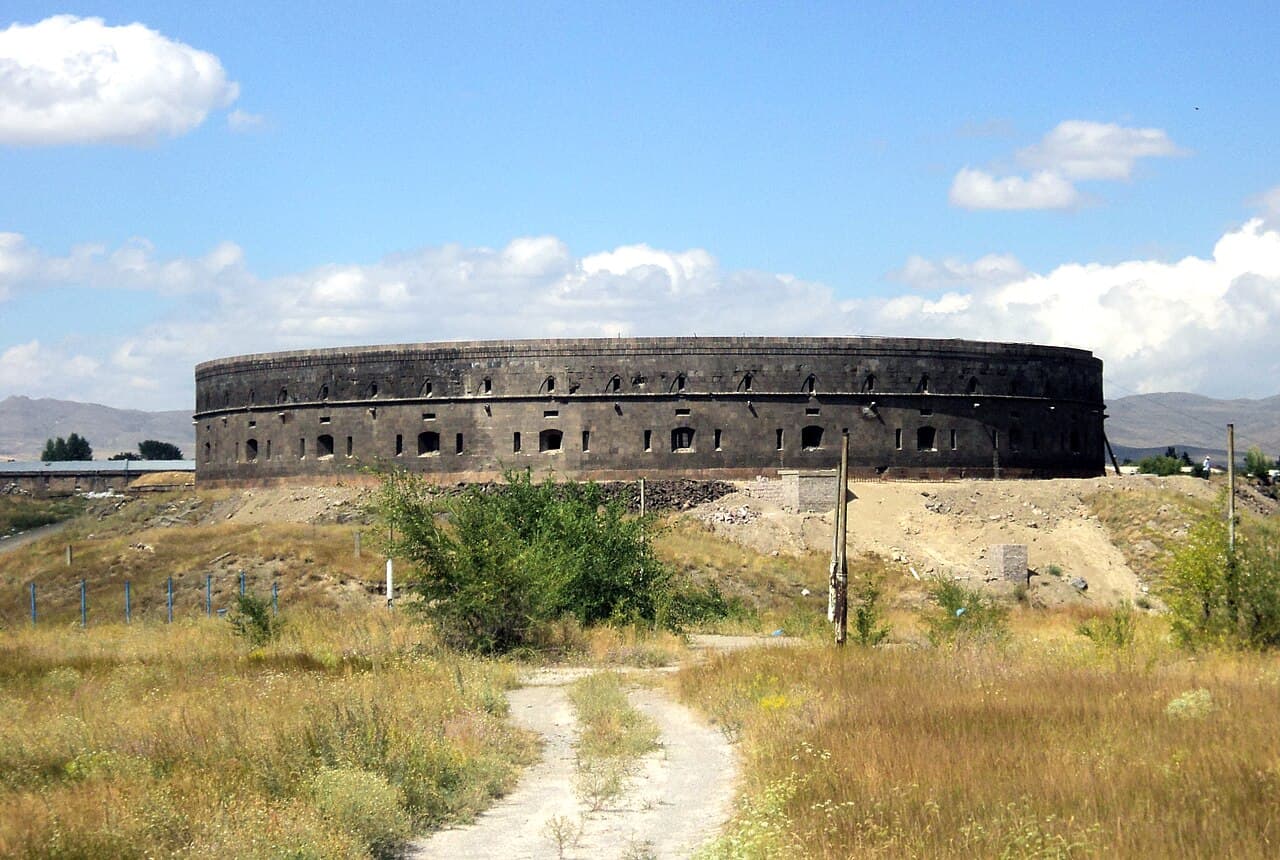
Sev Berd, also known as the Black Fortress (Armenian: Սև բերդ; Russian: Чёрная Крепость, Chornaya Krepost), is a significant 19th-century military fortress located near Gyumri in the Shirak Province of Armenia. Positioned approximately 8 kilometres from the Turkish border, this fortress was constructed by the Russian Empire during the aftermath of the Russo-Turkish War of 1828–1829. It served as a strategic defensive stronghold designed to protect the empire's southwestern frontier against Ottoman advances.
Historical context and strategic importance
The construction of Sev Berd was a direct response to the volatile geopolitical situation in the Caucasus region during the early 19th century. Following the Russo-Turkish War, the Russian Empire sought to consolidate its territorial gains and fortify its borders. The fortress was built as part of a broader network of military installations aimed at securing the empire's southwestern flank. Its proximity to the border with the Ottoman Empire underscored its role as a critical military bastion during periods of heightened tension between the two empires.
Architectural features and design
Sev Berd is notable for its robust construction and distinctive black stone walls, which gave rise to its name, the "Black Fortress." The fortress was designed following the principles of 19th-century military architecture, incorporating thick defensive walls, bastions, and artillery placements to withstand sieges and artillery fire. The use of dark volcanic tuff stone not only provided strong defensive capabilities but also gave the fortress a striking and imposing appearance.
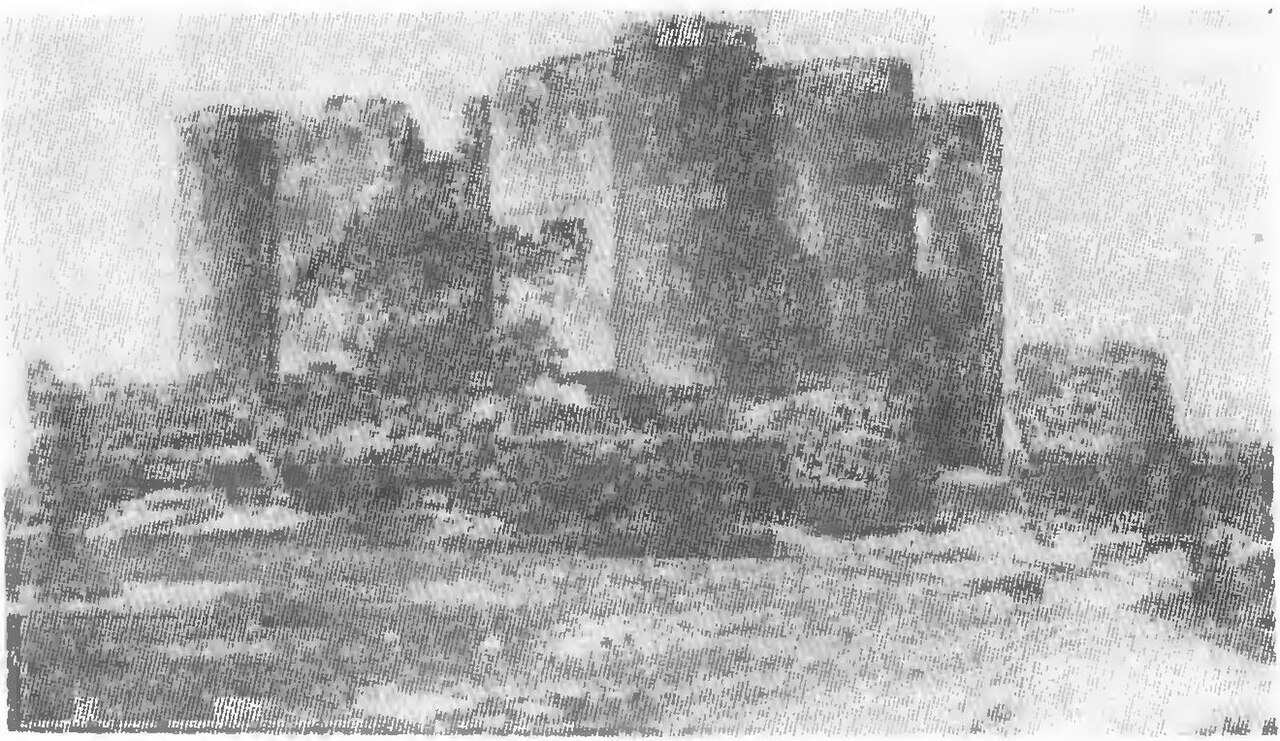
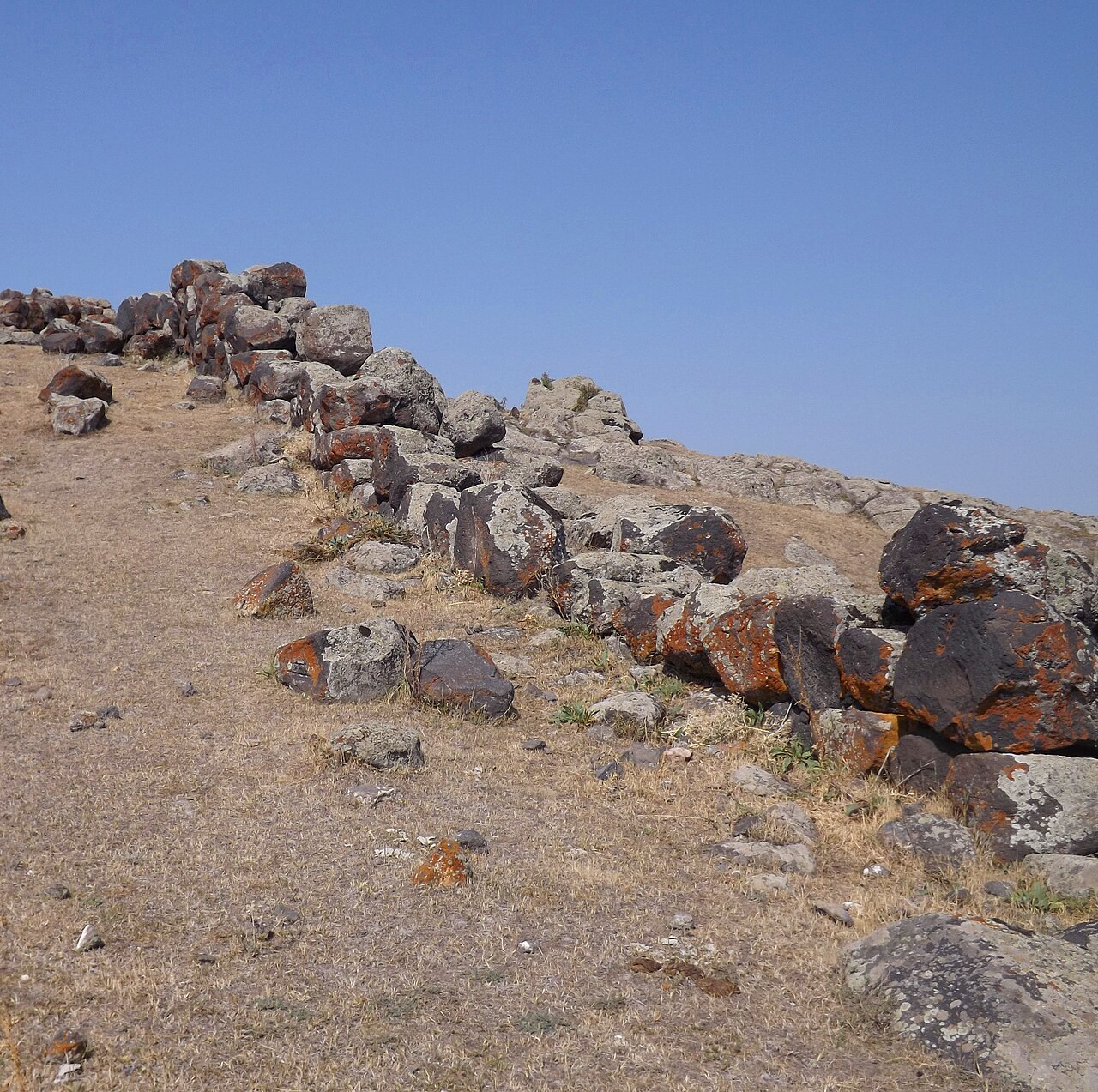
The fortress layout includes a series of ramparts and bastions arranged in a polygonal shape, optimized for crossfire and defense against infantry and cavalry assaults. Inside, the fortress contained barracks, armories, and storage facilities essential for sustaining a garrison during prolonged conflicts. Although much of the fortress now lies in ruins, the remnants of its walls and defensive structures still convey its original military purpose and architectural ingenuity.
Role during military conflicts
Throughout the 19th century, Sev Berd played a vital role in regional military operations. It was actively garrisoned by Russian troops and served as a deterrent against Ottoman incursions. The fortress also functioned as a logistical hub, facilitating the movement and supply of troops along the empire's southwestern border. While it did not witness large-scale battles, its presence contributed significantly to the stability of the frontier region.
Cultural heritage and current condition
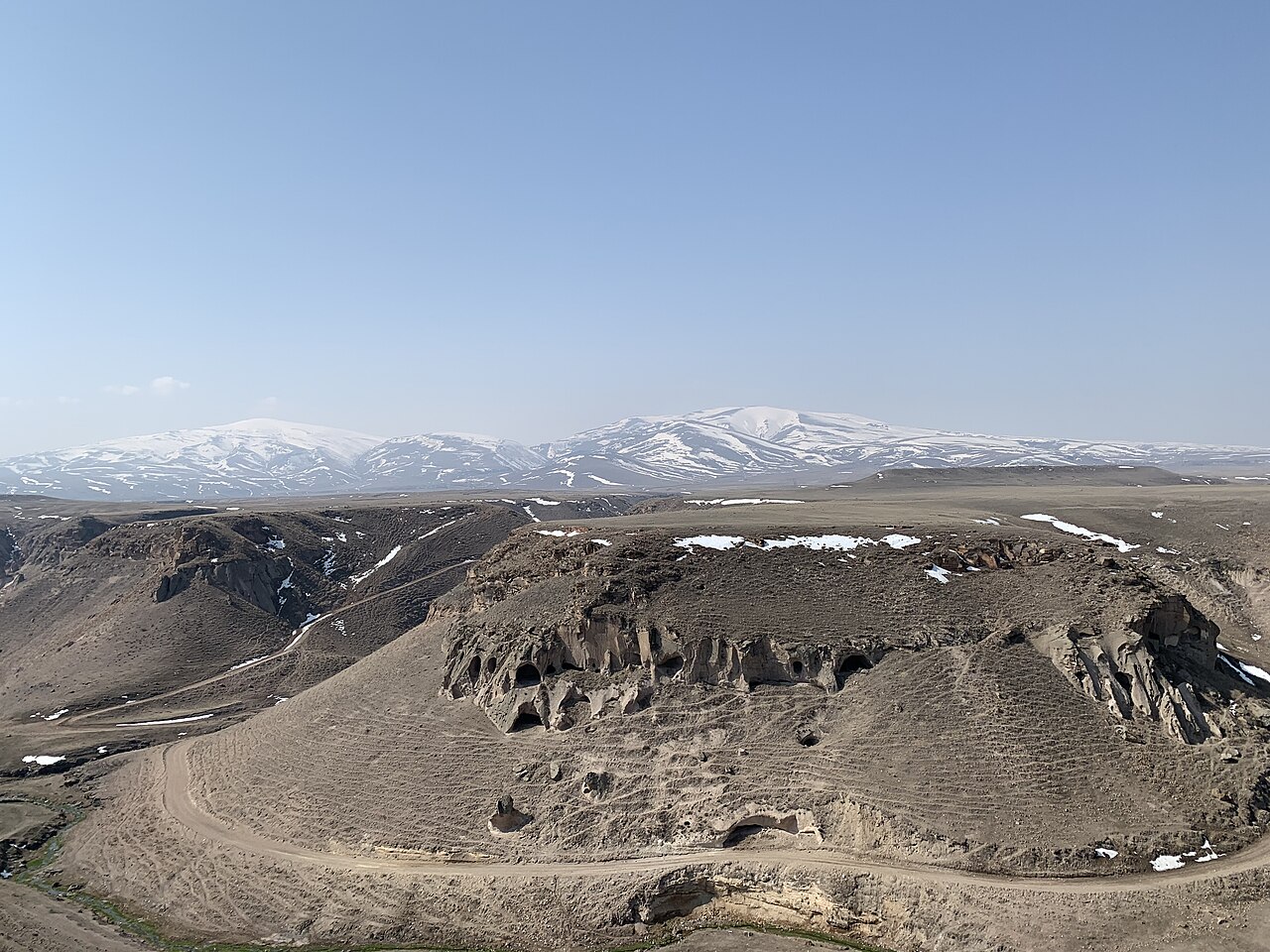
Today, Sev Berd is recognized as a national cultural heritage monument in Armenia. Despite its current state as ruins, the fortress remains an important symbol of the region's complex history and the legacy of Russian imperial military architecture in the Caucasus. Preservation efforts have been limited, and the site is largely abandoned, but it attracts interest from historians, architects, and tourists intrigued by its historical significance and rugged aesthetic.
The fortress's location near Gyumri makes it accessible for visitors interested in exploring Armenia's military past and the architectural styles of 19th-century fortifications. Its imposing black stone walls, even in decay, offer a tangible connection to the turbulent history of the Armenian borderlands and the strategic military considerations of the Russian Empire during the 1800s.
Frequently asked questions (FAQ)
- How do I get to Sev Berd Castle?
- Sev Berd Castle is located in Gyumri, Armenia, and can be reached by car or public transportation. The castle is situated a short distance from the city center, making it accessible for visitors looking to explore the area.
- What is the historical significance of Sev Berd Castle?
- Sev Berd Castle, also known as the Black Fortress, dates back to the 10th century and played a crucial role in the defense of the region. It is an important symbol of Armenian heritage and offers insights into the medieval architecture and military strategies of the time.
- When was Sev Berd Castle built?
- Construction of Sev Berd Castle began in the 10th century and continued over several centuries. It has undergone various restorations, reflecting the architectural styles and defensive needs throughout Armenian history.
- Can I visit Sev Berd Castle year-round?
- Yes, Sev Berd Castle is open for visitors year-round, although accessibility may vary depending on weather conditions, particularly during winter. It's advisable to check local conditions before planning your visit.
- Why is Sev Berd Castle a popular tourist attraction?
- Sev Berd Castle attracts visitors due to its rich history, stunning views of the surrounding landscape, and unique architectural features. It serves as a perfect spot for photography and offers a glimpse into Armenia's medieval past.
- Is it possible to explore the castle on my own?
- Yes, visitors can explore Sev Berd Castle independently, although guided tours may also be available for those interested in a more in-depth understanding of its history. The castle's layout allows for self-guided exploration, making it a flexible option for tourists.
- What are the opening hours for Sev Berd Castle?
- Sev Berd Castle is typically open from 9 AM to 6 PM, but hours may vary during holidays or special events. It’s recommended to check in advance for the most up-to-date information before your visit.
- Are there any nearby attractions to visit?
- Yes, there are several nearby attractions including the historic churches of Gyumri and local museums that showcase Armenian culture. Combining your visit to Sev Berd Castle with these nearby sites can enhance your understanding of the region’s rich history.
- What are the ticket prices for visiting Sev Berd Castle?
- Ticket prices for Sev Berd Castle are generally affordable, making it accessible for most visitors. Discounts may be available for students and groups, so it's worth inquiring when you arrive.
Photo gallery

Information
Loading map...
Visitor reviews
No reviews yet. Been here? Write the first review and help other travelers!
Write the first reviewVisited this castle? Share your experience
Your review helps other travelers and adds first-hand knowledge to our encyclopedia.