Two Princes Staircase
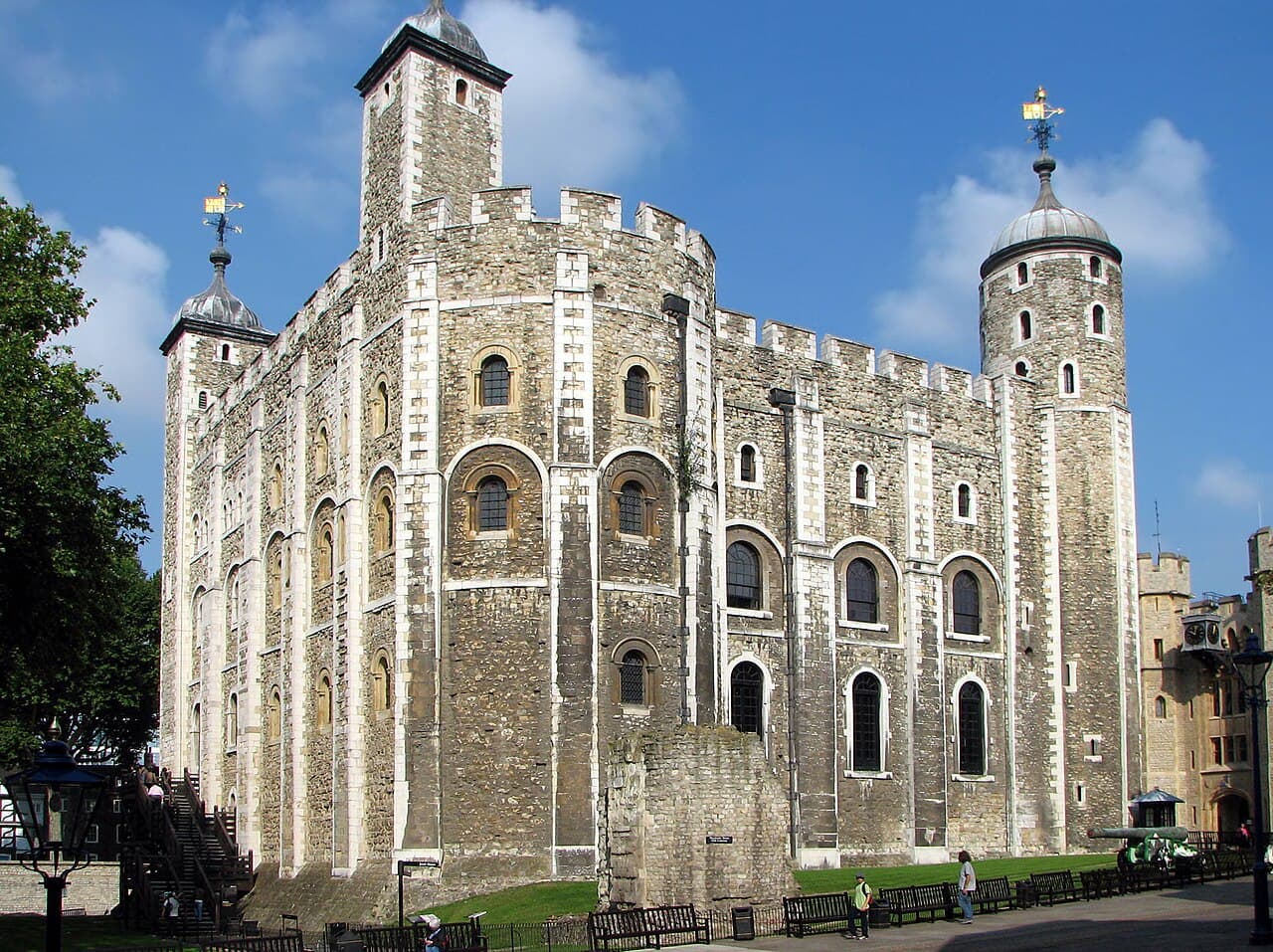
The Two Princes Staircase is a small, historically significant staircase located within the White Tower, the oldest part of the Tower of London in London, England. This staircase is famously associated with the mysterious disappearance of the two young princes, Edward V and Richard, Duke of York, sons of King Edward IV, who vanished in the late 15th century. The intrigue surrounding the staircase stems from the discovery of two child skeletons during renovations in 1674, found concealed near the entrance of the staircase. These remains have long been believed to belong to the missing princes, although no definitive scientific proof has confirmed this identification.
Historical context of the two princes
The disappearance of Edward V and his younger brother Richard is one of England's most enduring royal mysteries. After the death of their father, King Edward IV, in April 1483, the princes were placed in the custody of their uncle, Richard, Duke of Gloucester, who was later crowned King Richard III. The boys were housed in the Tower of London, traditionally a royal residence and fortress, but also a place of imprisonment.
Following the summer of 1483, there are no further recorded sightings of the princes. Their fate remains unknown, sparking centuries of speculation and historical debate. Tudor historians accused Richard III of orchestrating their murder to secure his claim to the throne, though there is no contemporary evidence to confirm this. The Titulus Regius, a parliamentary act passed shortly after Richard's accession, declared the princes illegitimate based on Edward IV's alleged pre-contract, thus legitimizing Richard's claim and casting doubt on the princes' rights.
Architectural significance of the staircase
The Two Princes Staircase is a narrow spiral staircase tucked away near the entrance of the White Tower. The White Tower itself is a prime example of Norman military architecture, constructed in the late 11th century under William the Conqueror. The staircase's discreet location and design reflect the defensive and residential functions of the keep, providing access between floors while remaining easily defensible.
Its historical importance is heightened by the association with the princes, making it a poignant symbol of the Tudor-Stuart period's turbulent dynastic struggles. While the staircase is modest architecturally, its cultural resonance as a site linked to royal intrigue and mystery is immense.
Discoveries and investigations
The discovery of two child skeletons near the staircase in 1674 during renovation works added a tangible element to the legend of the princes. The bones were interred in Westminster Abbey, but modern forensic analysis has not been possible due to the remains' loss or deterioration.
Despite the lack of scientific evidence, the staircase remains a focal point for historians and visitors intrigued by the mystery of the princes. It embodies the unresolved questions about the fate of Edward V and Richard, preserving the legacy of one of England's most famous royal enigmas.
Visiting the two princes staircase today
Today, the Two Princes Staircase is part of the Tower of London complex, a UNESCO World Heritage Site and one of England's most visited historic landmarks. Visitors can explore the White Tower and see the staircase as part of their tour, gaining insight into the castle's layered history.
The Tower of London offers guided tours and exhibitions that contextualize the story of the princes alongside the broader history of the fortress, including its roles as a royal palace, prison, and armory. The staircase remains a subtle yet powerful reminder of the personal tragedies intertwined with England's medieval power struggles.
Frequently asked questions (FAQ)
- How do I get to Two Princes Staircase?
- The Two Princes Staircase is located in London, making it easily accessible via public transport. You can take the Tube to nearby stations such as Westminster or St. James's Park, both of which are within walking distance of the castle.
- What is the historical significance of Two Princes Staircase?
- The Two Princes Staircase is known for its rich history, dating back to the 16th century. This architectural feature was part of a grand palace and symbolizes the royal heritage of the area, showcasing the opulence of the Tudor period.
- When was the Two Princes Staircase built?
- The Two Princes Staircase was constructed in the late 1500s, during the reign of Queen Elizabeth I. It has undergone various restorations over the years, preserving its historical integrity while adapting to modern needs.
- Can I take photos at the Two Princes Staircase?
- Yes, visitors are welcome to take photos of the Two Princes Staircase, but please be respectful of other guests and the historical surroundings. Flash photography may be restricted in certain areas to protect delicate artworks and materials.
- Why is the architecture of Two Princes Staircase important?
- The architecture of the Two Princes Staircase is a prime example of Renaissance influence in England, showcasing elaborate stonework and intricate design elements. It reflects the aesthetic values of its time and serves as an important educational resource for those interested in historical architecture.
- Is it possible to access the Two Princes Staircase for those with mobility challenges?
- Yes, the Two Princes Staircase is committed to accessibility, with provisions in place for visitors with mobility challenges. Ramps and other amenities are available to ensure that everyone can enjoy this historical site.
- What are the opening hours for the Two Princes Staircase?
- The Two Princes Staircase is open to visitors daily from 10 AM to 5 PM, with extended hours during the summer months. It is advisable to check the official website for any seasonal changes or special opening events.
- What are the ticket prices for visiting the Two Princes Staircase?
- Admission to the Two Princes Staircase is typically free, although donations are appreciated to help with maintenance and preservation efforts. Special guided tours may have a fee, so it’s best to check ahead for any specific pricing information.
- What are some nearby attractions to visit after the Two Princes Staircase?
- After visiting the Two Princes Staircase, you can explore nearby attractions such as Buckingham Palace, the Houses of Parliament, and the iconic London Eye. Each of these sites is within a short walking distance and offers a unique glimpse into the history and culture of London.
Photo gallery

Information
Website
Visit websiteSources & official resources
Verify the information above using these authoritative references.
Loading map...
Visitor reviews
No reviews yet. Been here? Write the first review and help other travelers!
Write the first reviewVisited this castle? Share your experience
Your review helps other travelers and adds first-hand knowledge to our encyclopedia.