London Wall
London Wall is the name of the ancient defensive wall originally constructed by the Romans around AD 200 to protect Londinium, the strategically vital port town that later became the City of London. This extensive fortification was built to enclose the Roman city and incorporated pre-existing military structures, notably the Cripplegate Fort located on the north-west side. The fort's northern and western walls were integrated into the city-wide defensive circuit, giving the wall its distinctive shape in the north-western sector.
The Roman origins and construction
Roman London, established as Londinium, was initially protected by a large fort between 120 and 150 AD, housing a substantial garrison. As the settlement grew in importance, the need for a comprehensive defensive structure became apparent. Around AD 200, the London Wall was constructed, enclosing an area of roughly 1.5 square kilometers. Built primarily from Kentish ragstone and flint, the wall was approximately 6 meters high and 2.5 meters thick, featuring a series of towers and gates spaced at regular intervals to enable surveillance and controlled access.
The wall enclosed the main Roman city, including its forum, basilica, and public baths, forming a formidable barrier against potential invaders. The integration of the Cripplegate Fort's walls into the city defenses was a strategic choice, enhancing the fortification's strength on the vulnerable north-west side.
Post-Roman decline and Anglo-Saxon restoration
Following the withdrawal of Roman administration from Britain around 410 AD, the London Wall fell into disrepair as the city’s population and political significance declined. However, by the late Anglo-Saxon period, the wall regained importance as a defensive structure. Restoration efforts are generally credited to King Alfred the Great after 886 AD, who recognized the strategic value of the wall in protecting the city from Viking raids.
During this period, repairs and enhancements were made to the wall and its gates, ensuring the continued use of the fortifications throughout the medieval era. The wall remained a defining boundary for the City of London, shaping its urban development and restricting expansion beyond its limits.
Medieval significance and urban development
Throughout the medieval period, the London Wall was maintained as a key defensive structure, with its gates serving as controlled entry points into the city. The wall influenced the layout of streets and neighborhoods within the city, as well as the broader pattern of settlement around it. The limited number of gates created natural choke points, which impacted trade routes and traffic flow.
By the late Middle Ages, the growing population and expansion of suburbs outside the wall began to blur the city's boundaries. Nevertheless, the wall continued to mark the historic core of the City of London, a legacy that remains visible in the street patterns and place names today.
Demolition and preservation efforts
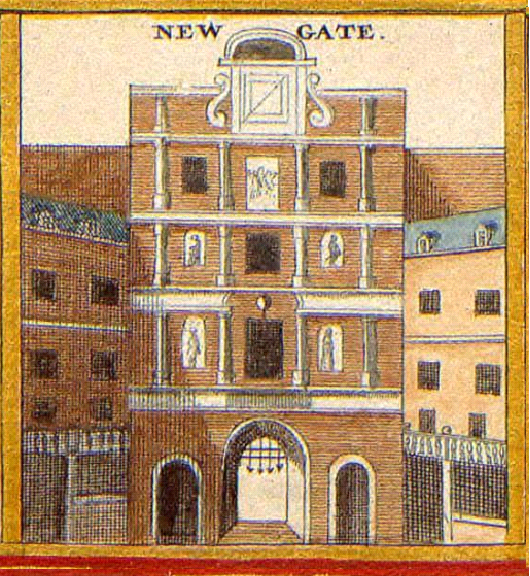
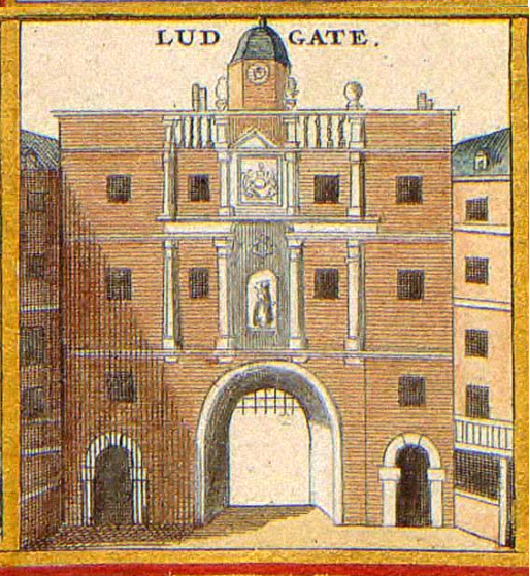
From the 18th century onward, urban growth and modernization led to the demolition of large sections of the wall and its gates to improve traffic circulation and accommodate new buildings. Notable gates such as Ludgate and Newgate were removed during this period, reflecting changing priorities in city planning.
The devastation of the Second World War, particularly the Blitz, caused significant damage to the City of London, but also spurred renewed interest in preserving its historic fabric. Conservation efforts since the mid-20th century have focused on protecting surviving sections of the Roman and medieval London Wall, which are now scheduled monuments and important archaeological sites.
Architectural features and surviving remains
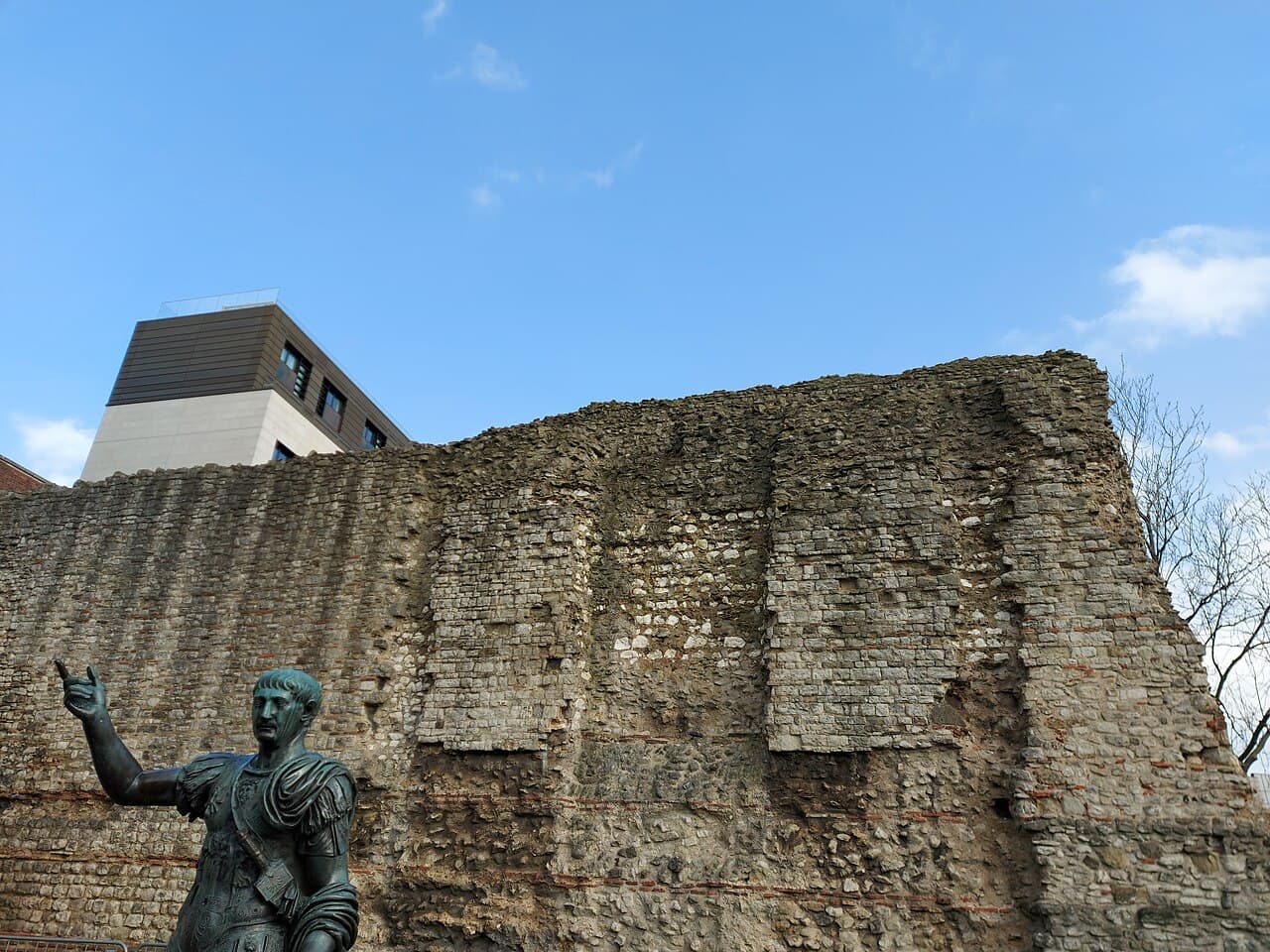
The surviving segments of the London Wall provide valuable insights into Roman military architecture and medieval urban defenses. Remnants include substantial stretches of the original stone wall, fragments of towers, and gatehouse foundations. These remains are visible at various points around the City of London, including near Barbican, Moorgate, and Aldersgate.
The wall's construction utilized local materials such as Kentish ragstone and flint nodules, with mortar binding. Its design featured a battlemented parapet, arrow slits, and towers at intervals for defense and observation. The gates were complex structures, often fortified with portcullises and guardrooms.
Legacy and influence on London's urban form
The London Wall has had a lasting impact on the city's development. Its presence constrained early urban expansion, channeling growth within its boundaries and influencing the location of roads and neighborhoods. Many modern streets in the City of London follow the routes of ancient gates and entrances through the wall.
Today, the wall is recognized as a significant cultural and historic landmark, reflecting London's Roman origins and medieval heritage. It serves as a tangible connection to the city's past and is a focus for archaeological study and public education.
Frequently asked questions (FAQ)
- What is the historical significance of London Wall?
- London Wall is a vital remnant of the defensive fortifications that once surrounded the City of London. Originally built by the Romans in the 2nd century AD, it played a crucial role in protecting the city from invasions and is a key part of London's rich historical narrative.
- When was London Wall constructed?
- Construction of London Wall began around AD 190 during the Roman occupation of Britain. The wall has undergone various modifications over the centuries, with significant portions remaining from the medieval period, showcasing its long-standing importance in London's history.
- Can I visit London Wall?
- Yes, London Wall is accessible to the public, allowing visitors to explore its historical significance and architectural features. While some sections are integrated into modern buildings, there are designated areas where you can walk alongside the ancient structure.
- What are the opening hours for London Wall?
- London Wall is generally open to visitors at all hours, as it is primarily an outdoor attraction. However, it is advisable to check local listings for any guided tours or special events that may have specific opening times.
- Is it possible to take guided tours of London Wall?
- Yes, guided tours of London Wall are available and can enhance your understanding of its history and architecture. These tours often include insights from knowledgeable guides who can share fascinating stories about the wall and its role in London's development.
- What is the best time to visit London Wall?
- The best time to visit London Wall is during the spring and early autumn when the weather is pleasant for outdoor exploration. These seasons also tend to have fewer tourists, allowing for a more intimate and enjoyable experience.
- Are there nearby attractions to visit along with London Wall?
- Yes, nearby attractions include the Museum of London, which offers further insights into the city’s history, and St. Paul's Cathedral, a stunning example of English Baroque architecture. Exploring these sites can provide a more comprehensive understanding of London's past.
- What are the ticket prices for visiting London Wall?
- There is no entrance fee to visit London Wall, as it is primarily an outdoor historic site. However, some guided tours may have associated costs, so it's a good idea to check in advance if you wish to participate in one.
- How accessible is London Wall for visitors with disabilities?
- London Wall has various access points, but certain sections may present challenges for visitors with mobility issues due to uneven terrain. It's recommended to plan your visit ahead of time and check for any specific accessibility information related to guided tours or facilities in the area.
Photo gallery

Information
Loading map...
Visitor reviews
No reviews yet. Been here? Write the first review and help other travelers!
Write the first reviewVisited this castle? Share your experience
Your review helps other travelers and adds first-hand knowledge to our encyclopedia.