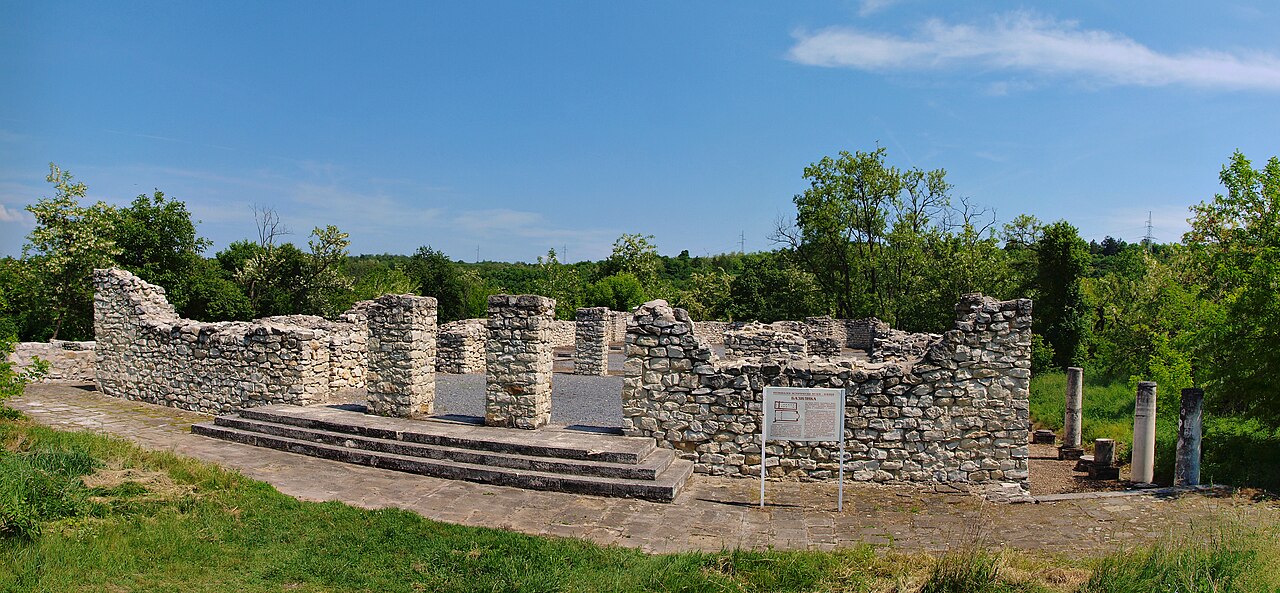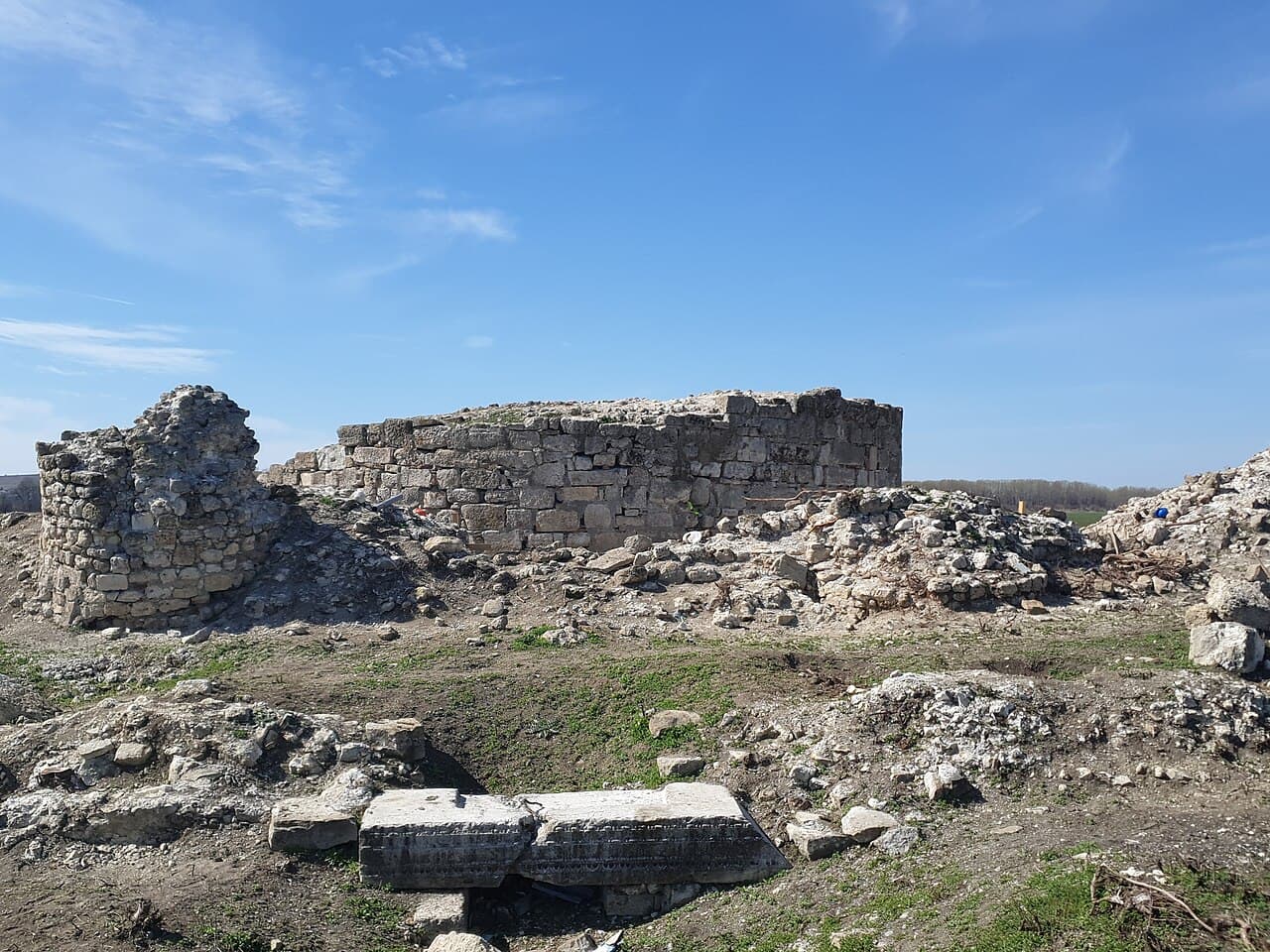
Turnu Fortress
Turnu Fortress, also known historically as Nicopolis minor and Holavnic, is a significant medieval bastioned fortress located approximately 3 km south of Turnu Măgurele in Romania. Positioned strategically near the confluence of the Olt and Danube rivers, this fortress played a crucial role in the defense of Wallachia during the turbulent late 14th and early 15th centuries. Its location on the Danube line made it a vital stronghold against the expanding Ottoman Empire, serving as a bulwark to protect the southern borders of Wallachia from Turkish incursions.
Historical context and strategic importance
The fortress is first documented during the reign of Mircea the Elder in 1394, a period marked by intense military and political challenges for Wallachia. Mircea the Elder, one of Wallachia's most notable rulers, undertook significant fortification efforts to secure his realm against Ottoman advances. Turnu Fortress was part of this defensive network, complementing other fortifications along the Danube.
Its proximity to the Danube River, a major trade and invasion route, underscored its strategic importance. The fortress controlled river traffic and served as an early warning post against invading forces. The name "Turnu," meaning "tower" in Romanian, and "Kule" in Turkish, reflects the fortress's prominent tower structures, which were characteristic of medieval military architecture designed for observation and defense.
Architectural features and construction
Turnu Fortress is classified as a bastioned fortress, a style that emerged in response to the development of artillery and gunpowder weapons. This architectural style features angled bastions projecting from the main walls, allowing defenders to cover adjacent walls with defensive fire and eliminate blind spots. Such design elements improved the fortress's ability to withstand sieges and artillery bombardments.
The fortress's walls were constructed using local stone and brick, thick enough to resist cannon fire. The bastions were positioned to cover all approaches, while the main gate was fortified with additional defensive structures. Inside, the fortress contained essential military and administrative buildings, including barracks, armories, and storage facilities, arranged around a central courtyard.
Although detailed architectural plans are scarce, the remains suggest a well-planned fortification typical of late medieval military engineering in Eastern Europe.
Occupation, decline, and restoration efforts
At the end of Mircea the Elder's reign, the fortress fell under Ottoman control under circumstances that remain unclear. The Ottomans recognized its strategic value and maintained the fortress as part of their defensive line along the Danube. It remained under Ottoman occupation for several centuries, during which time its military significance fluctuated with the shifting political landscape of the region.
In 1829, during the Russo-Turkish War, the fortress was burned and largely demolished, marking the end of its active military use. Despite its ruinous state, Turnu Fortress remains a protected historical monument listed in Teleorman County.
Since October 2018, efforts have been underway to restore and consolidate the fortress. These restoration projects aim to preserve the remaining structures, stabilize the ruins, and enhance public access. The work includes archaeological investigations, structural reinforcements, and the development of visitor facilities to promote cultural tourism and education about the fortress's historical role.
Cultural significance and tourism
Turnu Fortress is an important cultural landmark in Romania, representing the medieval military architecture and the historical conflicts between Wallachia and the Ottoman Empire. Its location near the Danube makes it accessible to visitors interested in history, architecture, and the natural landscape of the region.
The ongoing restoration efforts have increased interest in the site, attracting historians, archaeologists, and tourists. Interpretive materials and guided tours help visitors understand the fortress's defensive features and its role in regional history. The site also serves as a venue for cultural events that celebrate local heritage.
Frequently asked questions (FAQ)
- What is the historical significance of Turnu Fortress?
- Turnu Fortress, built in the 14th century, played a key role in the defense of the region against invasions and conflicts over the centuries. It served as a strategic military stronghold due to its location near the Danube River, influencing trade and military routes in the area.
- When was Turnu Fortress built?
- The construction of Turnu Fortress began in the late 14th century, around 1390, during the reign of Wallachian Prince Mircea the Elder. Its architecture and fortifications were developed over the years, reflecting the changing military needs and styles of the period.
- Can I visit Turnu Fortress?
- Yes, Turnu Fortress is open to visitors who wish to explore its historical grounds and learn about its rich past. Guided tours are often available, providing insight into the fortress's architecture and historical events.
- What are the opening hours for Turnu Fortress?
- Turnu Fortress typically opens to visitors from 9 AM to 5 PM, but it's advisable to check ahead for seasonal variations or any special events. Ensure to plan your visit during these hours to make the most of your experience.
- Is it possible to access Turnu Fortress by public transportation?
- Yes, Turnu Fortress is accessible via public transportation from nearby cities, with regular bus services operating to Turnu Măgurele. Local taxis are also available for a more direct route to the fortress.
- What is the best time to visit Turnu Fortress?
- The best time to visit Turnu Fortress is during the spring and early autumn months when the weather is mild and ideal for outdoor exploration. Visiting during these seasons also allows you to enjoy the surrounding natural beauty and local festivals.
- Are there any nearby attractions to visit alongside Turnu Fortress?
- Yes, visitors can explore nearby attractions such as the Danube River, which offers stunning views and recreational activities. Additionally, the city of Turnu Măgurele has charming local markets and restaurants to experience Romanian culture.
- What are the ticket prices for visiting Turnu Fortress?
- Ticket prices for Turnu Fortress are generally affordable, with discounts available for students and seniors. It's best to check the official website or visitor center for the most current pricing and any special offers available.
- How do I get more information about visiting Turnu Fortress?
- For more information, you can visit the official website or local tourism offices in Turnu Măgurele. They provide resources on visiting hours, ticketing, and any upcoming events at the fortress.
Photo gallery

Information
Loading map...
Visitor reviews
No reviews yet. Been here? Write the first review and help other travelers!
Write the first reviewVisited this castle? Share your experience
Your review helps other travelers and adds first-hand knowledge to our encyclopedia.