Storgosia Fortress
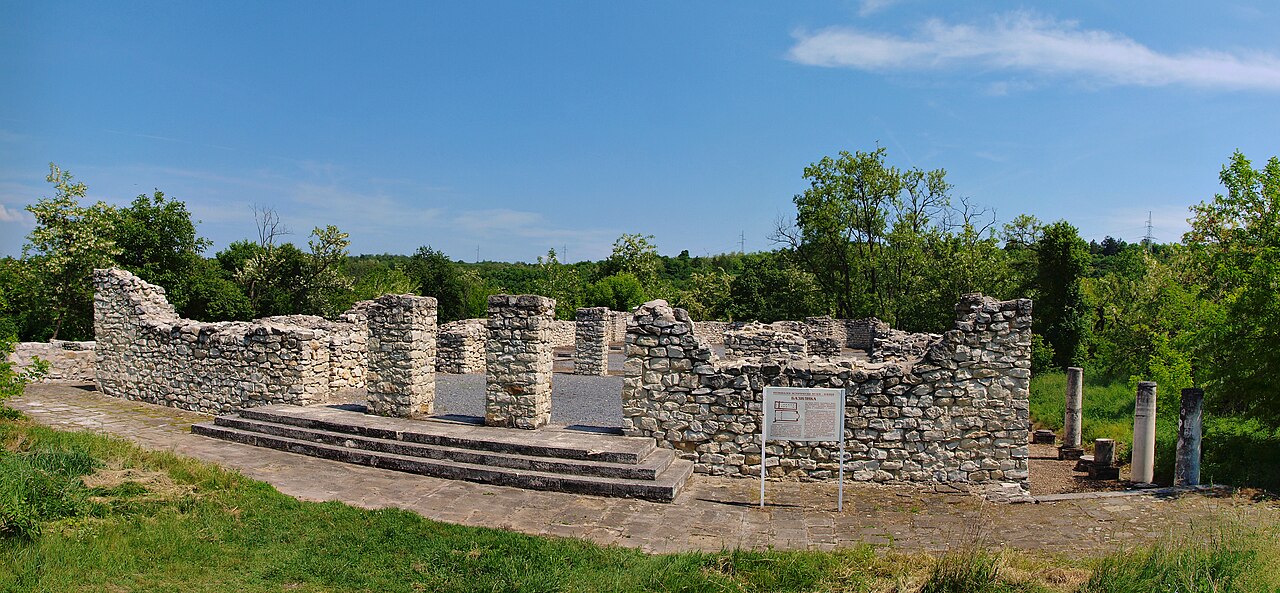
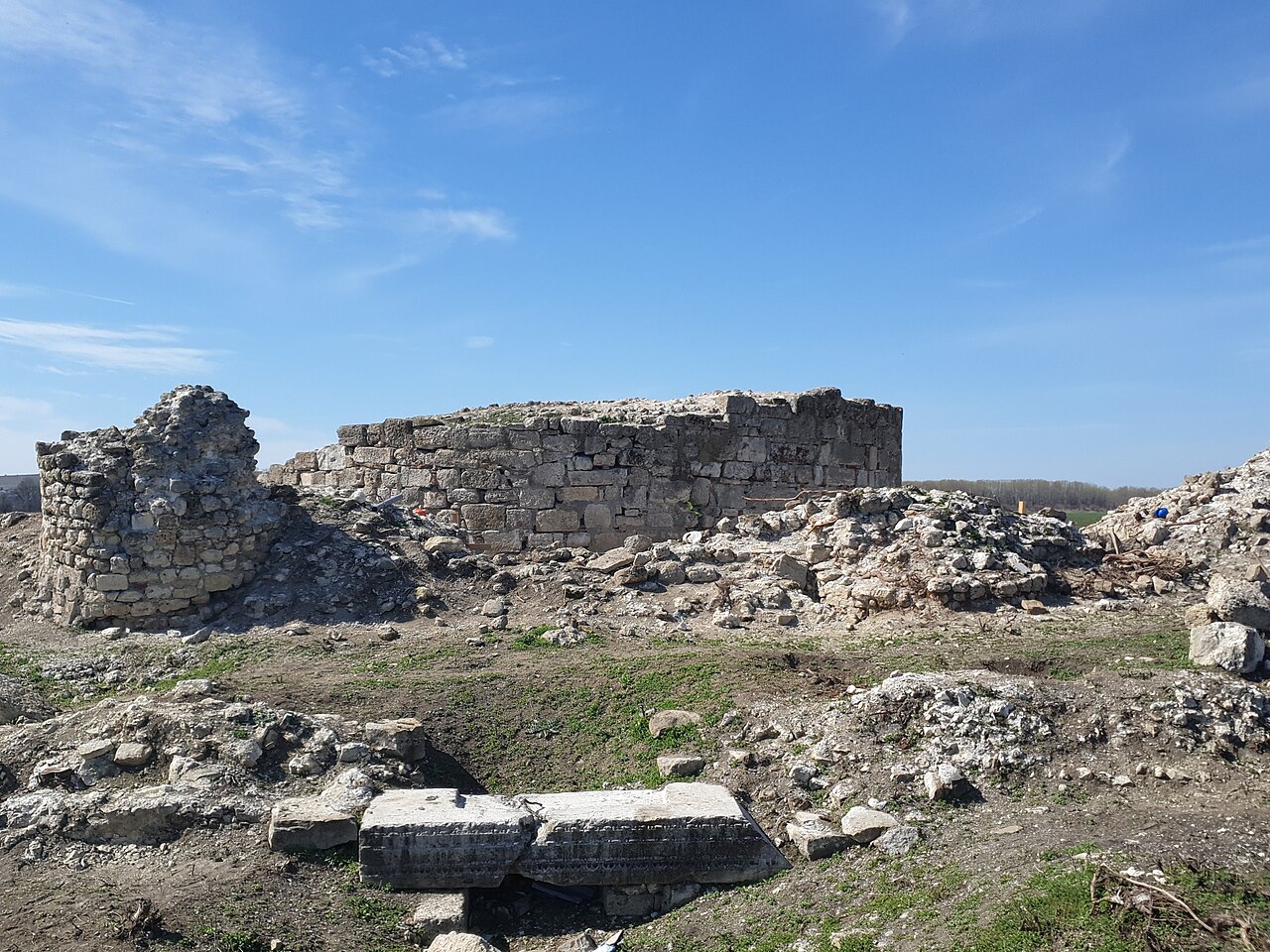
Storgosia fortress, located in Kaylaka Park near Pleven, Bulgaria, is a significant archaeological site dating back to the 4th century AD. Originally constructed during the Roman era, this fortress played a crucial role as a road stop before evolving into a defensive stronghold. The site contains the ruins of towers, gates, residential houses, a public storehouse, and notably, a large church believed to have been built around the same period. These remains provide valuable insight into the architectural and military strategies of the time.
Historical context and development
The fortress was initially established as a road stop on a vital Roman route, serving travelers and merchants. Over time, as threats from raids and invasions increased, the settlement was fortified to protect its inhabitants. The transformation from a simple stopover to a fortified site reflects the turbulent conditions of the late Roman Empire and the need for increased security in the region.
Storgosia remained an active fortress until the end of the 6th century. Its decline coincided with the settlement of the Slavs in the area, which led to changes in the local power structure and the eventual abandonment of the fortress. The site’s strategic importance diminished, and it fell into disuse.
Architectural features and layout
The fortress was constructed with typical Roman military architecture, featuring stone walls that enclosed the settlement. The remains of defensive towers and gates indicate a well-planned fortification system designed to control access and provide vantage points for defense. Inside the walls, the ruins of residential houses and a public storehouse have been uncovered, suggesting a self-sufficient community capable of withstanding sieges.
The presence of a large church within the fortress walls highlights the religious aspect of the settlement. This church, dating from the 4th century, is one of the earliest Christian structures in the region, reflecting the spread of Christianity during the late Roman period.
Later history and destruction
During the Ottoman Empire, the fortress was largely destroyed, likely in the 16th century. Historical evidence suggests that the stones from Storgosia were repurposed for building a wall around the Turkish barracks in Pleven. This practice of reusing materials was common and contributed to the loss of much of the original structure.
Despite this, archaeological excavations have revealed several key structures, allowing for a partial reconstruction of the fortress’s layout and history. The site today remains an important cultural heritage location, offering insights into Roman military architecture and early Christian history in Bulgaria.
Archaeological significance and preservation
Excavations at Storgosia have uncovered foundational walls, building remains, and artifacts that shed light on the daily life and defensive measures of its inhabitants. The site provides valuable evidence of the transition from Roman to early medieval periods in the Balkans.
Currently, the fortress is preserved as archaeological ruins within Kaylaka Park, accessible to visitors interested in history and archaeology. Interpretive signage and guided tours help contextualize the ruins, making Storgosia a notable destination for cultural tourism in the Pleven region.
Frequently asked questions (FAQ)
- How do I get to Storgosia fortress from Pleven city center?
- Storgosia fortress is located within Kaylaka Park, just a few kilometers from Pleven city center. Visitors can reach the site by car, taxi, or local bus services that connect the city with the park area.
- What remains can I see at Storgosia fortress today?
- Visitors can see the ruins of defensive towers, gates, residential houses, a public storehouse, and the foundations of a large 4th-century church. The site offers a glimpse into Roman-era military and religious architecture.
- When was Storgosia fortress built and why?
- Storgosia fortress was built in the 4th century AD as a Roman road stop that later developed into a fortified settlement to protect against raids and attacks during the late Roman Empire.
- Is Storgosia fortress accessible year-round?
- As an open archaeological site within Kaylaka Park, Storgosia fortress is generally accessible year-round, though visitors should check local conditions and park opening times before planning their visit.
- Can I learn about the history of Storgosia fortress on-site?
- Yes, the site features interpretive signage and occasional guided tours that explain the fortress’s history, architectural features, and its role during the Roman and early medieval periods.
Information
Current owner
Municipality
Loading map...
Visitor reviews
No reviews yet. Been here? Write the first review and help other travelers!
Write the first reviewVisited this castle? Share your experience
Your review helps other travelers and adds first-hand knowledge to our encyclopedia.