Tumil Castle
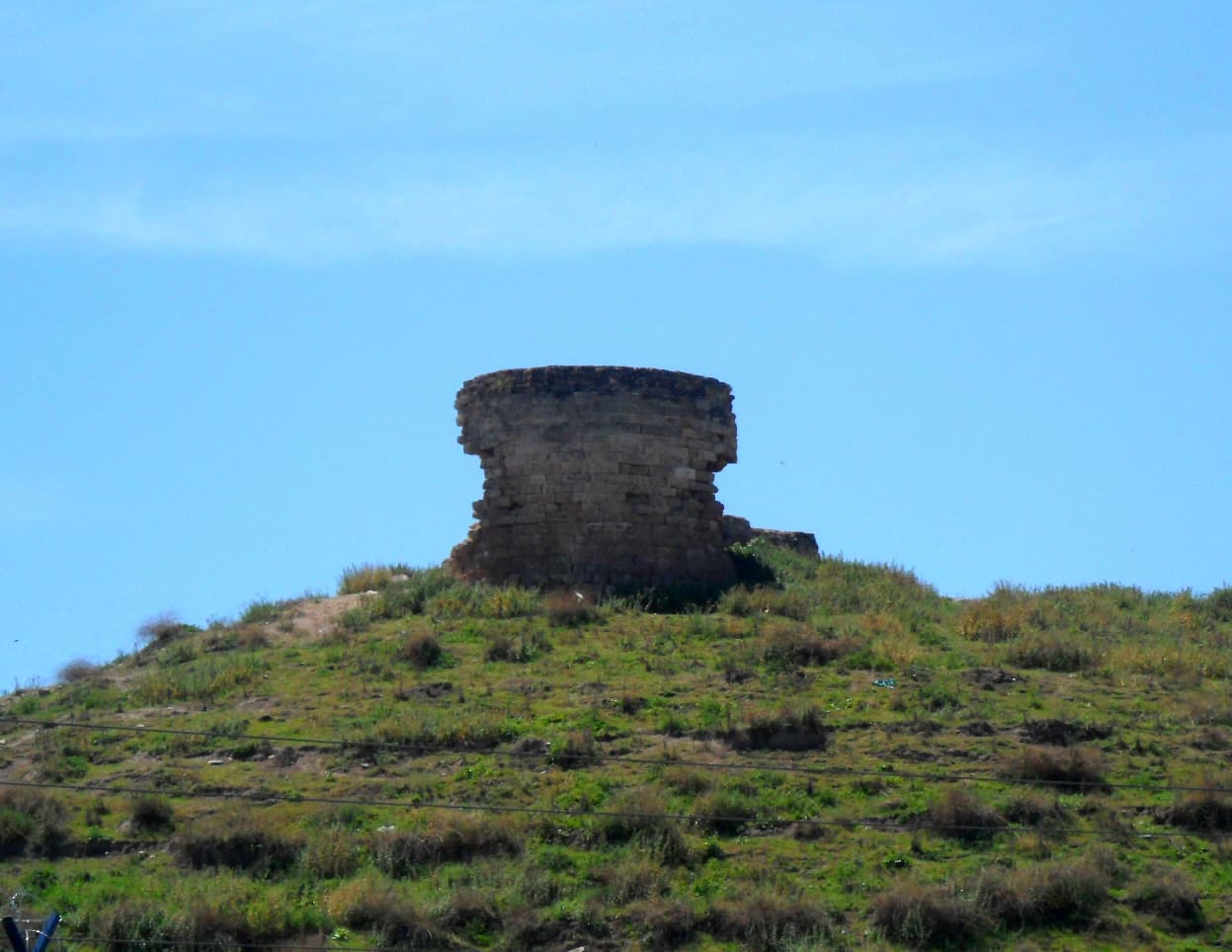
Tumil Castle, known locally as Tumil Kalesi, is a significant medieval fortress located on Tırmıl Tepe, a hill within the city of Mersin in southern Turkey. Nestled in the historic region of Cilicia, this castle occupies a strategic position that once formed part of the Armenian Kingdom of Cilicia, a realm that flourished from the late 11th century until the late 14th century. Although the original medieval name and detailed historical records of the castle remain unknown, its Turkish name likely derives from the hill’s resemblance to a tumulus, a type of ancient burial mound common in the area.
Historical context and significance
The area of Cilicia was a crossroads of various cultures and powers during the High Medieval period. The Armenian Kingdom of Cilicia was established by Armenian refugees fleeing the Seljuk invasions and became an important ally of the Crusader states. Tumil Castle is thought to have been constructed or significantly developed in the 13th century, during a time when the Crusades influenced military architecture and political alliances in the region.
Based on architectural analysis, Tumil Castle was likely a fiefdom granted by the Armenian rulers to the Knights Hospitaller, a military order active in the Crusades. This connection is supported by the castle’s unique design, which includes a square plan with four round corner towers. This layout is characteristic of Crusader fortifications and is notably distinct from traditional Armenian military architecture, which rarely employed this form. Tumil shares this architectural style with nearby castles such as Karafrenk, Kütüklü, and Yaka Castle.
Architectural features and layout
The castle’s square plan and round corner towers reflect a strategic design intended to maximize defensive capabilities and provide overlapping fields of fire. This configuration allowed defenders to protect all sides of the fortress effectively. The presence of these towers suggests the castle was built with both military defense and control of the surrounding landscape in mind.
Tumil Castle’s location on a hilltop provided natural defensive advantages, including visibility over the surrounding terrain. It is believed that the castle had intervisibility with nearby fortifications such as Yaka Castle to the northeast and Hebilli Castle to the north. This network of castles would have facilitated communication and coordinated defense across the region.
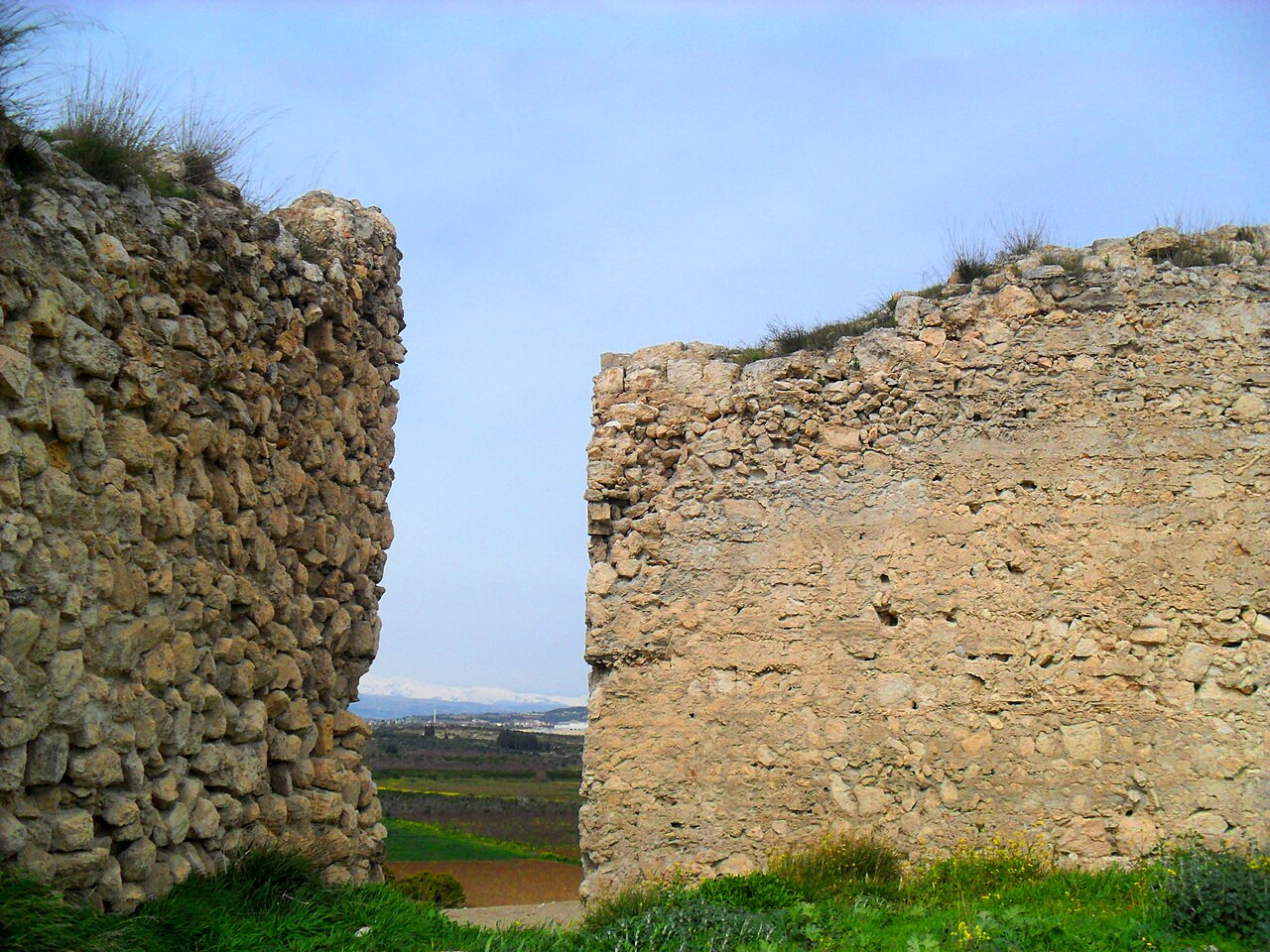
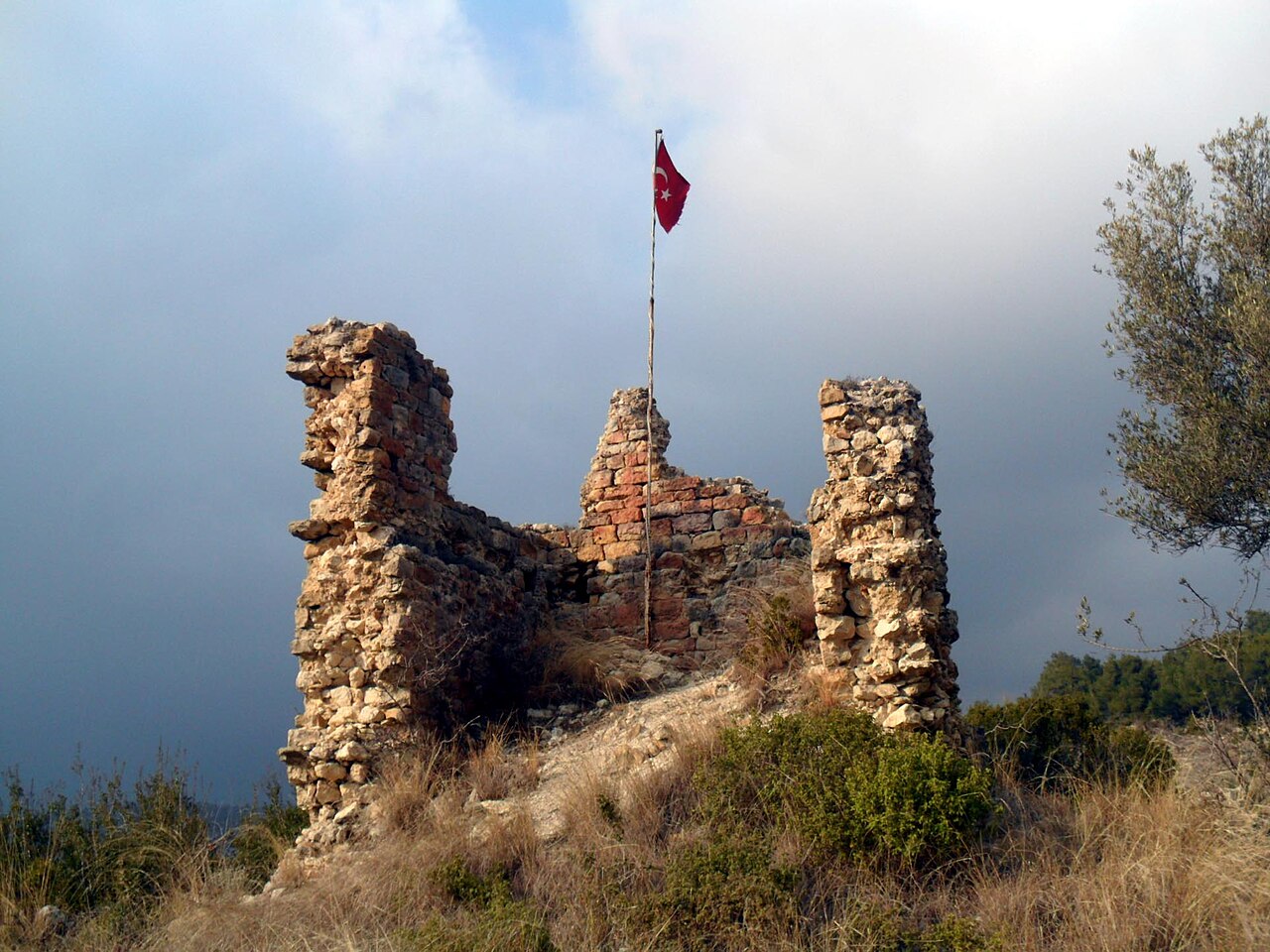
While much of the original structure has not survived intact, the remaining architectural elements offer valuable insights into the military strategies and cultural influences of the time. The castle’s construction techniques and materials are consistent with other fortifications built during the Crusader period in Cilicia.
Current condition and visitor experience
Today, Tumil Castle stands as a partially preserved ruin accessible to the public. Visitors can explore the site freely, although the castle is situated within a somewhat industrialized area that has affected the surrounding environment. The presence of local wildlife, including Kangal dogs, adds to the site’s rustic atmosphere.
Despite its location and condition, Tumil Castle remains an important cultural and historical landmark in Mersin. It offers a tangible connection to the region’s medieval past and the complex interplay of Armenian and Crusader influences in Cilicia. The castle’s ruins provide an evocative glimpse into the military architecture of the High Medieval period and the legacy of the Knights Hospitaller in this part of Turkey.
Related archaeological features
The hill on which Tumil Castle is built, known as Tırmıl Höyük, is itself an archaeological mound or tumulus. Such mounds are common throughout Turkey and often contain layers of historical settlement. While Tumil Castle represents the medieval phase of occupation, the höyük may hold traces of earlier human activity, reflecting the long history of human habitation in the Mersin region.
Archaeological investigations in the area have the potential to reveal more about the castle’s origins, its role within the Armenian Kingdom of Cilicia, and the broader historical landscape of the region. Preservation efforts and further research could enhance understanding of this site’s significance.
Frequently asked questions (FAQ)
- How do I get to Tumil Castle?
- Tumil Castle is located in Mersin, Turkey, and can be easily accessed by car or public transportation. If you are coming from the city center, taking a local bus or a taxi is a convenient option. The castle is situated on a hill, offering beautiful views of the surrounding area.
- What is the historical significance of Tumil Castle?
- Tumil Castle dates back to the Byzantine era and has served as a strategic military fortress throughout its history. It played a significant role in regional defense, showcasing the architectural styles and military innovations of its time. The castle's rich history reflects the diverse cultural influences that have shaped the Mersin region.
- When was Tumil Castle built?
- Tumil Castle was constructed in the 5th century during the Byzantine period. Over the centuries, it has undergone several modifications and restorations, reflecting the architectural developments of different eras. The history of the castle is a testament to the enduring importance of this site in the region.
- Can I visit Tumil Castle year-round?
- Yes, Tumil Castle is open to visitors throughout the year. However, it's best to check local weather conditions and any specific seasonal opening hours before your visit. The castle's elevated location provides a pleasant experience, especially during the spring and autumn months when the weather is mild.
- Why is Tumil Castle a popular tourist attraction?
- Tumil Castle is popular due to its impressive architecture and stunning panoramic views of the Mersin coastline and surrounding mountains. Visitors are drawn to its historical significance and the opportunity to explore its ancient ruins. Additionally, the castle offers a unique glimpse into the region's past, making it a must-see for history enthusiasts.
- Is it possible to take guided tours of Tumil Castle?
- Yes, guided tours are available at Tumil Castle, providing visitors with in-depth knowledge about its history and architecture. These tours often include informative commentary from knowledgeable guides, enhancing your overall experience. It's recommended to book in advance during peak tourist seasons to secure a spot.
- What are the opening hours for Tumil Castle?
- Tumil Castle typically opens at 9 AM and closes at 7 PM, but these hours may vary seasonally. It is advisable to check the official website or contact local tourist information for the most current hours before your visit. This ensures you make the most of your time exploring the castle.
- Are there any nearby attractions to Tumil Castle?
- Yes, there are several attractions near Tumil Castle, including the beautiful beaches of Mersin and the historic city center. Visitors can also explore nearby archaeological sites and enjoy local cuisine in the surrounding areas. Combining your visit to Tumil Castle with these attractions makes for a full day of exploration.
- What are the ticket prices for Tumil Castle?
- The entrance fee for Tumil Castle is quite affordable, making it accessible for all visitors. Discounts may be available for students and seniors, so it’s a good idea to inquire about any special rates at the ticket booth. This allows you to enjoy the historical site without breaking the bank.
Photo gallery

Information
Loading map...
Visitor reviews
No reviews yet. Been here? Write the first review and help other travelers!
Write the first reviewVisited this castle? Share your experience
Your review helps other travelers and adds first-hand knowledge to our encyclopedia.