Hebilli Castle
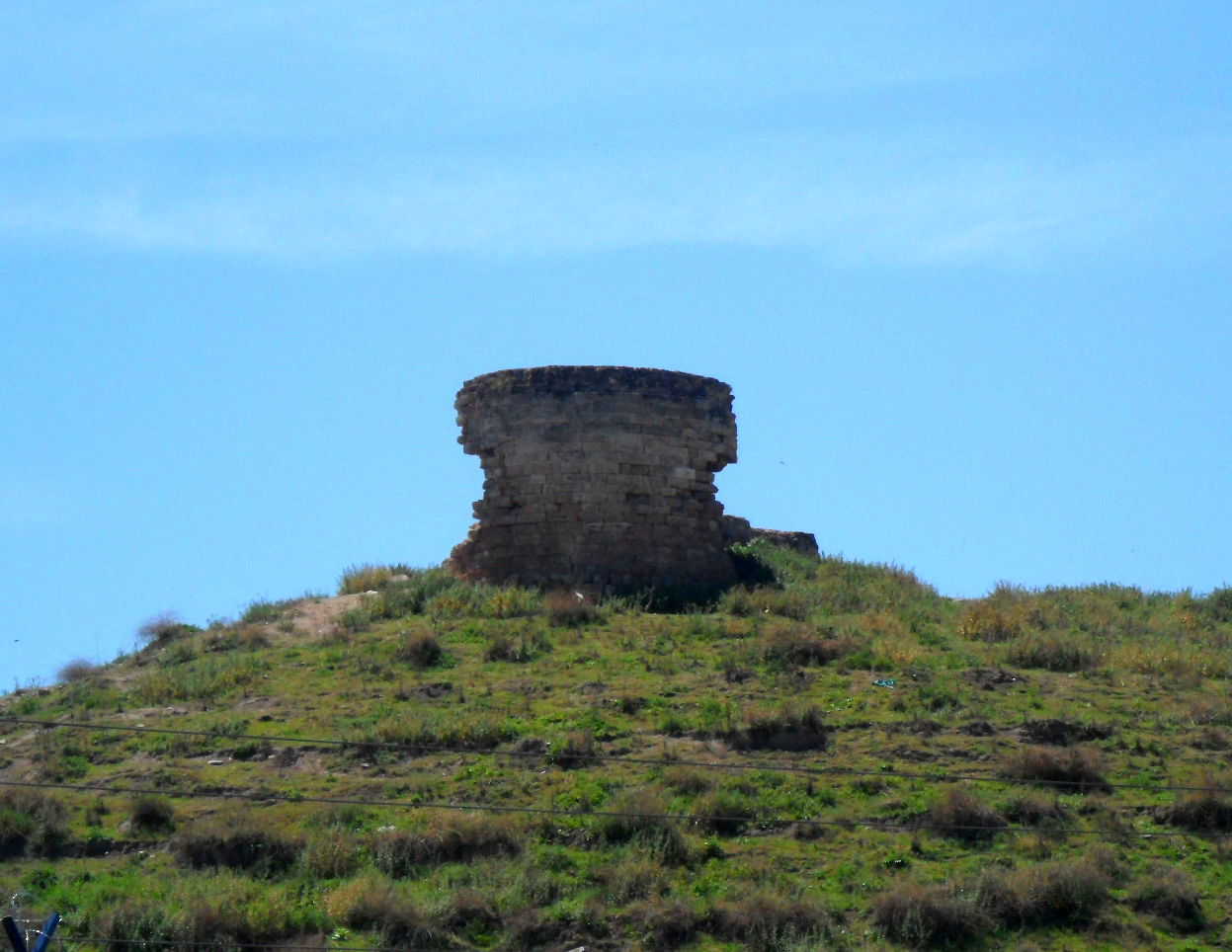
Hebilli Castle, locally known as Hebilli Kalesi, is a medieval fortress located in the village of Hebilli in the Mersin province of Turkey. This castle occupies a strategic position on an elongated hill adjacent to the Deliçay River, overseeing the fertile plains that slope gently toward the Mediterranean coast. The castle's location provided commanding views of the surrounding landscape, including potential visual communication with nearby fortifications such as Tumil Castle to the south.
Historical context and regional significance
The castle is situated in the historic region of Cilicia, an area of considerable military and political importance during the medieval period. Between the late 11th century and the late 14th century, Cilicia was the seat of the Armenian Kingdom of Cilicia, a Christian state that played a key role in the geopolitics of the eastern Mediterranean. Despite its prominence, the original medieval name and detailed history of Hebilli Castle remain undocumented.
Some Turkish sources attribute the castle's origins to the Umayyad period, crediting an Umayyad commander named Kaleh Habellieh with its construction following the Umayyad conquest of the region. However, the Umayyad Caliphate's rule ended by 750 AD, which conflicts with the architectural style and archaeological evidence suggesting a later construction date. It is plausible that an earlier Umayyad fortification existed on the site, which was subsequently replaced or extensively rebuilt during the High to Late Medieval period.
Architectural features and design influences
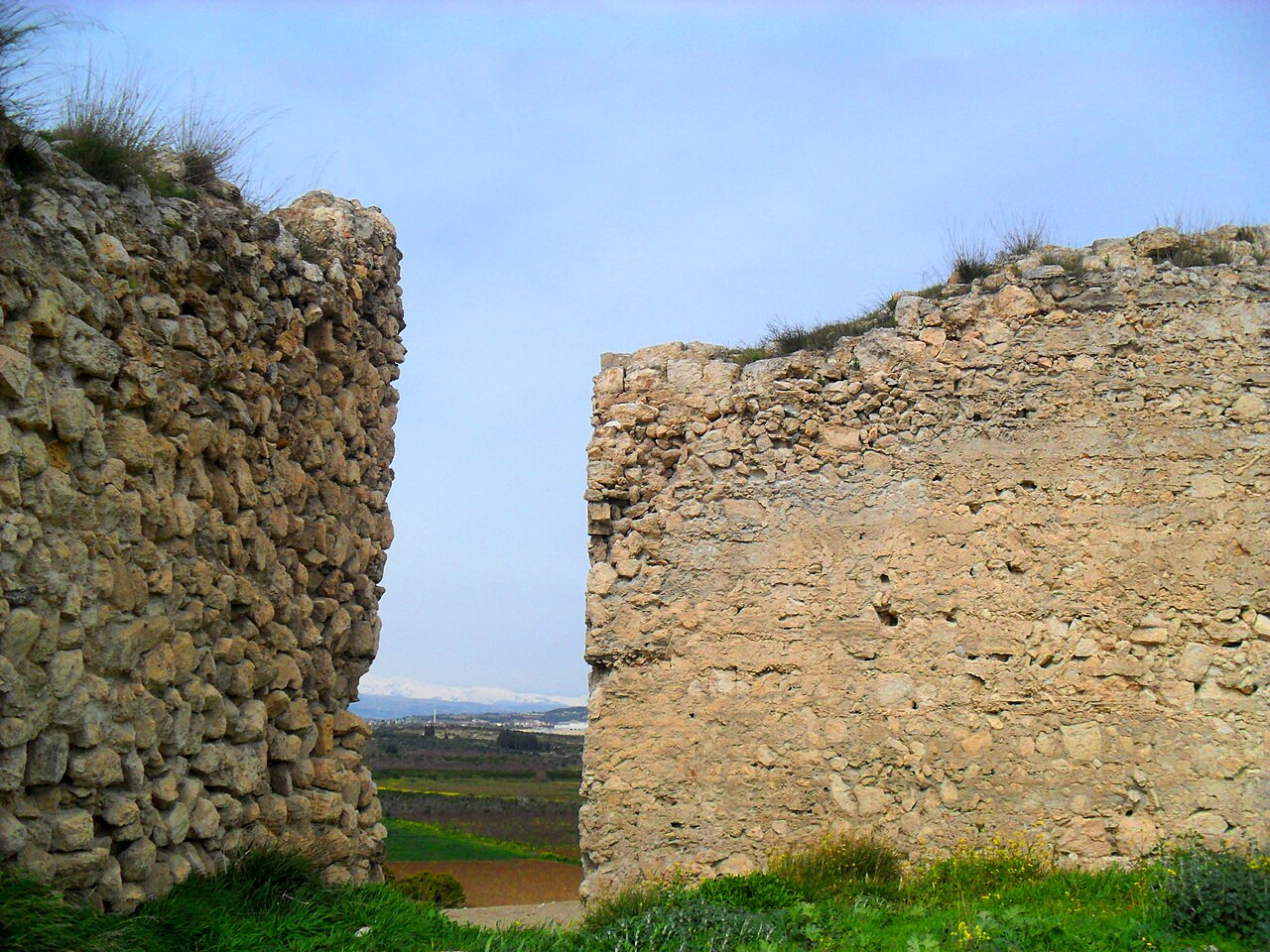
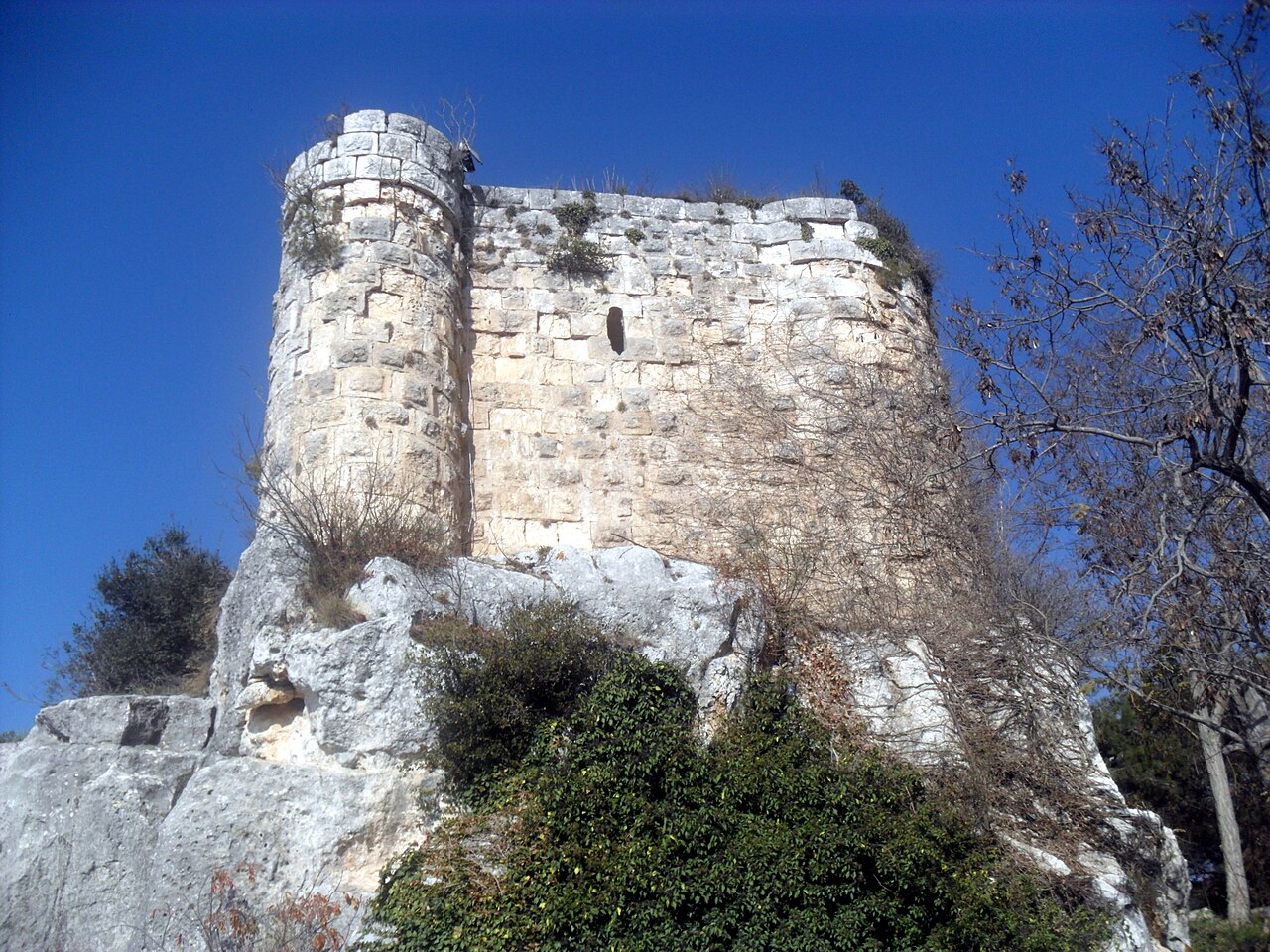
The current ruins of Hebilli Castle exhibit characteristics typical of Crusader military architecture, particularly the square plan with four round corner towers. This design contrasts with traditional Armenian military architecture, which rarely employed such a layout. The square keep with rounded towers was a common feature of Crusader castles built in the Levant and surrounding regions during the 12th and 13th centuries.
Hebilli Castle shares this architectural typology with nearby castles such as Tumil, Kütüklü, and Yaka, suggesting a common cultural or military influence, possibly linked to Crusader or Frankish military orders operating in the area. The castle's robust stone walls and corner towers would have provided effective defense against siege warfare, while the elevated hilltop location enhanced its strategic value.
Structural layout and defensive elements
The castle's elongated hilltop setting dictated its layout, with the main enclosure adapting to the natural contours of the terrain. The four round towers at each corner strengthened the curtain walls, allowing defenders to cover all approaches with overlapping fields of fire. The walls likely featured battlements and arrow slits typical of the period, although much of the masonry has deteriorated over time.
The interior of the castle, now fenced off for safety, would have contained essential facilities such as living quarters, storage rooms, and possibly a chapel, though these remain largely unexcavated or obscured by ruin. The castle's proximity to the Deliçay River would have ensured a reliable water supply, crucial during sieges.
Military and political role during the medieval period
Hebilli Castle likely served as a fief or stronghold granted by the Armenian Kingdom of Cilicia to a military order or local lord during the 13th century. Its design and location suggest a role in controlling trade routes and agricultural lands in the fertile coastal plain, as well as providing a defensive outpost against incursions from neighboring powers.
The castle's strategic position near the coast and its intervisibility with other fortifications would have been vital for early warning and communication. This network of castles helped maintain the security and stability of the Armenian kingdom amid the complex political landscape involving Crusader states, Muslim emirates, and the Mongol invasions.
Current condition and visitor information
Today, Hebilli Castle stands as a well-preserved ruin accessible to the public. Visitors can explore the exterior walls and towers, appreciating the castle's sturdy construction and commanding views. The interior area is fenced off to protect both the structure and visitors, but the site offers an evocative glimpse into medieval military architecture in Cilicia.
Its location near the village of Hebilli in Mersin province makes it a worthwhile destination for those interested in Crusader-era fortifications and Armenian medieval history. The castle's setting on a hill overlooking fertile plains and the nearby river enhances its appeal for cultural tourism and historical study.
Frequently asked questions (FAQ)
- How do I get to Hebilli Castle?
- Hebilli Castle is located in the village of Hebilli in Mersin Province, Turkey. It is accessible by local roads from the city of Mersin, and visitors can reach the castle by car or local transport followed by a short walk up the hill where the castle stands.
- What is the historical significance of Hebilli Castle?
- Hebilli Castle is significant for its association with the Armenian Kingdom of Cilicia and its Crusader-style architecture. It reflects the military and political dynamics of Cilicia between the 11th and 14th centuries, serving as a strategic fortress in the region.
- Can I explore the interior of Hebilli Castle?
- While the castle grounds are open to visitors, the interior of Hebilli Castle is currently fenced off to protect the ruins and ensure visitor safety. Visitors can walk around the exterior and appreciate the castle's defensive features and hilltop views.
- When was Hebilli Castle built?
- The existing ruins of Hebilli Castle most likely date back to the 13th century, aligning with the Crusader architectural style and the period of the Armenian Kingdom of Cilicia.
- Is Hebilli Castle part of a network of castles?
- Yes, Hebilli Castle shares architectural similarities with nearby fortifications such as Tumil, Kütüklü, and Yaka castles, indicating it was part of a regional defensive network during the medieval period.
Information
Loading map...
Visitor reviews
No reviews yet. Been here? Write the first review and help other travelers!
Write the first reviewVisited this castle? Share your experience
Your review helps other travelers and adds first-hand knowledge to our encyclopedia.