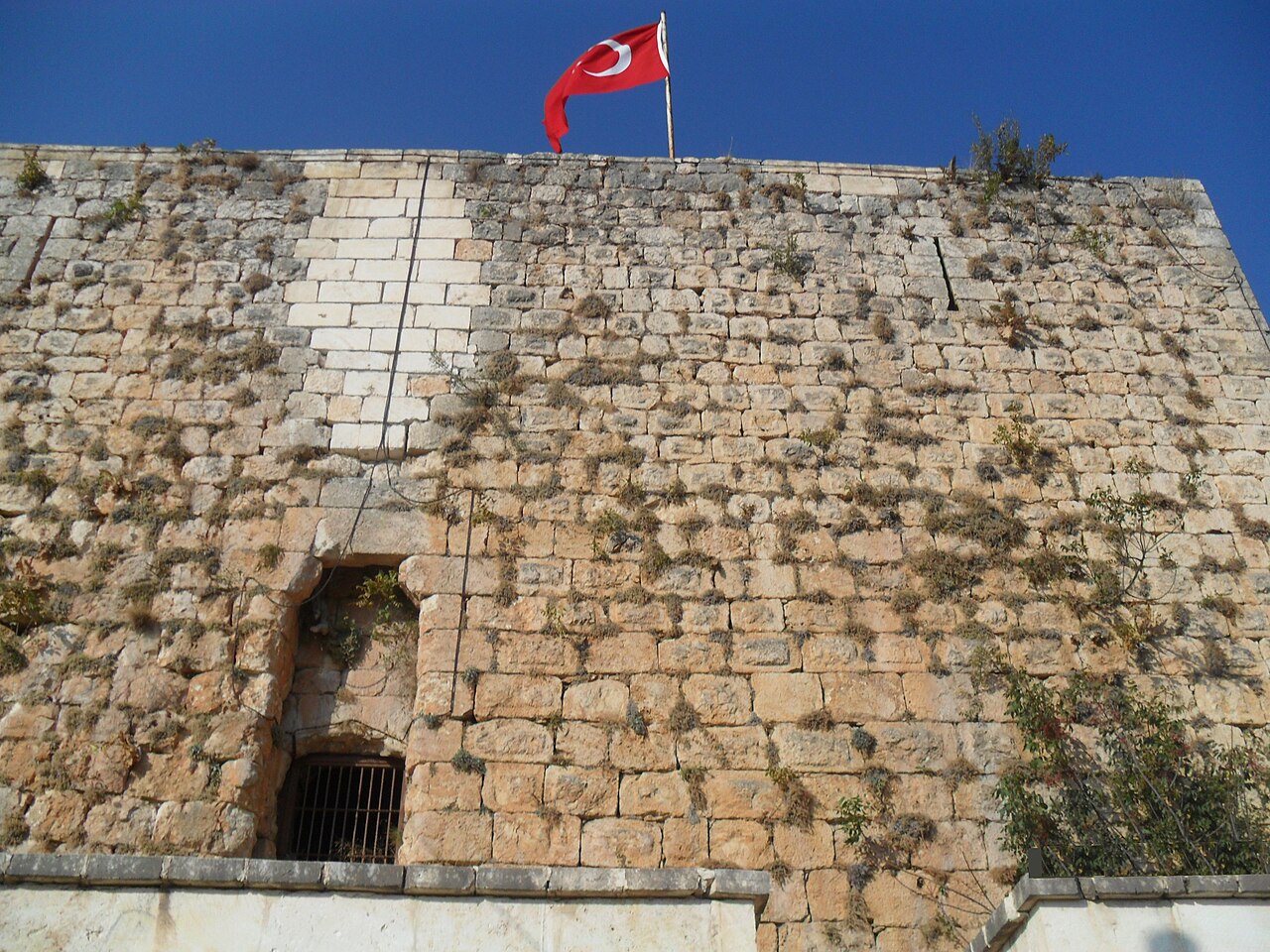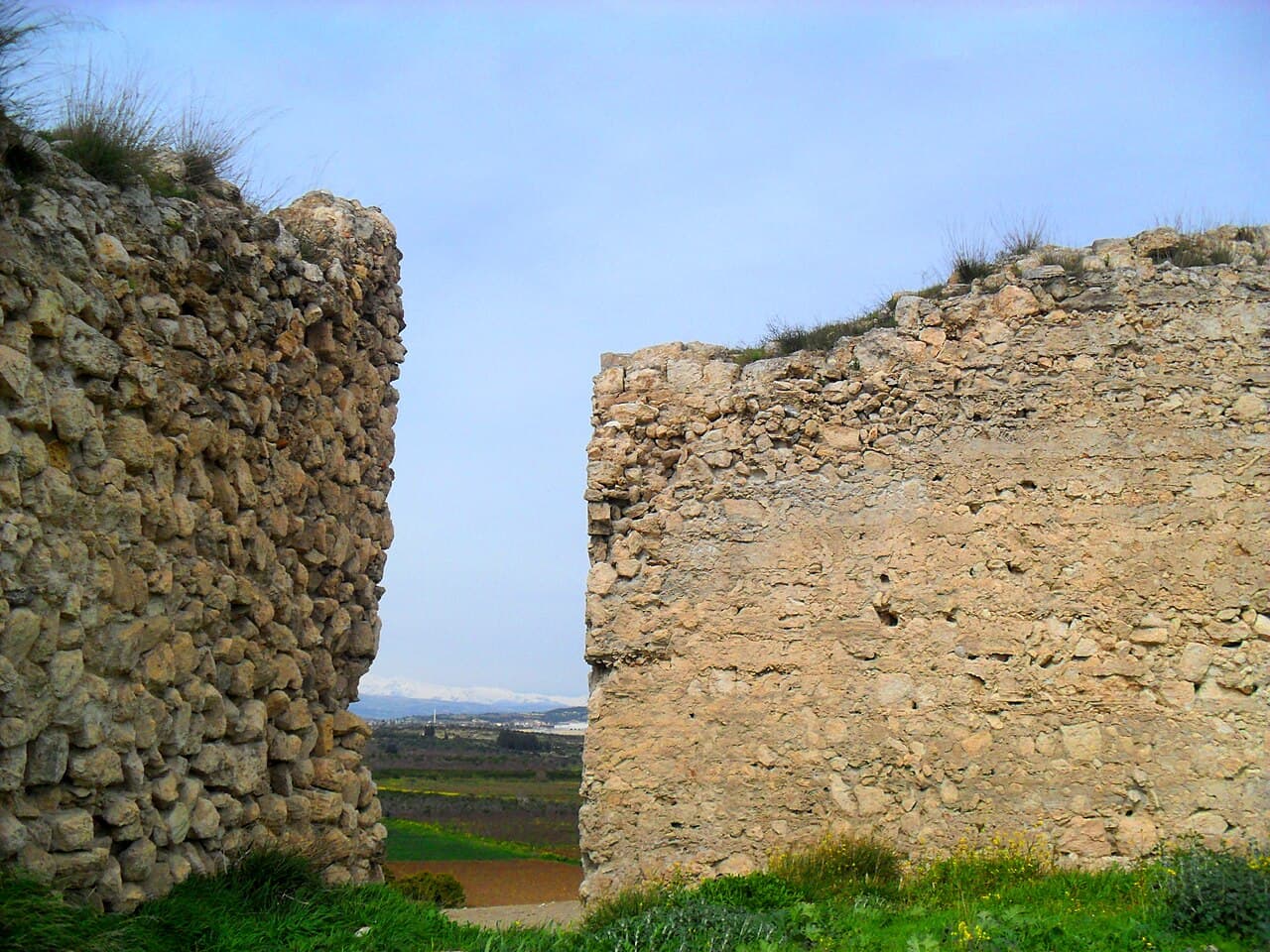
Yaka Castle — Turkey castle

Yaka Castle

Yaka Castle: Crusader-era fortification in Cilicia, Turkey
Dikilitaş, Turkey
High Medieval (11th–13th c.)
Ruins

Yaka Castle, also known locally as Yaka Kalesi or less commonly as Güdübeş Castle, stands as a significant medieval ruin in the province of Mersin, Turkey. Situated on a modest hillock east of the village of Dikilitaş, this castle occupies a strategic position in the historic region of Cilicia, an area renowned for its complex medieval history and diverse cultural influences.

The region of Cilicia was notable for hosting an Armenian kingdom from the late 11th century until the late 14th century, a period marked by frequent military conflicts and shifting alliances. Yaka Castle is part of a network of fortifications that guarded vital routes and settlements in this contested frontier zone. Although the castle's original medieval name remains unknown, its architectural features provide crucial clues to its origins and purpose.

Architectural features and design

The castle's remains reveal a rectangular layout fortified by round corner towers, a design characteristic that aligns closely with Crusader military architecture rather than Armenian styles prevalent in the region. This suggests that the castle was built or significantly modified during the Crusader period, likely in the 13th century. Similar architectural traits are observed in nearby castles such as Karafrenk Castle, Tumil Castle, and Kütüklü Castle, indicating a regional pattern of fortification styles influenced by Crusader builders.

The castle's construction utilized local stone materials, with defensive walls designed to withstand sieges and control movement along the surrounding terrain. The round towers provided improved angles for defense and were a departure from the square towers typical of earlier Armenian fortifications. The elevated position of the castle on a hillock allowed for surveillance over the adjacent plains and the critical coastal road connecting the cities of Mersin and Tarsus.

Historical context and significance

Yaka Castle likely functioned as a garrison fort, tasked with monitoring and securing the strategic coastal route vital for trade and military movements. During the period of the Armenian Kingdom of Cilicia, it is believed that the castle was granted as a fief to the Knights Hospitaller, a prominent Crusader military order active in the region. This association would explain the Crusader architectural influence and the castle's role within the broader network of fortifications supporting Crusader and Armenian defenses.

The castle's location suggests it may have had line-of-sight communication or intervisibility with Tumil Castle to the southwest, enabling coordinated defense and signaling across the region. This strategic positioning underscores the importance of Yaka Castle in controlling access to the Cilician plains and the Mediterranean coast during the turbulent medieval period.

Current condition and visitor information

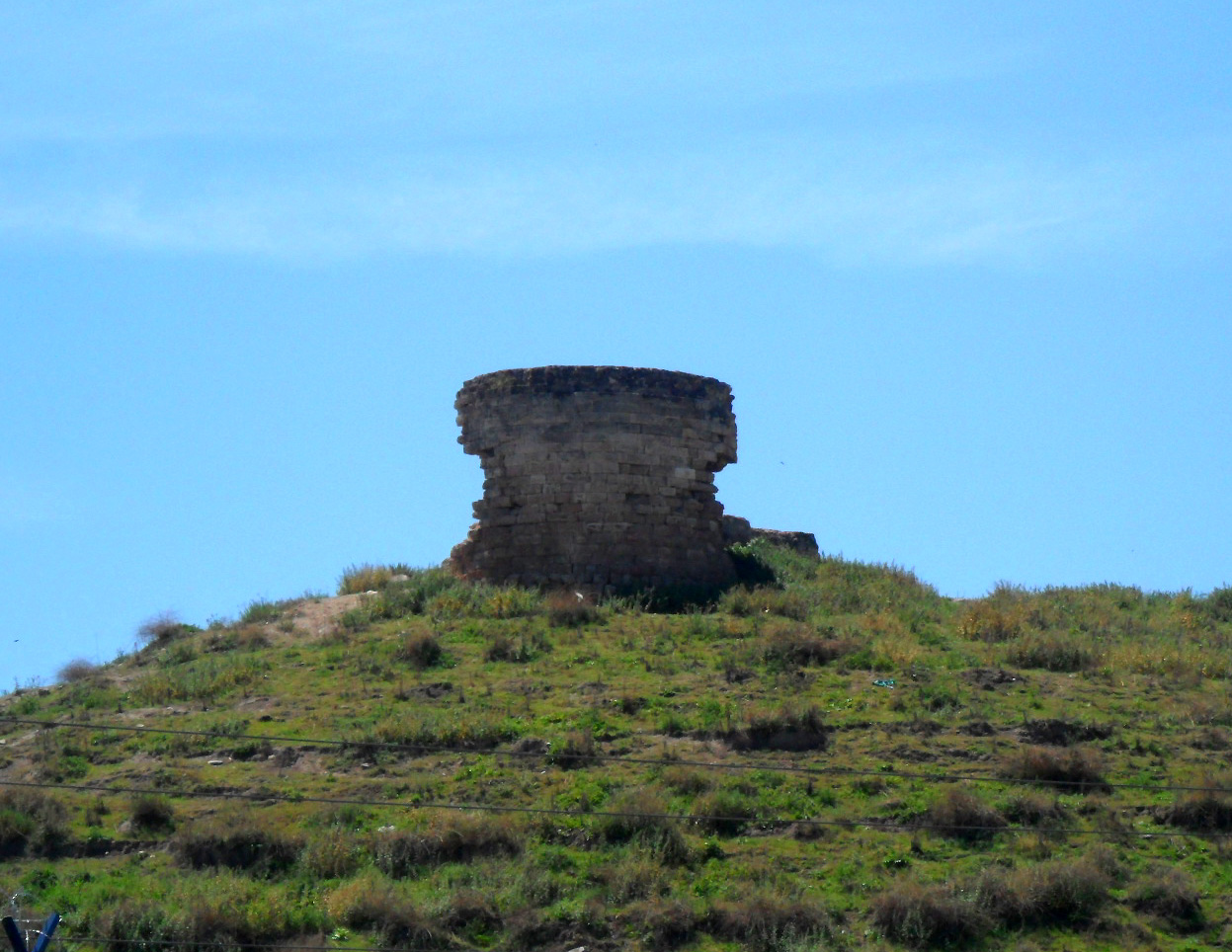
Today, Yaka Castle exists as ruins, with significant portions of its walls and towers still discernible amidst the landscape. The site offers visitors a tangible connection to the medieval history of Cilicia and the Crusader presence in Anatolia. The castle is accessible to the public without restrictions, making it a worthwhile destination for those interested in medieval military architecture and regional history.

The surrounding area remains largely rural, preserving the castle's setting and providing a peaceful environment for exploration. Visitors can observe the castle's defensive structures and appreciate the strategic considerations that influenced its construction. While no extensive restoration has been undertaken, the ruins stand as a testament to the castle's historical role and architectural ingenuity.

Comparative significance in Cilician fortifications

Yaka Castle forms part of a constellation of medieval fortresses in Cilicia that reflect the region's contested history between Armenian, Crusader, and other regional powers. Its architectural style distinguishes it from purely Armenian castles, highlighting the cultural and military exchanges that shaped the area's fortifications.

The castle's rectangular plan with rounded towers is a hallmark of Crusader military engineering, emphasizing defense and control over key routes. This contrasts with the more traditional Armenian designs, which often featured different tower shapes and layouts. The presence of such castles illustrates the strategic importance of Cilicia as a borderland and crossroads during the High Medieval period.

Frequently asked questions (FAQ)

What is the historical significance of Yaka Castle?
Yaka Castle, located in Dikilitaş, Turkey, dates back to the Byzantine era, showcasing the architectural and strategic importance of the region during that time. It served as a defensive stronghold and was pivotal in controlling trade routes and local conflicts throughout history.
When was Yaka Castle built?
Yaka Castle was constructed in the 10th century, during the height of the Byzantine Empire. Its design reflects the military architecture of the period, with robust walls and strategic positioning that provided a vantage point over the surrounding landscape.
Can I visit Yaka Castle?
Yes, Yaka Castle is open to visitors who wish to explore its historic grounds and enjoy the stunning panoramic views of the area. It is advisable to check local guidelines and opening times before planning your visit.
What are the opening hours of Yaka Castle?
Yaka Castle typically opens to visitors from 9 AM to 7 PM daily, although these hours may vary seasonally. It is recommended to verify the current hours before your visit, especially during holidays or special events.
Is it possible to access Yaka Castle by public transport?
Yes, Yaka Castle is accessible by local public transport, with several bus routes serving Dikilitaş. However, the final stretch may require a short walk or taxi ride, so be prepared for some light hiking to reach the castle.
What is the best time to visit Yaka Castle?
The best time to visit Yaka Castle is during the spring (April to June) or fall (September to November) when the weather is mild and pleasant for exploring. Visiting during these seasons also allows you to enjoy the beautiful natural scenery surrounding the castle.
Are there any nearby attractions to see while visiting Yaka Castle?
Yes, there are several nearby attractions, including historical sites and natural parks that offer outdoor activities. The local area is rich in history, making it a great opportunity to explore more of Turkey's cultural heritage while visiting Yaka Castle.
What are the ticket prices for Yaka Castle?
The ticket prices for Yaka Castle are generally affordable, with discounts available for students and seniors. Always check the official website or local tourism information for the most up-to-date pricing and available promotions before your visit.

Photo gallery

Yaka Castle
Click to view

Photo by Nedim Ardoğa•CC BY-SA 4.0

1 photo • Click any image to view in full screen

Information

Archaeological Site / Ruins

Loading map...

Visitor reviews

No reviews yet. Been here? Write the first review and help other travelers!

Write the first review

Visited this castle? Share your experience

Your review helps other travelers and adds first-hand knowledge to our encyclopedia.
Write a review

(5/5)

0/2000 characters

Your review will be visible after admin approval

Nearby castles

7.5 km
Tumil Castle — Turkey castle

Tumil Castle

Mersin, Turkey

Tumil Castle, known locally as Tumil Kalesi, is a significant medieval fortress located on Tırmıl Tepe, a hill within the city of Mersin in southern Turkey. Nestled in the historic region of Cilicia, this castle occupies a strategic position that once formed part of the Armenian Kingdom of Cilicia, a realm that flourished from the late 11th century until the late 14th century. Although the original medieval name and detailed historical records of the castle remain unknown, its Turkish name likely derives from the hill’s resemblance to a tumulus, a type of ancient burial mound common in the area. Historical context and significance The area of Cilicia was a crossroads of various cultures and powers during the High Medieval period. The Armenian Kingdom of Cilicia was established by Armenian refugees fleeing the Seljuk invasions and became an important ally of the Crusader states. Tumil Castle is thought to have been constructed or significantly developed in the 13th century, during a time when the Crusades influenced military architecture and political alliances in the region. Based on architectural analysis, Tumil Castle was likely a fiefdom granted by the Armenian rulers to the Knights Hospitaller, a military order active in the Crusades. This connection is supported by the castle’s unique design, which includes a square plan with four round corner towers. This layout is characteristic of Crusader fortifications and is notably distinct from traditional Armenian military architecture, which rarely employed this form. Tumil shares this architectural style with nearby castles such as Karafrenk, Kütüklü, and Yaka Castle. Architectural features and layout The castle’s square plan and round corner towers reflect a strategic design intended to maximize defensive capabilities and provide overlapping fields of fire. This configuration allowed defenders to protect all sides of the fortress effectively. The presence of these towers suggests the castle was built with both military defense and control of the surrounding landscape in mind. Tumil Castle’s location on a hilltop provided natural defensive advantages, including visibility over the surrounding terrain. It is believed that the castle had intervisibility with nearby fortifications such as Yaka Castle to the northeast and Hebilli Castle to the north. This network of castles would have facilitated communication and coordinated defense across the region. While much of the original structure has not survived intact, the remaining architectural elements offer valuable insights into the military strategies and cultural influences of the time. The castle’s construction techniques and materials are consistent with other fortifications built during the Crusader period in Cilicia. Current condition and visitor experience Today, Tumil Castle stands as a partially preserved ruin accessible to the public. Visitors can explore the site freely, although the castle is situated within a somewhat industrialized area that has affected the surrounding environment. The presence of local wildlife, including Kangal dogs, adds to the site’s rustic atmosphere. Despite its location and condition, Tumil Castle remains an important cultural and historical landmark in Mersin. It offers a tangible connection to the region’s medieval past and the complex interplay of Armenian and Crusader influences in Cilicia. The castle’s ruins provide an evocative glimpse into the military architecture of the High Medieval period and the legacy of the Knights Hospitaller in this part of Turkey. Related archaeological features The hill on which Tumil Castle is built, known as Tırmıl Höyük, is itself an archaeological mound or tumulus. Such mounds are common throughout Turkey and often contain layers of historical settlement. While Tumil Castle represents the medieval phase of occupation, the höyük may hold traces of earlier human activity, reflecting the long history of human habitation in the Mersin region. Archaeological investigations in the area have the potential to reveal more about the castle’s origins, its role within the Armenian Kingdom of Cilicia, and the broader historical landscape of the region. Preservation efforts and further research could enhance understanding of this site’s significance.

High Medieval (11th–13th c.)
Details
9.1 km

Hebilli Castle

Hebilli, Turkey

Hebilli Castle, locally known as Hebilli Kalesi, is a medieval fortress located in the village of Hebilli in the Mersin province of Turkey. This castle occupies a strategic position on an elongated hill adjacent to the Deliçay River, overseeing the fertile plains that slope gently toward the Mediterranean coast. The castle's location provided commanding views of the surrounding landscape, including potential visual communication with nearby fortifications such as Tumil Castle to the south. Historical context and regional significance The castle is situated in the historic region of Cilicia, an area of considerable military and political importance during the medieval period. Between the late 11th century and the late 14th century, Cilicia was the seat of the Armenian Kingdom of Cilicia, a Christian state that played a key role in the geopolitics of the eastern Mediterranean. Despite its prominence, the original medieval name and detailed history of Hebilli Castle remain undocumented. Some Turkish sources attribute the castle's origins to the Umayyad period, crediting an Umayyad commander named Kaleh Habellieh with its construction following the Umayyad conquest of the region. However, the Umayyad Caliphate's rule ended by 750 AD, which conflicts with the architectural style and archaeological evidence suggesting a later construction date. It is plausible that an earlier Umayyad fortification existed on the site, which was subsequently replaced or extensively rebuilt during the High to Late Medieval period. Architectural features and design influences The current ruins of Hebilli Castle exhibit characteristics typical of Crusader military architecture, particularly the square plan with four round corner towers. This design contrasts with traditional Armenian military architecture, which rarely employed such a layout. The square keep with rounded towers was a common feature of Crusader castles built in the Levant and surrounding regions during the 12th and 13th centuries. Hebilli Castle shares this architectural typology with nearby castles such as Tumil, Kütüklü, and Yaka, suggesting a common cultural or military influence, possibly linked to Crusader or Frankish military orders operating in the area. The castle's robust stone walls and corner towers would have provided effective defense against siege warfare, while the elevated hilltop location enhanced its strategic value. Structural layout and defensive elements The castle's elongated hilltop setting dictated its layout, with the main enclosure adapting to the natural contours of the terrain. The four round towers at each corner strengthened the curtain walls, allowing defenders to cover all approaches with overlapping fields of fire. The walls likely featured battlements and arrow slits typical of the period, although much of the masonry has deteriorated over time. The interior of the castle, now fenced off for safety, would have contained essential facilities such as living quarters, storage rooms, and possibly a chapel, though these remain largely unexcavated or obscured by ruin. The castle's proximity to the Deliçay River would have ensured a reliable water supply, crucial during sieges. Military and political role during the medieval period Hebilli Castle likely served as a fief or stronghold granted by the Armenian Kingdom of Cilicia to a military order or local lord during the 13th century. Its design and location suggest a role in controlling trade routes and agricultural lands in the fertile coastal plain, as well as providing a defensive outpost against incursions from neighboring powers. The castle's strategic position near the coast and its intervisibility with other fortifications would have been vital for early warning and communication. This network of castles helped maintain the security and stability of the Armenian kingdom amid the complex political landscape involving Crusader states, Muslim emirates, and the Mongol invasions. Current condition and visitor information Today, Hebilli Castle stands as a well-preserved ruin accessible to the public. Visitors can explore the exterior walls and towers, appreciating the castle's sturdy construction and commanding views. The interior area is fenced off to protect both the structure and visitors, but the site offers an evocative glimpse into medieval military architecture in Cilicia. Its location near the village of Hebilli in Mersin province makes it a worthwhile destination for those interested in Crusader-era fortifications and Armenian medieval history. The castle's setting on a hill overlooking fertile plains and the nearby river enhances its appeal for cultural tourism and historical study.

High Medieval (11th–13th c.)
Details
20.3 km
Belenkeşlik Castle — Turkey castle

Belenkeşlik Castle

360. Sk., Turkey

Belenkeşlik Castle, locally known as Belenkeşlik Kalesi, is a medieval fortification located in the village of Belenkeşlik within Mersin Province, Turkey. Situated in the historic region of Cilicia, this castle stands as a relic of the Armenian Kingdom of Cilicia, which flourished from the late 11th century until the late 14th century. Although the castle's original medieval name and detailed history remain unknown, its architectural features and location provide valuable insights into its past. Historical context and significance The region of Cilicia was a strategic area during the High Medieval period, serving as a crossroads between the Byzantine Empire, Crusader states, and the Armenian Kingdom. Belenkeşlik Castle was likely constructed in the late 12th or 13th century by Armenian builders, reflecting the architectural styles and defensive needs of that era. This castle was not a grand fortress but rather a fortified estate house, probably serving as the center of an agricultural district and the residence of a local baron and his family. Architectural features and layout Belenkeşlik Castle is characterized by its simple yet functional design. The castle consists primarily of a single rectangular keep, which is a fortified tower typical of medieval military architecture. The keep has a ground-level entrance located on its southwest wall, which is somewhat unusual since many keeps of the period had elevated entrances for defensive purposes. The castle's construction material is predominantly face stone, which was carefully cut and laid to form sturdy walls. The building currently stands as a two-storey structure; however, the presence of consoles inside suggests that there was once a third floor. Unlike larger castles, Belenkeşlik lacks evidence of an outer defensive wall or curtain wall, indicating its role was more residential and administrative rather than purely military. Function and strategic role As a smaller fortification, Belenkeşlik Castle likely functioned to control local roads and oversee the surrounding agricultural lands. Its position on a hill provided a vantage point for monitoring movement through the area. The castle's modest size and layout imply it was designed to house a local lord and his household rather than accommodate large garrisons or withstand prolonged sieges. Current condition and visitor information Today, Belenkeşlik Castle is well preserved enough to allow visitors to explore its interior. The castle is accessible to the public and has become part of a small park area featuring picnic spots, making it a pleasant destination for tourists and locals alike. Visitors can enter the castle and ascend to the second floor, where they can appreciate the medieval architecture and views of the surrounding landscape. Located approximately 20 kilometres north of the city center of Mersin, the castle is easily reachable by road. Its setting in the rural village of Belenkeşlik offers a glimpse into the historical fabric of the region and the legacy of the Armenian Kingdom of Cilicia. Architectural and cultural importance Belenkeşlik Castle represents a typical example of a hill castle from the High Medieval period in Cilicia. Its Armenian origins highlight the influence of the Armenian Kingdom in this part of Anatolia. The castle's design, focusing on a single keep without extensive outer defenses, reflects the localized nature of many such fortifications that combined residential and defensive functions. The castle contributes to the understanding of medieval fortifications in southern Turkey and the complex political and military landscape of the region during the Middle Ages. Its preservation allows for ongoing study and appreciation of Armenian medieval architecture and the historical interactions between different cultures in Cilicia.

High Medieval (11th–13th c.)
Details