Cemilli Castle — Turkey castle

Cemilli Castle

Cemilli castle in mersin, turkey
East of Fındıkpınarı Cd., Turkey
High Medieval (11th–13th c.)
Ruins

Cemilli Castle, also known locally as Cemilli Kalesi or Kaleburnu Castle, is a medieval fortress ruin perched on a rocky spur overlooking the village of Cemilli in the Mersin province of southern Turkey. This hill castle occupies a strategic position in the historic region of Cilicia, an area that played a significant role during the High Medieval period, especially between the 11th and 14th centuries when it was part of the Armenian Kingdom of Cilicia.

Historical context and strategic importance

The castle's origins are somewhat obscure, as its original medieval name and detailed history remain unknown. However, archaeological evidence, including pottery shards found on site, indicate a long sequence of occupation from the Byzantine era through the Seljuk period and into the Ottoman age. This suggests that Cemilli Castle was initially constructed by the Byzantines, likely in the 11th century, to control a vital route leading north from the Taurus Mountains down to the Mediterranean coast.

Its location on a steep ridge provided natural defenses on the western side, where a vertical cliff made fortification unnecessary. The castle's main fortifications were concentrated on the eastern side, protecting access from the landward approach. This positioning underscores its role as a military observation post and defensive stronghold overseeing regional movement and trade routes.

Architectural features and current remains

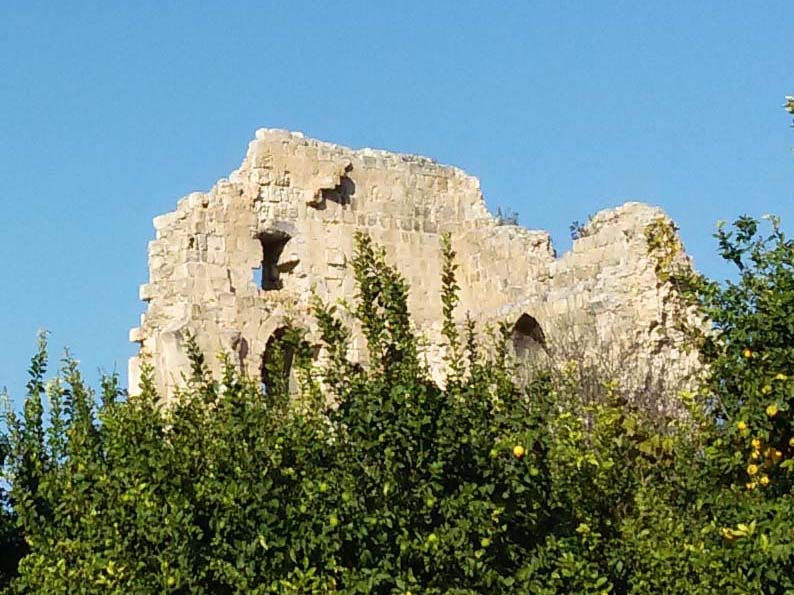
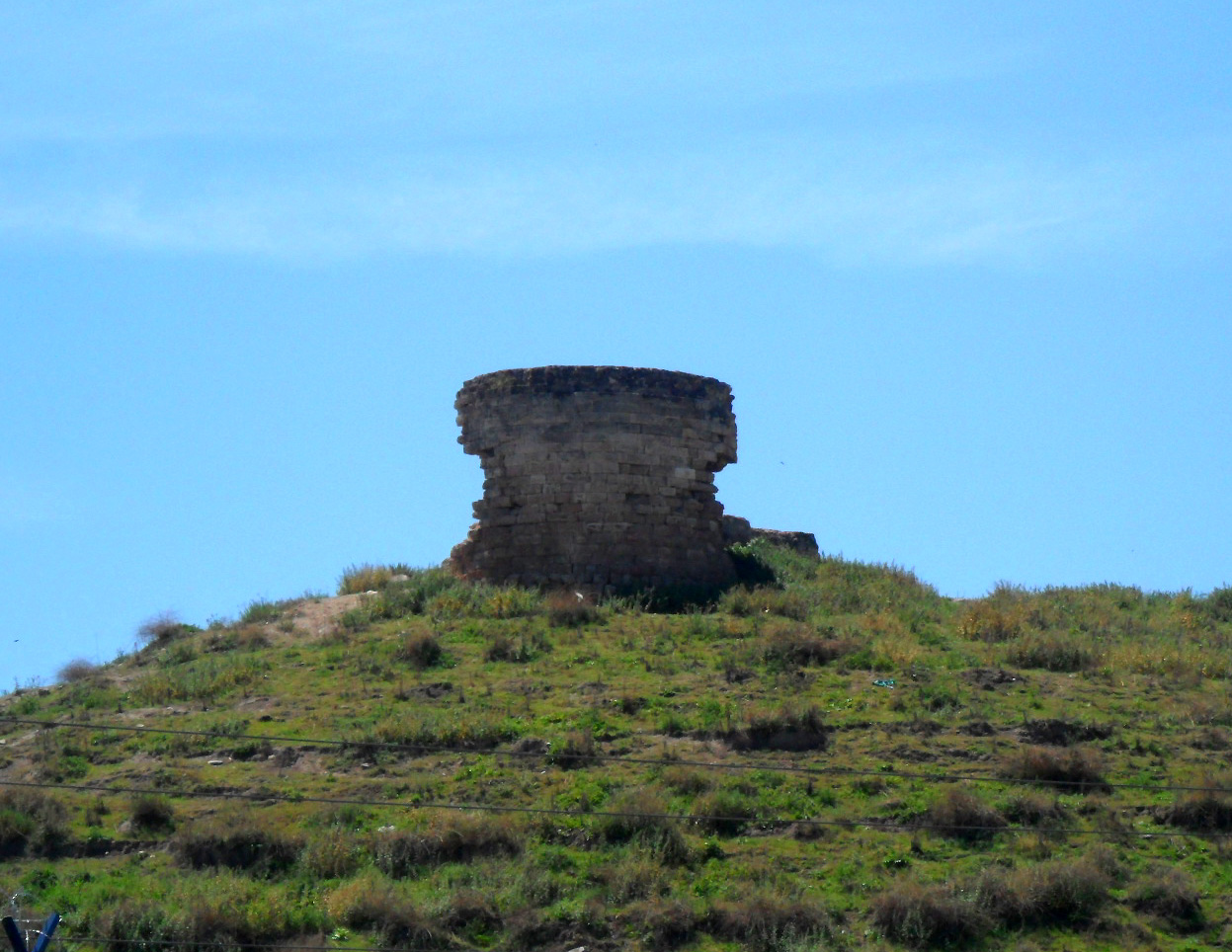
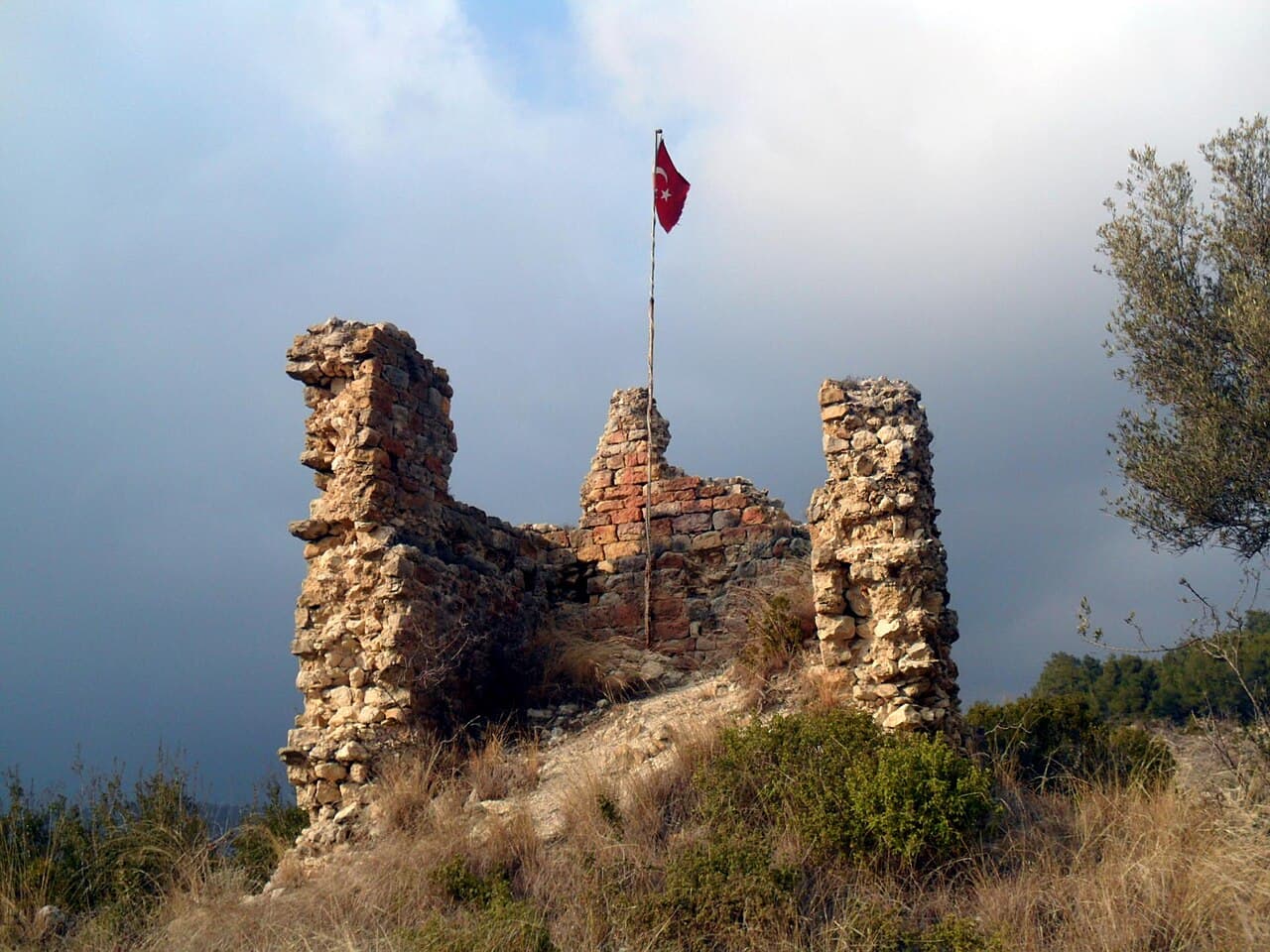
Today, Cemilli Castle remains largely in ruins, with only fragments of its original structures visible. The most prominent surviving feature is a ruined tower situated at the highest point of the site, which would have served as a lookout and last line of defense. Sections of the circuit wall remain on the eastern side, illustrating the castle's defensive perimeter.

The castle's construction techniques and materials reflect typical Byzantine military architecture, adapted to the rugged terrain. The use of natural rock formations as part of the defensive system is evident, particularly on the cliff-protected western flank.

Access and visitor information

Cemilli Castle is accessible to visitors, although it is somewhat challenging to reach due to the lack of a clearly marked path. The site offers visitors a glimpse into the military architecture of the High Medieval period in Cilicia and provides commanding views of the surrounding landscape.

Despite its ruined state, the castle's location and remnants make it a noteworthy destination for those interested in Byzantine and medieval fortifications in Turkey. Visitors should be prepared for a rugged approach and bring appropriate footwear and supplies.

Cemilli castle in the broader context of cilician fortifications

Cilicia was a frontier zone contested by various powers during the medieval period, including Byzantines, Armenians, Seljuks, and later the Ottomans. Cemilli Castle is one of many fortifications in this region that illustrate the complex military and political history of the area. Its Byzantine origins and subsequent use by Muslim conquerors reflect the shifting control of Cilicia over several centuries.

The castle's modest size and limited surviving structures suggest it functioned more as a watchtower or small fortress rather than a large stronghold. Nevertheless, it played a role in controlling local routes and providing early warning of approaching forces.

Frequently asked questions (FAQ)

How do I reach Cemilli Castle?
Cemilli Castle is located east of Fındıkpınarı Cd. in Mersin province, Turkey. The site is accessible but there is no clear marked path, so visitors should be prepared for a rugged hike and wear appropriate footwear.
What is the historical significance of Cemilli Castle?
Cemilli Castle likely dates back to the 11th century Byzantine period and was used to control a strategic route from the Taurus Mountains to the Mediterranean coast. It reflects the military history of the Cilicia region through Byzantine, Seljuk, and Ottoman periods.
What remains can be seen at Cemilli Castle today?
Visitors can see the ruins of a tower at the highest point of the castle and parts of the eastern circuit wall. The western side is protected by a natural vertical cliff, so fortifications there are absent.
Is Cemilli Castle suitable for casual visitors?
Due to the lack of clear paths and the castle's rugged terrain, it is better suited for visitors comfortable with hiking and exploring ruins rather than casual tourists.
When is the best time to visit Cemilli Castle?
The best time to visit is during the spring and autumn months when the weather is mild. Summers can be hot and winters may be wet and chilly, making the hike more difficult.

Photo gallery

Cemilli Castle
Click to view

Photo by Nedim Ardoğa•CC BY-SA 3.0

1 photo • Click any image to view in full screen

Information

Hill Castle

Address

East of Fındıkpınarı Cd., Turkey

Loading map...

Visitor reviews

No reviews yet. Been here? Write the first review and help other travelers!

Write the first review

Visited this castle? Share your experience

Your review helps other travelers and adds first-hand knowledge to our encyclopedia.

Write a review

(5/5)

0/2000 characters

Your review will be visible after admin approval

Nearby castles

4.6 km

Kuzucubelen Castle

West of Fındıkpınarı Cd., Turkey

Kuzucubelen Castle, also known locally as Kuzucubelen Kalesi and occasionally referred to as Taş Kale, is a medieval fortress located west of Fındıkpınarı Cd. in Mersin Province, Turkey. This castle stands on an elevated plateau overlooking the village of Kuzucubelen, strategically positioned to oversee the surrounding landscape. Its location in the historic region of Cilicia places it within a significant medieval geopolitical context, as Cilicia was the seat of an Armenian kingdom from the late 11th century through the late 14th century. Historical context and significance The castle’s origins are tied to the Armenian Kingdom of Cilicia, a vital Christian stronghold in the medieval Near East that played a key role in regional politics and trade. Although the original medieval name of Kuzucubelen Castle is unknown, architectural studies date its construction to the High Medieval period, specifically during the reign of the Hethumid dynasty between 1226 and 1341. This dynasty was instrumental in fortifying the kingdom’s defenses against both Muslim and Crusader forces. Kuzucubelen was not a large fortress or royal residence but functioned primarily as a military watch post. Its main purpose was to guard a critical north-south route connecting the Taurus Mountains near Arslanköy with the Mediterranean coast. This route was essential for controlling trade and military movements, making the castle a key element in the kingdom’s defensive network. Architectural features and layout The castle’s design reflects its military function rather than residential comfort. It is a relatively small structure, built primarily from local stone, which contributes to its durability despite centuries of exposure to the elements. The walls are thick and robust, designed to withstand attacks and provide a secure vantage point for observation. The elevated position on a plateau allowed defenders to monitor the surrounding terrain extensively. Although much of the castle is now in ruins, the remnants of its defensive walls and towers are still visible. The absence of elaborate residential quarters or extensive internal buildings supports the interpretation of Kuzucubelen as a passive fortification rather than an active garrison or noble residence. Current condition and visitor information Today, Kuzucubelen Castle is classified as a ruin but remains accessible to visitors. It is situated amidst farmland, requiring a short walk through agricultural fields to reach the site. Despite its modest size and ruined state, the castle offers a tangible connection to the medieval Armenian presence in Cilicia and provides panoramic views of the surrounding landscape. Visitors interested in medieval military architecture or Armenian history will find Kuzucubelen a worthwhile destination. Its relatively untouched condition allows for an authentic experience of a High Medieval watch post. However, there are no visitor facilities or guided tours on-site, so preparation and self-guided exploration are recommended. Legacy and cultural importance Kuzucubelen Castle exemplifies the network of fortifications that the Armenian Kingdom of Cilicia established to maintain control over vital trade routes and defend against external threats. While it lacks the grandeur of larger castles, its strategic role highlights the military and political challenges of the region during the 13th and 14th centuries. The castle contributes to the understanding of Armenian medieval architecture and military strategy, showcasing how smaller fortifications complemented larger citadels and castles in the kingdom. Its preservation as a ruin allows historians and archaeologists to study construction techniques and defensive planning typical of the period.

High Medieval (11th–13th c.)
Details
9.3 km
Tece Castle — Turkey castle

Tece Castle

East of Doğlu Cd, Turkey

Tece Castle, locally known as Tece Kalesi, is a medieval fortress ruin located near the hamlet of Seymenli in the province of Mersin, southern Turkey. Positioned in the historical region of Cilicia, this castle stands as a testament to the complex political and military history of the area during the High Medieval period. The region of Cilicia was notable for its Armenian Kingdom, which existed from the late 11th century until the late 14th century. This kingdom played a significant role during the era of the Crusades, serving as a frontier zone between various powers including the Byzantine Empire, Seljuk Turks, and Crusader states. Although the original medieval name of Tece Castle remains unknown, its architectural features and historical context suggest it was constructed as a fortified estate or garrison fortification. Historical context and strategic importance Tece Castle was likely built in the 13th century by Armenian masons under the direction of the Knights Hospitaller, a military order active during the Crusades. The castle probably functioned as a fief granted by the Armenian Kingdom of Cilicia to the Latins, serving both military and administrative purposes. The fortress's primary role was to secure the surrounding district, offering protection to the local baron and his garrison. It also guarded a strategic coastal road and possibly a crossing over a nearby stream, which were vital for controlling movement and trade along the Mediterranean coast. Additionally, Tece Castle provided refuge for local tenants during times of conflict or raids. Architectural features and layout The surviving remains of Tece Castle include a ruined keep and fragments of a surrounding rectangular circuit wall. The keep would have served as the main stronghold and residence within the castle, designed to withstand sieges and provide a defensible position. The circuit wall enclosed the castle grounds, offering protection against attackers and delineating the fortified area. The castle's construction reflects typical Armenian medieval military architecture, characterized by robust stone masonry and functional defensive elements. Although much of the structure is now in ruins, the layout suggests a focus on both defense and habitation, suitable for a garrison fort or fortified estate house. Location and environment Tece Castle is situated east of Doğlu Cd, amidst agricultural land dominated by citrus groves. The site is somewhat overgrown, which can make access challenging, but it is freely open to visitors. Its rural setting preserves the castle's historical ambiance, offering insight into the landscape that shaped its strategic value. Preservation and current status Today, Tece Castle remains in a state of ruins, classified as an archaeological site. While the keep and circuit wall are partially discernible, much of the original structure has been lost to time and natural decay. Despite this, the castle is an important cultural heritage site reflecting the medieval history of Cilicia and the Armenian Kingdom's interactions with Crusader states. Visitors to the site can explore the remnants of the fortification and imagine its role in medieval military and feudal systems. The castle's remote location and overgrowth contribute to a sense of discovery for those interested in medieval architecture and history. Significance in medieval Cilicia Tece Castle exemplifies the network of fortifications that dotted the Armenian Kingdom of Cilicia, which was a key player in the geopolitics of the Eastern Mediterranean during the High Medieval era. These castles were essential for controlling territory, protecting trade routes, and supporting military orders like the Knights Hospitaller. The castle's association with the Knights Hospitaller highlights the cooperation between Armenian rulers and Crusader military orders, which shaped the region's defense and political alliances. Architectural legacy The masonry techniques and castle design at Tece reflect the blend of Armenian and Crusader influences typical of Cilician fortifications. This hybrid style is valuable for understanding medieval military architecture in a frontier zone where cultural and political boundaries overlapped. Visiting information Tece Castle is accessible to the public without an entrance fee. However, visitors should be prepared for a somewhat challenging approach through agricultural fields and overgrown paths. The site lacks extensive visitor facilities, so appropriate footwear and caution are advised. Exploring Tece offers a unique opportunity to connect with the medieval history of southern Turkey and appreciate the remains of a castle that once played a strategic role in the Crusader and Armenian frontier.

High Medieval (11th–13th c.)
Details
18.8 km
Tumil Castle — Turkey castle

Tumil Castle

Mersin, Turkey

Tumil Castle, known locally as Tumil Kalesi, is a significant medieval fortress located on Tırmıl Tepe, a hill within the city of Mersin in southern Turkey. Nestled in the historic region of Cilicia, this castle occupies a strategic position that once formed part of the Armenian Kingdom of Cilicia, a realm that flourished from the late 11th century until the late 14th century. Although the original medieval name and detailed historical records of the castle remain unknown, its Turkish name likely derives from the hill’s resemblance to a tumulus, a type of ancient burial mound common in the area. Historical context and significance The area of Cilicia was a crossroads of various cultures and powers during the High Medieval period. The Armenian Kingdom of Cilicia was established by Armenian refugees fleeing the Seljuk invasions and became an important ally of the Crusader states. Tumil Castle is thought to have been constructed or significantly developed in the 13th century, during a time when the Crusades influenced military architecture and political alliances in the region. Based on architectural analysis, Tumil Castle was likely a fiefdom granted by the Armenian rulers to the Knights Hospitaller, a military order active in the Crusades. This connection is supported by the castle’s unique design, which includes a square plan with four round corner towers. This layout is characteristic of Crusader fortifications and is notably distinct from traditional Armenian military architecture, which rarely employed this form. Tumil shares this architectural style with nearby castles such as Karafrenk, Kütüklü, and Yaka Castle. Architectural features and layout The castle’s square plan and round corner towers reflect a strategic design intended to maximize defensive capabilities and provide overlapping fields of fire. This configuration allowed defenders to protect all sides of the fortress effectively. The presence of these towers suggests the castle was built with both military defense and control of the surrounding landscape in mind. Tumil Castle’s location on a hilltop provided natural defensive advantages, including visibility over the surrounding terrain. It is believed that the castle had intervisibility with nearby fortifications such as Yaka Castle to the northeast and Hebilli Castle to the north. This network of castles would have facilitated communication and coordinated defense across the region. While much of the original structure has not survived intact, the remaining architectural elements offer valuable insights into the military strategies and cultural influences of the time. The castle’s construction techniques and materials are consistent with other fortifications built during the Crusader period in Cilicia. Current condition and visitor experience Today, Tumil Castle stands as a partially preserved ruin accessible to the public. Visitors can explore the site freely, although the castle is situated within a somewhat industrialized area that has affected the surrounding environment. The presence of local wildlife, including Kangal dogs, adds to the site’s rustic atmosphere. Despite its location and condition, Tumil Castle remains an important cultural and historical landmark in Mersin. It offers a tangible connection to the region’s medieval past and the complex interplay of Armenian and Crusader influences in Cilicia. The castle’s ruins provide an evocative glimpse into the military architecture of the High Medieval period and the legacy of the Knights Hospitaller in this part of Turkey. Related archaeological features The hill on which Tumil Castle is built, known as Tırmıl Höyük, is itself an archaeological mound or tumulus. Such mounds are common throughout Turkey and often contain layers of historical settlement. While Tumil Castle represents the medieval phase of occupation, the höyük may hold traces of earlier human activity, reflecting the long history of human habitation in the Mersin region. Archaeological investigations in the area have the potential to reveal more about the castle’s origins, its role within the Armenian Kingdom of Cilicia, and the broader historical landscape of the region. Preservation efforts and further research could enhance understanding of this site’s significance.

High Medieval (11th–13th c.)
Details