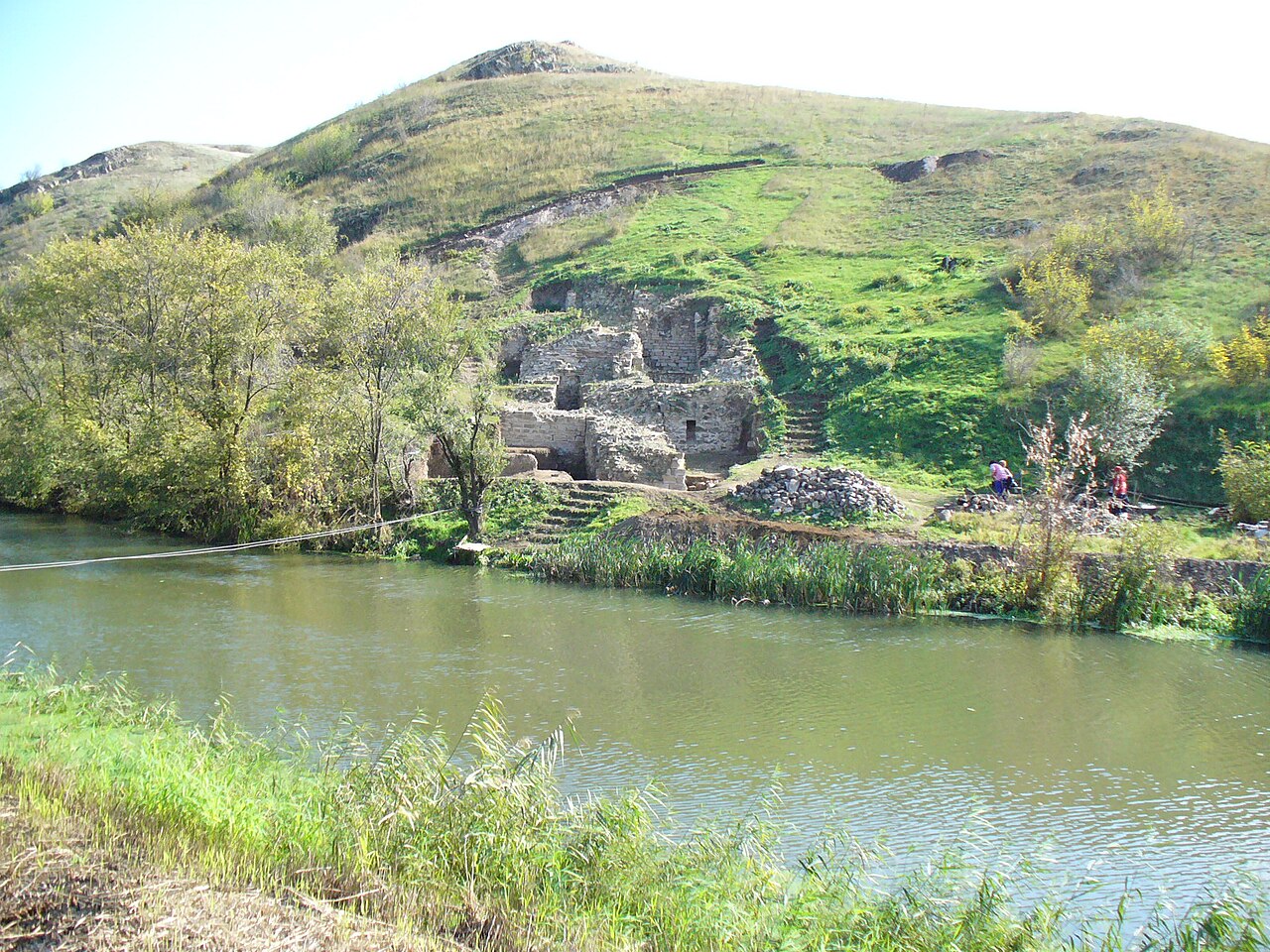
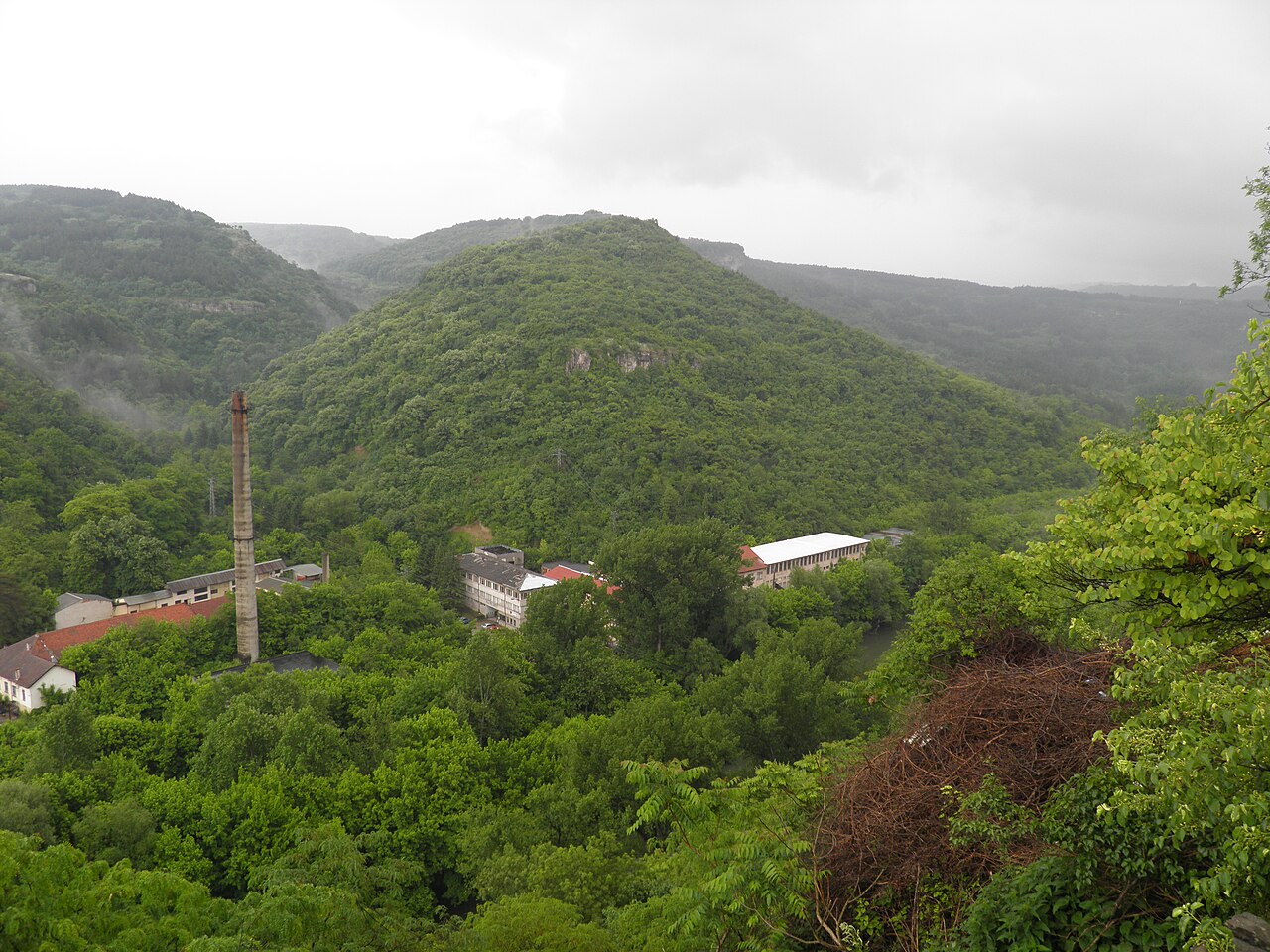
Tuida Castle is a significant early Byzantine and medieval fortress located on the hill of Hisarlaka in the northeastern part of Sliven, Bulgaria. This strategic location offers commanding views of the Sinite kamani mountain range and the city below, underscoring its military importance throughout history. The castle forms part of an extensive mountain fortification system that played a crucial role in the defense of the Roman Empire, the early Byzantine Empire, and later the medieval Bulgarian state.
Originally constructed in the 4th century AD, Tuida Castle was designed as a fortified stronghold to guard vital routes and territories in the region. Its construction reflects the military architectural principles of the late Roman period, emphasizing robust defensive walls and strategic positioning on elevated terrain. The fortress remained in active use until the 13th century, adapting through various historical periods marked by shifting political and military dynamics.
Historical significance and development
The fortress of Tuida emerged during a time when the Roman Empire was fortifying its frontiers against increasing threats from migrating tribes and internal unrest. Its position on Hisarlaka hill allowed for surveillance and control over the surrounding landscape, making it a linchpin in the defense network protecting the empire's Balkan provinces.
During the early Byzantine period, Tuida continued to serve as a military bastion. The Byzantine administration reinforced the fortress to withstand sieges and raids, reflecting the empire's efforts to maintain control over its European territories amidst the rise of new powers and incursions by Slavic and Bulgar groups.
In the medieval era, Tuida Castle became an integral part of the Bulgarian state's defensive system. It witnessed numerous historical events, including military campaigns and territorial disputes, as the Bulgarian rulers sought to consolidate and defend their lands. The castle's fortifications were likely modified and expanded to meet evolving military technologies and tactics.
Architectural features and layout
Tuida Castle's remains reveal a complex fortress layout typical of late Roman and early medieval military architecture. The walls were constructed using large stone blocks, designed to resist attacks and provide a strong defensive perimeter. The fortress included multiple towers positioned to cover all approaches, enhancing its defensive capabilities.
The castle's design incorporated a central courtyard, surrounded by the defensive walls and towers, which would have housed essential facilities such as barracks, storage rooms, and command centers. The elevated location not only offered natural defense but also facilitated communication via signal fires or other means with nearby fortifications in the mountain system.
Archaeological excavations have uncovered remnants of gates, walls, and towers, providing insight into the construction techniques and strategic planning of the fortress. These findings highlight the castle's role as a military hub and its adaptation over centuries to meet the demands of defense and control.
Preservation and cultural importance
Today, the ruins of Tuida Castle stand as a testament to the region's layered history, attracting visitors and scholars interested in Byzantine and medieval fortifications. The site offers panoramic views and a tangible connection to the past, illustrating the military and political significance of the fortress.
Efforts to preserve and study Tuida Castle contribute to understanding the broader historical context of Balkan fortifications and the interplay between Roman, Byzantine, and Bulgarian influences. The castle is recognized as an important cultural heritage site within Bulgaria, reflecting centuries of historical transformation and architectural evolution.
Visiting Tuida Castle
Visitors to Tuida Castle can explore the hill of Hisarlaka, where the fortress ruins provide a glimpse into early medieval military architecture. The site is accessible from Sliven and offers walking trails that lead to the castle remains. Interpretive signs and local guides help contextualize the fortress's history and significance.
The castle's elevated position makes it a favored spot for sightseeing, combining natural beauty with historical intrigue. It is recommended to wear appropriate footwear for the uneven terrain and to visit during daylight hours to fully appreciate the views and the archaeological remains.
Information
Loading map...
Visitor reviews
No reviews yet. Been here? Write the first review and help other travelers!
Write the first reviewVisited this castle? Share your experience
Your review helps other travelers and adds first-hand knowledge to our encyclopedia.