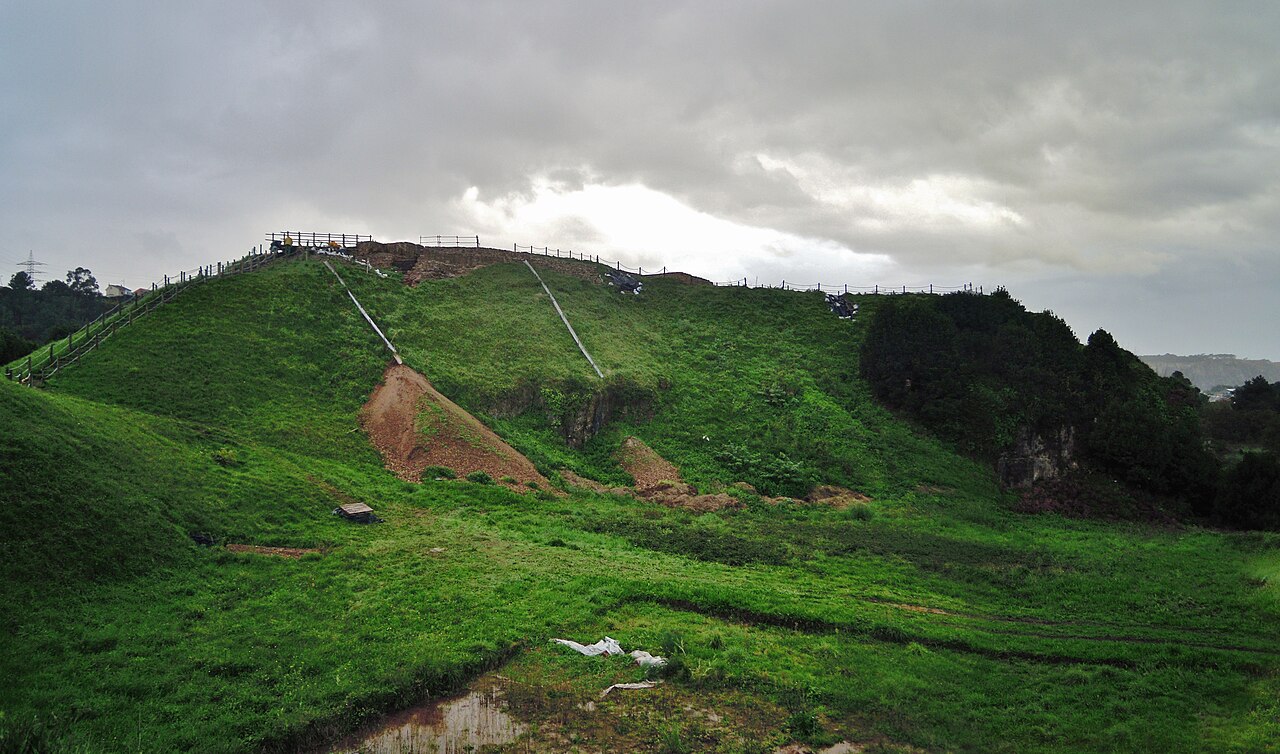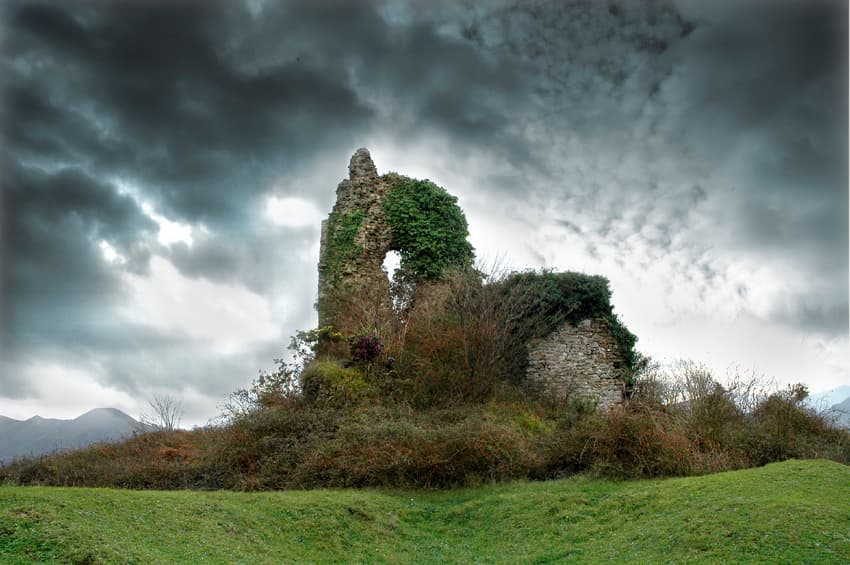
Tudela Castle — Spain castle

Tudela Castle

Tudela Castle in Santianes, Spain
Santianes, Spain
Early Medieval (5th–10th c.)
Ruins

Tudela Castle is a historic fortress located in Santianes, Spain, notable for its origins dating back to the 9th century. Constructed on the remains of a Roman fortification, the castle represents a significant example of early medieval military architecture in the region. Although largely demolished in 1383, the surviving portions of the castle provide valuable insight into the defensive strategies and architectural styles of the period.

Historical background and origins

The site of Tudela Castle was originally occupied by a Roman fort, reflecting the strategic importance of the location in controlling local routes and territory. In the 9th century, during the early medieval period, the castle was constructed atop these Roman ruins, incorporating elements of the earlier fortifications. This transition from Roman to medieval defenses illustrates the continuity of military significance at Tudela.

The castle played a role in the complex political and military landscape of medieval Spain, particularly during the Reconquista, when Christian and Muslim forces vied for control of the Iberian Peninsula. Although specific historical records about Tudela Castle’s role in these conflicts are limited, its demolition in 1383 suggests it was involved in the turbulent events of the late 14th century.

Architectural features and layout

Today, Tudela Castle exists primarily as archaeological ruins. The remaining structures include portions of the towers and walls, which provide clues about the castle’s original defensive design. The castle was likely a hill castle or a fortification situated to maximize natural defensive advantages, although the exact classification is uncertain due to the limited remains.

The surviving walls reveal construction techniques typical of the early medieval period, combining reused Roman masonry with medieval stonework. The towers would have served as lookout points and defensive strongholds, essential for monitoring the surrounding landscape and deterring attackers.

Destruction and current condition

Tudela Castle was demolished in 1383, leaving only fragments of its once formidable structure. The reasons for its demolition are not fully documented, but it likely resulted from military conflict or political decisions during the late medieval period. Today, the castle is classified as archaeological ruins, with only partial walls and tower bases remaining.

The site is of interest to historians and archaeologists studying early medieval fortifications in northern Spain. Preservation efforts focus on maintaining the visible ruins and preventing further deterioration, allowing visitors to appreciate the castle’s historical context and architectural legacy.

Visiting Tudela Castle

Although Tudela Castle is in a ruined state, it remains accessible to visitors interested in medieval history and archaeology. The site offers a tangible connection to the early medieval period and the Roman heritage that preceded it. Visitors can explore the remaining walls and towers, gaining an understanding of the castle’s strategic location and construction.

Information about guided tours, visiting hours, and facilities may be limited due to the castle’s archaeological nature. Visitors are advised to check local resources for the latest details before planning a visit.

Frequently asked questions (FAQ)

How do I get to Tudela Castle?
Tudela Castle is located in Santianes, Spain, easily accessible by car or public transport. The closest major city is Oviedo, from where you can take a bus or drive approximately 30 minutes to reach the castle.
What is the historical significance of Tudela Castle?
Tudela Castle dates back to the medieval period and played a crucial role in the defense of the region during various conflicts. Its strategic location made it an important stronghold, reflecting the historical power struggles in northern Spain.
When was Tudela Castle built?
Tudela Castle was constructed in the 12th century, during a time when many fortifications were erected across Spain. Its architecture showcases the military styles of the period, particularly in its robust walls and defensive structures.
Can I visit Tudela Castle year-round?
Yes, Tudela Castle is open to visitors throughout the year. However, specific opening hours may vary by season, so it’s advisable to check in advance before planning your visit.
Why is Tudela Castle considered an architectural gem?
Tudela Castle features remarkable medieval architecture, including well-preserved stone walls and towers that offer a glimpse into its historical past. The blend of military and residential elements makes it a unique example of 12th-century fortifications.
Is it possible to access the castle grounds with a wheelchair?
While Tudela Castle strives to accommodate all visitors, some areas may be challenging for wheelchair users due to the terrain and historical structure. It is recommended to contact the castle administration for specific accessibility options before your visit.
What is the best time to visit Tudela Castle?
The best time to visit Tudela Castle is during the spring and early fall when the weather is mild and pleasant. This allows for an enjoyable exploration of the castle and its surroundings without the summer crowds.
Are there any nearby attractions to explore?
Yes, near Tudela Castle, you can visit the charming village of Santianes, which offers picturesque views and local cuisine. Additionally, the surrounding natural parks provide opportunities for hiking and experiencing the region's beautiful landscapes.
What are the ticket prices for Tudela Castle?
Ticket prices for Tudela Castle are generally affordable, with discounts available for students and seniors. It’s advisable to check the official website or contact the castle for the most current pricing and any special offers.
What are the opening hours of Tudela Castle?
Tudela Castle typically opens at 10 AM and closes at 6 PM, with extended hours during the summer months. Always double-check the opening hours before your visit, as they may change based on the season or special events.

Photo gallery

Tudela Castle
Click to view

Photo by Urbano Suárez•CC BY-SA 3.0

1 photo • Click any image to view in full screen

Information

Archaeological Site / Ruins

Loading map...

Visitor reviews

No reviews yet. Been here? Write the first review and help other travelers!

Write the first review

Visited this castle? Share your experience

Your review helps other travelers and adds first-hand knowledge to our encyclopedia.
Write a review

(5/5)

0/2000 characters

Your review will be visible after admin approval

Nearby castles

20.7 km
Castle of Soto — Spain castle

Castle of Soto

Aller, Spain

The Castle of Soto stands as a prominent hill castle nestled in the municipality of Aller, within the autonomous community of Asturias, Spain. Its origins date back to the 12th century, when it was initially constructed by influential local noble families. This early medieval fortress was strategically positioned to oversee and control the surrounding territory, reflecting the feudal dynamics and territorial conflicts characteristic of the period. Throughout its history, the castle became closely associated with the García de Soto family, a noble lineage that played a significant role in shaping the political and social landscape of the region. The family's stewardship of the castle marked it as a center of power and influence within Asturias, serving both as a defensive stronghold and a symbol of noble authority. Medieval reconstruction and architectural features During the 14th century, the Castle of Soto underwent extensive reconstruction to enhance its defensive capabilities and accommodate the evolving needs of a noble residence. This transformation was driven by the turbulent nature of medieval Asturias, where the castle needed to withstand military threats while providing comfortable living quarters for its inhabitants. The architectural style of the castle from this period exhibits characteristics typical of late medieval fortifications combined with residential elements. The structure features thick stone walls designed to resist siege weaponry and rounded cylindrical towers that provided strategic vantage points for surveillance and defense. These towers, rising robustly from the curtain walls, allowed defenders to monitor the surrounding landscape and repel attackers effectively. The castle's design reflects a blend of military pragmatism and noble domesticity, with fortified walls enclosing living spaces that balanced protection with habitability. This dual function underscores the castle's role as both a bastion of defense and a noble domicile, illustrating the complex demands placed on medieval fortresses in volatile regions. Historical significance and notable figures A notable chapter in the castle's history involves Urraca the Asturian, the illegitimate daughter of King Alfonso VII of León and Castile. Urraca was married to King Garcia Ramirez of Pamplona and was granted the title of Queen of Asturias, a position that reflected the complex feudal allegiances and political maneuverings of the time. Her residency at the castle symbolizes the site's importance as a seat of regional power and influence. Urraca's tenure was marked by efforts among local nobles to assert greater autonomy from the Kingdom of León, a struggle that ultimately led to the loss of her royal title. This period highlights the castle's role in the broader political conflicts of medieval Iberia, where noble families and monarchs vied for control and legitimacy. The castle during the spanish war of independence Centuries later, the Castle of Soto played a strategic role during the Spanish War of Independence in the early 19th century. It served as a refuge and operational base for guerrilla fighters resisting the Napoleonic invasion forces. The castle's fortified position and remote location made it an ideal stronghold for irregular troops engaged in asymmetric warfare against the French occupation. Following the war, the castle gradually fell into neglect, as changing military technologies and political circumstances rendered such medieval fortresses obsolete. Over the 19th and 20th centuries, the structure deteriorated significantly, leading to its current state of ruin prior to recent conservation efforts. Preservation and restoration efforts Recognizing its cultural and historical importance, the Castle of Soto was declared a Bien de Interés Cultural on 10 July 1975, granting it protected status as a cultural heritage monument. This designation underscored the castle's value as a tangible link to Asturias' medieval past and its architectural heritage. From April to August 2022, major restoration works were undertaken to stabilize the remaining structures and prevent further deterioration. These conservation efforts focused on reinforcing the thick stone walls and cylindrical towers, preserving their historical authenticity while ensuring safety for visitors. The restoration has allowed the castle to continue standing as a visible emblem of Asturias' layered history. Architectural remains and current condition The surviving remains of the Castle of Soto primarily reflect the 14th-century reconstruction phase. The castle's fortified walls and rounded towers remain the most prominent features, showcasing the defensive priorities of the late medieval period. These elements demonstrate the use of robust masonry techniques and strategic design to withstand sieges and attacks. The castle's layout includes a central courtyard enclosed by defensive walls, with access controlled through fortified gates. The cylindrical towers provided overlapping fields of fire, a common feature in medieval military architecture aimed at eliminating blind spots and enhancing defense. Before the recent restoration, the castle was in a fragile state, with many sections at risk of collapse. The conservation work has successfully stabilized the ruins, allowing visitors to appreciate the castle's historical and architectural significance while ensuring its preservation for future generations. Cultural and heritage importance Today, the Castle of Soto is not only a monument of medieval military architecture but also a symbol of Asturias' rich historical narrative. It attracts scholars, historians, and tourists interested in exploring Spain's feudal past and the architectural evolution of hill castles. The site offers insights into the complex interplay between noble power, military strategy, and regional identity in medieval Iberia. The castle's enduring presence in the landscape of Soto de Aller serves as a reminder of the region's turbulent history and the resilience of its cultural heritage. Its designation as a protected monument ensures ongoing efforts to maintain and promote this historic site as an educational resource and tourist destination.

Late Medieval (14th–15th c.)
Details
32 km
Castillo de Gauzón — Spain castle

Castillo de Gauzón

Castrillón, Spain

Castillo de Gauzón stands as a significant early medieval fortress located on the Peñón de Raíces promontory in Castrillón, Principality of Asturias, Spain. This strategic position allowed it to dominate the Avilés estuary and the surrounding coastline, which in earlier times extended to the foot of the promontory, with tides revealing extensive dunes and marshes. The castle's remains today are classified as archaeological ruins, reflecting centuries of historical transformations and partial destruction, including the removal of many of its stones by local inhabitants for construction purposes.The fortress holds a special place in the history of Asturias as the site where the Cross of Victory, a revered symbol of the kingdom, was encrusted with precious stones. Initial archaeological interest began in the 1970s, led by Vicente José González García, with more systematic excavation projects commencing in 2007. Among the most remarkable finds is a 9th-century gold Visigothic coin minted under King Recaredo I, discovered in 2013. The coin, bearing a hole suggesting it was worn as a pendant, is now exhibited at the Archaeological Museum of Asturias.The late antique settlement: origins of the Kingdom of AsturiasExcavations have revealed that the site of Castillo de Gauzón was originally occupied by a settlement dating from the 6th to 8th centuries AD. Stone and lime mortar walls, along with other occupation evidence, indicate the presence of a community linked to a powerful social class. This settlement likely played a crucial role in the early formation of the Kingdom of Asturias, providing a foundation for the later fortress.Transformation into a royal fortress (8th–10th centuries)During the 8th and 9th centuries, the kings of Asturias undertook significant architectural developments at the site, transforming it from a settlement into a monumental fortress. The construction featured complex foundations reinforced with wooden beams, some dating back to the 7th century. A prominent feature from this period is the fortress's monumental gate, designed with a distinctive U-shaped floor plan and flanked by two projecting walls or arms that served to protect the entrance. This defensive design reflects the military and political importance of the fortress in the kingdom's defense and administration.The palatine complex: royal residential and religious spacesAt the heart of the fortress, a palatine area was constructed, mirroring the layout of royal palaces found at other Asturian seats of power. This complex is attributed to the reigns of Alfonso III and Queen Jimena (866–910). It included a private residential space centered around a room with a hearth, indicative of domestic use, and an adjoining chamber interpreted as a bathroom equipped with drainage channels. This level of architectural sophistication illustrates the dual military and residential function of the castle.Additionally, the fortress housed the church of San Salvador, further emphasizing its role as a royal and religious center. The integration of ecclesiastical structures within the fortress reflects the close relationship between the monarchy and the church during this period in Asturias.Archaeological significance and ongoing researchThe site of Castillo de Gauzón continues to be a focus of archaeological study. Excavations have uncovered multiple layers of occupation and construction that illuminate the development of early medieval fortifications in northern Spain. The discovery of artifacts such as the Visigothic coin provides valuable insight into the cultural and economic connections of the Asturian kingdom with earlier Iberian traditions.Restoration efforts aim to stabilize and partially reconstruct the ruins, allowing for better preservation and public access. These projects contribute to a deeper understanding of the castle's historical context and architectural evolution, offering visitors a tangible connection to the formative centuries of the Asturian monarchy.Geographical and strategic contextThe castle's location on a natural promontory overlooking the estuary provided significant defensive advantages. In the early medieval period, the proximity to the sea allowed for control over maritime routes and facilitated communication and trade. The surrounding landscape, including dunes and marshes exposed at low tide, added natural barriers against potential attackers.Such a commanding position underscores the importance of Castillo de Gauzón not only as a military stronghold but also as a symbol of royal authority and territorial control in the Principality of Asturias.

Early Medieval (5th–10th c.)
Details
33.9 km

San Martín Castle

Soto del Barco, Spain

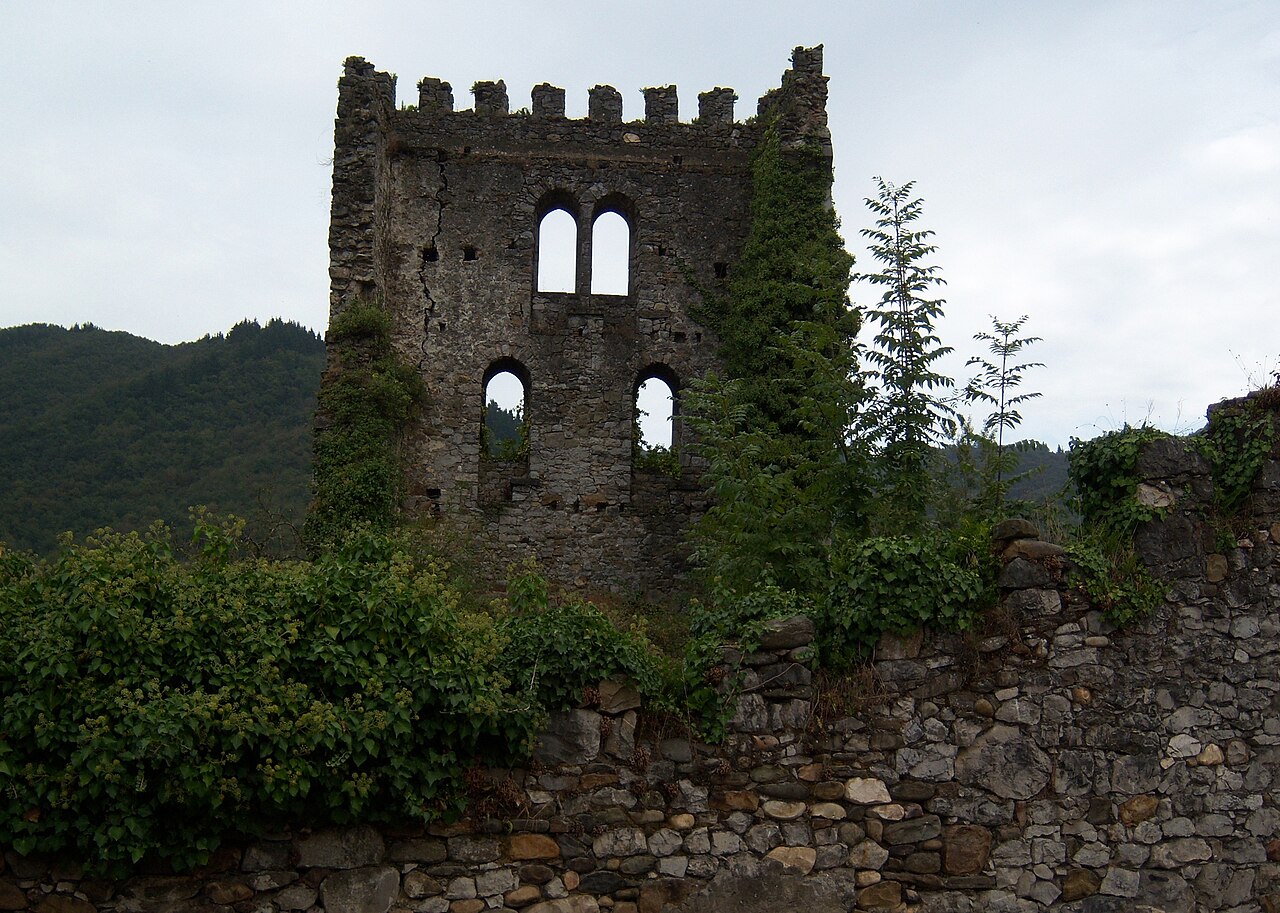
San Martín Castle, located in Soto del Barco in northern Spain, is a significant example of high medieval military architecture built upon the remains of an earlier Roman fortification. Constructed in the 11th century, the castle was strategically positioned to oversee and protect the surrounding territory, reflecting the turbulent political and military landscape of the High Middle Ages in the Iberian Peninsula. Historical origins and strategic importance The site of San Martín Castle was originally used by the Romans as a fort, a testament to its enduring strategic value. The medieval builders took advantage of this elevated and defensible position to construct a fortress that would serve both as a military stronghold and a symbol of local power. The castle's location in Asturias was crucial for controlling access routes along the coast and nearby river valleys, which were vital for trade and military movements. Architectural features and medieval construction The core of San Martín Castle is its square three-storey tower, which remains the most prominent surviving structure. This tower, typical of 11th-century military architecture, likely functioned as a keep or donjon, serving as the last line of defense and the residence of the lord or commander. The thick walls and limited openings were designed to withstand sieges and attacks. Surrounding the tower are remnants of the original curtain walls, which would have enclosed the courtyard and other auxiliary buildings. These walls were essential for defense, often featuring battlements and arrow slits to enable defenders to repel attackers effectively. 15th-century restoration and modifications In the 15th century, San Martín Castle underwent significant restoration and rebuilding efforts. This period saw the addition of new defensive features and the repair of existing structures, reflecting advancements in military technology and the need to reinforce the castle against evolving threats. The restoration helped preserve the castle's core elements, particularly the tower and walls, allowing them to survive into the modern era. 19th-century additions Besides the medieval structures, some of the buildings within the castle complex date from the 19th century. These later constructions were likely added for residential or agricultural purposes, indicating a shift from purely military use to more domestic or economic functions. Although these buildings do not share the medieval castle's defensive character, they contribute to the site's historical layering and illustrate its continuous occupation. Current condition and preservation Today, San Martín Castle is classified as partially preserved. The square tower stands prominently, offering insight into the castle's original defensive capabilities and architectural style. The surrounding walls, though incomplete, still outline the castle's footprint and provide context for its layout. Preservation efforts have focused on maintaining the structural integrity of these key elements, allowing visitors to appreciate the castle's medieval origins alongside its later historical phases. Architectural significance and cultural heritage San Martín Castle exemplifies the evolution of fortifications from the Roman period through the High Middle Ages and into the Renaissance era with its subsequent restorations. Its square keep is characteristic of early medieval defensive architecture in northern Spain, while the 15th-century modifications demonstrate the adaptation of such structures to changing military needs. The castle holds cultural importance for the region of Asturias, reflecting the area's historical role as a frontier zone during the Reconquista and later periods. It also serves as a tangible link to the past, illustrating the continuity of settlement and defense strategies over centuries. Visiting San Martín Castle Visitors to San Martín Castle can explore the remaining tower and walls, gaining a sense of the castle's imposing presence and strategic design. Although much of the original complex no longer stands, the site offers a valuable glimpse into medieval military architecture and the historical context of northern Spain. The castle's location in the scenic surroundings of Soto del Barco adds to its appeal, combining historical interest with natural beauty.

High Medieval (11th–13th c.)
Details