Castle of Soto
The Castle of Soto stands as a prominent hill castle nestled in the municipality of Aller, within the autonomous community of Asturias, Spain. Its origins date back to the 12th century, when it was initially constructed by influential local noble families. This early medieval fortress was strategically positioned to oversee and control the surrounding territory, reflecting the feudal dynamics and territorial conflicts characteristic of the period.
Throughout its history, the castle became closely associated with the García de Soto family, a noble lineage that played a significant role in shaping the political and social landscape of the region. The family's stewardship of the castle marked it as a center of power and influence within Asturias, serving both as a defensive stronghold and a symbol of noble authority.
Medieval reconstruction and architectural features
During the 14th century, the Castle of Soto underwent extensive reconstruction to enhance its defensive capabilities and accommodate the evolving needs of a noble residence. This transformation was driven by the turbulent nature of medieval Asturias, where the castle needed to withstand military threats while providing comfortable living quarters for its inhabitants.
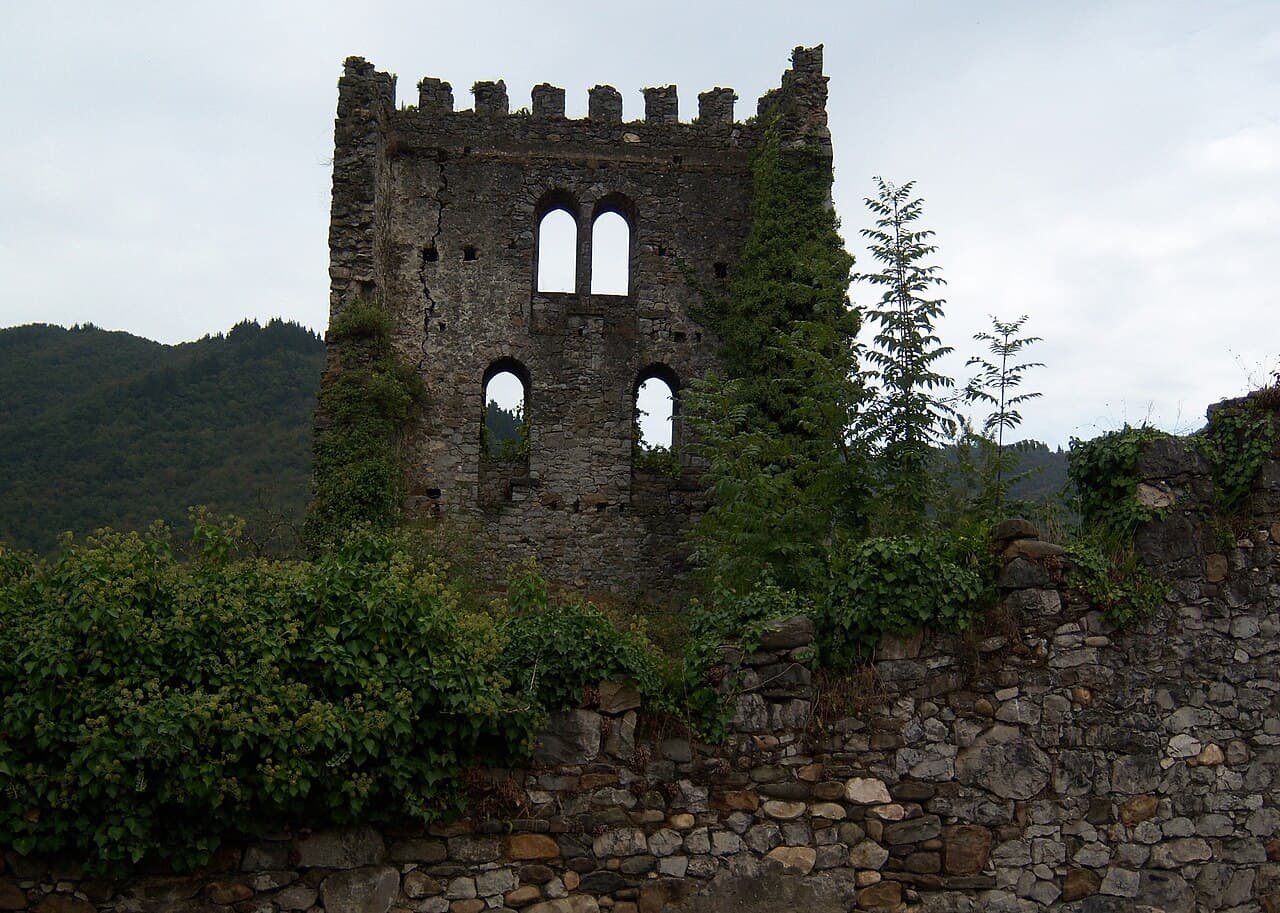
The architectural style of the castle from this period exhibits characteristics typical of late medieval fortifications combined with residential elements. The structure features thick stone walls designed to resist siege weaponry and rounded cylindrical towers that provided strategic vantage points for surveillance and defense. These towers, rising robustly from the curtain walls, allowed defenders to monitor the surrounding landscape and repel attackers effectively.
The castle's design reflects a blend of military pragmatism and noble domesticity, with fortified walls enclosing living spaces that balanced protection with habitability. This dual function underscores the castle's role as both a bastion of defense and a noble domicile, illustrating the complex demands placed on medieval fortresses in volatile regions.
Historical significance and notable figures
A notable chapter in the castle's history involves Urraca the Asturian, the illegitimate daughter of King Alfonso VII of León and Castile. Urraca was married to King Garcia Ramirez of Pamplona and was granted the title of Queen of Asturias, a position that reflected the complex feudal allegiances and political maneuverings of the time. Her residency at the castle symbolizes the site's importance as a seat of regional power and influence.
Urraca's tenure was marked by efforts among local nobles to assert greater autonomy from the Kingdom of León, a struggle that ultimately led to the loss of her royal title. This period highlights the castle's role in the broader political conflicts of medieval Iberia, where noble families and monarchs vied for control and legitimacy.
The castle during the spanish war of independence
Centuries later, the Castle of Soto played a strategic role during the Spanish War of Independence in the early 19th century. It served as a refuge and operational base for guerrilla fighters resisting the Napoleonic invasion forces. The castle's fortified position and remote location made it an ideal stronghold for irregular troops engaged in asymmetric warfare against the French occupation.
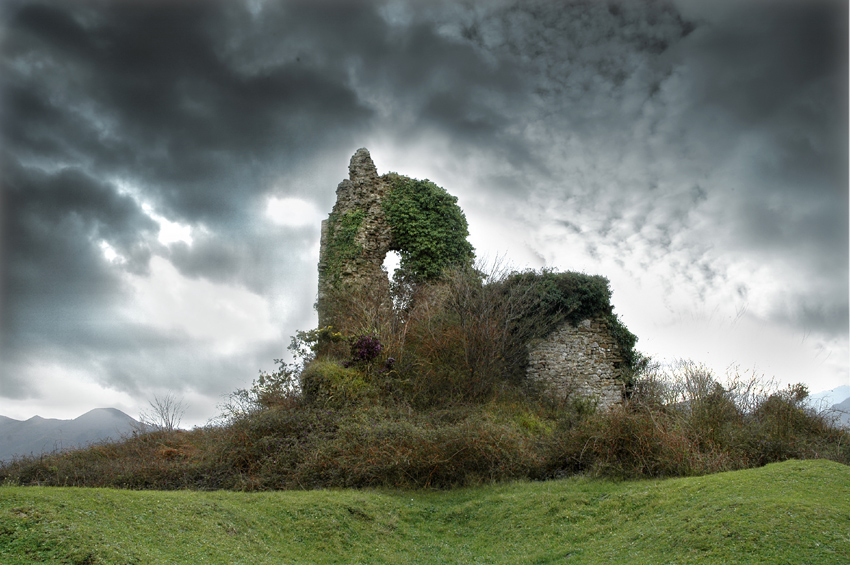
Following the war, the castle gradually fell into neglect, as changing military technologies and political circumstances rendered such medieval fortresses obsolete. Over the 19th and 20th centuries, the structure deteriorated significantly, leading to its current state of ruin prior to recent conservation efforts.
Preservation and restoration efforts
Recognizing its cultural and historical importance, the Castle of Soto was declared a Bien de Interés Cultural on 10 July 1975, granting it protected status as a cultural heritage monument. This designation underscored the castle's value as a tangible link to Asturias' medieval past and its architectural heritage.
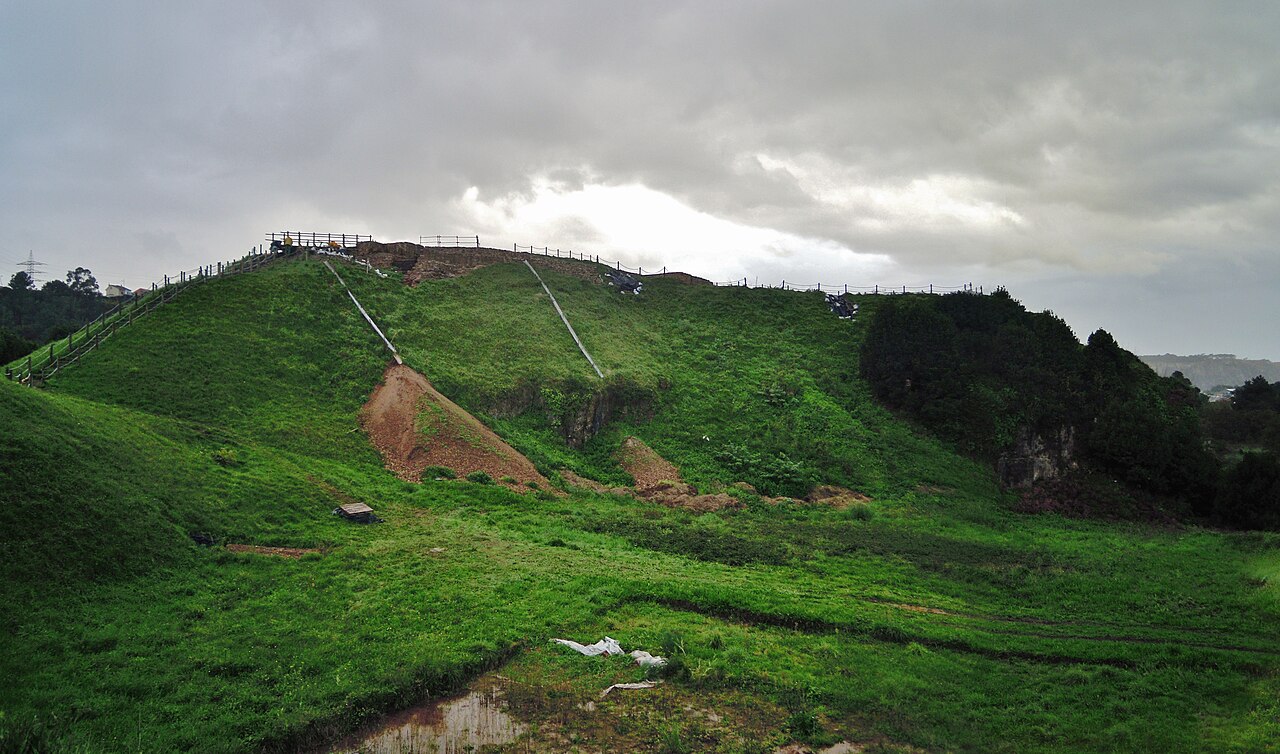
From April to August 2022, major restoration works were undertaken to stabilize the remaining structures and prevent further deterioration. These conservation efforts focused on reinforcing the thick stone walls and cylindrical towers, preserving their historical authenticity while ensuring safety for visitors. The restoration has allowed the castle to continue standing as a visible emblem of Asturias' layered history.
Architectural remains and current condition
The surviving remains of the Castle of Soto primarily reflect the 14th-century reconstruction phase. The castle's fortified walls and rounded towers remain the most prominent features, showcasing the defensive priorities of the late medieval period. These elements demonstrate the use of robust masonry techniques and strategic design to withstand sieges and attacks.
The castle's layout includes a central courtyard enclosed by defensive walls, with access controlled through fortified gates. The cylindrical towers provided overlapping fields of fire, a common feature in medieval military architecture aimed at eliminating blind spots and enhancing defense.
Before the recent restoration, the castle was in a fragile state, with many sections at risk of collapse. The conservation work has successfully stabilized the ruins, allowing visitors to appreciate the castle's historical and architectural significance while ensuring its preservation for future generations.
Cultural and heritage importance
Today, the Castle of Soto is not only a monument of medieval military architecture but also a symbol of Asturias' rich historical narrative. It attracts scholars, historians, and tourists interested in exploring Spain's feudal past and the architectural evolution of hill castles. The site offers insights into the complex interplay between noble power, military strategy, and regional identity in medieval Iberia.
The castle's enduring presence in the landscape of Soto de Aller serves as a reminder of the region's turbulent history and the resilience of its cultural heritage. Its designation as a protected monument ensures ongoing efforts to maintain and promote this historic site as an educational resource and tourist destination.
Frequently asked questions (FAQ)
- How do I get to the Castle of Soto?
- The Castle of Soto is located in the municipality of Aller, Asturias. It is accessible by local roads and is best reached by car or taxi from nearby towns. Clear signage guides visitors from Soto de Aller village to the castle ruins.
- What is the historical significance of the Castle of Soto?
- The Castle of Soto dates back to the 12th century and played a key role in medieval Asturias. It was associated with the García de Soto family and served as a noble residence and defensive fortress, including during the Spanish War of Independence.
- When was the castle last restored?
- Major restoration work was carried out in 2022 to stabilize the ruins and preserve the castle's historical features. These efforts have helped protect the site from further deterioration.
- Can I visit the castle year-round?
- Yes, the Castle of Soto is open daily from 10:00 to 18:00. Visitors can explore the ruins and enjoy the scenic surroundings throughout the year.
- Is there an entrance fee to visit the castle?
- No, entry to the Castle of Soto is free of charge, making it accessible to all visitors interested in exploring its history and architecture.
- What architectural features are notable at the Castle of Soto?
- The castle features thick stone walls, rounded cylindrical towers, and fortified gates typical of late medieval Gothic military architecture. These elements highlight its dual role as a defensive stronghold and noble residence.
Photo gallery

Information
Opening hours
10:00-18:00, daily
Ticket prices
Free
Current owner
Municipality
Loading map...
Visitor reviews
No reviews yet. Been here? Write the first review and help other travelers!
Write the first reviewVisited this castle? Share your experience
Your review helps other travelers and adds first-hand knowledge to our encyclopedia.