San Martín Castle
San Martín Castle, located in Soto del Barco in northern Spain, is a significant example of high medieval military architecture built upon the remains of an earlier Roman fortification. Constructed in the 11th century, the castle was strategically positioned to oversee and protect the surrounding territory, reflecting the turbulent political and military landscape of the High Middle Ages in the Iberian Peninsula.
Historical origins and strategic importance
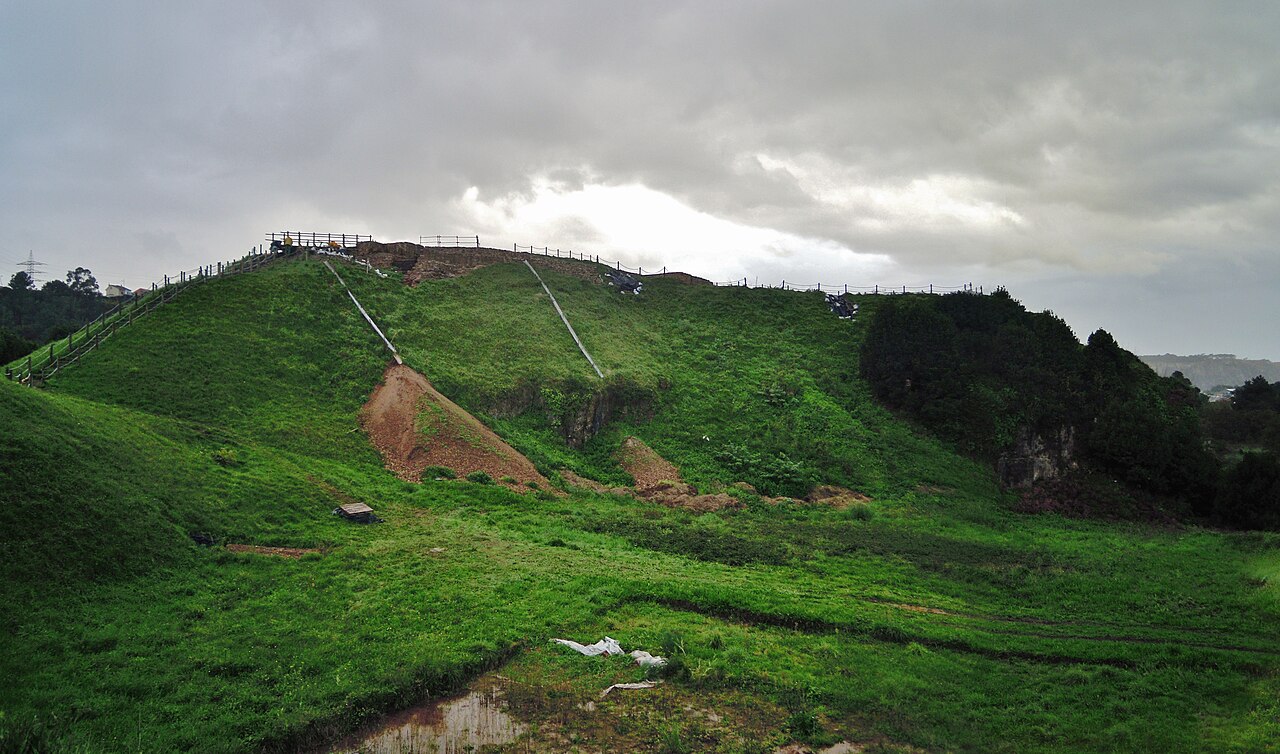
The site of San Martín Castle was originally used by the Romans as a fort, a testament to its enduring strategic value. The medieval builders took advantage of this elevated and defensible position to construct a fortress that would serve both as a military stronghold and a symbol of local power. The castle's location in Asturias was crucial for controlling access routes along the coast and nearby river valleys, which were vital for trade and military movements.
Architectural features and medieval construction
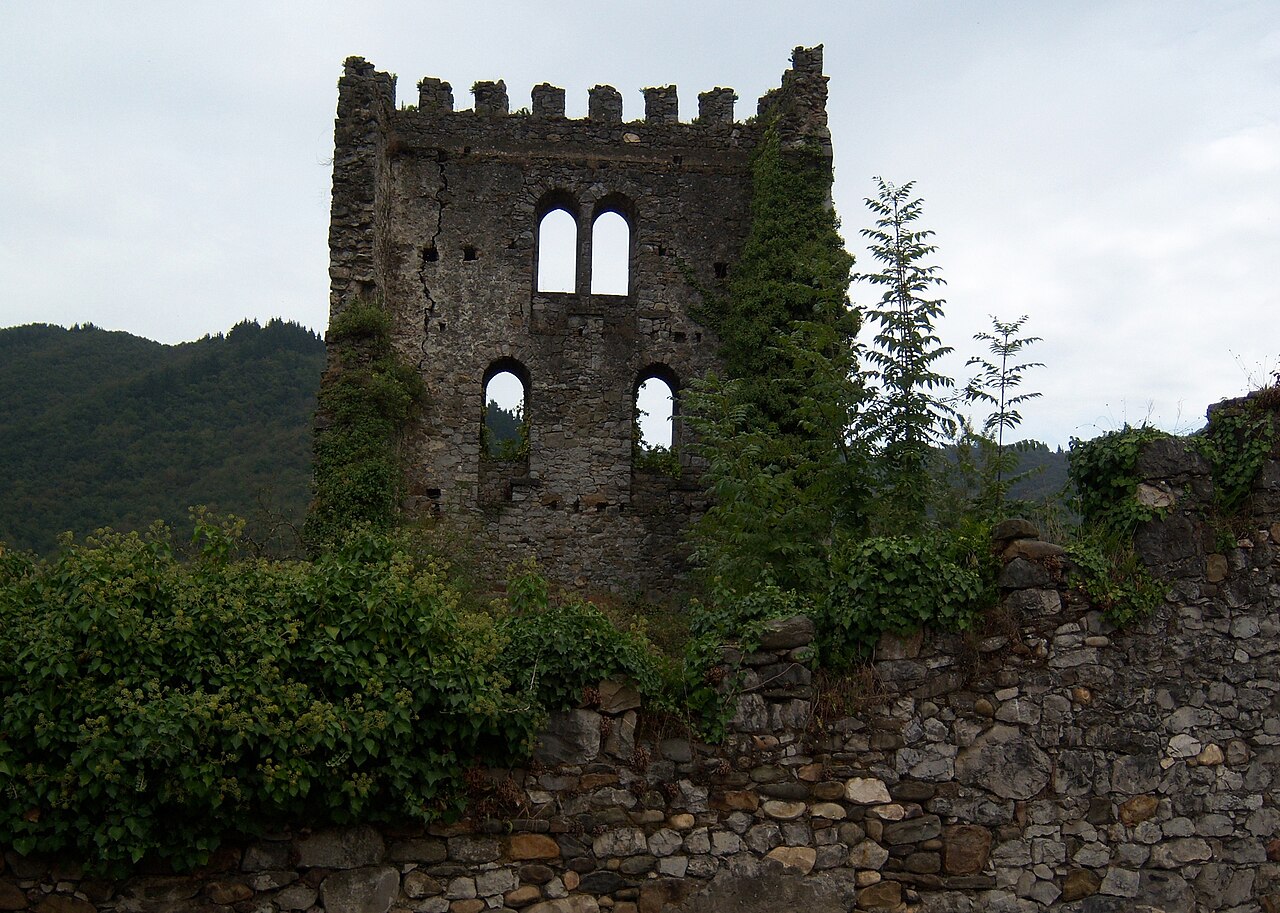
The core of San Martín Castle is its square three-storey tower, which remains the most prominent surviving structure. This tower, typical of 11th-century military architecture, likely functioned as a keep or donjon, serving as the last line of defense and the residence of the lord or commander. The thick walls and limited openings were designed to withstand sieges and attacks.
Surrounding the tower are remnants of the original curtain walls, which would have enclosed the courtyard and other auxiliary buildings. These walls were essential for defense, often featuring battlements and arrow slits to enable defenders to repel attackers effectively.
15th-century restoration and modifications
In the 15th century, San Martín Castle underwent significant restoration and rebuilding efforts. This period saw the addition of new defensive features and the repair of existing structures, reflecting advancements in military technology and the need to reinforce the castle against evolving threats. The restoration helped preserve the castle's core elements, particularly the tower and walls, allowing them to survive into the modern era.
19th-century additions
Besides the medieval structures, some of the buildings within the castle complex date from the 19th century. These later constructions were likely added for residential or agricultural purposes, indicating a shift from purely military use to more domestic or economic functions. Although these buildings do not share the medieval castle's defensive character, they contribute to the site's historical layering and illustrate its continuous occupation.
Current condition and preservation
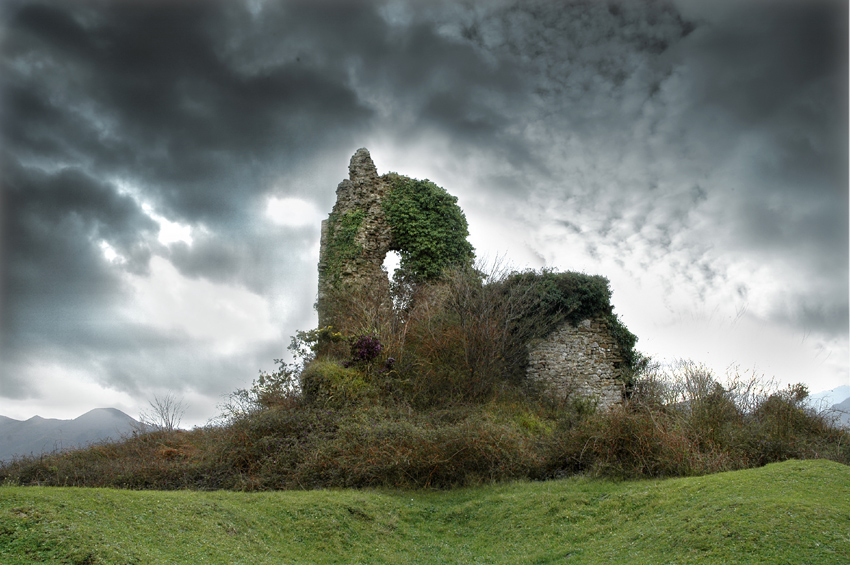
Today, San Martín Castle is classified as partially preserved. The square tower stands prominently, offering insight into the castle's original defensive capabilities and architectural style. The surrounding walls, though incomplete, still outline the castle's footprint and provide context for its layout. Preservation efforts have focused on maintaining the structural integrity of these key elements, allowing visitors to appreciate the castle's medieval origins alongside its later historical phases.
Architectural significance and cultural heritage
San Martín Castle exemplifies the evolution of fortifications from the Roman period through the High Middle Ages and into the Renaissance era with its subsequent restorations. Its square keep is characteristic of early medieval defensive architecture in northern Spain, while the 15th-century modifications demonstrate the adaptation of such structures to changing military needs.
The castle holds cultural importance for the region of Asturias, reflecting the area's historical role as a frontier zone during the Reconquista and later periods. It also serves as a tangible link to the past, illustrating the continuity of settlement and defense strategies over centuries.
Visiting San Martín Castle
Visitors to San Martín Castle can explore the remaining tower and walls, gaining a sense of the castle's imposing presence and strategic design. Although much of the original complex no longer stands, the site offers a valuable glimpse into medieval military architecture and the historical context of northern Spain. The castle's location in the scenic surroundings of Soto del Barco adds to its appeal, combining historical interest with natural beauty.
Information
Loading map...
Visitor reviews
No reviews yet. Been here? Write the first review and help other travelers!
Write the first reviewVisited this castle? Share your experience
Your review helps other travelers and adds first-hand knowledge to our encyclopedia.